
Hello Anand, I'm writing at the end of a very busy week at my hospital; let's see how far I get before my energy and memory are failing. I'd like to break the trip into 2 segments: Bhutan and Sikkim/Darjeeling. I liked Bhutan. The country has a fascinating history based on it's religion. This is shown very clearly in every…
Bhutan Sikkim Darjeeling Tour
Sikkim Darjeeling Tour with Festival in Bhutan
Bhutan Festival and Sikkim tour is a journey of Geographical and cultural contrasts, as you travel from a rich mixture of ecosystems ranging from sub-tropical to the high mountain ranges, and across unique culture and traditions. Join us on this life-changing journey that begins in the Indian state of Sikkim, where you’ll explore mountain monasteries, sip tea beneath the Himalayan peaks at the Raj-era hill hotel in Darjeeling, then cross the vast plains of Dooars to the magical Kingdom of Bhutan.
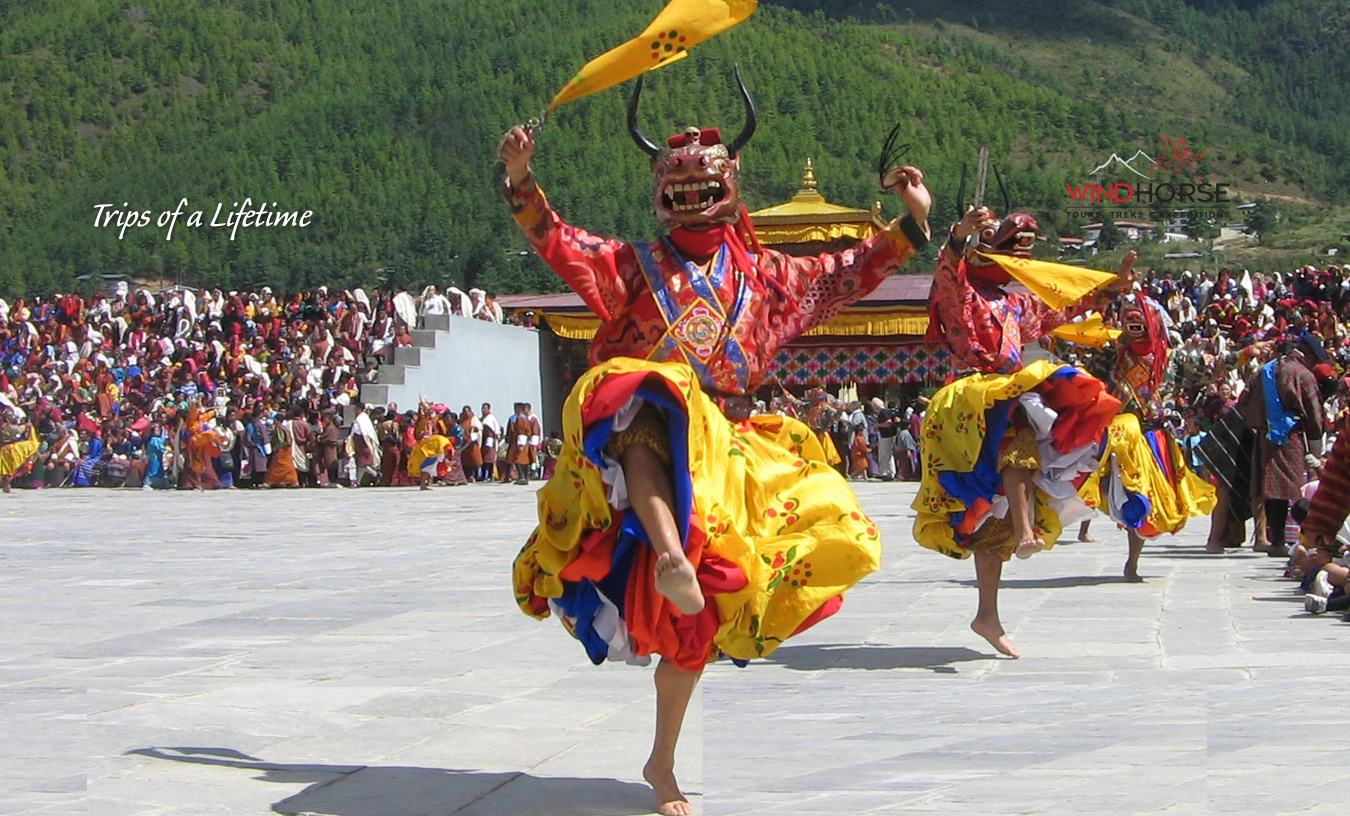
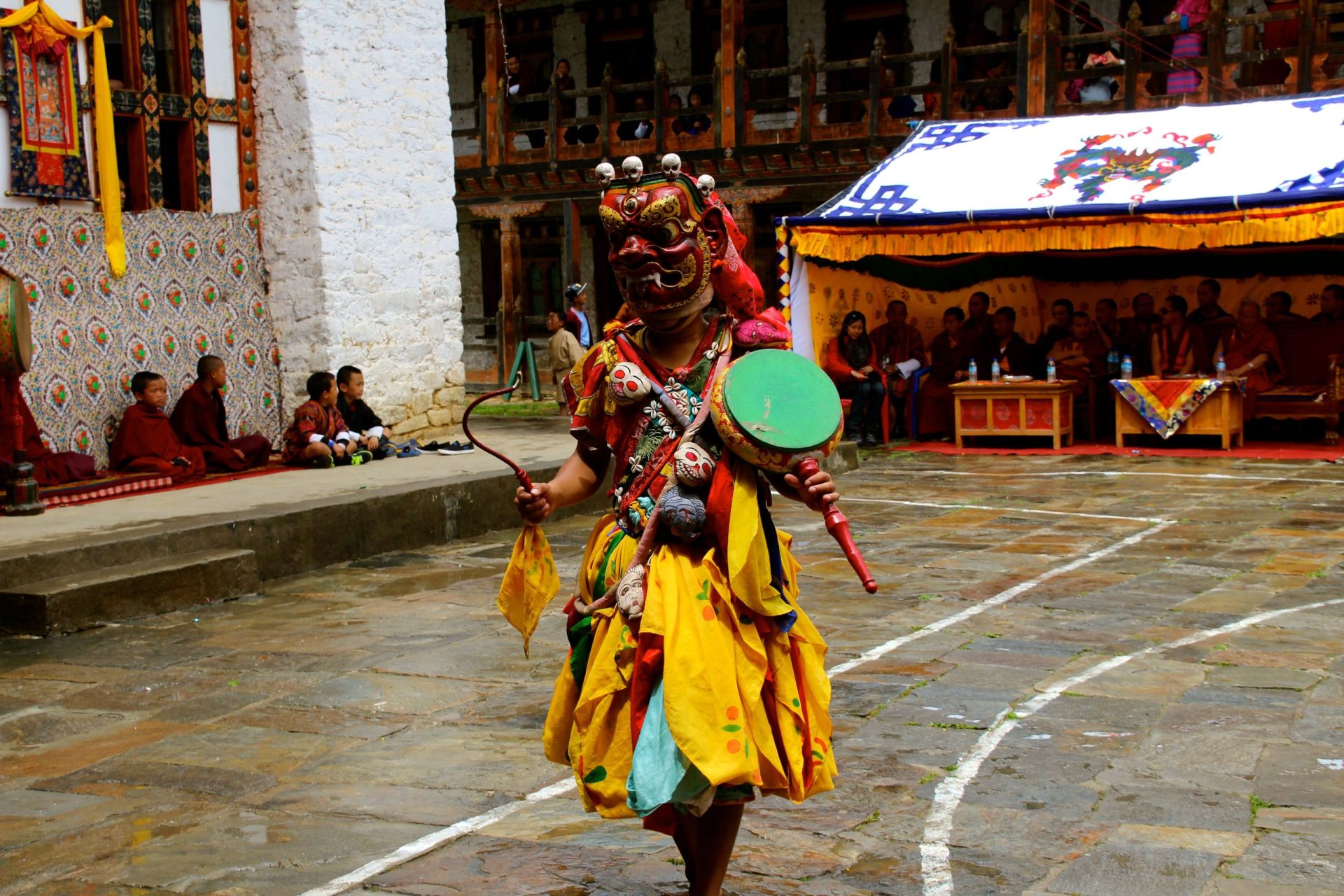
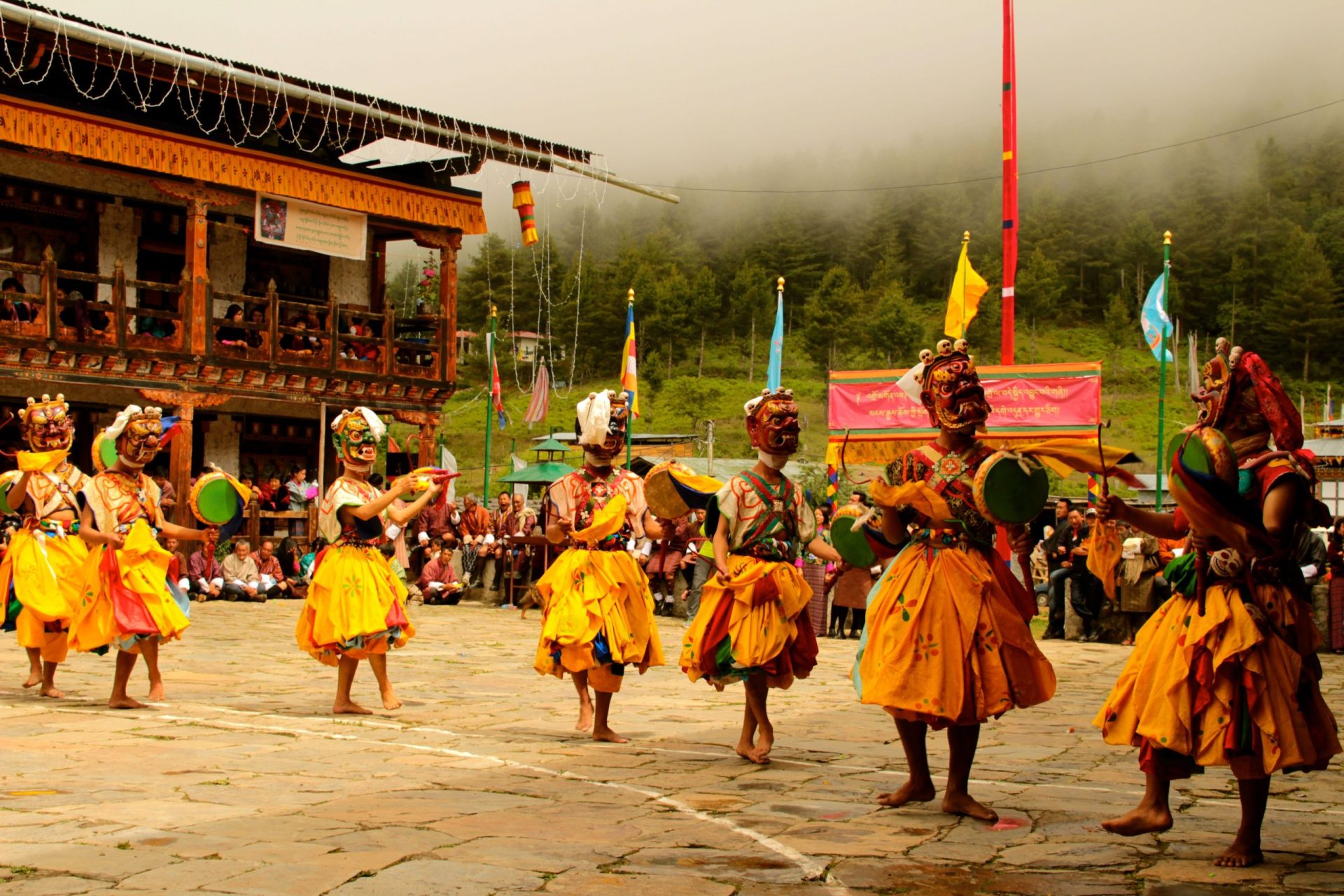
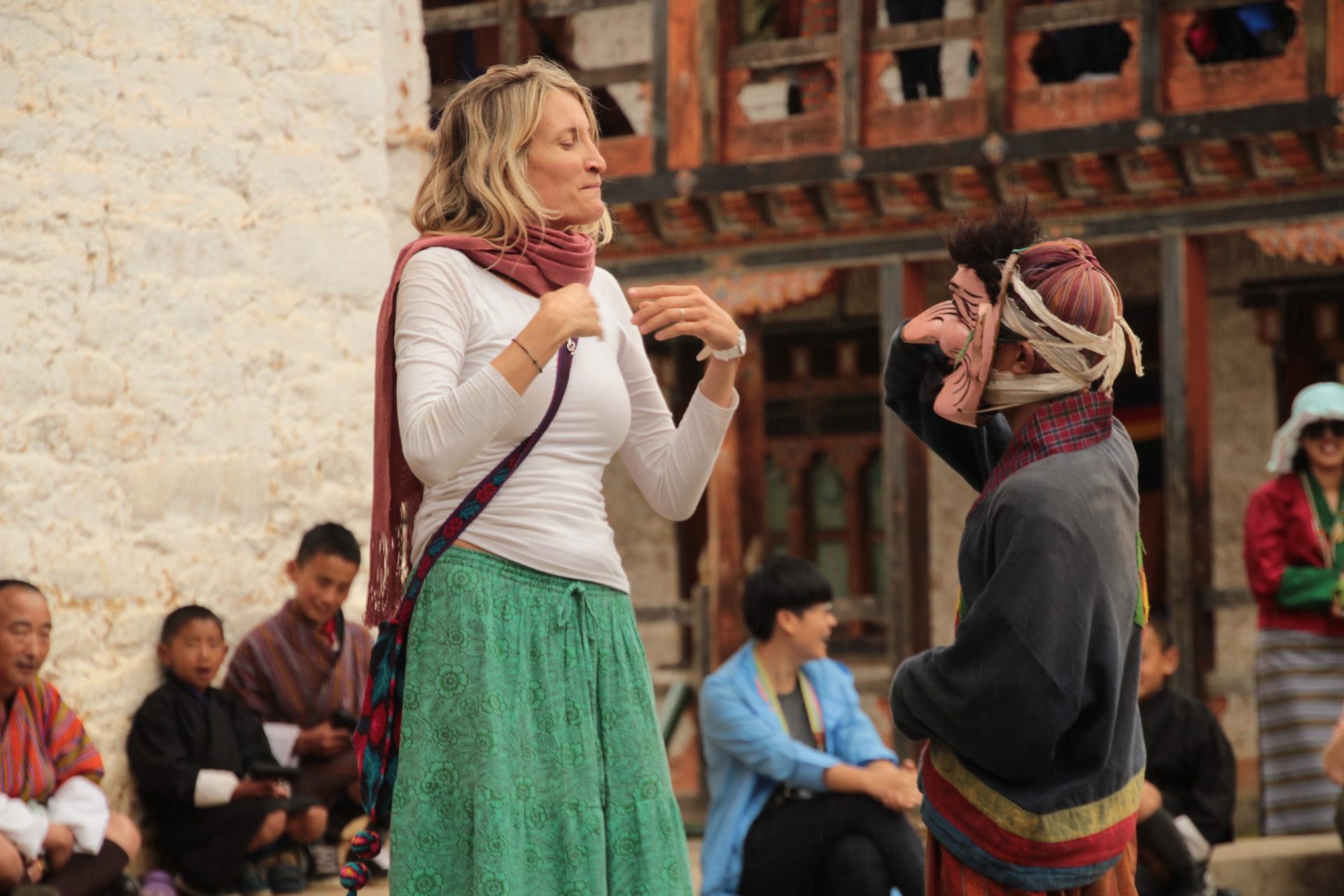
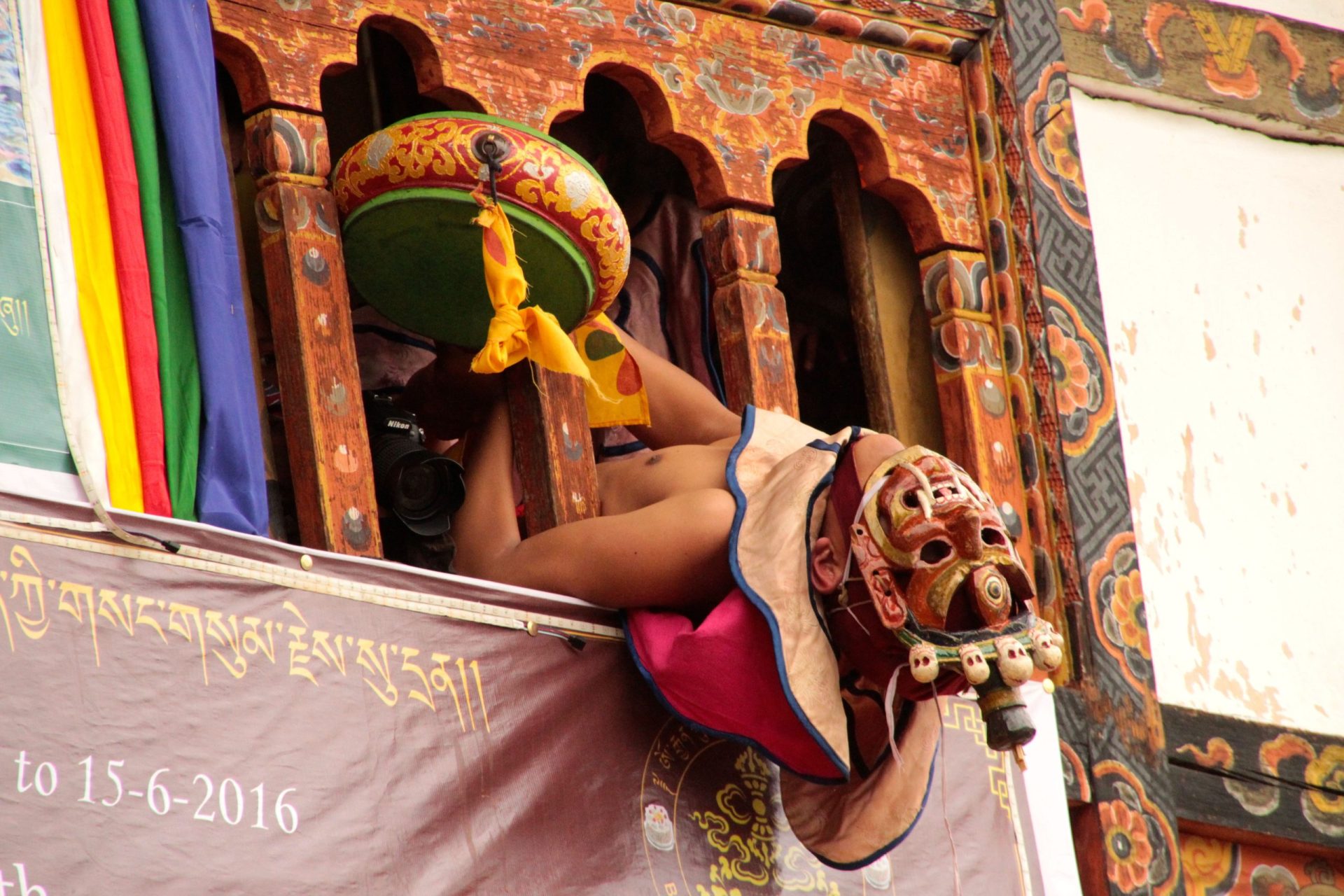
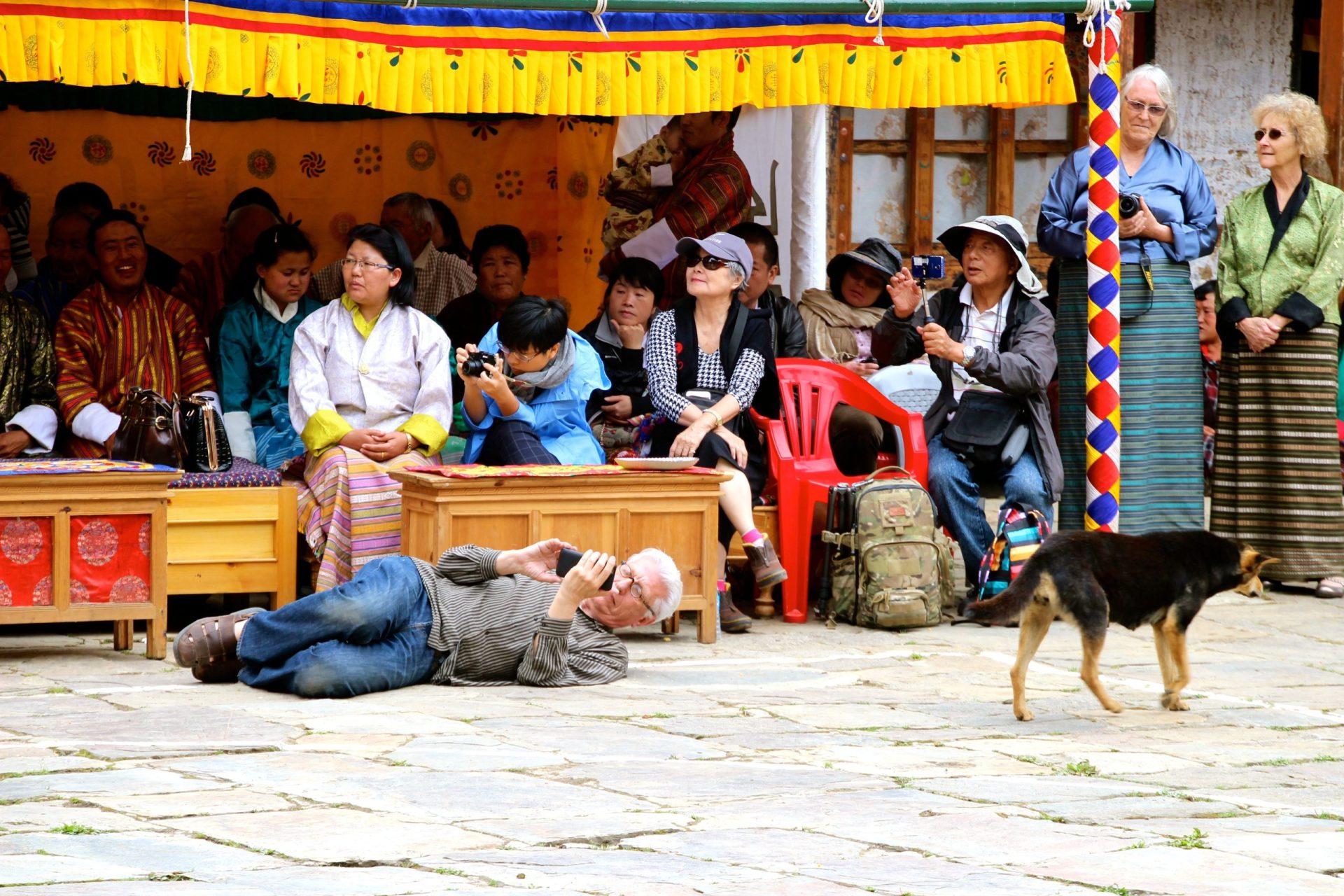
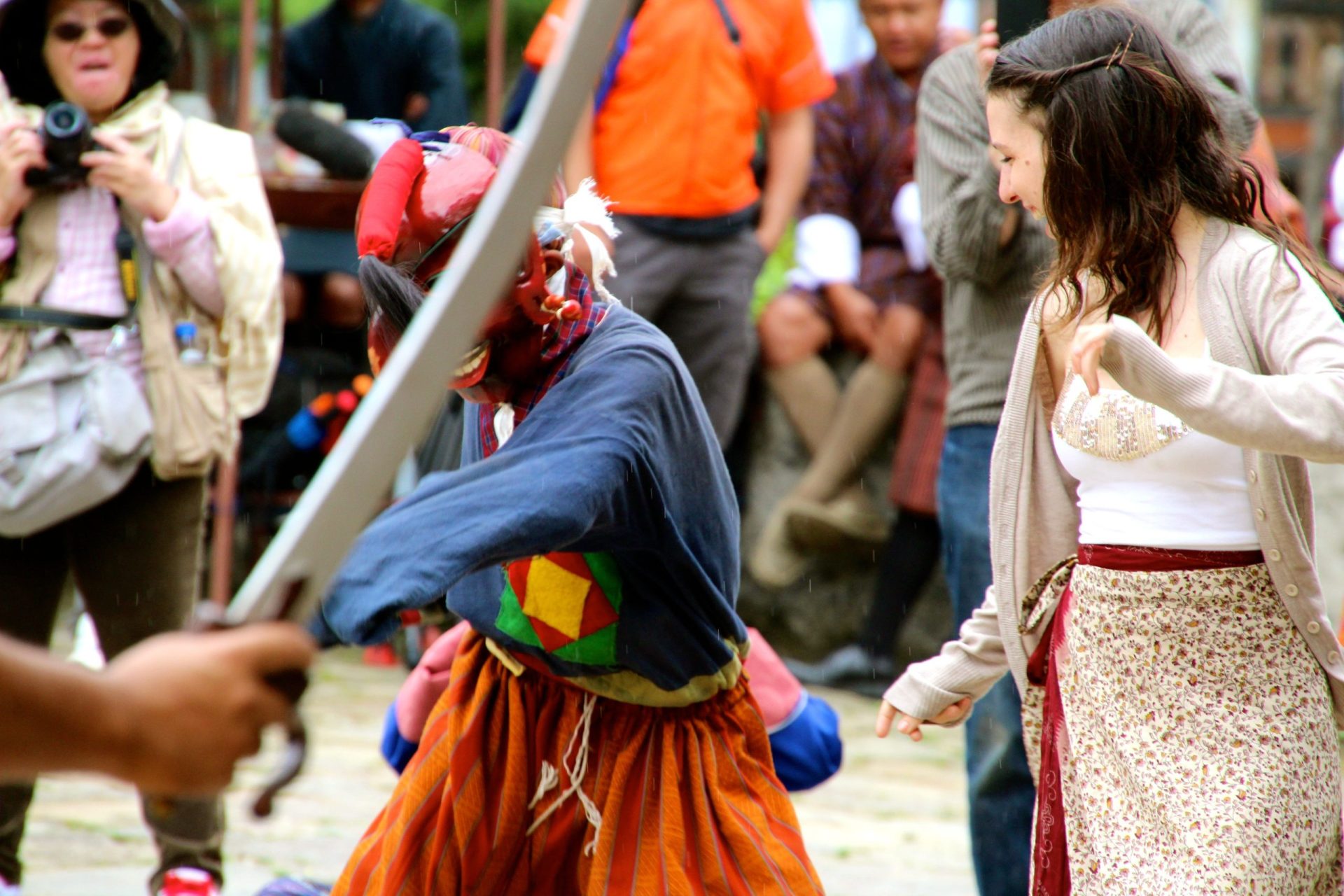
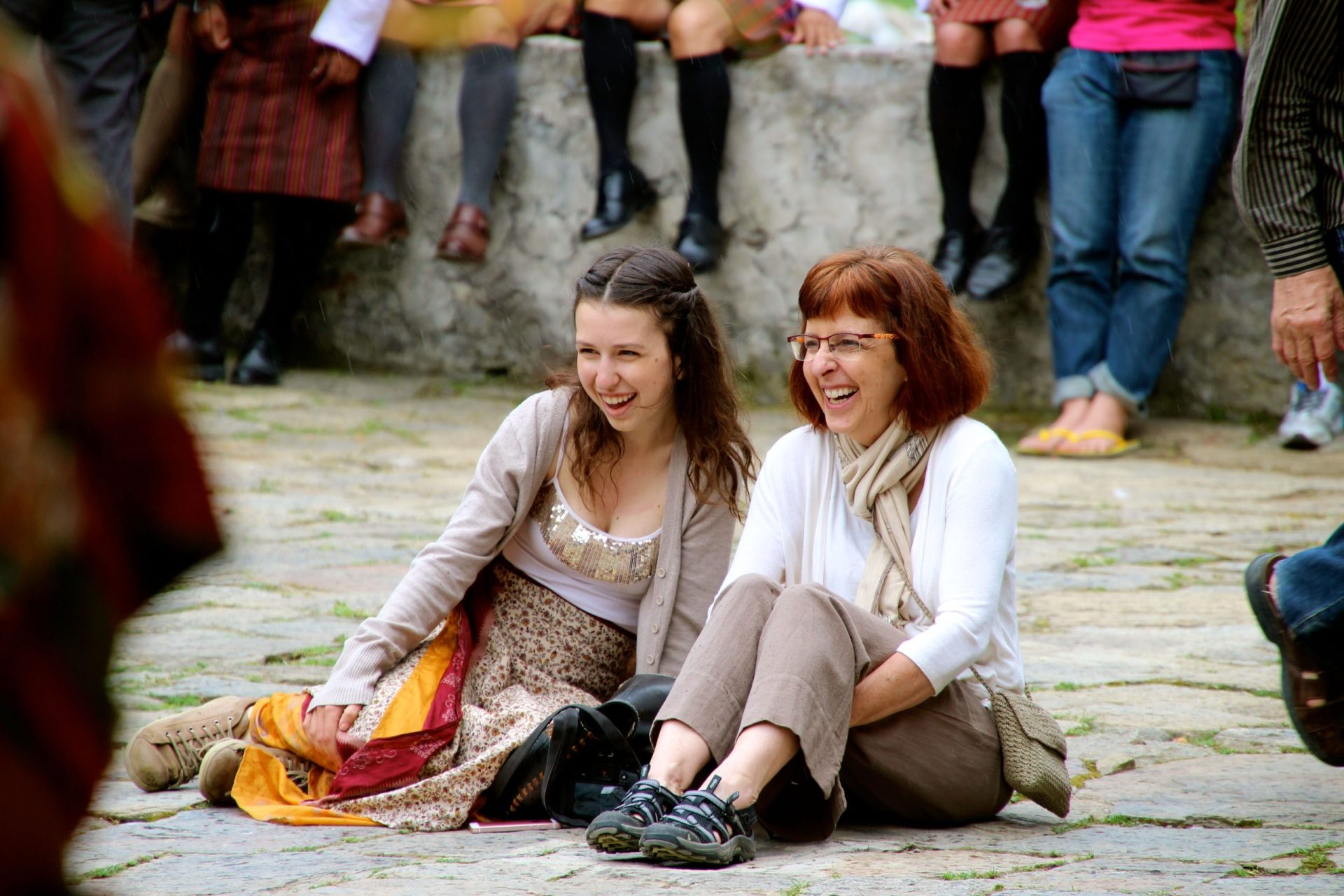
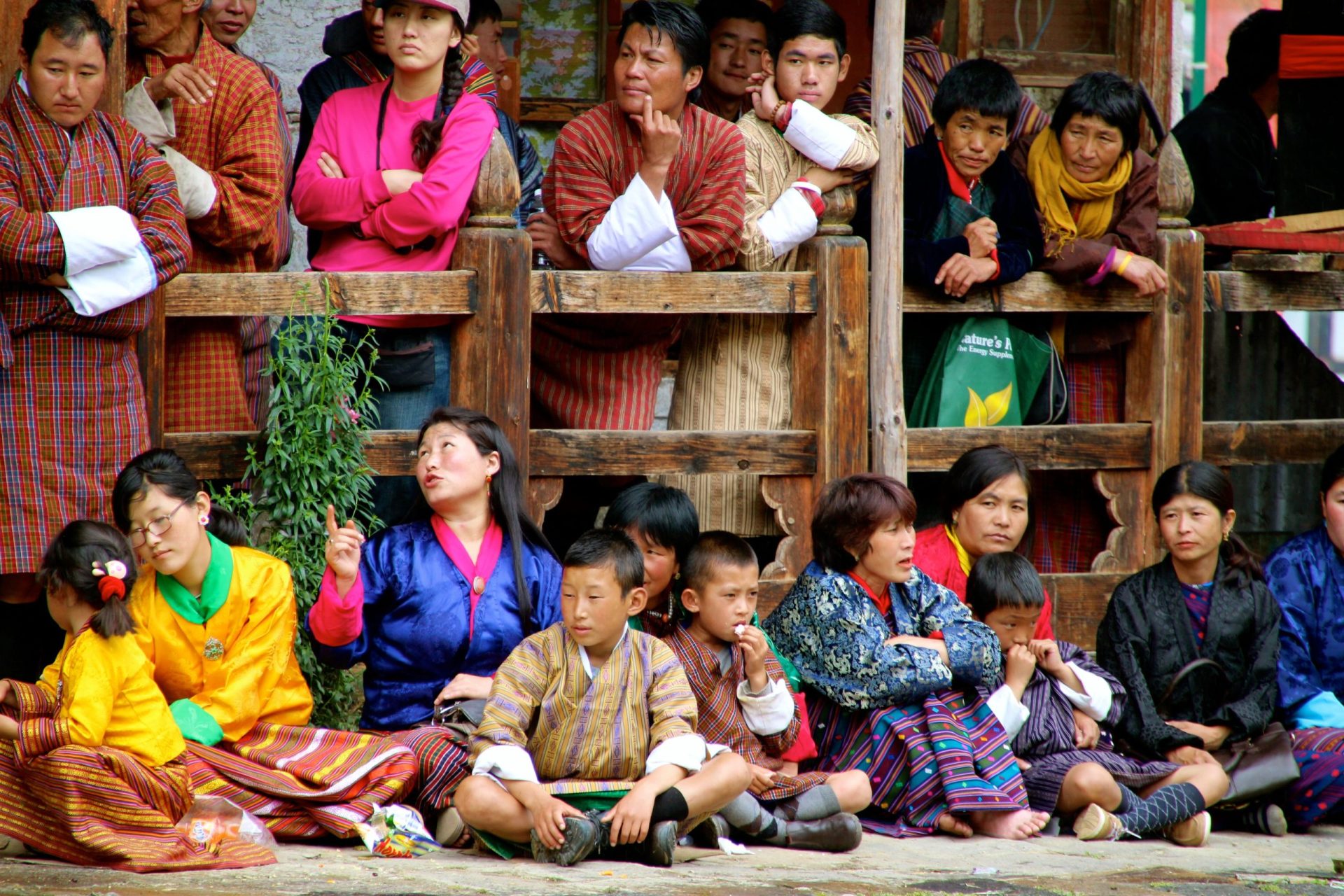
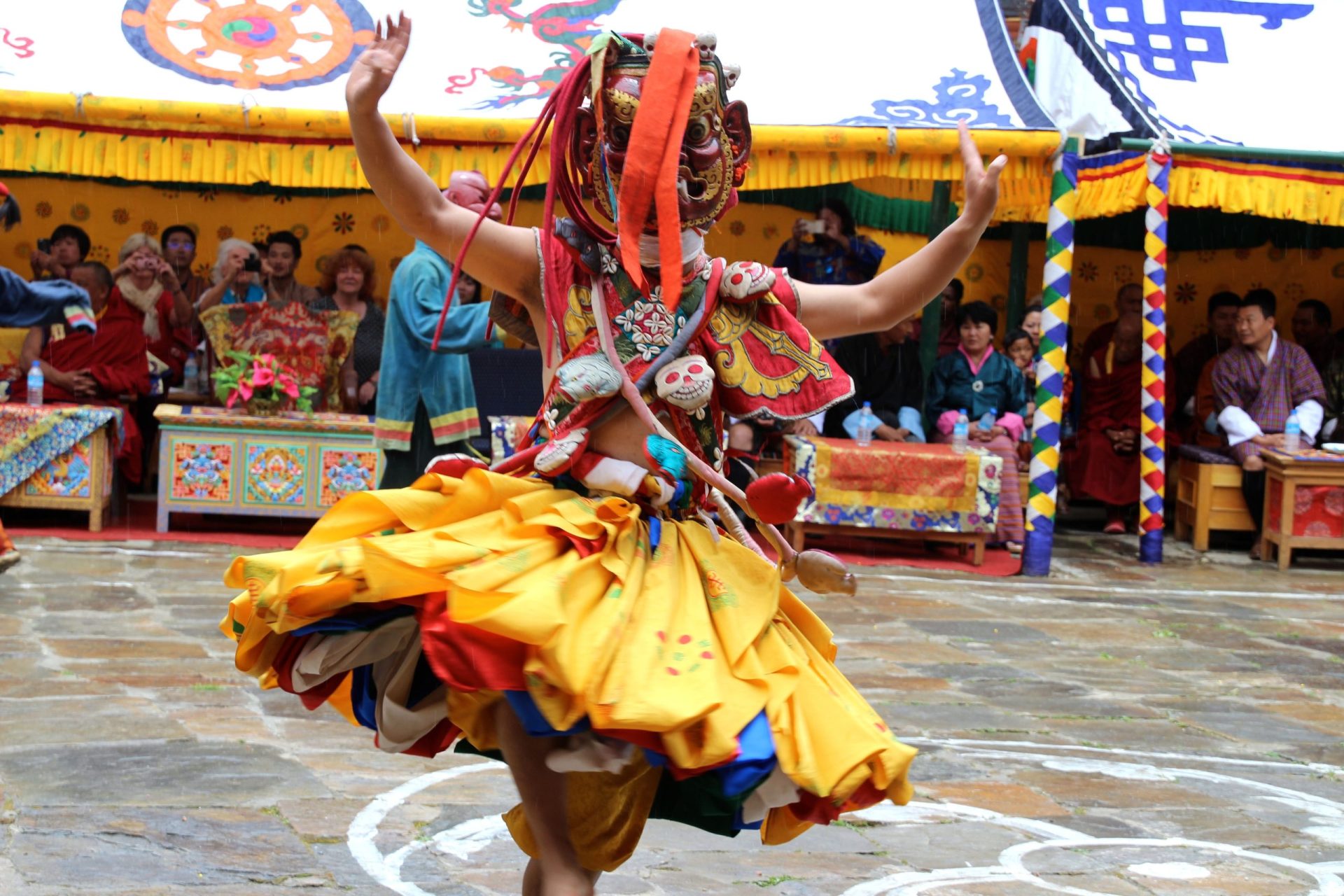
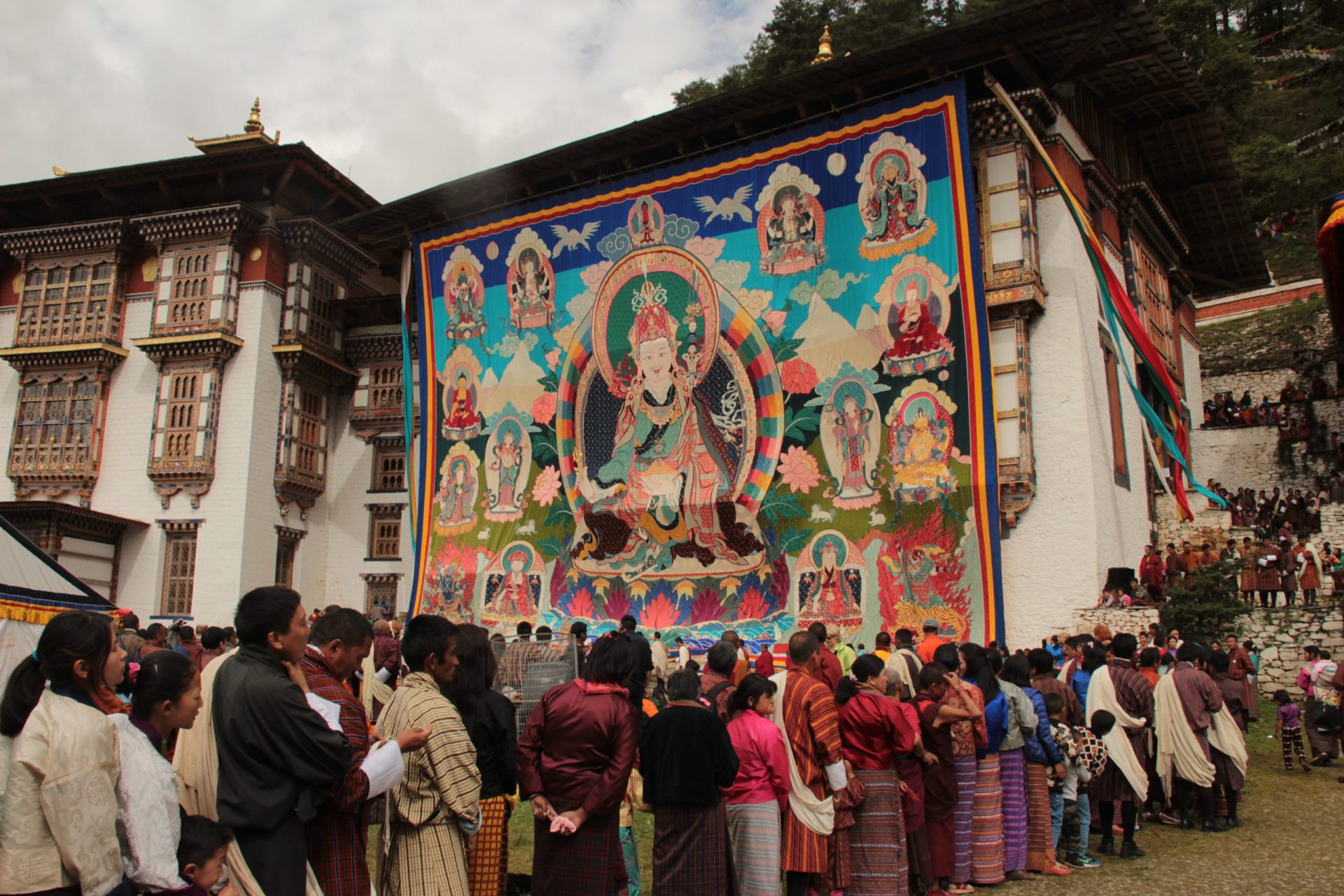
Amid verdant valleys dotted with historic fortresses and shrines, delve into Bhutan’s rich culture, discovering how happiness is woven into the fabric of everyday life. As you travel into the heart of the Kingdom’s Bumthang district, meet with monks, nuns, farmers, children, and artisans. Explore villages, historic monuments, and sacred sights. On this trip, we also join in the celebration of one or more than one Tsechu, an extremely colorful local festival where the local community comes together to witness religious mask dances, receive blessings and socialize.
Wind Horse has been operating this tour for the last 10 years with a small modification each year. In the past, we used to start the tour in Bhutan, but this year, we are starting the tour from Sikkim. We have also have added a flight from Bumthang to Paro, to cope with changing road conditions.
Outline Itinerary
Day 1: Arrive in Delhi
Day 2 & 3: Gangtok, Sikkim
Day 4 & 5: In Darjeeling
Day 6: Phuentsholing, Bhutan
Day 7 & 8: Thimphu, the capital of Bhutan
Day 9 & 10: In Punakha /Wangdue valley
Day 11: Gangtey, Phobjikha valley
Day 12 & 13: In Bumthang
Day 14, 15 & 16: In Paro valley and hike to Taktsang
Day 17: Departure
Activities: Culture Tours, Festival Tours
Trip highlights
- Famous hill stations of Sikkim and Darjeeling
- Tea plantations
- Absorb diverse Buddhist traditions
- A journey between India and Bhutan to appreciate the natural and cultural diversities
- Wander in bazaars, villages, and towns
- Meet monks, nuns, farmers, and children and interact with them
- Join in the celebration of a colorful festival or two
- Try out local foods
- Hike to famous Tiger’s Nest Monastery
- Enjoy spectacular views of snow-capped Himalayas from several locations on this trip
Day by day
The full day-by-day itinerary.
Meet and transfer to the hotel in Aero city. Free to pursue your own interests.
Meals Dinner
Meet the group during breakfast. Transfer to the airport in time for the morning flight to Bagdogra airport, near Siliguri. Meet our local guide and drive to Gangtok, where you spend two nights. Visit monasteries, viewpoints, Flower Exhibits, the local market, and other attractions (some places will be covered on foot).
Overnight in a hotel Meals Breakfast · Lunch · Dinner
Explore the queen of the hills, spread over the ridges, surrounded by emerald-green tea plantations and towered over by majestic Khangchendzonga. Spend two nights in a comfortable Raj-era hotel.
Meals Breakfast · Lunch · Dinner
En-route to Phuentsholing, we have an opportunity to meet the natives of Dooars working in Tea Estates. Immigration formalities and enter the Bhutanese frontier town.
Meals Breakfast · Lunch · Dinner
Journey up the hills, through changing vegetation, past villages and waterfalls to the bucolic capital of Bhutan.
Meals Breakfast · Lunch · Dinner
Cross the spectacular Dochula pass with the panorama of Bhutanese peaks and descend into a semi-tropical valley, covered by terraced rice-fields.
Meals Breakfast · Lunch · Dinner
Climb up to the alpine setting of Phobjikha valley (2900m), the highest night halt on your journey. For some departures, we visit Gangtey and stay in Trongsa.
Meals Breakfast · Lunch · Dinner
Visit Trongsa Dzong, perhaps the most spectacularly sited Dzong (fortress cum monastery) in Bhutan. Then cross into Bumthang, the spiritual and cultural heartland of the Kingdom. Spend two nights in the valley of buckwheat fields, apple orchards, and chalet-like houses, surrounded by pine-forested hills.
Meals Breakfast · Lunch · Dinner
This 20-min scenic flight whisks you to Paro, avoiding the long winding road back. You have one and a half-day to explore serene Paro valley and a day dedicated to hiking to the iconic Taktsang (tigers nest) monastery.
Meals Breakfast · Lunch · Dinner
Transfer to the airport in time for your departure flight. You could return to Delhi or go to Kathmandu, Kolkata, Bangkok, and some days even to Singapore.
Meals Breakfast
17-day trip, from 2000 per person. Tell us your dates and group size and we will price it exactly.
Included
- All transfers
- Sightseeing with entrance fees
- English speaking local tour guides
- Accommodations in listed hotels or similar (3 & 4 star type mix, with good location, local character, and good, if not best reviews)
- All meals throughout the trip (except in Delhi, where only breakfast is included).
- Bottled water in the vehicle (during the day)
- Bhutan Visa and all required permits.
- Bhutan’s daily tourists’ fees
- Flight Delhi to Bagdogra
- Flight Bumthang-Paro
Not included
- Indian Visa.
- Flight into Delhi
- Flight out of Paro
- Medical Insurance
- Bar/Beverages, Laundry, Gifts, Gratuities and other personal expenses not listed in included section
Dear Anand - Thank you so much for your email. I was planning on writing and giving my thoughts, but you prompted me to get started. Firstly, I would like to thank everyone for their help in such a splendid trip. We thoroughly enjoyed every moment.For the sake of simplicity and time, I will condense my comments instead of in a…
TID 781 (Oct 03 - 19, 2014) My partner and I recently participated in the Windhorse Tour to Bhutan, Sikkim and Darjeeling. We had a marvelous time. We were both extremely impressed with the knowledge and enthusiasm of our Bhutanese Guide, Sonam. And our bus driver, Arun, did an amazing job keeping us all safe amidst the traffic on the…
These guide have years of experience and are very good at their job. They are friendly and can entertain you throughout the whole journey.
Anand Thapa
Anand Thapa grew up in Jaigaon, a small border town next to Phuentsholing, Bhutan. He attended school in Bhutan before moving to Darjeeling for further studies. Surrounded by lush tea gardens, colonial-era churches, and views of Mount Kanchenjunga, he developed a lasting fascination with travel. After his studies, Anand lived…
Kezang Norbu
Kezang is a graduate from Gedu Business School college in Bhutan, but he was always interested in the Buddhist Philosophy, which made him alter his ambition to being a tour Guide. He is super polite and Buddhist to the core, because his parents and their parents were all affliliated to…
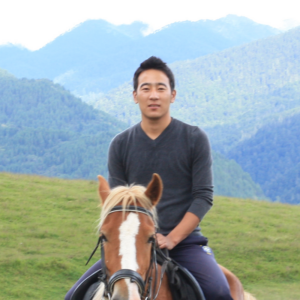
Namgay
Guide - Culture, Trek & Nature Growth in Tourism in Bhutan has also its share of impact on young minds. With tourists freely moving around, the curiosities to know them, talk to them holds ground firmly on young minds . Namgay is one among many youth whose imagination was captured…
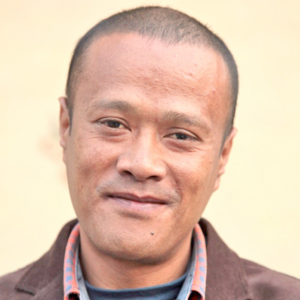
Pankaj Pradhan
Pankaj Pradhan hails from Kuersong in India but his upbringing was in Thimphu. He has seen from close quarter the growing stature of tourism in Bhutan. While kid, he says that he could see a a handful of tourist in Thimphu during festival, but now it has grown substantially .…
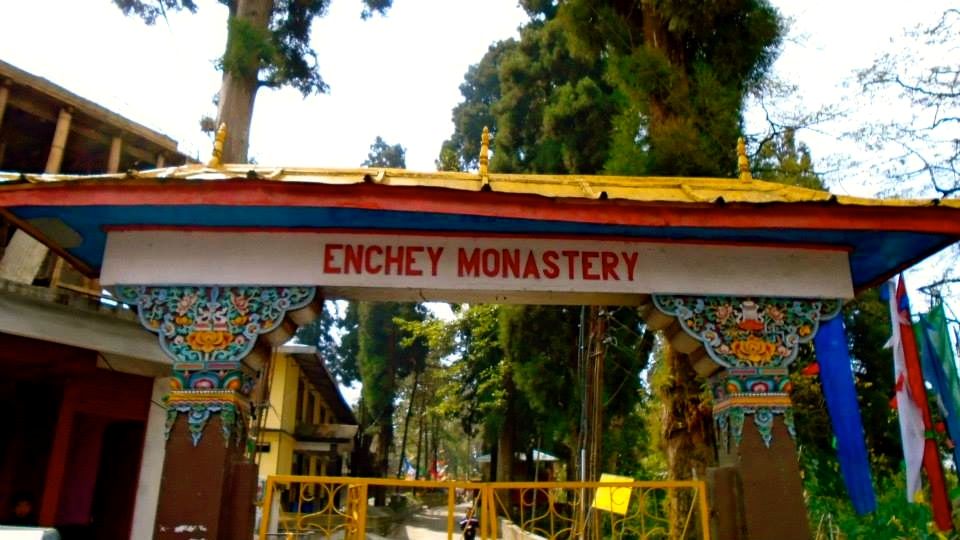
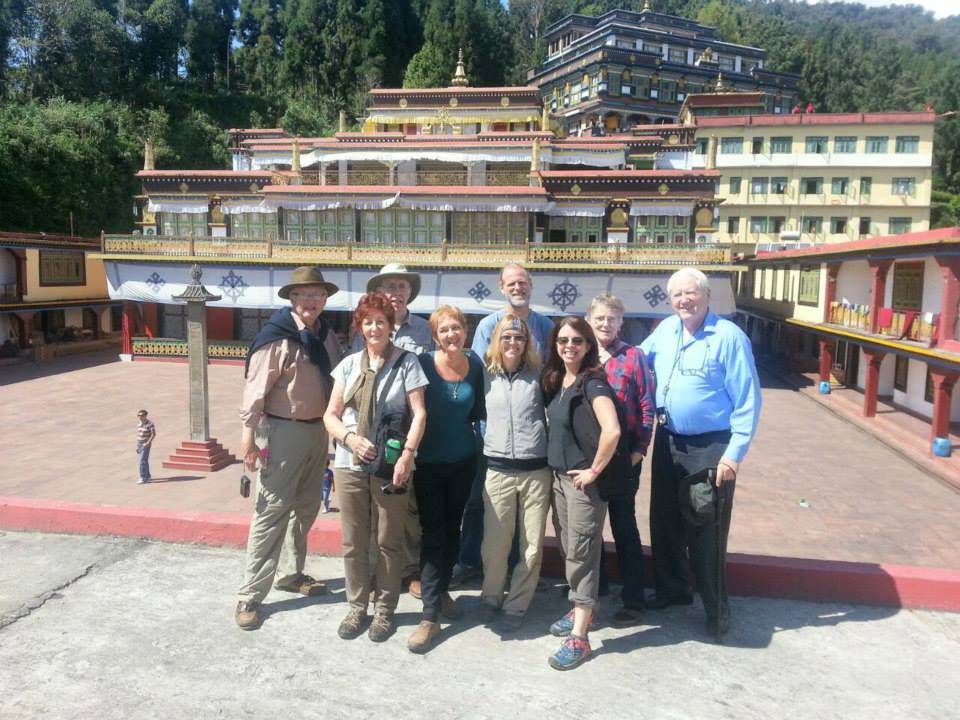
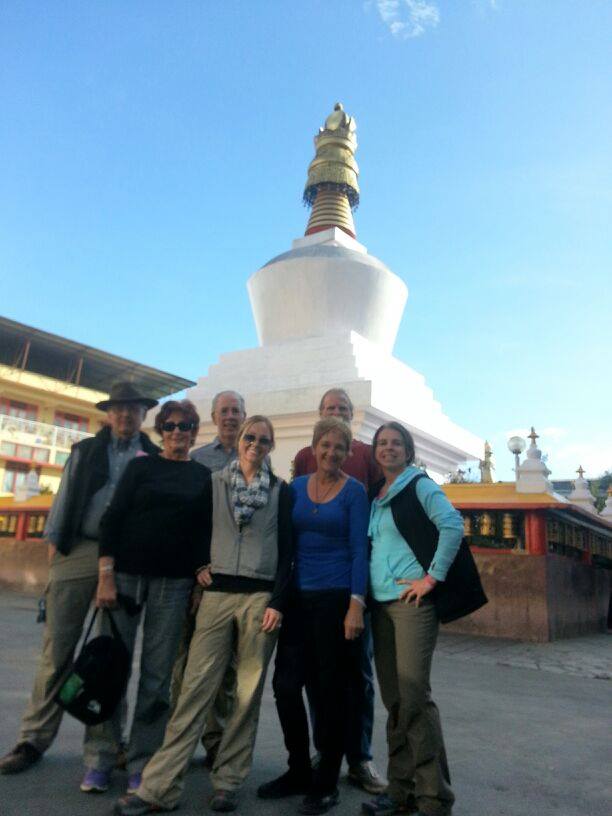
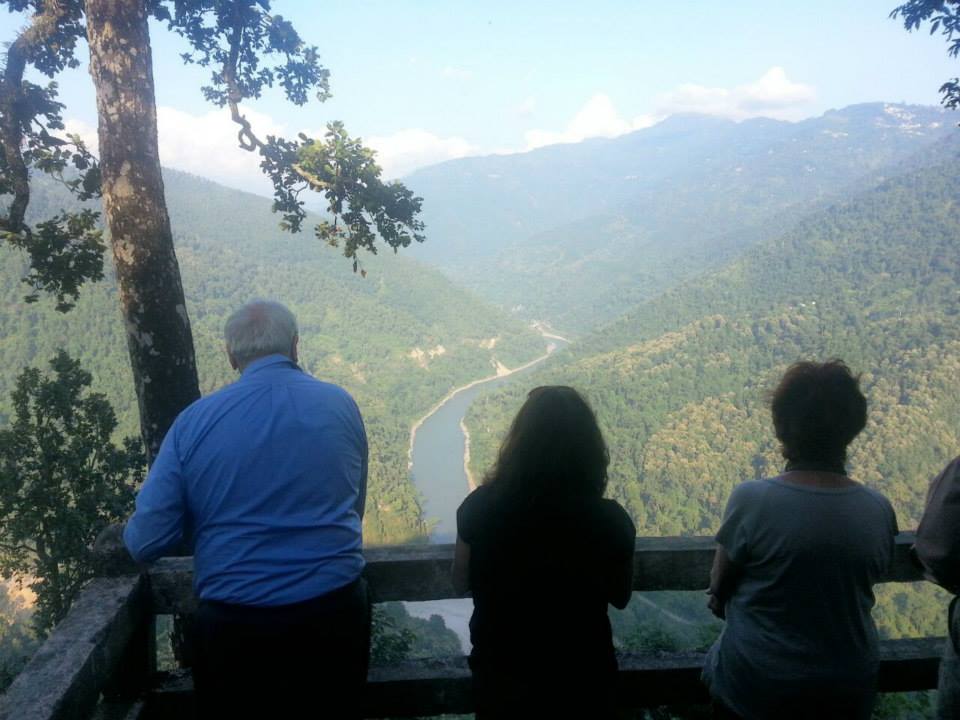
The following lists are the essential trekking gear that is recommended for trekking in Nepal and all listed gears can also be bought easily in Kathmandu, Kathmandu has a number of shops selling the necessary clothes and gear for trekkers.
- A few pairs of Thermal tops
- Fleece jacket/pullover
- Windcheater – waterproof shell jacket one pair
- Down jacket -( It will be provided by the company if you do not have your own)
- Comfortable Fleece/wool trousers
- Trekking pants- at least 2 pairs
- Mittens/woolen gloves
- Warm Hiking socks
- Trekking sue with spare laces
- Pair of flip flop
- Under wears & Swimming costume
- Hiking Cotton trousers/t-shirts
- Sun hat/scarf
- Sunglasses
- Sleeping bag -( It will be provided by the company if you do not have your own)
- Trekking poles (Not 100%)
- Day bag above 40 L
- 1 set- Headlamp
- Small lock for the day backpack
- Reusable water bottles- 2 letters
- Water purification tablets/ electric light
- Wash towel
- Toiletries (wet tissue, quick-drying towel, toilet paper, moisturizers, lip balms, sunscreens, sanitary pads, hand sanitizer, nail clipper, small mirror, toothpaste & brush, etc.)
- Rain poncho
- Basic personal first aid kit
What travelers most often ask us before a trip to Bhutan.
Are monument and park entrance fees included in my trip?
No. Since the 2023 policy update, the entry fees are not included and are in addition to the daily SDF (Sustainable Development Fee), you will need to pay for these tickets separately at each location, or your tour operator (like Wind Horse) can include them as a pre-paid “service” in your tour package.
Most Dzongs & Museums charge Nu. 500, with Takstang @1000/
For details on the latest entry fees to the monuments, parks, and attractions, visit Bhutan Entrance fees:
Yes, flights to Bhutan can be affected by weather conditions. Paro Airport is located in a narrow valley and requires visual flying conditions, meaning flights operate only during daylight hours and in suitable weather.
During the monsoon season (June–September), low clouds, rain, or reduced visibility may cause short delays or, in rare cases, cancellations. In winter, early-morning fog can sometimes delay departures. However, Bhutan’s airlines are highly experienced in operating in these conditions, without compromising the safety.
When disruptions occur, airlines usually reschedule flights for the next available weather window. We recommend allowing some buffer time at the start or end of your trip and having flexible onward travel plans.
Wind Horse closely monitors flight operations and assists guests with rebooking and logistics if weather-related changes arise.
Bhutan’s official currency is the Bhutanese Ngultrum (BTN), which is pegged 1:1 with the Indian Rupee, so the two currencies are equal in value. Indian Rupees are accepted in Bhutan.
Yes. Bhutan is considered one of the safest countries in the world for travelers, including solo travelers and solo women travelers. Crime rates are very low, violent crime is rare, and Bhutanese society places a strong emphasis on respect, community, and hospitality.
Solo women travelers generally feel comfortable traveling in Bhutan. Harassment is uncommon, and locals are welcoming and helpful.
When traveling on guided tours or treks, you are accompanied by licensed guides and drivers, which adds an extra layer of safety and support.
As with travel anywhere, we recommend using common sense—being aware of your surroundings, dressing modestly, and following local customs. With these basic precautions, Bhutan is a relaxed, secure, and rewarding destination for solo travel.
The most popular times to visit Bhutan are spring (March–May) and autumn (late September–November), offering the best combination of weather, scenery, and cultural experiences.
- Spring (March–May):
Ideal for nature lovers, with valleys alive with blooming rhododendrons and wildflowers. Temperatures are mild, making it a great season for sightseeing and moderate trekking. - Autumn (late September–November):
Known for the clearest Himalayan views, crisp air, and deep blue skies. This is also the peak season for major festivals (Tshechus) and high-altitude trekking. - Winter (December–February):
An off-peak season with cold nights and early mornings, but generally clear, sunny days and stable weather. Snowfall is mostly limited to high mountain passes. While not suitable for high-altitude treks, winter is ideal for cultural tours and walks in lower valleys and subtropical forests. As most towns and villages in the eastern Bhutan and southern Bhutan are located at lower elevation, winter is best time to visit them. - Summer (June–August):
Warm and pleasant, with occasional monsoon rains, mostly in the evenings or at night. The countryside is lush and green, crowds are fewer, and low-season rates are available.
Independent trekking is not permitted in Bhutan. All trekkers must be accompanied by a licensed Bhutanese guide and a support team, where camp and food arrangements in needed.
Some trekking areas require National Park permits and some even need military clearance and those are not issued without the local tour operator’s undertaking and the presence of guides on the trails.
No. Indian citizens with Indian passport or valid travel document such as Voter IDs do not require a visa to enter Bhutan. However, an Entry Permit is mandatory.