Hiking Bhutan’s Villages & Heritage Trails
Dzongdrakha Festival
Day Hikes Through Bhutan’s Villages and Historic Trails
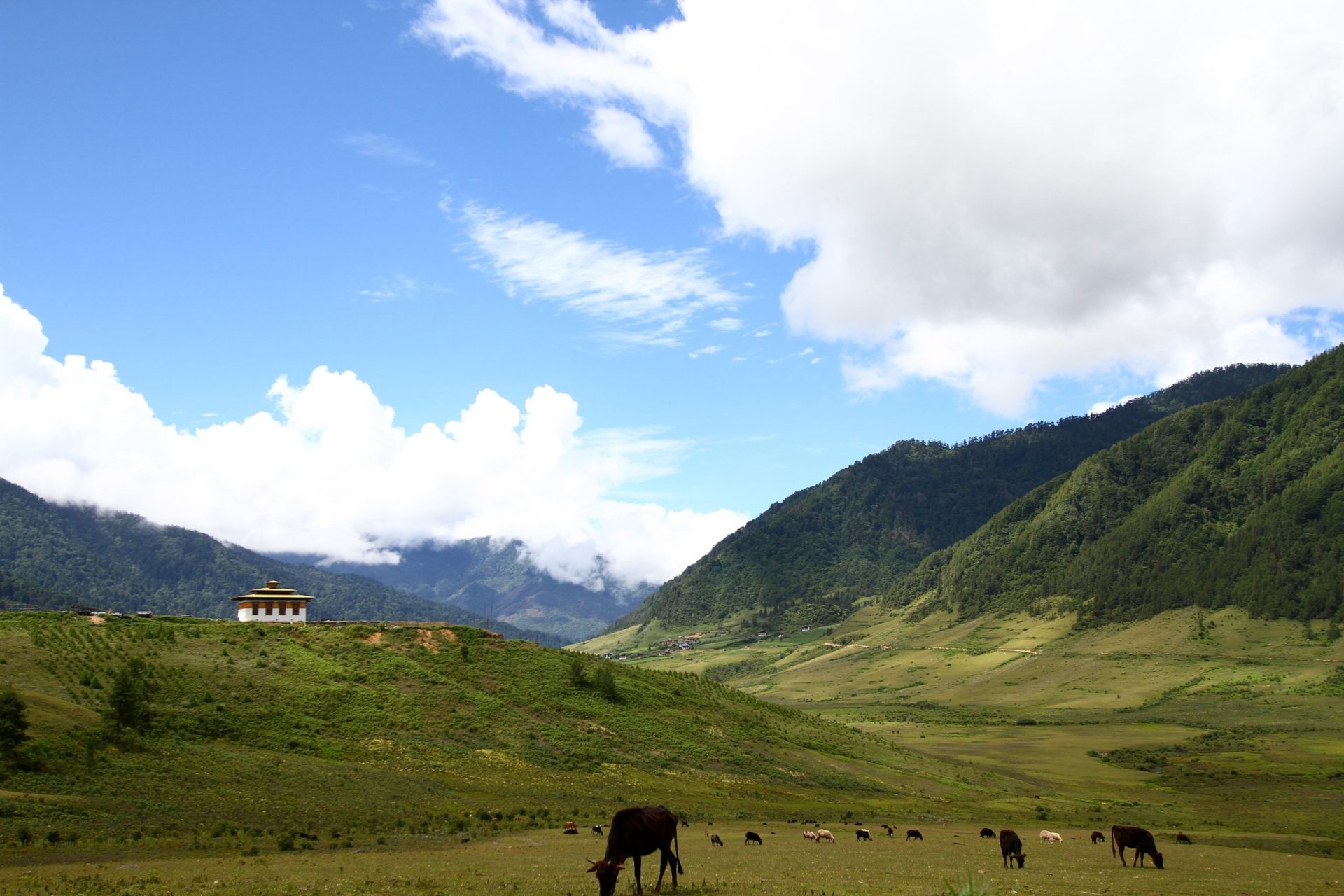
Building on the popularity of our signature Drukyul Walking Tour, this two-week Hiking Bhutan offers the same balance of cultural immersion, scenic walks, and comfortable accommodations—now enhanced with two additional days of hiking in the heart of Bumthang.
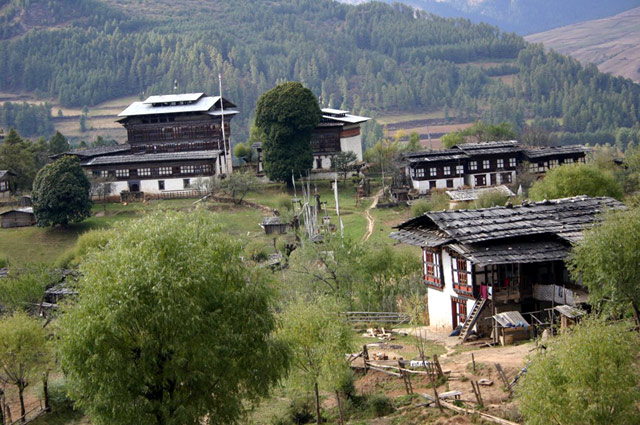
Follow the old Bumthang Cultural Trek route to reach the villages of Ngalhakhang and Tang, where time-honored traditions, ancient temples, and rural life unfold in their most authentic form. These hikes add depth to the experience, opening windows into Bhutan’s spiritual heritage and vibrant village culture.
In addition to moderate day hikes, this itinerary features an optional full-day rigorous hike for those seeking a more adventurous challenge. A highlight of the journey is spending two nights in a traditional village guesthouse—a rare opportunity not included in the Drukyul Walking Tour. This stay offers an intimate glimpse into rural Bhutanese life, with its warm hospitality, simple comforts, and authentic local atmosphere.
As with the Drukyul Walking Tour, you’ll also explore monasteries, temples, farms, and historic sites across Paro, Thimphu, Punakha, Wangdue, Gangtey, Trongsa, and Bumthang. Designed to be active yet flexible, this expanded journey provides a rare chance to connect more deeply with Bhutan’s landscapes and people while still traveling in comfort.
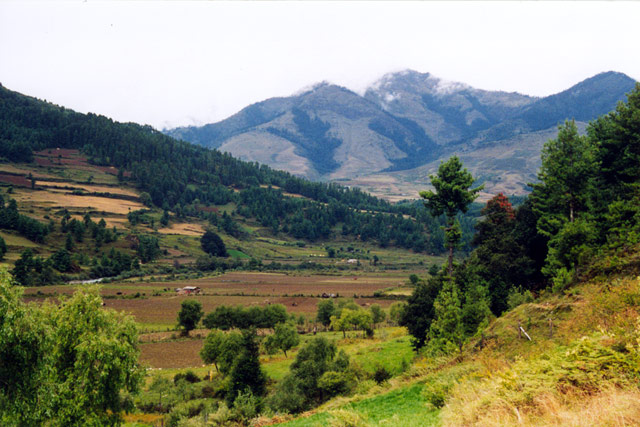
This trip is designed for travelers who love being active outdoors and on foot, with minimal driving. Wander through Bhutan’s villages, valleys, and heritage trails, explore historic temples and Dzongs, and stay with local families to taste traditional meals and experience village life. Two days of longer hikes offer a near-trekking adventure, balanced with gentle walks and cultural discoveries for a fully immersive journey.
Hiking Bhutan Heritage Trail Outline Itinerary
Day 1 & 2: Paro Valley
Arrival and gentle explorations of Paro. Full day of easy walks through villages and fields, visiting key temples and monasteries, with a traditional farmhouse lunch.
Day 3 & 4: Bumthang – Cultural Heartland
Scenic flight into Bumthang, the spiritual center of Bhutan. Discover ancient temples, monasteries, and vibrant valley life on foot.
Day 5 & 6: Village Hikes & Homestay
Walk along the old cultural trail to remote villages and experience warm hospitality with local families. The first day’s hike is easy, while the second day is longer, with the option of a vehicle transfer if preferred. Overnights are in simple yet clean family-run guesthouses.
Day 7: Tang, Chumey & Trongsa
Explore manor houses, weaving villages, and nunneries before continuing west to Trongsa Dzong, a fortress steeped in royal history.
Day 8: Longtey to Gangtey (Phobjikha Valley)
Hike across rhododendron forests and alpine meadows into the glacial valley of Phobjikha, home of black-necked cranes.
Day 9 & 10: Wangdue & Punakha
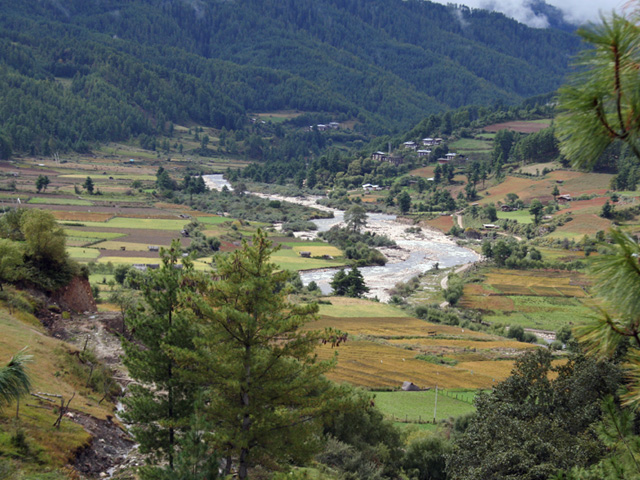
Descend into the fertile Punakha Valley to explore villages and key monuments. Enjoy moderate hikes through terraced fields and forests, with delightful picnics along the way.
Day 11 & 12: Dochula & Thimphu
Take a scenic ridge hike near Dochula Pass with sweeping Himalayan views before continuing to Thimphu. Spend the next day exploring the capital’s monasteries, museums, bustling markets, and cultural landmarks.
Day 13: Paro – Tiger’s Nest
Conclude with the iconic hike to Taktsang Monastery (Tiger’s Nest), with sweeping valley views and a farewell dinner.
Day 14: Departure

Activities: Walking Tours
Dzongdrakha Festival
Nga Lhakhang Festival
Consider this as a private trip, customised to your preferred dates and designed for you or your family alone. Call or email us and we will work through the possibilities with you.
What travelers most often ask us before a trip to Bhutan.
Are monument and park entrance fees included in my trip?
No. Since the 2023 policy update, the entry fees are not included and are in addition to the daily SDF (Sustainable Development Fee), you will need to pay for these tickets separately at each location, or your tour operator (like Wind Horse) can include them as a pre-paid “service” in your tour package.
Most Dzongs & Museums charge Nu. 500, with Takstang @1000/
For details on the latest entry fees to the monuments, parks, and attractions, visit Bhutan Entrance fees:
Yes, flights to Bhutan can be affected by weather conditions. Paro Airport is located in a narrow valley and requires visual flying conditions, meaning flights operate only during daylight hours and in suitable weather.
During the monsoon season (June–September), low clouds, rain, or reduced visibility may cause short delays or, in rare cases, cancellations. In winter, early-morning fog can sometimes delay departures. However, Bhutan’s airlines are highly experienced in operating in these conditions, without compromising the safety.
When disruptions occur, airlines usually reschedule flights for the next available weather window. We recommend allowing some buffer time at the start or end of your trip and having flexible onward travel plans.
Wind Horse closely monitors flight operations and assists guests with rebooking and logistics if weather-related changes arise.
Bhutan’s official currency is the Bhutanese Ngultrum (BTN), which is pegged 1:1 with the Indian Rupee, so the two currencies are equal in value. Indian Rupees are accepted in Bhutan.
Yes. Bhutan is considered one of the safest countries in the world for travelers, including solo travelers and solo women travelers. Crime rates are very low, violent crime is rare, and Bhutanese society places a strong emphasis on respect, community, and hospitality.
Solo women travelers generally feel comfortable traveling in Bhutan. Harassment is uncommon, and locals are welcoming and helpful.
When traveling on guided tours or treks, you are accompanied by licensed guides and drivers, which adds an extra layer of safety and support.
As with travel anywhere, we recommend using common sense—being aware of your surroundings, dressing modestly, and following local customs. With these basic precautions, Bhutan is a relaxed, secure, and rewarding destination for solo travel.
The most popular times to visit Bhutan are spring (March–May) and autumn (late September–November), offering the best combination of weather, scenery, and cultural experiences.
Independent trekking is not permitted in Bhutan. All trekkers must be accompanied by a licensed Bhutanese guide and a support team, where camp and food arrangements in needed.
Some trekking areas require National Park permits and some even need military clearance and those are not issued without the local tour operator’s undertaking and the presence of guides on the trails.
No. Indian citizens with Indian passport or valid travel document such as Voter IDs do not require a visa to enter Bhutan. However, an Entry Permit is mandatory.
Hiking Bhutan’s Villages & Heritage Trails