
Village tour of Western Bhutan My husband was not sure about the Haa valley part before the trip but after we did it, we was happy to have been there as myself. For me this was among my highlights. I wished I could have seen more of this beautiful country, the Eastern part and Southern part also, but for the…
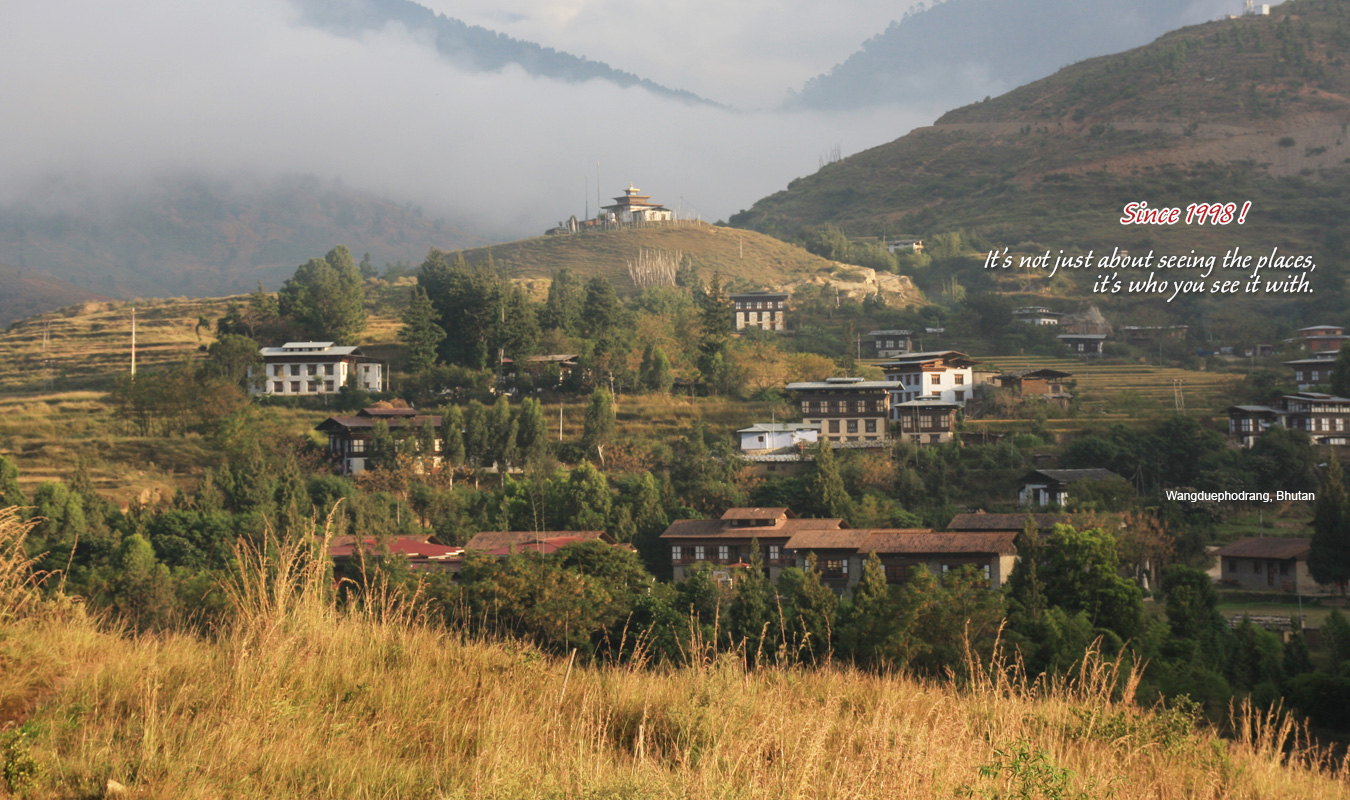
Bhutan Village Tour
Western Bhutan Villages 9 days
Experience Bhutan Village Life
Bhutan Village Tour is our sincere endeavor to offer an authentic glimpse into the heart of Bhutan, where time seems to have stood still. Immerse yourself in its rich culture, savor the local cuisine, connect with Bhutanese farmers, engage with families, children, monks, and nuns, and rejuvenate through the traditional stone bath experience.
Alongside, we ensure visits to key landmarks such as Dzongs, carefully curating the experience to strike a balance without overwhelming you with too many.
Drawing from years of experience and invaluable visitor feedback, we’ve crafted this “Bhutan Village Tour ” to provide a genuine Bhutanese encounter. It encapsulates all that makes our country appealing—warm and welcoming locals, breathtaking landscapes, and a thriving, proud culture.
Throughout this journey, Wind Horse is dedicated to showcasing the vibrant living traditions and their harmonious coexistence with modern elements. We aim to highlight the pristine environment and how culture, nature, and modern life seamlessly intertwine to cultivate happiness in a nation renowned for its Gross National Happiness index.
Join us on this 9-day Bhutan Village Tour to discover the countryside and experience the Bhutan village lifestyle.
Outline Itinerary
Day 1: Arrive in Paro
Meet & quick familiarization tour including a village visit in serene Paro.
Day 2 & 3: In Punakha/Wangdue
Travel across the Dochula Pass, and delve into village life in the valleys of Punakha and Wangdue. Additionally, explore the magnificent Punakha Dzong.
Day 4: Thimphu
Discover the vibrant market and key monuments in Bhutan’s capital.
Day 5 & Day 6: Haa Valley
Venture to the secluded Haa Valley, where you’ll embrace genuine village life. Connect with local families, savor indigenous cuisine, and unwind with a traditional stone bath.
Day 7: Haa – Paro
After crossing the Chelela Pass, you’ll visit the secluded nunnery dramatically clinging to a cliff, explore the Dzongdrakha cave temples and village, on your way back to Paro.
Day 8: In Paro
Embark on a hike to the iconic Taktsang Monastery (Tiger’s Nest).
Day 9: Departure
Contact us for a detailed day-by-day itinerary.
Activities: Walking Tours, Village Tours, Discovery
Trip highlights
- Unveil Bhutan’s essence through time, culture, and stunning landscapes on this enriching Village Tour.
- Authentic Village Life: Experience remote Bhutanese villages and connect with locals to witness genuine culture.
- Cultural Immersion: Engage with Buddhist temples, Dzongs, and locals to understand Bhutan’s rich heritage.
- Spectacular Scenery: Traverse pristine valleys, relish the awe-inspiring Himalayan panoramas as you journey through two high mountain passes, and wander amidst the unspoiled natural beauty.
- Pilgrimage to ‘Tiger’s Nest’: Trek to the iconic ‘Tiger’s Nest’ Monastery for a spiritual journey.
- Discover local myths, traditions, and legends shaping Bhutanese identity.
- Vibrant Markets: mmerse yourself in the lively ambiance of local markets, where you can discover one-of-a-kind crafts, delectable foods, and distinctive goods.
- Experience few nights of stay in a family-run comfortable lodges for an authentic experience.
Day by day
The full day-by-day itinerary.
Meals Lunch · Dinner
Today you will cross Docula pass 3150 m, Which separate Thimphu from Punakha Valley.
Meals Breakfast · Lunch · Dinner
Village visit in agrarian valley of Punakha.
Meals Breakfast · Lunch · Dinner
Meals Breakfast · Lunch · Dinner
The journey is scenic. A typical case, where journey is as beautiful as destination.
Meals Breakfast · Lunch
Try some culinary delights of Haa.
Meals Breakfast · Lunch · Dinner
Today you will cross the highest point in itinerary - Chelala Pass - 4000m.
Meals Breakfast · Lunch · Dinner
If you wish, instead of returning , you can go for 1 more hour of hike to visit Ugyem Tsehmo, Zandopeldri and retreat centre, following an old pilgrimage trail. It is located above the Taktsang monastery.
Meals Breakfast · Lunch · Dinner
Meals Breakfast · Lunch
9-day trip, from $2350 per person. Tell us your dates and group size and we will price it exactly.
Included
- Accommodations in listed hotels & lodges
- All meals, including evening tea/coffee etc through-out the tour in Bhutan.
- All land transfers, sightseeing with entrance fees.
- Experienced English Speaking Bhutanese Tour Guide.
- A Traditional Stone bath with treat to bhutanese Liquor.
- Tea and snacks during visits to local homes.
- Bottled water in the vehicle and other complimentary services.
- Bhutan visa processing and visa fees
- Daily SDF (Sustainable Dev. Fees)
Not included
- Flights into and out of Bhutan.
- Travel/Medical Insurance.
- Personal expenses such as bars, beverages in the hotel, telephone, laundry, trips, and others.
Hello Anand- We had an incredible trip with Sonam and Dawa and can't think of a single "low moment" !!!!! Sonam was so knowledgable about everything from the Buddhist religion to the birds of Bhutan. He and Dawa were so respectful and conscious of our needs and abilities the entire trip. Every day was a wonderful experience. We cherish our…
Dear Anand - Our trip to Bhutan was FABULOUS. We can't stop talking about it with all of our family and friends. Bhutan is a magical country. All of our living arrangements were marvellous (especially in Thimbu). We absolutely LOVED our guide, Penjor and our driver, Arum. We have traveled extensively all over the world, but we have never had…
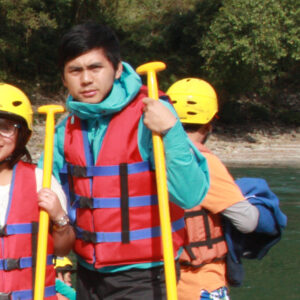
Pema Dhendup
Pema Dhendup is the one among the few young guns at Wind Horse Tour, Bhutan. He possess an infectious smile and exuberance that rub off to child and old alike. Unwarily, he has a mature head on his young shoulder and it is most conspicuous when he is among guests,…
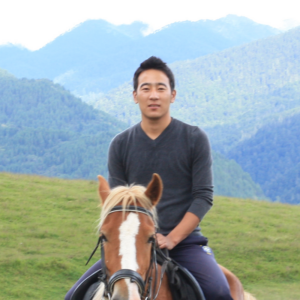
Namgay
Guide - Culture, Trek & Nature Growth in Tourism in Bhutan has also its share of impact on young minds. With tourists freely moving around, the curiosities to know them, talk to them holds ground firmly on young minds . Namgay is one among many youth whose imagination was captured…
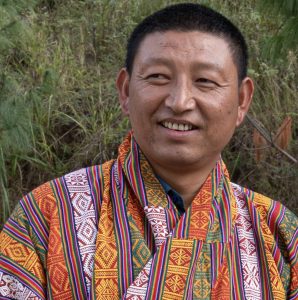
Yonten Phuntsho
Yonten Phuntsho is one of our senior most guide. And well versed on his business. Initially, he conceded an impression of a man of a few words but I was in for surprise with the knowledge of his job, great sense of humour and congenial personality- simply one cannot judge…
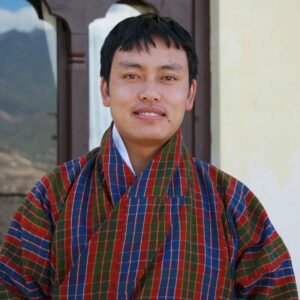
Sonam Pelden
Sonam Palden is smitten by games most notably national sports of Bhutan- Archery. While growing up in beautiful Ura valley in Bumthang, unlike other kid, he played with traditional traditional bows and arrows. He completed his class 12 from Punakha in 2003. Subsequently he pursued his passion for five years…
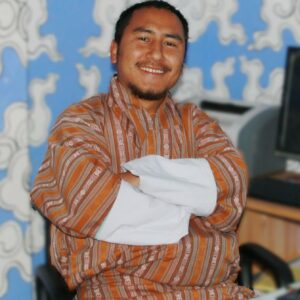
Sonam Loday
A good sense of humour is the currency that prevail everywhere regardless of the time or circumstances. An asset that that has potential to make even the ordinary trip into extraordinary. Sonam Loday has this traits in abundance. This is intrinsic and come as naturally as bees to the flower.…
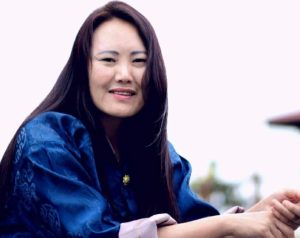
Kuenzang
Predominatingly, tour executive or guide as a career option was a male dominated domain. However since last 2 decades, the girls have been foraying into this arena, maintaining a finer balance. Also it is seen that women principally specialises in culture and nature. However a few are venturing into rugged,…
- Best Months — March, April, October, November
- Good Months — January, February, May, September, December
- Lean Months — June, July, August
What travelers most often ask us before a trip to Bhutan.
Are monument and park entrance fees included in my trip?
No. Since the 2023 policy update, the entry fees are not included and are in addition to the daily SDF (Sustainable Development Fee), you will need to pay for these tickets separately at each location, or your tour operator (like Wind Horse) can include them as a pre-paid “service” in your tour package.
Most Dzongs & Museums charge Nu. 500, with Takstang @1000/
For details on the latest entry fees to the monuments, parks, and attractions, visit Bhutan Entrance fees:
Yes, flights to Bhutan can be affected by weather conditions. Paro Airport is located in a narrow valley and requires visual flying conditions, meaning flights operate only during daylight hours and in suitable weather.
During the monsoon season (June–September), low clouds, rain, or reduced visibility may cause short delays or, in rare cases, cancellations. In winter, early-morning fog can sometimes delay departures. However, Bhutan’s airlines are highly experienced in operating in these conditions, without compromising the safety.
When disruptions occur, airlines usually reschedule flights for the next available weather window. We recommend allowing some buffer time at the start or end of your trip and having flexible onward travel plans.
Wind Horse closely monitors flight operations and assists guests with rebooking and logistics if weather-related changes arise.
Bhutan’s official currency is the Bhutanese Ngultrum (BTN), which is pegged 1:1 with the Indian Rupee, so the two currencies are equal in value. Indian Rupees are accepted in Bhutan.
Yes. Bhutan is considered one of the safest countries in the world for travelers, including solo travelers and solo women travelers. Crime rates are very low, violent crime is rare, and Bhutanese society places a strong emphasis on respect, community, and hospitality.
Solo women travelers generally feel comfortable traveling in Bhutan. Harassment is uncommon, and locals are welcoming and helpful.
When traveling on guided tours or treks, you are accompanied by licensed guides and drivers, which adds an extra layer of safety and support.
As with travel anywhere, we recommend using common sense—being aware of your surroundings, dressing modestly, and following local customs. With these basic precautions, Bhutan is a relaxed, secure, and rewarding destination for solo travel.
The most popular times to visit Bhutan are spring (March–May) and autumn (late September–November), offering the best combination of weather, scenery, and cultural experiences.
- Spring (March–May):
Ideal for nature lovers, with valleys alive with blooming rhododendrons and wildflowers. Temperatures are mild, making it a great season for sightseeing and moderate trekking. - Autumn (late September–November):
Known for the clearest Himalayan views, crisp air, and deep blue skies. This is also the peak season for major festivals (Tshechus) and high-altitude trekking. - Winter (December–February):
An off-peak season with cold nights and early mornings, but generally clear, sunny days and stable weather. Snowfall is mostly limited to high mountain passes. While not suitable for high-altitude treks, winter is ideal for cultural tours and walks in lower valleys and subtropical forests. As most towns and villages in the eastern Bhutan and southern Bhutan are located at lower elevation, winter is best time to visit them. - Summer (June–August):
Warm and pleasant, with occasional monsoon rains, mostly in the evenings or at night. The countryside is lush and green, crowds are fewer, and low-season rates are available.
Independent trekking is not permitted in Bhutan. All trekkers must be accompanied by a licensed Bhutanese guide and a support team, where camp and food arrangements in needed.
Some trekking areas require National Park permits and some even need military clearance and those are not issued without the local tour operator’s undertaking and the presence of guides on the trails.
No. Indian citizens with Indian passport or valid travel document such as Voter IDs do not require a visa to enter Bhutan. However, an Entry Permit is mandatory.