
Hi, Anand - I wanted to take a moment to share my sincere thanks, and the thanks for my wife, Dexter, for an amazing Bhutan experience. We can't say enough positive things about how well it all went. We have had the good fortune of being able to do a lot of traveling over the years, and for both of…
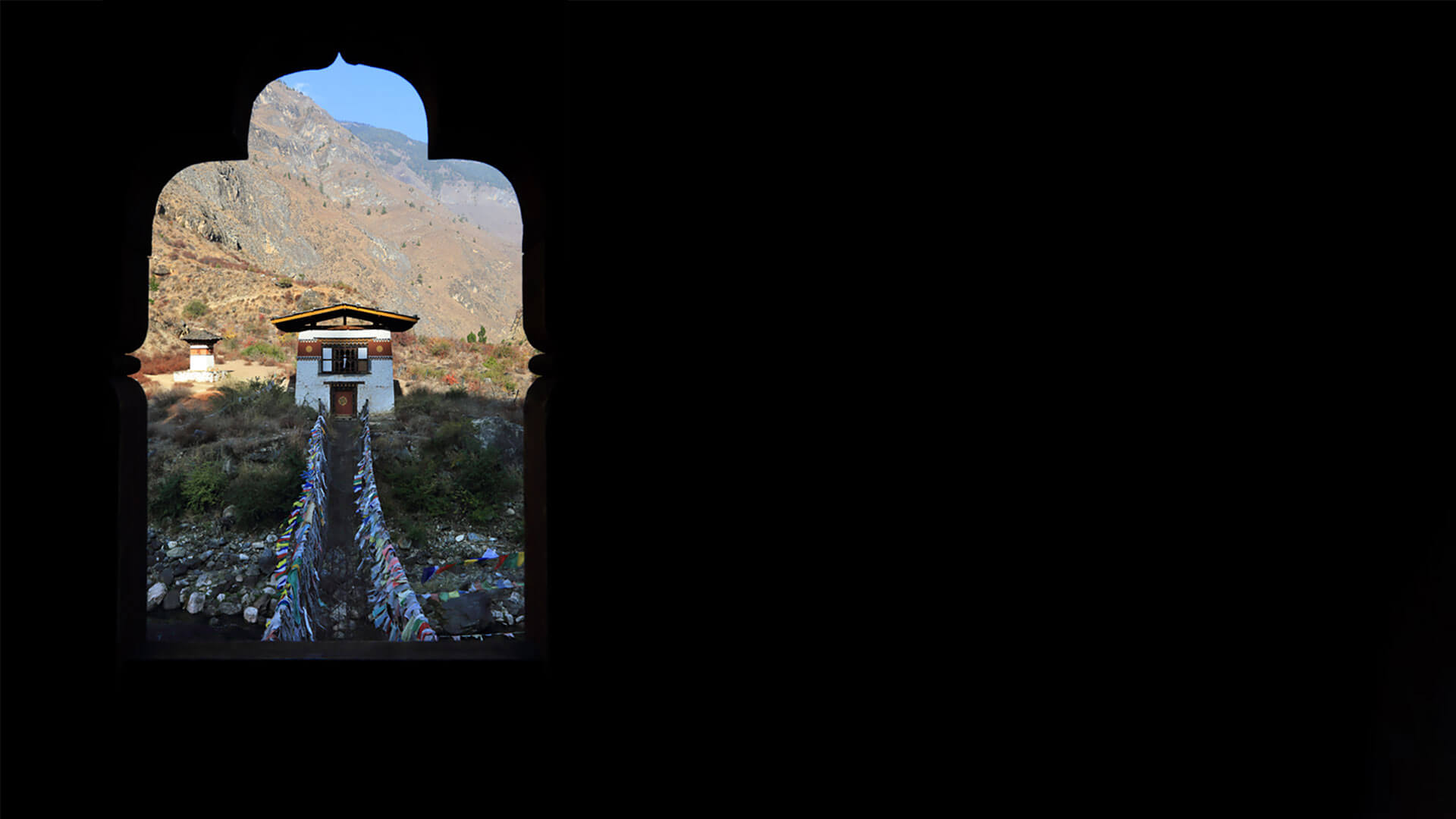
Window to Bhutan
7 days/ 6 nights Tour of Western Bhutan
Bhutan stirs a kaleidoscope of emotions in every traveler. This 7-day “Window to Bhutan” tour is a perfect trip that introduces you to the three western valleys of Thimphu, Punakha, and Paro, each offering its own charm, culture, and landscapes.
In Thimphu, experience Bhutan’s vibrant capital where tradition meets modernity, from sacred monuments to local crafts. Travel on to Punakha, the fertile valley where the stunning Punakha Dzong stands at the confluence of two rivers, surrounded by rice fields and semi-subtropical vegetation. End your journey in Paro, home to serene temples, fertile farmland, and the legendary Tiger’s Nest Monastery, perched dramatically on a cliffside.
This Bhutan cultural tour goes beyond surface impressions and invites you to discover the kingdom’s living traditions, sacred monasteries, and awe-inspiring Himalayan beauty. With its well-paced itinerary, you’ll:
- Delve into Bhutan’s culture through monasteries, temples, and heritage sites.
- Visit iconic landmarks such as Punakha Dzong, Dochula Pass, and Tiger’s Nest Monastery.
- Journey through diverse landscapes from alpine passes to lush valleys and river gorges.
- Enjoy flexibility to adjust activities and explore at your own pace.
By the end of this 7-day Bhutan trip, you’ll be enchanted by the vibrancy of Thimphu, calmed by the serenity of Punakha, and captivated by the mystique of Paro.
Window to Bhutan Outline Itinerary
Day 1: Arrive Paro – Transfer to the capital and visit as time permits.
Day 2: Explore Thimphu Valley: Choice of visits can be tailored to interests.
Day 3: Thimphu – Cross Dochula Pass with panoramic Himalayan views and visit Punakha
Day 4: Explore Punakha & Wangdue and return to Paro for the night.
Day 5: Paro Valley tour, walks and village visits etc
Day 6: Hike to the iconic Tiger’s Nest, Bhutan’s most celebrated spiritual site or other options
Day 7: Departure
This 7-day journey is ideally paced to explore the three distinct valleys of Thimphu, Punakha, and Paro. It offers ample time to experience each valley’s cultural treasures, natural beauty, and historic landmarks without ever feeling rushed.
Flexibility & Customization – This Bhutan tour is fully customizable to suit your travel style. The itinerary can be adjusted or reordered based on your travel dates, seasonal highlights, flight arrival times, and personal interests. Whether you prefer a relaxed pace or want to maximize every moment, our guides will tailor the journey to you. For instance, if your flight arrives early on Day 1, we can head straight to Punakha, giving you two nights in each valley for a more immersive Bhutan experience.
Activities: Culture Tours
Trip highlights
- Thimphu – Explore the vibrant capital of Bhutan, where ancient traditions blend harmoniously with modernity. Visit the majestic Tashichho Dzong, the seat of government and monastic order. Discover Bhutanese culture at the National Memorial Chorten and Folk Heritage Museum.
- Cross the picturesque Dochula Pass for panoramic views of the Eastern Himalayas.
- Punakha – Journey to the ancient capital and witness the grand Punakha Dzong, a stunning architectural masterpiece. Visit Chimi Lhakhang temple, dedicated to the “Divine Madman” known for his unorthodox teachings. Immerse yourself in the tranquil beauty of Punakha valley with lush paddy fields and serene rivers.
- Paro – Visit the charming town known for traditional architecture. Explore the National Museum of Bhutan and Paro Dzong, an impressive fortress-monastery with Bhutanese design.
- Taktsang Monastery Hike – Experience an exhilarating hike to the iconic Tiger’s Nest Monastery, perched on a cliffside, offering breathtaking views and a spiritual experience.
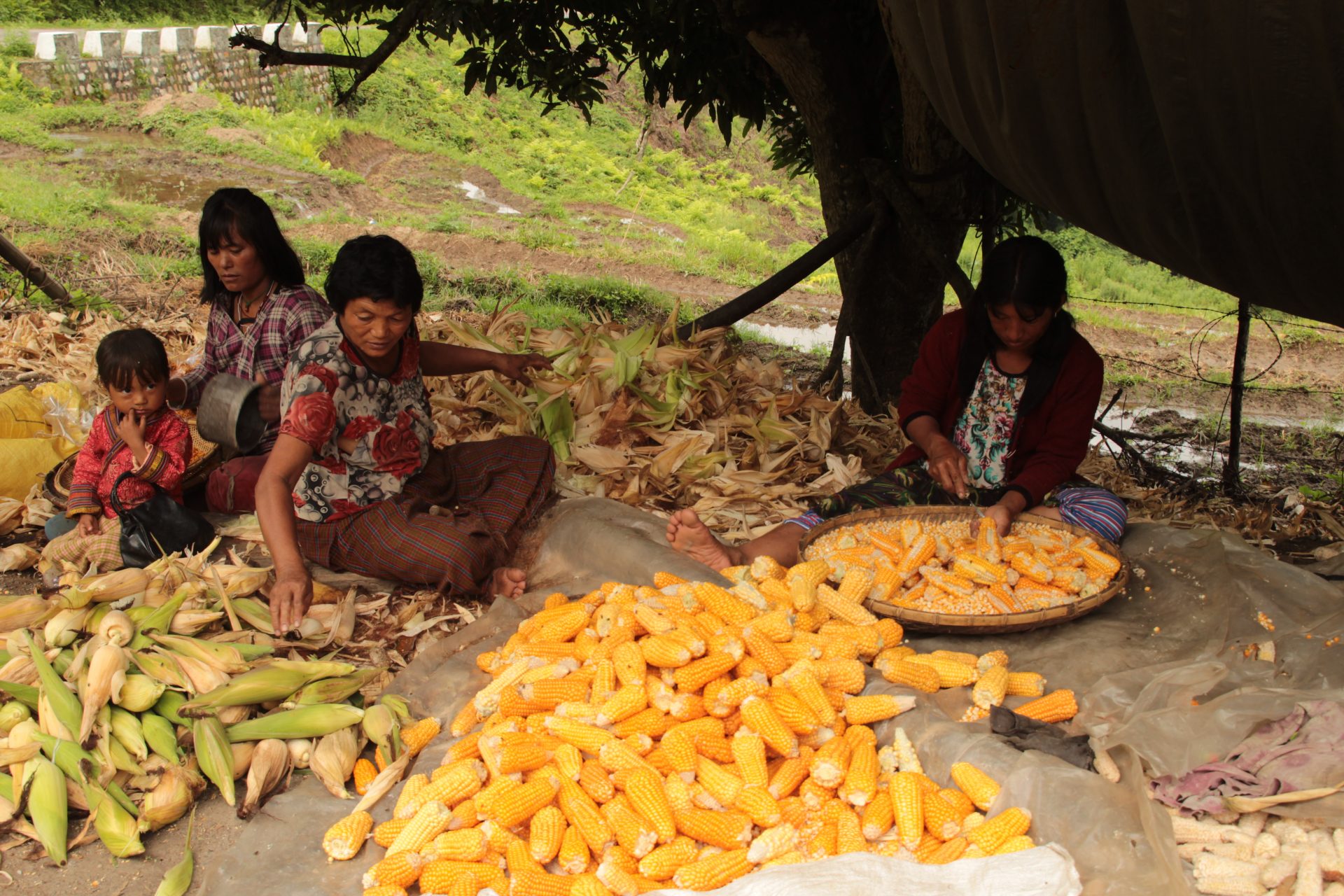
- Throughout the journey, interact with friendly locals, experience Bhutanese hospitality, and witness the rich cultural heritage. Enjoy colorful markets and visit local homes in traditional villages.
Day by day
The full day-by-day itinerary.
Arrive at Paro International Airport and transfer to Thimphu (approx. 1 hour). En route, enjoy scenic views of the valley and hills. Depending on your arrival time, visit Tashichho Dzong, the government and religious center of Bhutan, and the Memorial Chorten, a spiritual landmark honoring the Third King.
Later, take a relaxed stroll through Thimphu’s charming streets, soaking in the local ambiance.
Sightseeing will be adjusted based on your arrival time and interests—your guide will suggest more stops if you arrive early, or streamline the day if you arrive later.
Meals Lunch · Dinner
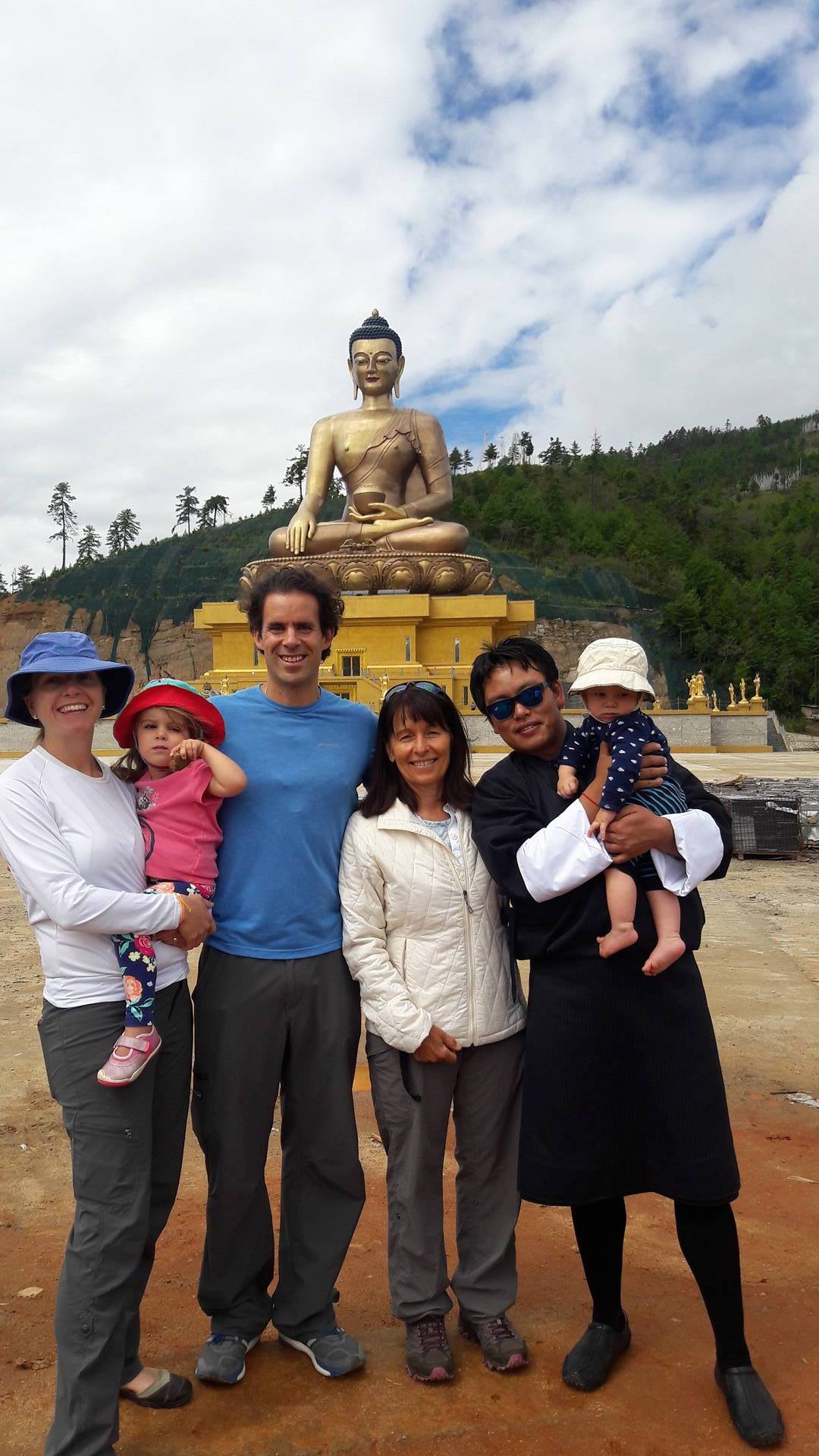
As Bhutan’s capital, Thimphu blends culture, spirituality, and modern life. Your guide will tailor the day to your interests, covering highlights such as the Buddha Dordenma, Painting School, Takin Preserve, Traditional Medicine Institute, Zilukha Nunnery, and the vibrant Centennial Market.
Optional stops include the Textile Museum, Crafts Market, or Paper Factory, plus quiet gardens and parks. In the evening, experience Thimphu’s lively cafés, pubs, or karaoke bars.
Meals Breakfast · Lunch · Dinner
The scenic drive from Thimphu to Punakha, crossing the breathtaking Dochula Pass, takes approximately 3 hours. As you depart Thimphu, the road ascends to Dochula pass (3,050m), offering splendid views of the eastern Himalayan peaks. Descending into the Wangdue/Punakha valley, you’ll notice the lower elevation (around 1450m above sea level) and enjoy the sub-tropical climate.
In the afternoon, visit the impressive Punakha Dzong, majestically located at the confluence of two rivers. Afterward, a short drive through the serene countryside leads us to a brief uphill walk to Khamsum Chorten on Nyenzangang hill. The vistas from this vantage point are truly awe-inspiring, showcasing terraced rice fields, traditional houses dotting the landscape, the meandering river, and the valley surrounded by majestic mountains.
In the evening, you can indulge in a leisurely walk along the riverside, and for an extra thrill, cross the very long suspension bridge located behind Punakha Dzong. The peaceful ambiance and stunning scenery will make this a memorable and relaxing way to end the day.
Meals Breakfast · Lunch · Dinner
After breakfast and checkout, begin your journey back toward Paro with enriching stops along the way.
Start with a short, enchanting walk through Rinchegang Village, where traditional houses and winding lanes offer a glimpse into daily Bhutanese life. From here, enjoy a striking view of the recently rebuilt Wangdue Dzong, rising proudly on a ridge after its restoration from fire.
Continue to the revered Chimi Lhakhang, also known as the Temple of Fertility, dedicated to Bhutan’s colorful saint, Drukpa Kunley—the “Divine Madman.” Famed for his unorthodox methods and witty teachings, his legacy still shapes Bhutanese folklore. Today, the temple is a place of pilgrimage, especially for couples seeking blessings for fertility.
In the afternoon, drive back across Dochula Pass, pausing once more to savor the Himalayan panoramas before descending into Thimphu and then Paro Valley.
For those who prefer more time on the trail, an alternative option is to skip Chimi Lhakhang and enjoy a scenic 3-hour hike from Dochula to Trashigang Monastery via Lungchuzekha Monastery. This beautiful walk, graded easy to moderate, winds through forests, ridges, and temples, immersing you in Bhutan’s pristine natural beauty.
You can decide about the hike or tailor your sightseeing of Punakha accordingly once you are in Bhutan
Meals Breakfast · Lunch · Dinner
Despite its proximity to the capital and Bhutan’s only international airport, Paro retains its rural charm. Dotted with traditional houses, lush rice fields, and meandering rivers, the valley radiates timeless beauty and tranquility. It is also one of Bhutan’s most spiritually significant regions, home to revered pilgrimage sites, ancient temples, and cultural landmarks.
Our exploration begins at the northern end of the valley with a visit to the historic Drugyal Dzong ruins, currently under restoration. Along the way, we’ll stop at the 7th-century Kichu Lhakhang, one of Bhutan’s oldest and most sacred temples.
Next, we’ll tour Ta Dzong, a former watchtower now housing the National Museum, before continuing to Rinpung Dzong, a grand fortress-monastery that serves as both an administrative and religious center. Crossing the traditional cantilever bridge, we’ll visit the lively vegetable market and enjoy a leisurely stroll through Paro town.
The day concludes with a visit to a traditional farmhouse, offering an authentic glimpse into Bhutanese rural life. Time permitting, we may also explore Dumtse Lhakhang, a temple celebrated for its intricate murals..
While this itinerary covers Paro’s main highlights, the valley has much more to offer—from the full-day hike to Chumphug Ney and visits to sacred monasteries like Tara, Drakarpo, and Dongkola, to local experiences such as hot stone baths, archery, or even a scenic mountain flight. If you’re staying longer, our guides will happily tailor the journey to match your interests and pace
Meals Breakfast · Lunch · Dinner
On your final day in Bhutan, conclude your adventure with a challenging yet rewarding hike to Bhutan’s crown jewel, the legendary Tiger’s Nest monastery, Taktsang.
The hike begins from the parking lot (2,600 meters), taking you through serene pine and oak forests adorned with colorful prayer flags. As you ascend, catch glimpses of the majestic Paro Valley unfolding below. After an initial ascent, you’ll reach a cafeteria area where you can take a short break and enjoy the spectacular view of Taktsang above.
Continuing on the trail, you’ll encounter prayer flags, prayer wheels, small shrines, and waterfalls, adding to the spiritual ambiance of the hike. As you get closer to Taktsang, the trail becomes more challenging, with
Today is a full-day adventure to Bhutan’s most iconic spiritual site, Taktsang Monastery (Tiger’s Nest). Perched dramatically on a cliffside at 3,120m, this legendary monastery is where Guru Rinpoche is said to have meditated, introducing Buddhism to Bhutan. The hike winds through pine forests, shrines, prayer flags, and waterfalls, offering breathtaking views at every turn.
The trail is moderate to challenging, taking about 4–5 hours round trip, with plenty of opportunities to rest and enjoy the scenery. Upon reaching the monastery, explore its sacred temples, chapels, and meditation caves, and absorb the serene spiritual atmosphere of this extraordinary site.
For those who prefer not to hike, there are alternative sightseeing options in Paro Valley. Additionally, one can hire a horse to take them partway up the trail, reaching the first viewpoint near the cafeteria, which provides stunning views without the full climb.
After descending, return to Paro town to rest, or enjoy other experiences based on your interests.
For avid hikers seeking an extra adventure, we can take you further uphill from Taktsang to Ugyen Tsemo, passing through Zangdopelri. Instead of retracing the same path, we'll take you to the temple located on the opposite side of Taktsang, which is not accessible from the front. This thrilling detour will add an additional 2 hours to your hike, offering a unique and rewarding experience
Meals Breakfast · Lunch · Dinner
After breakfast, transfer to Paro Airport for your onward flight. If your flight is later in the day, additional sightseeing can be arranged.
Supposedly, if your flight is in afternoon, we can make morning hours useful by visiting Paro valley such as Dzongdrakha Cliff temple.
Meals Breakfast
7-day trip, from $1450 per person. Tell us your dates and group size and we will price it exactly.
Included
- Accommodations in listed hotels
- All meals
- All land transfers by private vehicle (SUV)
- Sightseeing with entrance fees
- English speaking Guide
- Bhutan Visa processing and visa fees.
- A bottled water in the vehicle
- SDF as listed separately
Not included
- Flights
- Travel Insurance
- Personal Expenses such as souvenirs, additional meals, snacks, alcoholic beverages, laundry, and tips or other gratuities to the Guides and staffs.
Bhutan had been on our bucket list for a very long time and is one of the most beautiful countries that my husband and I have visited. The final part of the flight over the Himalayas and descending into Bhutan was breathtaking. The temples and Dzongs are beautiful, the scenery is spectacular and lush with the rice fields and the…
We booked a tour with windhorse to get around Bhutan, especially Paro valley. My dad and I had a great time. Wangchuk our tour guide took very well care of us and we enjoyed our hikes and temple visits. Worth mentioning is definitely our driver as well, Gembo, who perfectly safe drove us around. Hotels and food were great as…
Sonam Pelden
Sonam Palden is smitten by games most notably national sports of Bhutan- Archery. While growing up in beautiful Ura valley in Bumthang, unlike other kid, he played with traditional traditional bows and arrows. He completed his class 12 from Punakha in 2003. Subsequently he pursued his passion for five years…
Tashi Gyeltshen
Tashi Gyeltshen is like any boy next door. He hails from quaint village in Paro. His initialing school was in and around Paro districts. His love for nature was imbibed while growing up in the beautiful Paro valley and stayed strong till date His passion for studies took him to…
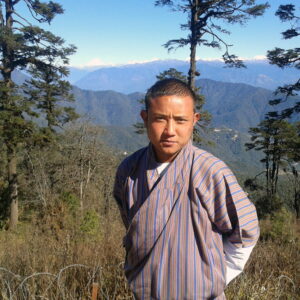
Yeshi Penjor
One of the guest fondly remarked " Yeshey Penjor may be short in stature but he walks real tall in term of dedication, knowledge and the way he carries and does his work" Except perhaps during the nightmare at night, he wear his smile almost all the time. His soft…
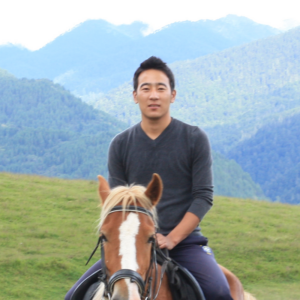
Namgay
Guide - Culture, Trek & Nature Growth in Tourism in Bhutan has also its share of impact on young minds. With tourists freely moving around, the curiosities to know them, talk to them holds ground firmly on young minds . Namgay is one among many youth whose imagination was captured…





- Best Months — March, April, May, October, November
- Good Months — January, February, September, December
- Lean Months — June, July, August
What travelers most often ask us before a trip to Bhutan.
Are monument and park entrance fees included in my trip?
No. Since the 2023 policy update, the entry fees are not included and are in addition to the daily SDF (Sustainable Development Fee), you will need to pay for these tickets separately at each location, or your tour operator (like Wind Horse) can include them as a pre-paid “service” in your tour package.
Most Dzongs & Museums charge Nu. 500, with Takstang @1000/
For details on the latest entry fees to the monuments, parks, and attractions, visit Bhutan Entrance fees:
Yes, flights to Bhutan can be affected by weather conditions. Paro Airport is located in a narrow valley and requires visual flying conditions, meaning flights operate only during daylight hours and in suitable weather.
During the monsoon season (June–September), low clouds, rain, or reduced visibility may cause short delays or, in rare cases, cancellations. In winter, early-morning fog can sometimes delay departures. However, Bhutan’s airlines are highly experienced in operating in these conditions, without compromising the safety.
When disruptions occur, airlines usually reschedule flights for the next available weather window. We recommend allowing some buffer time at the start or end of your trip and having flexible onward travel plans.
Wind Horse closely monitors flight operations and assists guests with rebooking and logistics if weather-related changes arise.
Bhutan’s official currency is the Bhutanese Ngultrum (BTN), which is pegged 1:1 with the Indian Rupee, so the two currencies are equal in value. Indian Rupees are accepted in Bhutan.
Yes. Bhutan is considered one of the safest countries in the world for travelers, including solo travelers and solo women travelers. Crime rates are very low, violent crime is rare, and Bhutanese society places a strong emphasis on respect, community, and hospitality.
Solo women travelers generally feel comfortable traveling in Bhutan. Harassment is uncommon, and locals are welcoming and helpful.
When traveling on guided tours or treks, you are accompanied by licensed guides and drivers, which adds an extra layer of safety and support.
As with travel anywhere, we recommend using common sense—being aware of your surroundings, dressing modestly, and following local customs. With these basic precautions, Bhutan is a relaxed, secure, and rewarding destination for solo travel.
The most popular times to visit Bhutan are spring (March–May) and autumn (late September–November), offering the best combination of weather, scenery, and cultural experiences.
- Spring (March–May):
Ideal for nature lovers, with valleys alive with blooming rhododendrons and wildflowers. Temperatures are mild, making it a great season for sightseeing and moderate trekking. - Autumn (late September–November):
Known for the clearest Himalayan views, crisp air, and deep blue skies. This is also the peak season for major festivals (Tshechus) and high-altitude trekking. - Winter (December–February):
An off-peak season with cold nights and early mornings, but generally clear, sunny days and stable weather. Snowfall is mostly limited to high mountain passes. While not suitable for high-altitude treks, winter is ideal for cultural tours and walks in lower valleys and subtropical forests. As most towns and villages in the eastern Bhutan and southern Bhutan are located at lower elevation, winter is best time to visit them. - Summer (June–August):
Warm and pleasant, with occasional monsoon rains, mostly in the evenings or at night. The countryside is lush and green, crowds are fewer, and low-season rates are available.
Independent trekking is not permitted in Bhutan. All trekkers must be accompanied by a licensed Bhutanese guide and a support team, where camp and food arrangements in needed.
Some trekking areas require National Park permits and some even need military clearance and those are not issued without the local tour operator’s undertaking and the presence of guides on the trails.
No. Indian citizens with Indian passport or valid travel document such as Voter IDs do not require a visa to enter Bhutan. However, an Entry Permit is mandatory.