
All good. Yonten is a great guy and we enjoyed the time spent. the itinerary was kind of approximated but we managed to walk and see a lot. Great places. Thanks to all of you.

Masagang Laya Trek
Trek to the base of Masagang via Laya
Undoubtedly, the Masagang Laya Trek in Bhutan is altogether a different experience – pristine environs, surreal landscapes, distinct social & cultural parameters of Yak herder tribes, alpine lakes, etc. And if the trail happens to be less frequented by travellers by any standard, wholeheartedly, it adds a charm and affluence of its own. To conjure up a name for such a kind of existing trail, the Masagang Trek immediately rings a bell.
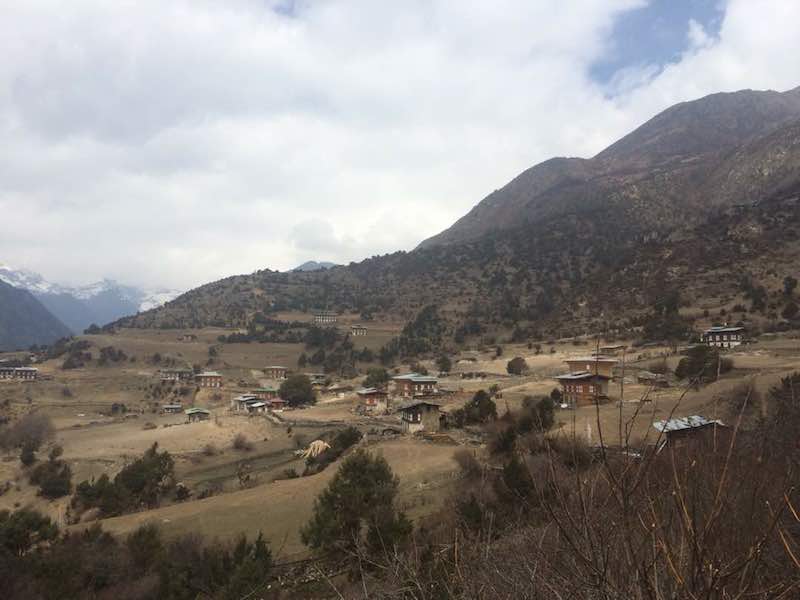
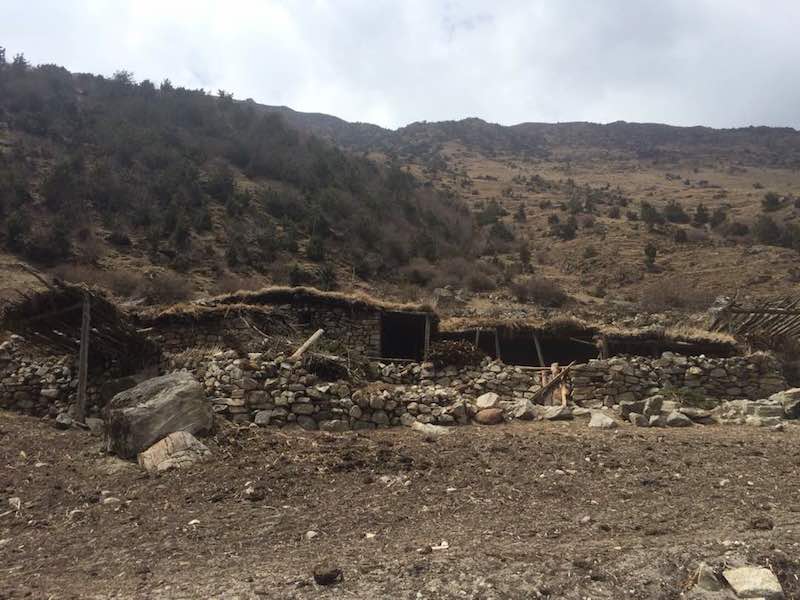
This itinerary takes a detour to Laya village, exposing unique social and cultural characters, adding depth to this trek with a social dimension through interaction with the Layap. Crossing an Army checkpoint that only reiterates its closeness to Tibet. And some scattered yet tranquil houses and Yak Herder makeshift or dilapidated huts all along the way.
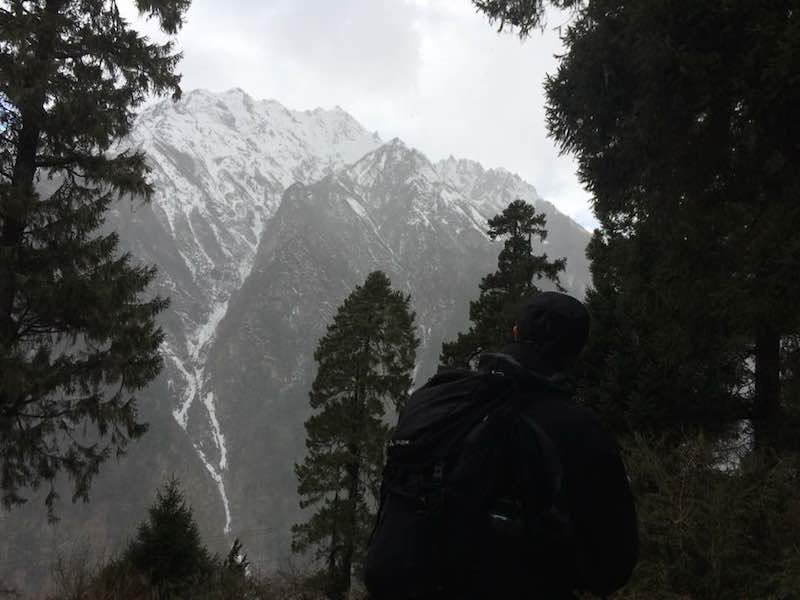
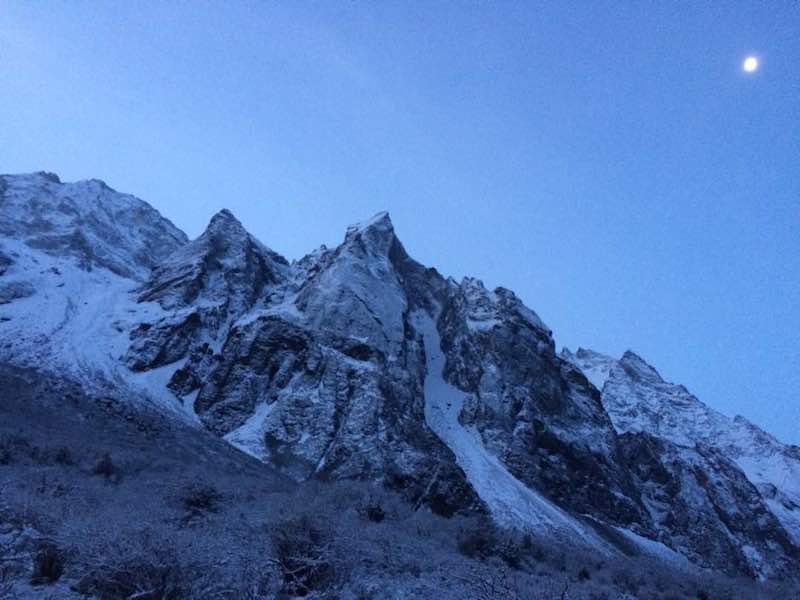
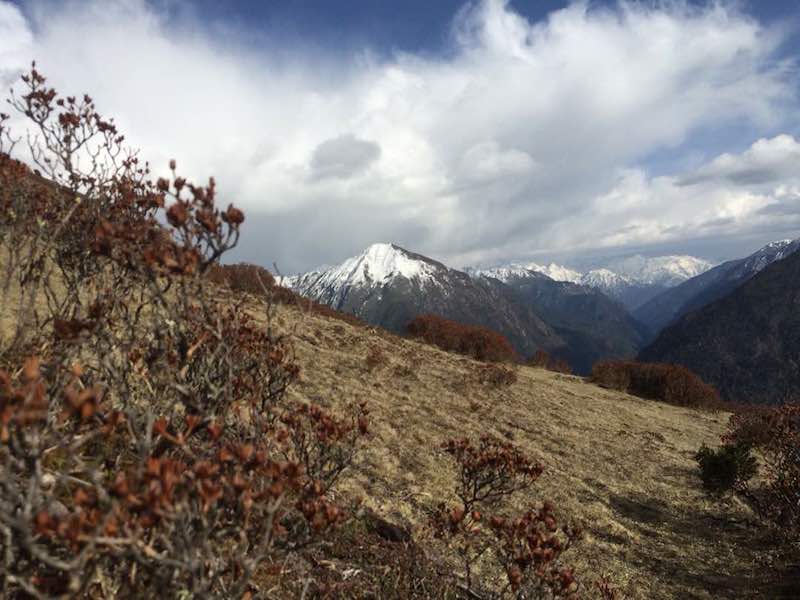
Finally, we opened up to the grandeur of Masagang and other peaks.
For locals, it has invariably drawn a sense of reverence and sacredness ingrained in its history and belief. For others, a sense of awe in nature, spirit, and character based on its sheer beauty and magnitude.
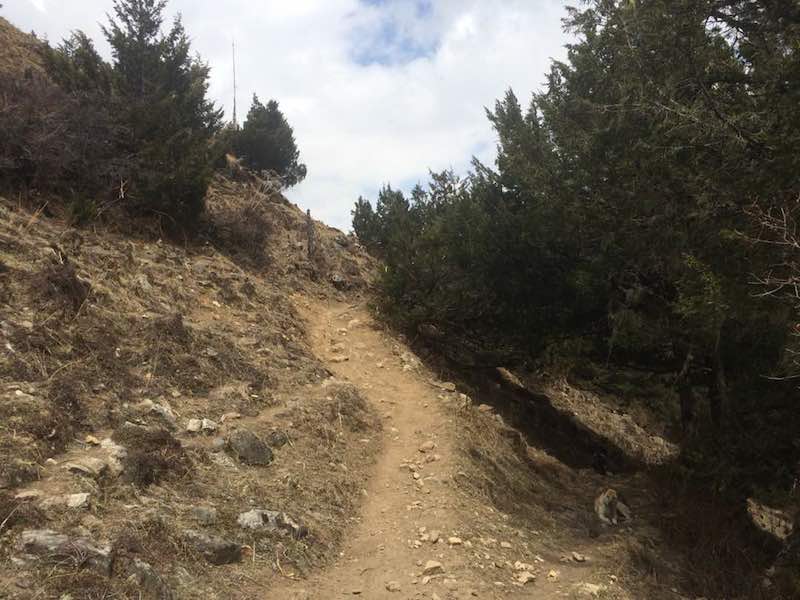
The trail is as old as time, largely without any footprint of visitors other than Yak Herders and a few locals. The trail is treaded upon by locals only, conserving its originality. Its nascent form, breathtaking landscape, local people, etc, in combination, make it one of the truly remarkable treks in Bhutan.
Masagang Laya Trek Outline Itinerary
Day 1: Arrive in Paro
Day 2 & 3: Drive to Punakha and another full day in Punakha
Day 4: Drive to Gasa (3hrs) and continue further along the dirt/new cut road to Taktsemakhang (Army Camp) which takes about 2-3hrs. Then hike for 1.5hr or 2hrs to Laya 3800m/12500ft). Options are now available to stay in an expensive Guest House or simple Farm House Home stay.
Days 5: Spend the day exploring Laya village and rest
Day 7 & 8: Trek to Lungo village and up to Kullu Khar & Nulithang
Day 9: Day to Explore Masagang and climb to higher to see Tsedagang Peak.
Day 10: Trek down from Nulithang- Takse Markham and may be even try to get to Gasa Hot Spring.
Day 11: Drive back through Punakha to Thimphu
Day 12: In the capital, Thimphu
Day 13: Drive to Paro and hike to Takstang (tigers nest monastery)
Day 14: Departure
Activities: Trekking, Village Tours
Trip highlights
- Moderately difficult high altitude trek into pristine, unspoiled area.
- Visit of remote highland villages of Laya and Lungo
- Great views of Masagang and Tsenda Kang peaks
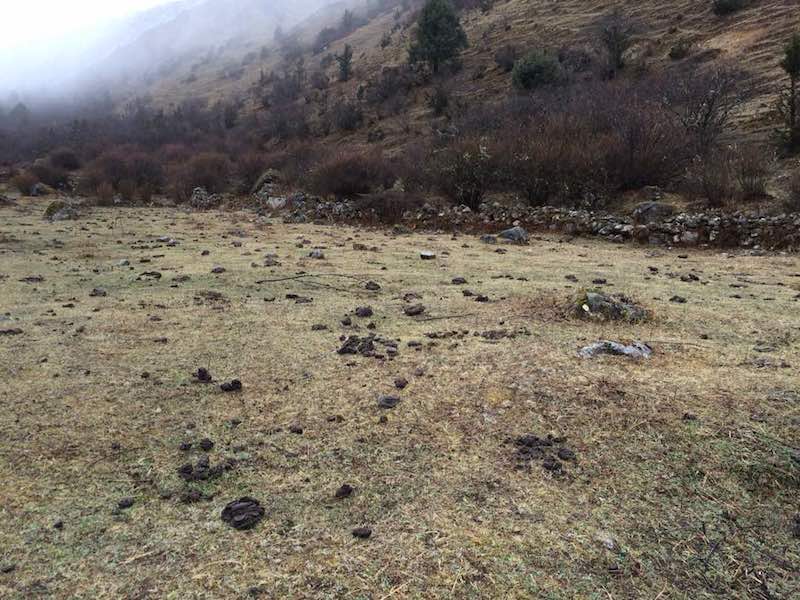
- Two nights in gorgeous Nullithang campsite
- See the highlights of Paro, Thimphu, Wangdue and Punakha
Included
- Daily SDF- tourist fees
- Bhutan visa and visa fees
- Accommodations in hotels (pleasant hotels 3-4 star type) during the tour and in tents during the trek.
- All meals
- All land transfers by private vehicle
- Sightseeing with entrance fees.
- Experienced English Speaking Bhutanese Tour Guide.
- Bottled water in the vehicle and other Comp. services.
During the trek:
Fully-serviced camping trek
Provided during the trek: tents (sleeping, dining Kitchen and toilet tents), trekking mattresses, small air pillow, Hot-water bag, Pressured Altitude Bag for altitude emergencies, Pack animals to carry luggage and additional riding pony for emergency. Basic Medical Kit. Trekking Guide, Cook and assistants accompany the group. All meals, beverages and snacks are provided.
Sleeping bag is available for nominal cleaning charges.
Also available to borrow for free: Walking Sticks (trekking poles), Umbrella/Pancho, Water Bottle
We are constantly upgrading our trekking equipment and gears, so you can be assured that you will receive the best and latest. We use the best sleeping tents available by brand such as Mountain handwear or Northface .
Not included
- Flights in and out of Bhutan.
- Personal trekking gears such as sleeping bag, clothing, shoes etc.
- Sleeping bags are available for small cleaning fee.
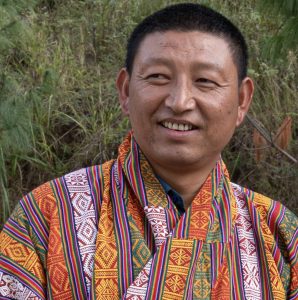
Yonten Phuntsho
Yonten Phuntsho is one of our senior most guide. And well versed on his business. Initially, he conceded an impression of a man of a few words but I was in for surprise with the knowledge of his job, great sense of humour and congenial personality- simply one cannot judge…
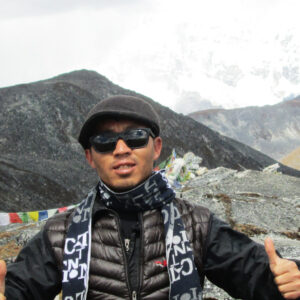
Pema Namgay
From the outset, Pema Namgyal knew what he wanted to do in life. He love to keep things simple. Right after finishing his Class 12 from school in Thimphu in 2004, he joined guiding course to aspire to be a guide. Initially he started as cultural guide but with time, he felt…
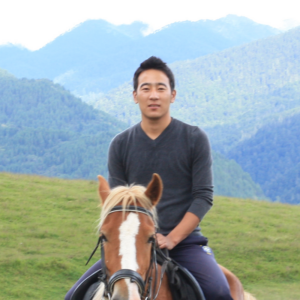
Namgay
Guide - Culture, Trek & Nature Growth in Tourism in Bhutan has also its share of impact on young minds. With tourists freely moving around, the curiosities to know them, talk to them holds ground firmly on young minds . Namgay is one among many youth whose imagination was captured…
- Best Months — April, May, October, November
- Good Months — March, June, September
- Lean Months — July, August
- Not Recommended Months — January, February, December
What travelers most often ask us before a trip to Bhutan.
Are monument and park entrance fees included in my trip?
No. Since the 2023 policy update, the entry fees are not included and are in addition to the daily SDF (Sustainable Development Fee), you will need to pay for these tickets separately at each location, or your tour operator (like Wind Horse) can include them as a pre-paid “service” in your tour package.
Most Dzongs & Museums charge Nu. 500, with Takstang @1000/
For details on the latest entry fees to the monuments, parks, and attractions, visit Bhutan Entrance fees:
Yes, flights to Bhutan can be affected by weather conditions. Paro Airport is located in a narrow valley and requires visual flying conditions, meaning flights operate only during daylight hours and in suitable weather.
During the monsoon season (June–September), low clouds, rain, or reduced visibility may cause short delays or, in rare cases, cancellations. In winter, early-morning fog can sometimes delay departures. However, Bhutan’s airlines are highly experienced in operating in these conditions, without compromising the safety.
When disruptions occur, airlines usually reschedule flights for the next available weather window. We recommend allowing some buffer time at the start or end of your trip and having flexible onward travel plans.
Wind Horse closely monitors flight operations and assists guests with rebooking and logistics if weather-related changes arise.
Bhutan’s official currency is the Bhutanese Ngultrum (BTN), which is pegged 1:1 with the Indian Rupee, so the two currencies are equal in value. Indian Rupees are accepted in Bhutan.
Yes. Bhutan is considered one of the safest countries in the world for travelers, including solo travelers and solo women travelers. Crime rates are very low, violent crime is rare, and Bhutanese society places a strong emphasis on respect, community, and hospitality.
Solo women travelers generally feel comfortable traveling in Bhutan. Harassment is uncommon, and locals are welcoming and helpful.
When traveling on guided tours or treks, you are accompanied by licensed guides and drivers, which adds an extra layer of safety and support.
As with travel anywhere, we recommend using common sense—being aware of your surroundings, dressing modestly, and following local customs. With these basic precautions, Bhutan is a relaxed, secure, and rewarding destination for solo travel.
The most popular times to visit Bhutan are spring (March–May) and autumn (late September–November), offering the best combination of weather, scenery, and cultural experiences.
- Spring (March–May):
Ideal for nature lovers, with valleys alive with blooming rhododendrons and wildflowers. Temperatures are mild, making it a great season for sightseeing and moderate trekking. - Autumn (late September–November):
Known for the clearest Himalayan views, crisp air, and deep blue skies. This is also the peak season for major festivals (Tshechus) and high-altitude trekking. - Winter (December–February):
An off-peak season with cold nights and early mornings, but generally clear, sunny days and stable weather. Snowfall is mostly limited to high mountain passes. While not suitable for high-altitude treks, winter is ideal for cultural tours and walks in lower valleys and subtropical forests. As most towns and villages in the eastern Bhutan and southern Bhutan are located at lower elevation, winter is best time to visit them. - Summer (June–August):
Warm and pleasant, with occasional monsoon rains, mostly in the evenings or at night. The countryside is lush and green, crowds are fewer, and low-season rates are available.
Independent trekking is not permitted in Bhutan. All trekkers must be accompanied by a licensed Bhutanese guide and a support team, where camp and food arrangements in needed.
Some trekking areas require National Park permits and some even need military clearance and those are not issued without the local tour operator’s undertaking and the presence of guides on the trails.
No. Indian citizens with Indian passport or valid travel document such as Voter IDs do not require a visa to enter Bhutan. However, an Entry Permit is mandatory.