
Its more than likely that it will remain open during the period unless the natural calamities. The main suspect is the landslide, which is prevalent during raining season. During this period, the chances of rain is slim.

Gyantse Horse Racing Festival Tour
An opportunity to witness Tibetan festival and culture.
This trip highlights two of the major festivals of Tibet, along with other traditional sightseeing. We will fly into Lhasa, the capital city of Tibet, where we will visit its highlights such as palaces of Dalai Lamas and major Gelugpa monasteries of Drepung and Sera. From Lhasa, we drive, following the bank of Yarlungdzangbo River (The Northern Friendship Highway) to Shigatse-Tibets second largest city where we will visit Tashilunbo Monastery and attend the Budha Unfolding Celebration. In this festival, immense silk appliqu Koku banners of Tusum Sangye, the Buddhas of the Three Times: (Opame-Amitabha Buddha, Shakyamuni Buddha and Gyelwa Jampa-the Maitryaa or Future Buddha) are displayed on three consecutive days at Tashi Lhunpo. Cham dances are performed in the monasterys lower courtyard. Lamas chant scriptures and prayers for rain and prosperity.
From Shigatse, we head east towards Gyantse, the third largest city of Tibet, Lhasa and Shigatse being the largest and second largest respectively, where we attend the Horse Racing Festival. Horse race and archery are popular events in Tibet, and Gyantse enjoys the prestige of being the earliest in history to start this festival in 1408. Contests in early times included horserace, archery, and Shooting on gallop followed by a few days’ entertainment or picnicking. Presently, ball games, track and field events, folk songs and dances, barter trade are in addition to the above.
From Gyantse, we drive along Southern Friendship Highway, along the banks of beautiful Yamdrok Tso Lake towards Tsedang-the gateway to the ancient Yarlung Valley Civilization. The drive involves motoring over two high passes that rewards us with spectacular views of the Himalayas, the Tibetan plateau and the lake.
With base in Tsedang, we visit the Samye Monastery-the first Buddhist Monastery of Tibet, ruins of Yambulakhang Palace-the first building of Tibet, the ancient Tradruk Temple and also take excursion of Chongye Valley where we will see the tombs of ancient Tibetan Kings. The trip concludes in Tsedang and you will be transferred to Lhasa airport for your flight to next destination.
In this trip, we will enjoy nature as well as religion and culture. We will see the white snow-peaks of the Himalayas, high barren Tibetan plateau, beautiful lake, temples and monasteries and attend the festivals with local Tibetans. We will have often opportunity to meet the locals and interact with them and peek into their lifestyles.
Outline Itinerary
Day 1: Arrival in Lhasa (D)
Upon arrival at Lhasa airport, we are met by your Tibetan Guide and driver and transferred to hotel in Lhasa City (1hr). Today, we take rest for acclimatization.
Overnight in Lhasa, Shambala Hotel.
Day 2: In Lhasa (B)
Full day sightseeing of Drepung Monastery and Sera Monastery.
Overnight in Lhasa, Shambala Hotel.
Day 3: In Lhasa (B)
Full day sightseeing of Potala Palace, Norbulingkha Monastery, Jorkhang Temple, Mentsekhang and Barkhor Street.
Overnight in Lhasa, Shambala Hotel.
Day 4: Drive to Shigatse (B) (5 hrs)
We follow the Northern Friendship Highway to Shigatse. Upon arrival, check in hotel and attend Buddha Unfolding Festival. From here on we are escorted to Tashilunbo Monastery to attend the festival.
Overnight in Shigatse, Hotel Manasarovar.
Day 5: In Shigatse (B)
We have a whole day here to attend the Buddha Unfolding Festival. Optional trips can be arranged if you do not want to be in the festival ground for all day.
Overnight in Shigatse, Hotel Manasarovar.
Day 6: Drive to Gyantse (B)
Attend the festival in the morning and afternoon, drive to Gyantse. About 13 miles from Gyantse, visit Shalu Monastery . We retrace drive to the Highway and continue to Gyantse-the least Chinese cities of Tibet.
Overnight in Gyantse, Gyantse Hotel.
Day 7: Drive to Tsedang (B)
Continue our drive through Southern Friendship Highway towards east. We drive along the bank of beautiful Yamdrok Tso Lake and enjoy the spectacular views of the Himalayas from the high passes of Karo La and Kamba Las. At Chusur, the road forks and the left branch go towards Lhasa while we continue on the right towards Tsedang.
Overnight in Tsedang, Yulong Holiday Hotel.
Day 8: Depart (B)
We are transferred to the airport for flight to our next destination.
Activities: Culture Tours, Festival Tours
Trip highlights
- Buddha Unfolding Festival of Shigatse and Horse Racing Festival of Gyantse.
- Dalai Lama’s palaces and major monasteries of central Tibet
- Yamdrok Tso Lake.
- High passes with spectacular views of the snow peaked mountains of the Himalayas.
8-day trip, from 1200 per person. Tell us your dates and group size and we will price it exactly.
Included
- All accommodation in standard hotel with 1 twin sharing room basis and breakfast inside hotel.
- 1 welcome dinner with Tibetan performance upon arrival in Lhasa.
- All transportations in Tibet by tourist standard vehicle
- English speaking Tibetan guide.
- Entrance fees for sightseeing in Tibet.
- All necessary Tibet Permits.
Not included
• Accommodation and services in gateway cities Beijing,Chengdu,Bangkok,Kathmandu.
• Airfares to Lhasa and return.
• Lunch and dinner.
• Expenses of personal nature such as drinks, tip, laundry, phone etc.
• Extra expenses due to nature and unforeseen events.
• Travel insurance and emergency medical evacuation expenses.
• International airfares.
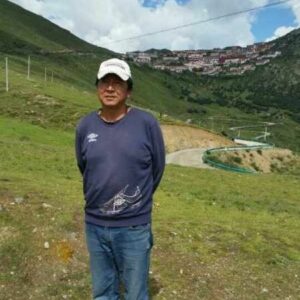
Tashi
Mr. Tashi is from the Amdo region of Tibet. Studied Tibetan Buddhism and English literature in Varanasi India from for 5 years. He speaks excellent English and some Hindi, and wonderful Mandarin Chinese. His passion for the scenery of his homeland has led him to deepen his knowledge of Tibet’s less traveled paths,…
What travelers most often ask us before a trip to Tibet.
Photography at the airports, bridge and government establishment is not allowed if posted. On violation of this rule, you may be penalized, your camera, film etc taken away. Some monasteries and temples will allow you to take pictures inside them and may demand fees for the same. Tibetans generally will not be pleased when you take picture of something that is held sacred, including those inside the temples or monasteries.
As there are discounts for children traveling in Tibet, it needn’t break the bank if you bring kids along. They may become bored, however, with long, monotonous drives, few hotels with TV and little other ‘entertainment’ available. On the other hand, they will be immediately accepted by local kids and their families, and they could make many new friends. Wind Horse can make nanny and other baby sitting arrangements at a reasonable cost. However, because of the high altitude of Tibet, parents are requested to consult the pediatrician before they decide to take their children in the trip.
Wind Horse Tours feel honored to operate the trips of senior travelers. Hotels, guides and tour operators are all familiar with the needs of seniors and treat them with the traditional respect that the Tibetans have for their elders. The primary precaution one should take is to have an ample supply of any special medicines, since these probably will not be available in Tibet. There is no advantage to carrying any sort of senior identification in Tibet.
A cultural tour in Tibet is a challenge for a traveler with physical disabilities, but it can be made possible by Wind Horse Tours with planning. The Tibetans are eager to help, and Wind Horse Tours can arrange a strong companion to assist with moving about and getting in and out of vehicles. The roads are rough and sidewalks, where they exist, often have holes and sometimes steps. Hotels and public buildings do not have wheelchair access, and there are no toilets designed to accommodate wheel chairs.
Like most Asians, Tibetans believe that what one does in private is strictly a personal matter, and they would prefer not to discuss such issues. Public displays of affection are not appreciated and everyone, regardless of orientation, should exercise discretion.
Tibet prides itself on its lack of a class system and an absence of sexual discrimination. Tibetan women have the same rights as men, including rights to education, voting and holding positions in government. Women, both foreign and Tibetan are not subject to harassment and do not need to take any special precautions. Tibetans are more likely to help a woman in distress than a man. Young men have a reasonably liberated attitude towards their relations with women. There are several opportunities for misunderstanding if you don’t make your intentions clear from the very outset.