

Dear Kinga! Thank you for a fantastic time - 3 weeks! - in your beautiful country! You were the perfect guide for us and we equally enjoyed and learned from your knowledge about Mahayana and Tibetan Buddhism and your skill at identifying bird songs! You really went above and beyond the normal call of duty to help us out in everything…
Bhutan Birding Tour – across the kingdom
Bhutan Birding Tour
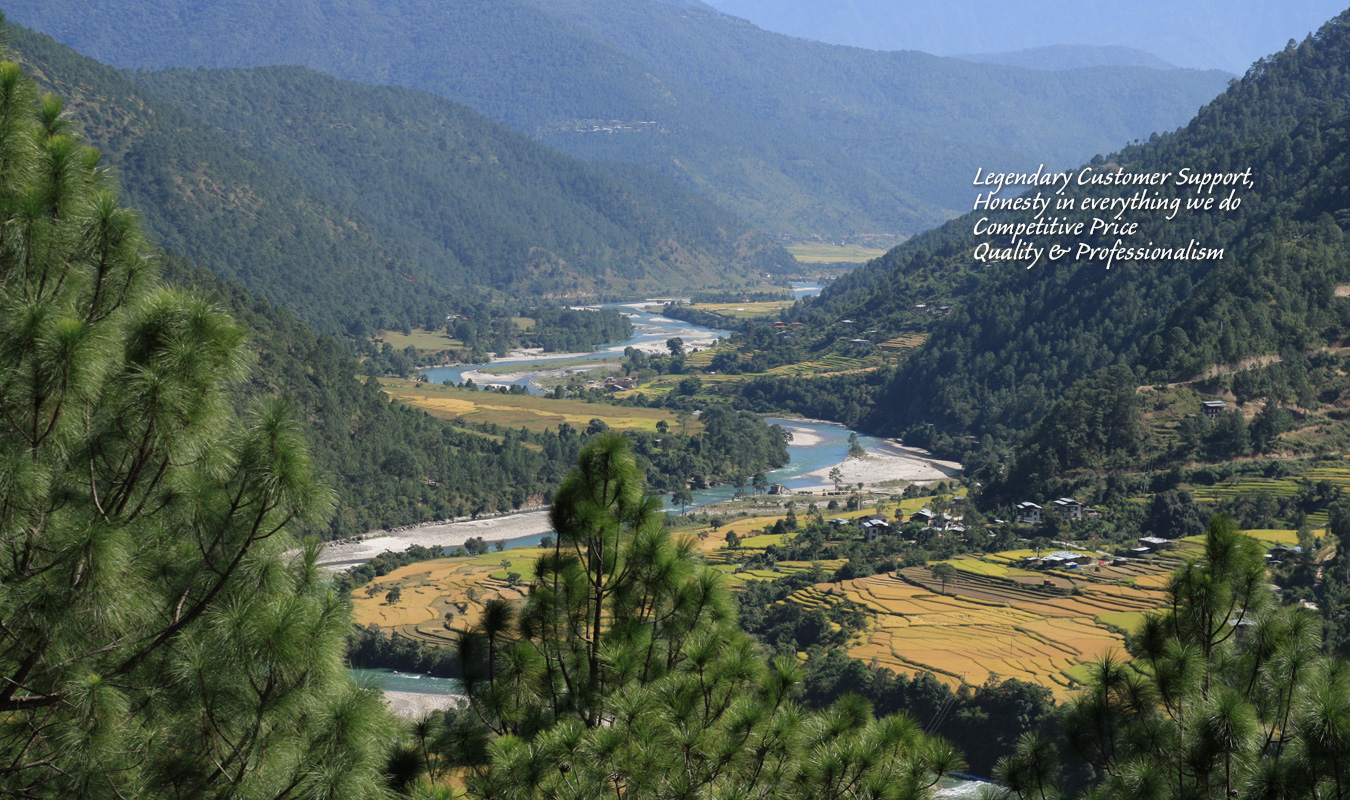
Bhutan has now opened its doors to visitors allowing us to travel through magnificent scenery with mighty Himalayan peaks towering in the distance, the mountain kingdom of Bhutan is unlike any other destination in the world with Bhutan Birding Tour.
The great mountain passes with fluttering prayer flags give way to vast countrysides often dominated by massive dzongs (temple-fortresses) serving as a central place of worship for the Buddhist religion that characterizes the country.
We will have an opportunity to visit several of these Dzongs, admire its traditional construction techniques and impressive artwork. Beginning in the west and we travel across the breadth of this remarkable country, on the only road traversing the country.
The birds and mammals are extravagant with a brilliant array of colors and seldom seen rarities including species that are unlikely to be seen outside of this pristine Kingdom including Himalayan Monal, Satyr Tragopan, Ward’s Trogon, Rufous-necked Hornbill, Beautiful Nuthatch, Golden Langur, Yellow-throated Marten and Serow.
As there are still very few hotels in Bhutan, our travels necessitate several nights of camping and many picnics. All this will be taken care of by our excellent ground crew. The experience is not only very comfortable, it also enable us to camp right at the spot of some of the best birding locations in the country.
Join us on this adventure wildlife tour in Bhutan through a paradise of culture, mammals, birds and scenic vistas as we explore the heavenly riches of Bhutan before it opens up to the general Public!
Bhutan Birding Tour Outline Itinerary
Day 1: Arrive Paro (L/D) Upon arrival in Paro airport, meet your guide and driver and transfer to the hotel nearby. After lunch birding along the riverbank of Paro Chu where we may see Ibis bill. They are found in this area throughout the year. Continue following Paro River towards Drukgyel Dzong, where we may find Black faced laughing thrush, brown dipper, spotted laughingthrush, Fire capped Tit, etc.
Overnight in hotel.
Day 2: Paro-Thimphu (B/L/D) Morning drive to Chele La Pass (3950M), which is about one and half hour – birding in mixed coniferous areas. It’s quite popular for spotting Kalij pheasant, Blood Pheasant, Himalayan monal, Satyr Tragopan etc. Later drive to Thimphu for little more than an hour. En-route you may see many Cormorants along the riverbanks.
Option: If you wish, you can visit Takstang by a day hike instead of above. Along the way to Takstang, you will also see some birds.
Overnight in hotel.
Day 3: Thimphu-Punakha(Tashithang) (B/L/D) In the morning, we drive up to spectacular Dochu La (3100M) with panoramic views of snowcapped peaks of eastern Himalayas. Explore mixed coniferous forests, rich and diverse in vegetation. In this area we may see Satyr Tragopan, Spotted Nutcracker, Large Hawk Cuckoo, Darjeeling Woodpecker, Yellow billed Magpie, Chestnut Tailed Minla, Collard Blackbird, Ultramarine Flycatcher, Brown Bullfinch, etc. In the afternoon, do some birding in upper Punakha valley. Punakha and Wangdue valley enjoys sub-tropical climate, with Punatsangchu river comprising of Phochu and Mochu rivers running through it. Tonight we will camp in the dense forest along the bank of Mochu river in upper Punakha.
Overnight in Camping (tent).
Day 4: Punakha (B/L/D) This morning, we will do birding in warm broad-leaved forest following the swift Mo Chu River. Here we will search for the localized White-bellied Heron, Great Barbet, Barred Cuckoo Dove, Magpie Robin, Green Magpie, Pallas’s Fish Eagle, Osprey, River Lapwing, Ruddy Shelduck, Eurasian Wigeon, Common Merganser, Pied Kingfisher, Red-vented Bulbul, etc.
Tonight spend the night in a hotel near Wangdue.
Day 5: Wangdue-Trongsa (B/L/D) (140Km) Drive to Trongsa through warm/cold broad-leaved forests. We will be crossing the Black Mountains range called as Pele La at 3400 meters . Some of the birds we will be looking out for are Scarlet Finch, Black Drongo, Chestnut bellied Nuthatch, Slaty backed Forktail, Gorgeted Flycatcher, White throated Laughingthrush, Eurasian Jay, Wedge Tailed Green Pigeon, Mountain Imperial Pigeon, Verditer Flycatcher, etc. Along the way, we may also take a excursion to Phobjikha valley during the period, when black-necked cranes are around.
Overnight in hotel.
Day 6: Trongsa-Shemgang-Tingtibi (B/L/D) (130 KM ) Located in central Bhutan, Trongsa is the site of one of the most magnificent Dzongs (Fortress) in the entire kingdom. Drive south and do some birding in Yeshi Zam, which is probably one of the best place for spotting Yellow-rumped honey guide. Along the way, we also look for Birds in cold broad-leaved forests. Beautiful Nuthatch are often seen about 5km from Shemgang.
Overnight camping in lovely campsite near Tingtibi.
Day 7: Shemgang /Tingtibi (B/L/D) In the morning, drive on Gongphu road. We do Birding in these rarely visited warm broad-leaved forests, where we might find such goodies as Ggolden langur, Yellow-throated martin, Giant squirrel etc. birds – Rufous-necked Hornbill, Blue throated bee-eater,Collared Falconet, Maroon Oriole, Racket tailed Drongo, Red headed Trogon, Grey Treepie, Grey Nightjar, Hill Prinia, Asian Emerald Cuckoo etc.
Overnight in Camping.
Day 8: Shemgang-Trongsa (B/L/D) ( 190 KM ) Retrace our drive back to Trongsa, birding along the way. Visit Trongsa Dzong, the largest in Bhutan and built in 1647 which houses the local administration and the Monastic body. Then visit Ta Dzong, an ancient watchtower that is converted to rich museum dedicated to the monarchs of Bhutan.
Overnight in hotel.
Day 9: Trongsa-Jakar (B/L/D) Drive to Bumthang, which takes about three-hours across Yotong La pass (3450M). On the way stop at Chume weaving centre, typical woolen product from Bumthang valley. En-route birding along in bamboo and coniferous forests. You may see Great Parrotbill, Fulvous Parrotbill, Black billed Magpie, Red billed Chough, Eurasian Hobby, White-winged Grosbeak, etc. Red Panda is sighted frequently along this road.
Overnight in hotel.
Day 10: Jakar-Yonkola (B/L/D) Today we have another spectacular drive to eastern Bhutan across Thrumshingla pass with ever changing landscape and vegetation as we drive past Thrumshingla National Park. Along the way, may see Beautiful Rosefinch, Gold-naped Finch, little Forktail, White capped Redstart, Chestnut bellied Rock Thrush, Coal Tit, Green-tailed Sunbird, Longtailed Minivet, etc. We also have good chances to come across Red Panda in dense bamboo forests between Ura and Thrumshing La.
Overnight in Camping.
Day 11: Yonkola (B/L/D) In the morning, return to Namling for birding in cold broad-leaved forests. These areas possess best-unexplored forest in Bhutan. You may see Ward’s Trogon, Satyr Tragopan, Grey chinned Minivet, Chestnut breasted Partridge, Striated Laughingthrush, Rufous-necked Hornbill.
Namling is considered one of the best birding in the entire Kingdom and bird lovers can spend weeks here.
Overnight in Camping.
Day 12: Yonkola-Mongar (B/L/D) Along the way to Mongar, in the subtropical forests of Lingmithang, we may see the Blue throated bee-eater, Maroon Oriole, Racket tailed Drongo, Red headed Trogon, Grey Treepie, Grey Nightjar, Hill Prinia, Asian Emerald Cuckoo, etc. In the evening stroll around the township of Mongar.
Overnight in hotel.
Day 13: Mongar-Trashigang (B/L/D) Along the way, we spend time birding, especially in the area between Korila pass and Ngatsang village. We also take a short excursion along the feeder-road for birding opportunities in Korila area. In the evening, stroll around Trashigang township and may be even visit its Dzong.
Overnight in simple hotel.
Day 14: Trashigang -Morong (B/L/D) Making our way south on a road that clings tightly to the cliff face, we will pass through amazing rhododendron forests and breathtaking scenery on a clear day, with a high probability of seeing rare birds like Beautiful Nuthatch, Rufous-Necked Hornbill and Sultan Tit.
Overnight in camping.
Day 15: Morong-Samdrup Jongkha (B/L/D) Continuing south into the warmer foothills, we have high probability of seeing rare birds such as Violet Cuckoo, Blyth’s Kingfisher and Dark rumped Swift.
Overnight in hotel.
Day 16: Samdrup Jongkhar-Guwahati(India)(B) Today we will bid farewell to the richess of Bhutan and drive to Guwahati – about three hours. As you travel through Assam, we are likely to come across small bazaars that cater to villagers. These are fascinating sight to villagers coming to buy /sell produce and daily needs.
End of services or Extension tour to Arunachal Pardesh. From Guwahati, you can fly back to Delhi/Kolkata/Bagdoga and connect with flight home from there or arrange interesting North East Tour.
Trip highlights
Birding, wildlife, nature & culture
16-day trip, from 3015 per person. Tell us your dates and group size and we will price it exactly.
Included
- Accommodations (6 nights camping/9 nights in hotel)
- All meals including some evening tea
- All transportation by good quality private vehicle depending on the size
- Entrance fees to the monuments
- English Speaking Guide with birding knowledge.
- Bhutan Visa fees, tourists fees (royalties)
- Travel permits etc
- Camping: Cook with equipments (tent/mattress, cooking equipments) will accompany through-out the trip.
Not included
- Travel /Medical Insurance
- Personal expenses such as bars, beverages, optional tips/gratuties
- All personal gears/clothing and sleeping bags.
- Flight ticket costs.
Dear Kinga/BirderGuru, Rosie and i would like to thank you so much again for making our visit to Bhutan so fantastic and special. We reflect on the time together with you, the things that we saw, the people we saw and met, the places we visited, the festivals we were so privileged to have attended, and all we learnt.....not to…
TID 134 Coates Birding Tour (October 24 - November 06 2008) Name of Tour Guide: Mr. Tashi and Name of Driver: Mr. Karma Please comment on the food, accommodation and the services rendered by the hotels/trekking crew. Accommodation much better than expected loved the hotel in Trongsa (in spite of the short power failure. Food gets bit monotonous after 10days,…
What travelers most often ask us before a trip to Bhutan.
Are monument and park entrance fees included in my trip?
No. Since the 2023 policy update, the entry fees are not included and are in addition to the daily SDF (Sustainable Development Fee), you will need to pay for these tickets separately at each location, or your tour operator (like Wind Horse) can include them as a pre-paid “service” in your tour package.
Most Dzongs & Museums charge Nu. 500, with Takstang @1000/
For details on the latest entry fees to the monuments, parks, and attractions, visit Bhutan Entrance fees:
Yes, flights to Bhutan can be affected by weather conditions. Paro Airport is located in a narrow valley and requires visual flying conditions, meaning flights operate only during daylight hours and in suitable weather.
During the monsoon season (June–September), low clouds, rain, or reduced visibility may cause short delays or, in rare cases, cancellations. In winter, early-morning fog can sometimes delay departures. However, Bhutan’s airlines are highly experienced in operating in these conditions, without compromising the safety.
When disruptions occur, airlines usually reschedule flights for the next available weather window. We recommend allowing some buffer time at the start or end of your trip and having flexible onward travel plans.
Wind Horse closely monitors flight operations and assists guests with rebooking and logistics if weather-related changes arise.
Bhutan’s official currency is the Bhutanese Ngultrum (BTN), which is pegged 1:1 with the Indian Rupee, so the two currencies are equal in value. Indian Rupees are accepted in Bhutan.
Yes. Bhutan is considered one of the safest countries in the world for travelers, including solo travelers and solo women travelers. Crime rates are very low, violent crime is rare, and Bhutanese society places a strong emphasis on respect, community, and hospitality.
Solo women travelers generally feel comfortable traveling in Bhutan. Harassment is uncommon, and locals are welcoming and helpful.
When traveling on guided tours or treks, you are accompanied by licensed guides and drivers, which adds an extra layer of safety and support.
As with travel anywhere, we recommend using common sense—being aware of your surroundings, dressing modestly, and following local customs. With these basic precautions, Bhutan is a relaxed, secure, and rewarding destination for solo travel.
The most popular times to visit Bhutan are spring (March–May) and autumn (late September–November), offering the best combination of weather, scenery, and cultural experiences.
- Spring (March–May):
Ideal for nature lovers, with valleys alive with blooming rhododendrons and wildflowers. Temperatures are mild, making it a great season for sightseeing and moderate trekking. - Autumn (late September–November):
Known for the clearest Himalayan views, crisp air, and deep blue skies. This is also the peak season for major festivals (Tshechus) and high-altitude trekking. - Winter (December–February):
An off-peak season with cold nights and early mornings, but generally clear, sunny days and stable weather. Snowfall is mostly limited to high mountain passes. While not suitable for high-altitude treks, winter is ideal for cultural tours and walks in lower valleys and subtropical forests. As most towns and villages in the eastern Bhutan and southern Bhutan are located at lower elevation, winter is best time to visit them. - Summer (June–August):
Warm and pleasant, with occasional monsoon rains, mostly in the evenings or at night. The countryside is lush and green, crowds are fewer, and low-season rates are available.
Independent trekking is not permitted in Bhutan. All trekkers must be accompanied by a licensed Bhutanese guide and a support team, where camp and food arrangements in needed.
Some trekking areas require National Park permits and some even need military clearance and those are not issued without the local tour operator’s undertaking and the presence of guides on the trails.
No. Indian citizens with Indian passport or valid travel document such as Voter IDs do not require a visa to enter Bhutan. However, an Entry Permit is mandatory.