
Bhutan (Bumthang Trek) Oct 2007 Dear Ugen, Lloyd, Gayle and I returned to Honolulu yesterday from our trip to Bhutan. We went to Anghor Wat for a few days after our trip to Bhutan ended. At your suggestion, we went to Anghor Wat after rather than before the Bhutan trip. The weather in Siem Reap was perfect. I wanted to…

Mountain Biking across Bhutan
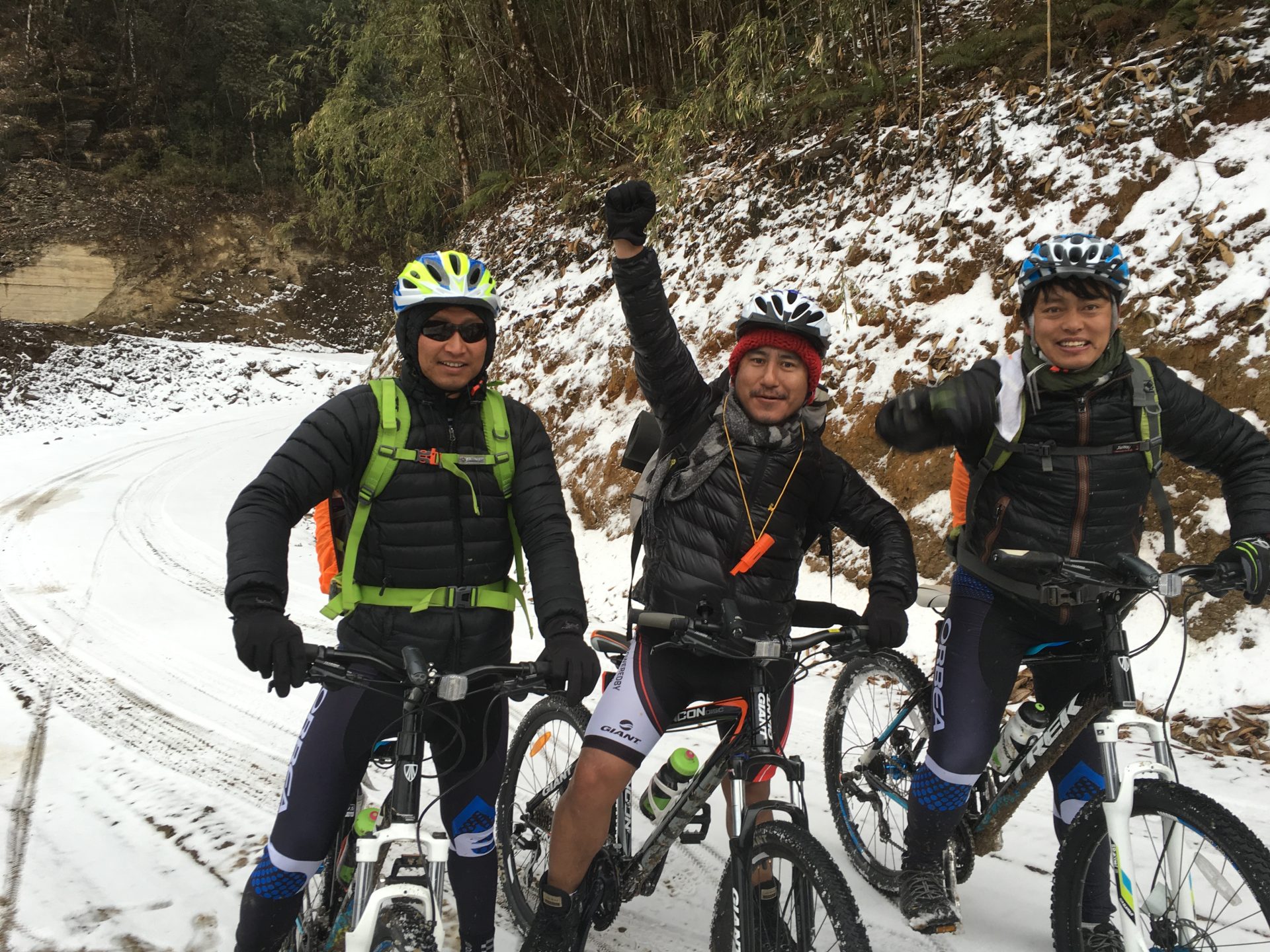
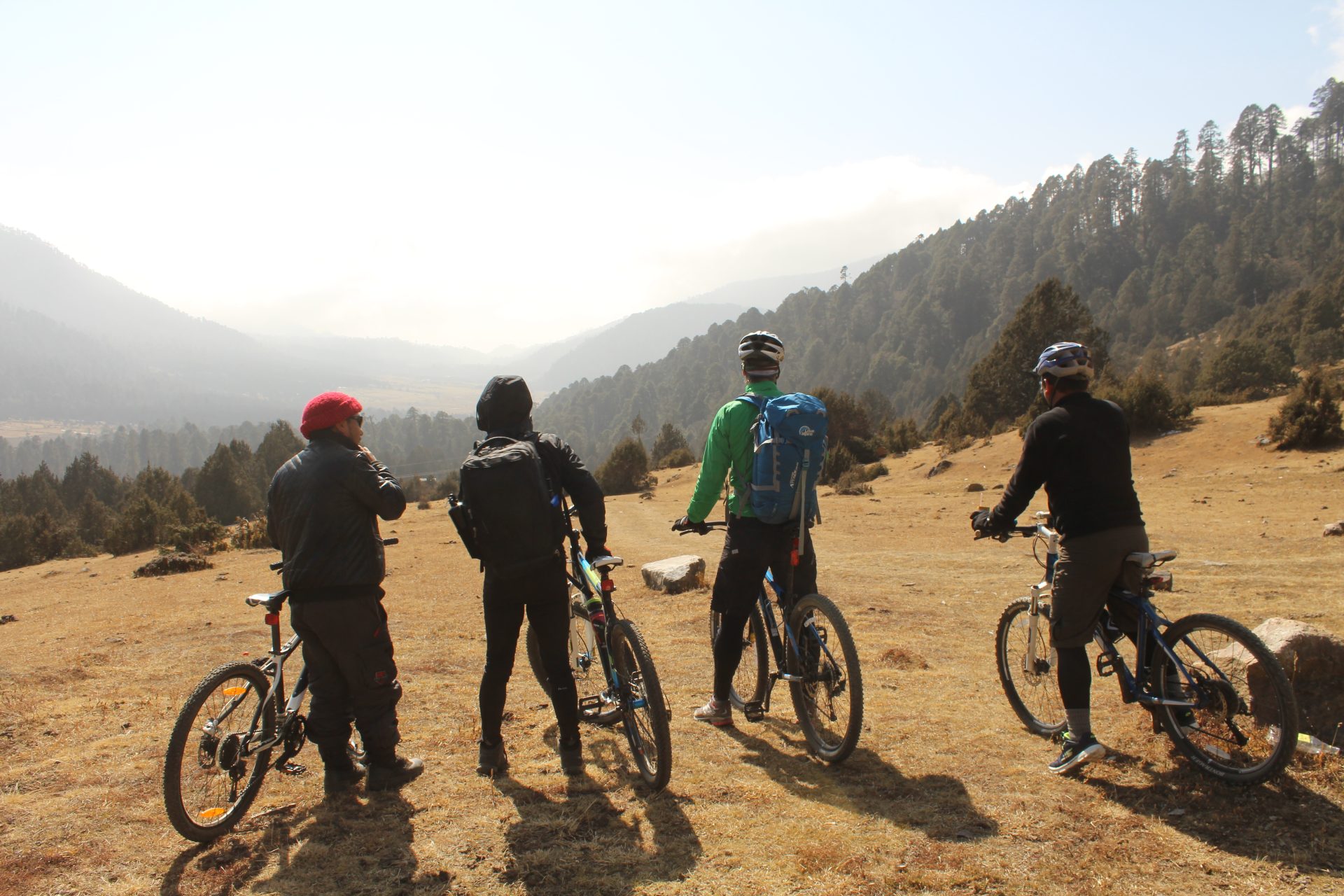
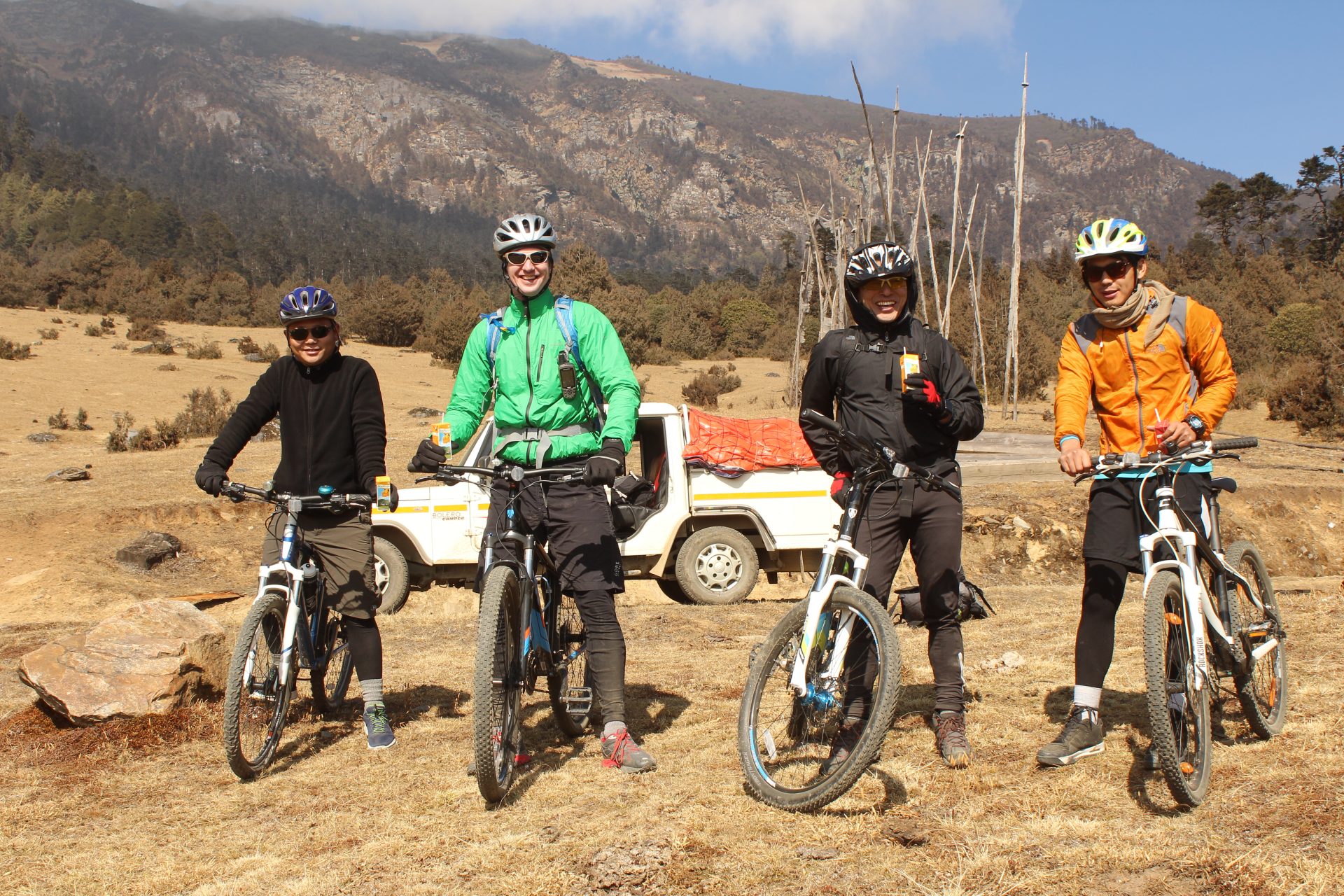
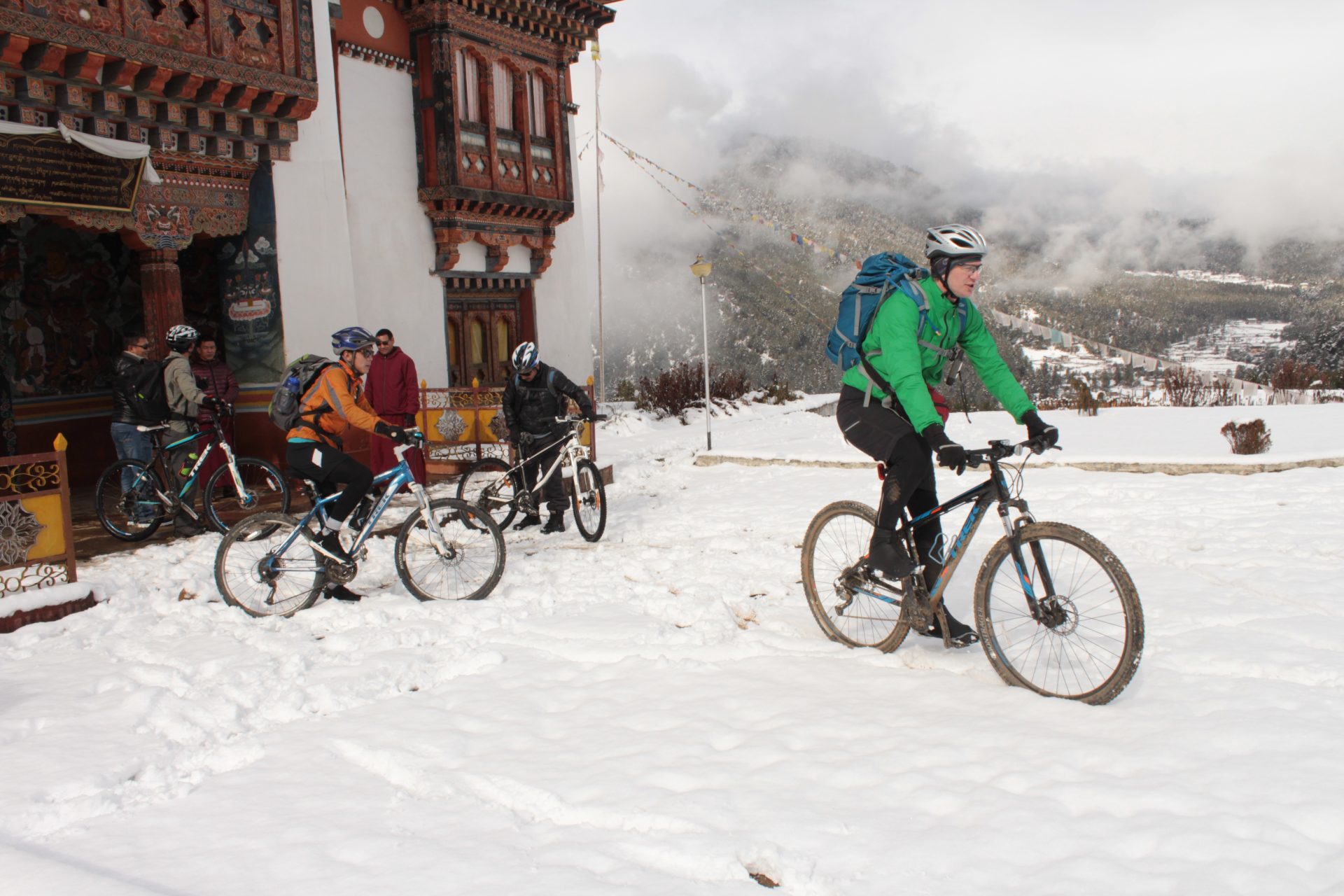
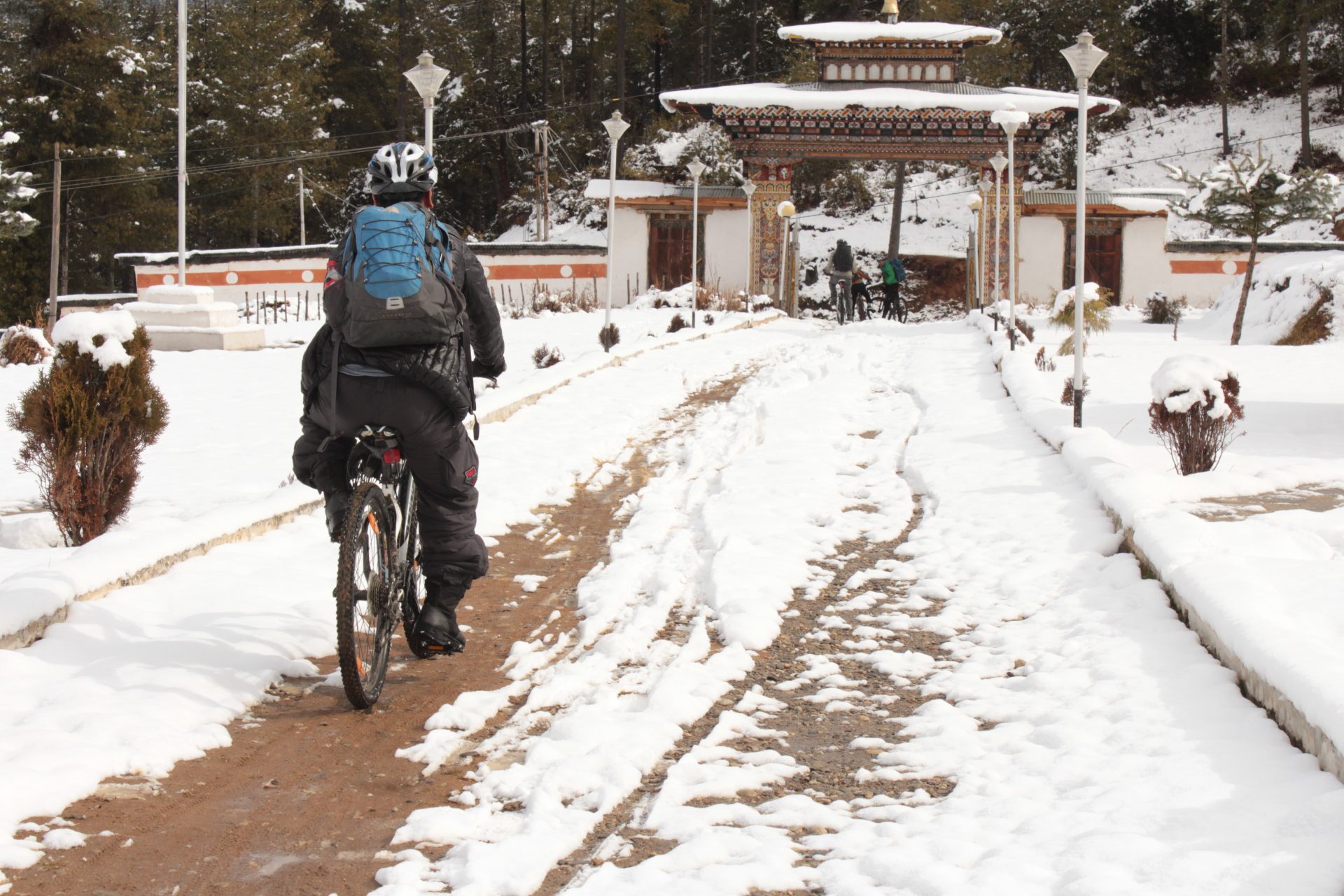
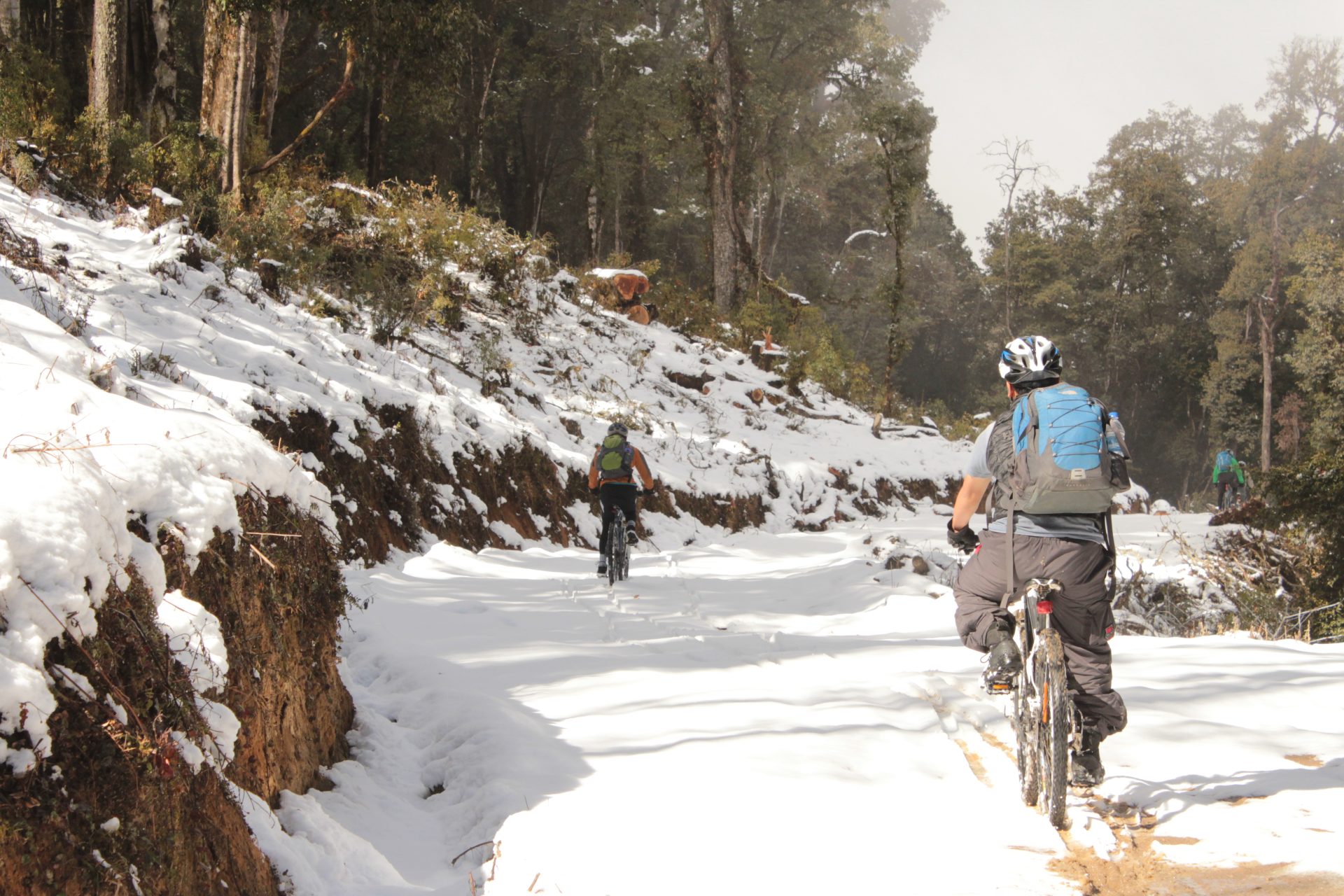
Mountain biking through low traffic areas or off road in the Country
Wind Horse biking tours will bring you to appreciate the country’s natural beauty and cultural wealth. Primary feature that augment well to make an ideal biking experience is Bhutan’s mountainous topography, offering varying degree of natural gradients. From challenging uphill ride to adrenaline rushing down hills to gentle ride in the valley, be it amateur or seasoned biker, it has all for everyone. In addition, it covers medieval and contemporary attractions and sights, tranquil and quaint villages, intact ecology and other natural landscapes.
Traversing the places, sights and topography that lies along the west –east highway (Approx. 600 km), throws challenges in varied forms such as battling a new mountain passes over 3000m everyday, maneuvering the dirt roads to reach some rural villages and farmhouses with the varying degree of gradients. However it makes lot easier with support vehicles at standby to forgo it at some places, if you wish.
You can bring your own bikes, pre-order and buy your bikes in Bhutan, or rent from us. Wind Horse along with our Guides keep and maintain several bikes. is backed by a support vehicle and tour Guide.
Although, the biking run is on the low traffic main roads but as much as possible we will take you to off roads that leads you to villages. Discover Bhutan’s varied attributes on your biking pace.
Outline Itinerary
Day 1: Arrive in Paro
Fly to Paro and transfer to the hotel. This afternoon inspect/ready your bikes and take some short hikes and visit National Museum and Rinphung Dzong per available time. Overnight in hotel.
Day 2: Paro Valley
Today, you will get ample opportunity to stretch your legs. We will mainly ride along the back road/ village road, which hardly see much vehicles. Visit the ruins of Drukyul Dzong, Kichu Temple, Dungtse Lhakhang and take up little challenges on the unpaved farm roads with some gradients to Dzongdrakha and so forth. Overnight in Paro.
Day 3: Hike to Takstang
In the morning, hike to iconic Taktsang. Upon return from the hike, continue riding in the valley and explore. Overnight in Paro
Day 4: Thimphu
After breakfast, 1hr drive takes us to capital Thimphu. Spend the morning visiting some of the main highlights and attractions of Thimphu. Thimphu has many short trails with great views. One option is to start from the Giant Buddha statue on Kuenselphodrang ridge and bike on the wide single path to Changangkha temple for 6-7km with view of Thimphu city. From here, we can continue uphill to Sangaygang View, Takin Preserve and bike downhill into the core city area. Overnight in hotel
Day 5: To Punakha & Wangduephodrang
Spend the morning in Thimphu, where we continue with sightseeing, before driving up to spectacular Dochula pass, where we arrive in time for lunch. Some people may like to bike downhill and others don’t like biking with motor vehicles speeding by. Visit Lamperi, a small natural Park below Dochula and drive/ride downhill into subtropical Punakha & Wangdue valley. Upon arrival, ride your bike to visit Chimi Lhakhang temple on the farm road, then bike for several miles along the road to your hotel.
Day 6: In Punakha & Wangdue
Spend a full day taking on some exciting rides into villages. Visit Punakha Dzong and cycle up the Mochu valley. Afternoon take a challenging ride through high forest path from Shengana towards Limukha valley and then ride downhill following the road to Khuruthang. Limukha is a small village in the rice fields located 1000m above the valley floor. Instead of Limukha, we could drive up to Talo and Nobgang and then cycle down following the
Day 7: Punakha – Trongsa
Drive till Pelala Pass (3220m). Then from the pass ride down hill, gradually loosing elevation past Rukubji village and then Nikachu (2700m). As you approach Chendebji at 2400m, the road become more level. You can continue riding bikes or just hop on the vehicle and drive to Trongsa (2000m). At Trongsa, visit the impressive Trongsa Dzong. Overnight in hotel.
Day 8: Trongsa – Jakar (Bumthang)
Road make a steep climb up for 30km or so to Yutong La pass (3320m). For those wishing to challenge oneself, this is one such opportunity. Ride downhill loosing 750m to valley of Chumey valley. From Chumey, it is another half hour or more drive to Jakar. Overnight in hotel.
Day 9: Jakar
There are many sights and attractions to visit in Jakar. Ride and visit these attractions like Tamsing Monastery, Jambay Lhakhang, Swiss Farm, nearby villages, local homes and many more. As it’s a flat valley there is hardly any varying gradient. Overnight in Hotel.
Day 10: Jakar to Ura
Today, the ride uphill till Ura pass or Sertangla pass gains approx. 900m in about 40km. From here there are two options to reach Ura. One following off road though shorter but its steep and rough. Other is new road but winding through step field and grazing land. Overnight in Guest House.
Day 11: Ura to Mongar
After a short descent, begin the climb to Thumsing La (3700m). The last ascent of about 9 kilometres is quite gradual and the scenery is stunning, as we pass through dense forest of conifer and rhododendron. This is our last high altitude pass. From the pass, we make a long descent on one of the most enjoyable and breathtakingly beautiful biking road in the world. The road plunges over 3000 metres to the valley floor at 600 metres. This descent is over 85KM and goes through dark conifers forests, and then a mixture of deciduous and conifer before entering the semi-tropical zone at an altitude of around 1500m. In some places the road is hewn out of the side of a cliff, and above a vertiginous drop. By the time you reach you reach Limithang, it would feel like you are in tropics. Then it is final 20kms uphill to Mongar, in the heat, that’ll sting you. But you can hop in the vehicle. (Most section will be covered by driving but you will ride about 4-5hrs today)
Day 12: Mongar to Trashigang
With a gradual climb up to the Kori La 2390 M (Gradient 4-6%). From here a stiff descent through long winding road takes us to the Sheri river. From here we further ride to Tashigang along side the Gamri River (4-5hrs ride and 1-2hr drive) Overnight at hotel.
Day 13: Day Excursion to Trashiyangtsi
The ride will be quite interesting as it passes through many local roadside villages and small settlements. En- route, visit Gom Kora Monastery and the village of Duksum. We will ride about 4hrs and cover rest by vehicle. From Yangtshi, drive back to Tashigang. Overnight in Tashigang Guest House.
Day 14: Trashigang – Samdrup Jongkhar (180kms)
For the most part today, we will be driving to cover the long distance but we will ride some interesting sections on the way. Overnight in best available hotel.
Day 15: Depart for Guwahati, Assam
Transfer to Guwahati airport, which takes about 3 hours. Wind Horse can also arrange interesting North East tour.
At Wind Horse , our Guides ride and maintain few bikes in the office that is available for hire at a negligible low cost. Our bikes are primarily Trek and Giant with Bike in varying heights. They all have 7 or more Shimino gears, adjustable shocks. Brand new bikes can be ordered and made available for pickup when you arrive. However for long distance ride like this one, we suggest bringing your own saddle, helmets and other gears. The itinerary provided is just a sample and outline.
Activities: Cycling
Trip highlights
- Mountain biking through low traffic areas and few along the off-roads to villages and farmhouses.
Crossing a few mountain passes with over 3000 m.
Challenging ride uphill and swashbuckling downhill ride
Colorful Weekend Markets - Hike to Takstang (Tiger’s Nest) Monastery
- Attend Thimphu Tsechu Festival, one of the largest gathering.
- visit of villages with opportunity to meet with locals, including a stay in a village.
- Historical Monuments, temples, monasteries.
Included
- Bhutan Royalties, tourists fees, Visa fees.
- Accommodations in listed or similar hotels.
- All meals in Bhutan.
- All transfers and sightseeing with entrance fees.
- Local English Speaking Tour leader/Guide.
- Bottled water on drives
- Support transport for carrying bikes and luggage.
Not included
- Flights into Bhutan and out of Guwahati.
- Indian Visa
- any aspect not listed in included section.
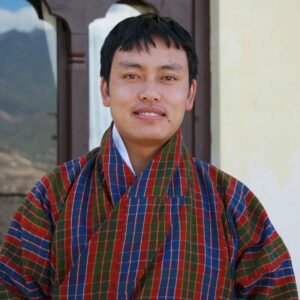
Sonam Pelden
Sonam Palden is smitten by games most notably national sports of Bhutan- Archery. While growing up in beautiful Ura valley in Bumthang, unlike other kid, he played with traditional traditional bows and arrows. He completed his class 12 from Punakha in 2003. Subsequently he pursued his passion for five years…
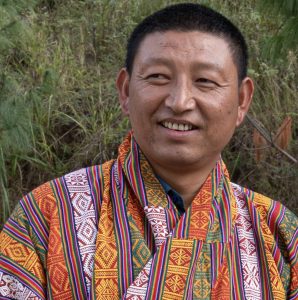
Yonten Phuntsho
Yonten Phuntsho is one of our senior most guide. And well versed on his business. Initially, he conceded an impression of a man of a few words but I was in for surprise with the knowledge of his job, great sense of humour and congenial personality- simply one cannot judge…
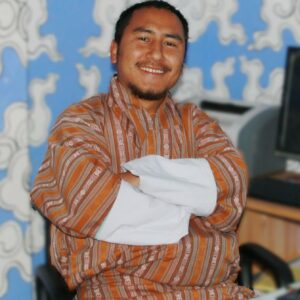
Sonam Loday
A good sense of humour is the currency that prevail everywhere regardless of the time or circumstances. An asset that that has potential to make even the ordinary trip into extraordinary. Sonam Loday has this traits in abundance. This is intrinsic and come as naturally as bees to the flower.…
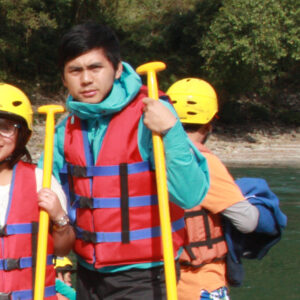
Pema Dhendup
Pema Dhendup is the one among the few young guns at Wind Horse Tour, Bhutan. He possess an infectious smile and exuberance that rub off to child and old alike. Unwarily, he has a mature head on his young shoulder and it is most conspicuous when he is among guests,…



What travelers most often ask us before a trip to Bhutan.
Are monument and park entrance fees included in my trip?
No. Since the 2023 policy update, the entry fees are not included and are in addition to the daily SDF (Sustainable Development Fee), you will need to pay for these tickets separately at each location, or your tour operator (like Wind Horse) can include them as a pre-paid “service” in your tour package.
Most Dzongs & Museums charge Nu. 500, with Takstang @1000/
For details on the latest entry fees to the monuments, parks, and attractions, visit Bhutan Entrance fees:
Yes, flights to Bhutan can be affected by weather conditions. Paro Airport is located in a narrow valley and requires visual flying conditions, meaning flights operate only during daylight hours and in suitable weather.
During the monsoon season (June–September), low clouds, rain, or reduced visibility may cause short delays or, in rare cases, cancellations. In winter, early-morning fog can sometimes delay departures. However, Bhutan’s airlines are highly experienced in operating in these conditions, without compromising the safety.
When disruptions occur, airlines usually reschedule flights for the next available weather window. We recommend allowing some buffer time at the start or end of your trip and having flexible onward travel plans.
Wind Horse closely monitors flight operations and assists guests with rebooking and logistics if weather-related changes arise.
Bhutan’s official currency is the Bhutanese Ngultrum (BTN), which is pegged 1:1 with the Indian Rupee, so the two currencies are equal in value. Indian Rupees are accepted in Bhutan.
Yes. Bhutan is considered one of the safest countries in the world for travelers, including solo travelers and solo women travelers. Crime rates are very low, violent crime is rare, and Bhutanese society places a strong emphasis on respect, community, and hospitality.
Solo women travelers generally feel comfortable traveling in Bhutan. Harassment is uncommon, and locals are welcoming and helpful.
When traveling on guided tours or treks, you are accompanied by licensed guides and drivers, which adds an extra layer of safety and support.
As with travel anywhere, we recommend using common sense—being aware of your surroundings, dressing modestly, and following local customs. With these basic precautions, Bhutan is a relaxed, secure, and rewarding destination for solo travel.
The most popular times to visit Bhutan are spring (March–May) and autumn (late September–November), offering the best combination of weather, scenery, and cultural experiences.
- Spring (March–May):
Ideal for nature lovers, with valleys alive with blooming rhododendrons and wildflowers. Temperatures are mild, making it a great season for sightseeing and moderate trekking. - Autumn (late September–November):
Known for the clearest Himalayan views, crisp air, and deep blue skies. This is also the peak season for major festivals (Tshechus) and high-altitude trekking. - Winter (December–February):
An off-peak season with cold nights and early mornings, but generally clear, sunny days and stable weather. Snowfall is mostly limited to high mountain passes. While not suitable for high-altitude treks, winter is ideal for cultural tours and walks in lower valleys and subtropical forests. As most towns and villages in the eastern Bhutan and southern Bhutan are located at lower elevation, winter is best time to visit them. - Summer (June–August):
Warm and pleasant, with occasional monsoon rains, mostly in the evenings or at night. The countryside is lush and green, crowds are fewer, and low-season rates are available.
Independent trekking is not permitted in Bhutan. All trekkers must be accompanied by a licensed Bhutanese guide and a support team, where camp and food arrangements in needed.
Some trekking areas require National Park permits and some even need military clearance and those are not issued without the local tour operator’s undertaking and the presence of guides on the trails.
No. Indian citizens with Indian passport or valid travel document such as Voter IDs do not require a visa to enter Bhutan. However, an Entry Permit is mandatory.