
Wind Horse set up a trip to Tibet in a most efficient and professional way. I had a desire to follow the pilgrims from Lhasa to Mount Kailas and Lake Mansarovar for Saga Dawa. They put together an itinerary that totally fulfilled my expectations - and gave me a guide and driver that looked after and became my companions on…

Kailash Mansarovar Tour
Trek around holy Mt. Kailash
Kailash Mansarovar Tour is a pilgrimage tour package to Tibet. Mt. Kailash is the confluence of the myth and the mountain. Mount Kailash is considered to be the cosmic axis of the world. Four great rivers (Indus, Brahmaputra, Sutlej, and Karnali) originated from here, giving life to the areas they pass through. Mount Meru, described in Hindu epics, is believed to be Mount Kailash. This 6638m high peak in west Tibet has been a sacred object of worship for four major religions of the world for a long time; the Hindus, Buddhists, Jains, and the Bons. For Hindus, Mt. Kailash is the domain of Lord Shiva. The Buddhists revere the mountain as the abode of Samvara (Demchok)-the wrathful manifestation of Buddha who lives there with his consort, Dorje Phagmo. For the Jains, this is where their first prophet achieved enlightenment, and for Bons, their founder Shenrab alighted from heaven here.
This Kailash Mansarovar tour via Zhangmu offers a stunning Himalayan panorama, including Mt. Kailash and the other Himalayas, the holy Mansarovar lake, beautiful landscapes, lush valleys, ancient monasteries, along with ancient Tibetan culture. Our Kailash Mansarovar tour begins in Kathmandu, where we obtain China/Tibet visa and visit some historical and religious monuments around Kathmandu Valley. Next, we board onto a 4WD vehicle and drive along the Araniko Highway to Kodari(Nepal Tibet Border). We will travel across the beautiful Tibetan landscape to Mt. Kailash. We circumnavigate Mount Kailash and retrace our step the same way back to Kathmandu.
Kailash Mansarovar Tour – Outline Itinerary
Day 1 & 2: Arrive in Kathmandu and Sightseeing
Day 3 & 4: Drive to Zhangmu/Nyalam
Day 5: Drive to Saga
Day 6: Saga-Zhongba-Paryang
Day 7 & 8: Paryang-Lake Manasarovara
Day 9: Lake Manasarovara-Darchen
Day 10-11-12: Circumambulate Mount Kailash
Day 13-17: Drive Zhangmu-Kathmandu
Day 18: Departure
Trip highlights
- Mt. Kailash trek with manasorovar
- Option to visit Guge kingdom ruins and Mt. Everest north face.
Day by day
The full day-by-day itinerary.
Upon arrival, meet our guide/representative and transfer to the hotel. The rest of the evening is free to pursue your interest. The next day, our representative/guide will assist you obtain your China/Tibet visa. After completing the visa formalities, we shall have a sightseeing tour covering the World Heritage sites of Kathmandu Valley, such as Swayambunath, Boudanath, and Kathmandu Durbar Square.
Overnight in Kathmandu
This morning, we shall drive along the Araniko Highway to Kodari(Nepal-Tibet Border). After completing immigration formalities, we cross to the Tibetan side, and drive to Zhangmu. We will try to make it till Nyalam. Nyalam is a short distance from Zhangmu. We will spend two nights in this area acclimatizing. We will take a short acclimatization trek to visit Milarepa’s Cave, and Pelgyeling Temple, and other sights.
Overnight in Nyalam Meals Breakfast · Lunch · Dinner
Drive and cross over the Lalung La pass and arrive at the sacred lake of Pai Kutso for lunch. Lalung La (5030m) offers spectacular views of Mt. Sishapangma (8021m), Gaurishanker, and many other peaks along with the Tibetan plateau. We cross the Yarlung Tsangpo(Brahmaputra), and drive to Saga.
Overnight in Saga Meals Breakfast · Lunch · Dinner
We continue across the vast arid plains of the Tibetan plateau to the small town of Zhongba. From here, we further continue to Paryang. The Landscape changes from sandy dunes and rocky vistas to savannah type.
Overnight in Paryang Meals Breakfast · Lunch · Dinner
Today is the most auspicious day for us. Today we will drive to Mansarovar. We get the first glimpse of the holy Mt.Kailash and sacred Lake Mansarovar from Horqu. We will take a holy dip and relax. It is believed that taking a ritual bath in Manasarover kills the sins of a lifetime. We will spend another day exploring the Mansarovar area.
Overnight in Mansarovar Meals Breakfast · Lunch · Dinner
Today we will head towards Darchen, the base camp for the holy Kailash Parikrama(circumambulation). After lunch, prepare for the three days of trekking. Our crews will organize pack animals (yaks), gear, and supplies for the journey.
Overnight in Darchen Meals Breakfast · Lunch · Dinner
We start our Kailash Parikarma(circumambulation trek) from Darchen. Every day, we trek 3-5 hours. The highest point on this trek is Drolma La Pass at 5636m. It is said that those who pass this gateway will finish the Karma of a lifetime and start a new life at this point. Along the way, we will also stop to visit the monasteries of Choku Gompa, Zuthulphuk Gompa, and Driraphuk Gompa. The final stretch of the trek is an easier one. We will meet our vehicle at Darchen, from where we will directly drive to Chiu Gompa at the shore of Lake Manasarovar.
Meals Breakfast · Lunch · Dinner
From Chiu Gompa we retrace our drive back to Kathmandu, following the same route.
Meals Breakfast · Lunch · Dinner
Transfer to the airport for your departure flight.
This is a better option if you have time available. Day 1: Arrive in Kathmandu Day 2 & 3: In Kathmandu for touring and for visa Day 4: Fly to Lhasa and rest. Day 5 & 6: In Lhasa for touring Day 7: Drive to Gyantse and tour Gyantse Day 8: Short drive to Shigatse and visit Shigatse Day 9: Enroute, visit Sakya and stay in Shegar Day 10: Drive to Rongbuk and visit Everest Base Camp. Day 11: Drive to Saga Day 12 & 13: Drive to Dongba and then to Manasarovar Day 14: Drive to Darchen Day 15, 16 & 17: Circumambulation trek of Mount Kailash. Day 18: Tirthapuri-Tholing (Zanda) Day 19: Excursions of the ruins of Tsaparang and Tholing of Guge kingdom. Day 20: Tsaparang to Lake Manasorovar (Chiu Gompa) Day 21: In and around Lake Mansarovar Day 22: Drive to Paryang Day 23: Drive to Saga For departure from Lhasa Day 24: Saga to Lhatse. Day 25: Lhatse to Lhasa Day 26: Departure For departure from Kathmandu Day 24: Drive from Saga to Zhangmu border. Day 25: Drive from Zhangmu to Kathmandu Day 26: Departure from Kathmandu.
Meals Breakfast
18-day trip, from 3350 per person. Tell us your dates and group size and we will price it exactly.
Included
- All transfers by private vehicle.
- Accommodation in 3-4* category hotel in Kathmandu, tented camp, and guest houses while on tour.
- Only breakfast during the stay in Kathmandu whereas all meals during the tour.
- Sightseeing in Kathmandu valley with entrance fee as per itinerary.
- Kathmandu-Kodari-Kathmandu overland transportation by a private jeep as mentioned in the itinerary.
- Tibet sightseeing entrance fee.
- Chinese visa and Tibet travel permit.
- Tibet border picks up by private jeep as per the itinerary.
- English speaking local Tibetan guide for the Tibet part.
- All government Taxes and service charges.
Not included
- Nepal entry visa.
- International flight to and from Kathmandu.
- Lunch and dinner in Kathmandu.
- Personal Travel Medical Insurance.
- Personal expenses such as bar, beverages, tips and gratuities, laundry, telephone, battery recharge, etc.
- Any extra cost forced upon by changing the itinerary due to your health, natural condition, political situation, or early return from the trek.
- All other personal expenses not listed in the included section
Over a year ago we planned a trip with Wind Horse Tours, Treks & Travel to China and Tibet, ending in Nepal. Our group of seven was glad to have someone who could get us through all the red tape of traveling in these areas and could share the cultures, natural beauties, and national treasures. Our main goal was the…
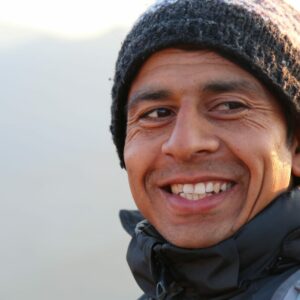
Hem Raj Bastola
Hem Raj Bastola is a permanent inhabitant of Pokhara-22, a rural area in the outskirts of Pokhara. He has been working as a tour and trekking guide since 2010. Formerly he has worked as a guest service agent in a hotel in Pokara. He started his career as a Cave…
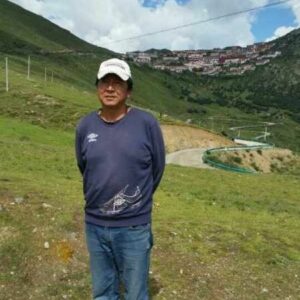
Tashi
Mr. Tashi is from the Amdo region of Tibet. Studied Tibetan Buddhism and English literature in Varanasi India from for 5 years. He speaks excellent English and some Hindi, and wonderful Mandarin Chinese. His passion for the scenery of his homeland has led him to deepen his knowledge of Tibet’s less traveled paths,…
What travelers most often ask us before a trip to Nepal.
Yes. Most travelers require a tourist visa to enter Nepal. You can obtain a visa on arrival at Tribhuvan International Airport or at major land border crossings. Alternatively, you may apply in advance at a Nepalese embassy or consulate.
The official currency of Nepal is the Nepalese Rupee (NPR).
Nepal’s varied landscapes and seasons offer year-round experiences, from vibrant cultural festivals to Himalayan treks, with each season adding its own charm.The best times to visit Nepal are spring (March–May) and autumn (September–November). These seasons offer stable weather, clear skies, and excellent mountain views.
These months are ideal for popular treks such as the Everest Base Camp Trek and the Annapurna Circuit Trek, as well as cultural tours and scenic mountain flights. October and November are especially popular due to pleasant temperatures, clear visibility, and major cultural festivals.
For wildlife safaris, the best time to visit is October to March, when cooler temperatures and dry conditions provide excellent opportunities for wildlife viewing in national parks such as Chitwan National Park and Bardia National Park.
Spring and autumn are the most popular and best seasons for trekking in Nepal. Spring lasts from March to May, and autumn runs from September to November. These seasons offer stable weather, clear skies, and breathtaking mountain views.
This is the ideal time for iconic routes such as the Everest Base Camp Trek and the Annapurna Circuit Trek, as well as scenic mountain flights near Mount Everest.
Spring brings blooming rhododendron forests, colorful landscapes, and mild temperatures, making trekking especially beautiful. Autumn, on the other hand, offers crystal-clear visibility, dry trails, and comfortable trekking conditions. For these reasons, both seasons are considered the peak trekking periods in Nepal.
The monsoon season, from June to August, brings heavy rainfall, which makes trails slippery and increases the presence of leeches, making trekking more challenging. However, treks in rain-shadow regions such as Upper Mustang, Dolpo, and Nar Phu Valley remain relatively dry and are suitable for trekking during this time.
Winter, from December to February, brings cold temperatures and snowfall at higher elevations, which can make high-altitude trekking difficult. However, lower-altitude treks such as Ghorepani Poon Hill, Everest View Trek, Langtang Valley Trek, Helambu Valley Trek, and Panchase Trek are still accessible and offer peaceful landscapes with fewer crowds.
Spring (March–May) & Autumn (September–November)
These are the best seasons for cultural travel. The weather is pleasant and ideal for exploring heritage sites, temples, and local markets in cities like Kathmandu and Bhaktapur.
October and November are especially vibrant, as Nepal celebrates its two biggest festivals—Dashain and Tihar. Expect colorful decorations, family gatherings, temple visits, and rich cultural traditions across the country.
Summer/Monsoon (June–August)
Cultural tours are still possible, particularly in the mornings when rain is lighter. The countryside is lush and green, though occasional weather-related travel disruptions may occur.
Winter (December–February)
A good time for cultural visits in the Terai region and cities like Pokhara. Clear skies and fewer tourists make sightseeing more relaxed and enjoyable.
Wildlife Safaris & Adventure Activities
October–March is the ideal period for wildlife safaris and adventure experiences. Cooler temperatures and clear skies offer excellent conditions for jungle safaris, wildlife viewing, white-water rafting, paragliding, hot air ballooning, mountain flights, bungee jumping, Skydiving, ziplining, etc.
Yes. You can obtain a visa on arrival at Tribhuvan International Airport. This is the quickest and most convenient option for most travelers.
Visa fees:
- 15 days – USD 30 per person
- 30 days – USD 50 per person
- 90 days – USD 125 per person
If you plan to stay longer, it is advisable to obtain a longer-duration visa upon arrival. Visa extensions are possible but cost more and may require several hours at the immigration office.
Yes. ATMs are widely available in major cities such as Kathmandu and Pokhara, and in some trekking regions like Everest and Annapurna. However, ATMs in remote areas may be unreliable due to power or internet outages. It is advisable to carry sufficient cash when traveling outside major cities.