
Dear Anand, Thank you for checking in with me about the trip. I have been meaning to write reviews for Tripadvisor, but there is so much in my mind I haven't been able to get it done yet. The trip was a peak experience of my life. My daughters (plus one boyfriend) and I loved it. Namgyel was an exceptionally…

Dagala Trek
Dagala Thousand Lake Trek in Bhutan
Dagala trek Bhutan, legion of trekkers has been drawn by the irresistible mystical charms of Bhutan’s mountains and its surreal, exquisite landscapes. The Dagala Trek in Bhutan is one such trek. In addition to its many small, beautiful lakes (hence also fondly called the “Thousand Lakes Trek”) and breathtaking vistas, it remains relatively unexplored with fewer trekkers.
Dagala trek follows a trail along the ridge-line of Dagala range, that separates Thimphu valley from the lower hills to the south with uninterrupted views in almost all direction. On a clear day, you can see not only the peaks of Bhutan, but could also see far off peaks of Sikkim and Nepal as well. With exposed ridge line, the weather can also change dramatically in a short period.
The trek begins from above the village of Genekha, situated on the slopes of a hill between Thimphu and Paro. As the trek progresses, it gradually unveils many of its treasures, such as beautiful alpine meadows, numerous small lakes, nomadic yak herders’ camps, varied forms of flora and fauna, and a soulfully pristine environment.
Not only does it invigorate the spirit with its awe-inspiring landscapes and unspoiled environment, but it also provides an opportunity for a close encounter with nomadic yak herders.
This trail now used only by nomadic Yak Herders and few trekkers, was once an important trade route connecting Thimphu with Dagana in south. This trek may test your physical conditioning with steep climbs in some parts. However, aside from a significant altitude gain on the second day of the trek, it is generally considered to be a moderate to easy level of difficulty.
With an exposed ridge line, the weather can also change dramatically in a short period along the trail. However, the advantage of this route is that you can rapidly descend to lower altitudes in a short amount of time.
In the spring, the forest along the lower ridges is ablaze with rhododendron blooms, and during the summer, the alpine meadows come alive with a technicolor array of wildflowers. With the opportunity to meet the nomads and learn about their lifestyle, as well as the breathtaking views throughout, the Dagala trek is truly exceptional.
Dagala trek Bhutan Outline Itinerary
Day 1: Arrive in Paro
Day 2: Paro -Punakha
Day 3: In Punakha & Wangdue
Day 4: Drive to Thimphu and tour (optional hike in between)
Day 5: Begin trek from Gyenkha to Gur
Day 6: Gur- Lambatama
Day 7: In Lambatama (Optional – this can be skipped if you are short on time)
Day 8: Labatama- Panka
Day 9: Pankha- Talakha-Chamgang – trek end and drive to Paro
Day 10: In Paro (Day hike to Taktsang)
Day 11: Departure
Given that most treks in Bhutan are at high altitudes, some physical conditioning and training beforehand will greatly enhance your enjoyment of the trek. Trekking in Bhutan itineraries are typically designed with a few days of cultural activities included. These activities not only provide rewarding insights into the social, cultural, and spiritual dimensions of Bhutan but also aid in acclimatization. Additionally, we have incorporated some excellent day hikes into our itinerary to help set the tone for your upcoming trek.
Activities: Trekking, Culture Tours
Trip highlights
Scenic high altitude trek with access to glacial lakes, breathtaking vistas, alpine meadows and verdant forests. Opportunity to meet nomadic cattle herders, Yaks, some wildlife, birds and opportunity for fishing
Day by day
The full day-by-day itinerary.
Upon arrival in Paro, you are met and transferred to the hotel. Spend rest of the day visiting few sights, walking and strolling in Paro.
Generally, flights arrive in the morning, allowing you to visit all the listed sights on the same day. However, if the flight arrives late, we can arrange to cover those sights on the following day.
Meals Dinner
Drive short distance to Thimphu (1hr), where we spend the morning visiting its attractions. Then drive across spectacular Dochula pass to Punakha (3+hrs). Lunch could be planned at Dochula pass or in Thimphu. In the evening, visit Rinchingang village near Wangdue and Chimi Lhakhang temple near Lobesa.
Meals Breakfast · Lunch · Dinner
The Punakha-Wangdue valley is situated at a lower elevation of approximately 1250 meters above sea level, giving it a semi – subtropical climate characterized by warm summers and enjoyable winters. We’ll embark on a 45-minute uphill hike to explore the Khamsum Yuelley Chorten. Upon descending, we’ll pay a visit to the impressive Punakha Dzong, strategically positioned at the confluence of the Pho Chhu and Mo Chhu rivers. Later in the afternoon, we’ll drive to one of the villages perched high on the hills and commence a 2-3 hour scenic walk.
Meals Breakfast · Lunch · Dinner
Departing from Punakha, we retrace our steps along the scenic drive to Dochula Pass. This return journey offers another opportunity to admire Bhutan’s majestic snow-capped peaks, forming the natural border with the Tibetan Plateau.
Optional: Hike to Lungchutse and Trashigang to aid in acclimatization for your trek or continue with Thimphu sightseeing if you prefer cultural tour.
After relishing the panoramic views at Dochula, embark on a 2-hour gradual walk uphill to the Lungchuzekha Temple & Retreat Center. The trail winds through lush vegetation of moss-covered birch, hemlock, and rhododendron trees, offering splendid vistas of peaks and valleys. Adopted by Wind Horse since 2011, our guides maintain this trail. A delightful picnic lunch awaits at the monastery (3550m). Instead of returning to Dochula, take a 1-hour gradual downhill path to another mountain-top retreat and the monastic center of Trashigang Goempa (3150m). There, we meet our vehicle and drive to Thimphu.
In Thimphu, our journey continues with a sightseeing tour of the capital, visiting as many attractions as time allows.
Towards the end of the day, visit the majestic Tashichho Dzong. Following that, we proceed to the bustling Farmer’s Market and take a leisurely stroll through the city center, passing Changlimithang grounds, where you’ll have the chance to witness an archery match.
Meals Breakfast · Lunch · Dinner
We have a bit of time in the morning for short sightseeing in the capital.
Following this, we’ll embark on a brief one-hour drive south of Thimphu to the charming village of Gyenekha. Our trek commences from this picturesque village, starting with a gentle descent toward the river. Once we cross the river, the ascent begins and continues until we reach a sprawling rock platform, offering a stunning view of the area below. After another two hours of trekking, we will arrive at Gur, an expanse of yak pastures situated just beneath the main trail.
Meals Breakfast · Lunch · Dinner
On the second day, the trail takes you across the high ridges from where you can truly appreciate the rugged beauty of your surroundings and the mountain vegetation. The path winds through refreshing meadows adorned with wild flowers and asparagus (in spring). The first mountain pass you cross is marked by a huge cairn and gives a spectacular view of Kanjenjunga (Sikkim in India) and number of the Bhutanese Himalayan peaks. As you descend the pass you will be able to see the entirety of the Dagala mountain range including meadows and yak herder camps. Once you have descended into the Labatama valley you begin climbing gradually through the valley, passing several yak herder huts before you arrive at Uthso Tsho. The campsite is right next to the lake.
Trek from Gur to Labatama traverses across high ridge, temperate vegetation, Yak pastures , Yak Herder Camps, High mountain pass etc.
Meals Breakfast · Lunch · Dinner
This day will be dedicated to relaxing and recuperating at Labatama. It is an ideal to take an excursion to any of three nearby lakes: Reli Tsho, Hen Tsho and Jama Tsho. There is an opportunity to engage in some trout fishing. Permits are required for fishing so you should let us know to make the necessary arrangements beforehand.
This day is optional for those short on time.
It's a rest day, you may relax or you may choose an excursion to visit lakes.
Overnight in tents Meals Breakfast · Lunch · Dinner
The trail climbs along the western side of Dala Tsho up to a saddle at 4,520m. From here onwards you will have a fantastic view of the majestic Himalayan peaks all through the descent. The mountain peaks visible include Mt. Everest (Nepal), Mt. Kanchenjunga (Sikkim), Mt. Jomolhari, Mt. Jichu Drake, Mt. Tshering Gang, Mt. Khangbum, Mt. Masang Gang, Mt. Tsende Gang and Mt. Gangche Ta. If you want an even better view, you can climb a peak close to the saddle with an altitude of 4,720m. From the saddle the path descends, passing some yak herder huts to Doccha Chhu. You follow the river for a while, but stay higher up on the slope to reach Panka with ascents and descents along the way.
Today's trek affords a stunning views of eastern Himalayan mountains peaks.
Meals Breakfast · Lunch · Dinner
This day entails crossing several passes/ridges, none of which require a major climb. Keep an eye out for different varieties of blue poppies (late May -July) and various bird species in this area. After crossing the last pass, Tale La (4,180m), you will begin a long descent to Chamgang (2,800m). However, the new dirt road extends quite far. If the road condition is good, you may only need to walk to Talakha Monastery (3,100m), saving a few kilometers on foot.
While descending through these forested areas, it is common to spot Monal pheasants, Jungle fowls, Snow Partridges, and other wildlife.
Meet your vehicle and drive to Paro, which takes about 2 hours.
This evening, we hope to visit Kichu Lhakhang, and Dumtse Lhakhang temple as time allows.
Meals Breakfast · Lunch · Dinner
On your final day in Bhutan, embark on a hike to the iconic Taktsang (Tiger’s Nest) Monastery—an essential and quintessential Bhutanese experience.
While many visitors experience Taktsang from a single viewpoint, we aim to offer you a more comprehensive adventure. The hike from the base (2,600m) to Tiger’s Nest Monastery (3,120m) takes between 2 to 4 hours. After visiting the monastery, most return via the same path. However, we will extend our journey to include Machingphu, Zangdopelri, and Ugyen Tsemo. These revered temples boast rich histories and deep spiritual significance and provide rare, breathtaking views of the Taktsang Monastery. Immerse yourself in the tranquility of these sacred spaces and learn about their unique stories. Enjoy a delightful picnic lunch near one of these stunning sites, surrounded by magnificent mountain vistas.
Refueled and refreshed, we’ll begin our descent. To change the scenery, we’ll take a different route that passes by Dolephu Lhakhang, a hidden gem that, while seemingly part of the main Taktsang area, is separated by a rocky cliff.
The trail winds through a tapestry of rhododendron, pine, and oak forests, offering welcome shade as we make our way back to the starting point. This scenic finale will leave you with lasting memories of Bhutan’s natural beauty.
Following our exhilarating adventure, we’ll return to Paro, where a farewell dinner awaits.
Meals Breakfast · Lunch · Dinner
Transfer to Airport on time for your outbound journey. If your flight departs late, we can utilize the morning for more sightseeing in Paro valley.
Meals Breakfast
11-day trip, from 2400 per person. Tell us your dates and group size and we will price it exactly.
Included
- Daily tourists fees and taxes (SDF)
- Visa & Visa fees
- Accommodations in listed or similar hotels (pleasant hotels 3-4 star type) during the tour and in tents during the trek.
- All meals
- All land transfers by private vehicle with driver
- sightseeing with entrance fees.
- Experienced English Speaking Bhutanese Tour Guide.
- Bottled water in the vehicle and other Comp. services.
- During the trek:
Fully-serviced camping trek
Tents (4-season high quality sleeping tent, dining tent, Kitchen tents and toilet tents) - Trekking mattresses, small air pillow, Hot-water bag, Pressured Altitude Bag for altitude emergencies, Pack animals to carry luggage and additional riding pony for emergency.
- Basic Medical Kit (recommend bring your own)
- Trekking Guide, Cook and at least Assistants (or more), Horseman accompany the group.
- All meals, snacks and beverages (freshly prepared daily at the campsite)
Sleeping bag is available for nominal cleaning charges.
Also available to borrow for free: Walking Sticks (trekking poles), Umbrella/Pancho, Water Bottle
We are constantly upgrading our trekking equipment and gears, so you can be assured that you will receive the best and latest.
Not included
- Flights in and out of Bhutan.
- Personal trekking gears such as sleeping bag, clothing, shoes etc.
- Sleeping bags are available for small cleaning fee.
- And items not listed in included section
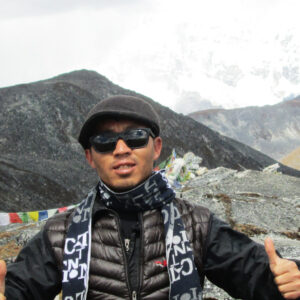
Pema Namgay
From the outset, Pema Namgyal knew what he wanted to do in life. He love to keep things simple. Right after finishing his Class 12 from school in Thimphu in 2004, he joined guiding course to aspire to be a guide. Initially he started as cultural guide but with time, he felt…
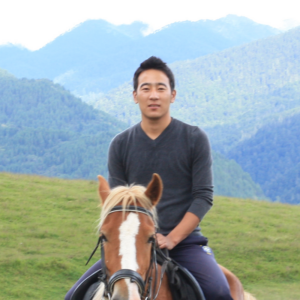
Namgay
Guide - Culture, Trek & Nature Growth in Tourism in Bhutan has also its share of impact on young minds. With tourists freely moving around, the curiosities to know them, talk to them holds ground firmly on young minds . Namgay is one among many youth whose imagination was captured…
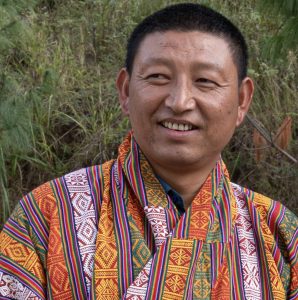
Yonten Phuntsho
Yonten Phuntsho is one of our senior most guide. And well versed on his business. Initially, he conceded an impression of a man of a few words but I was in for surprise with the knowledge of his job, great sense of humour and congenial personality- simply one cannot judge…


What travelers most often ask us before a trip to Bhutan.
Are monument and park entrance fees included in my trip?
No. Since the 2023 policy update, the entry fees are not included and are in addition to the daily SDF (Sustainable Development Fee), you will need to pay for these tickets separately at each location, or your tour operator (like Wind Horse) can include them as a pre-paid “service” in your tour package.
Most Dzongs & Museums charge Nu. 500, with Takstang @1000/
For details on the latest entry fees to the monuments, parks, and attractions, visit Bhutan Entrance fees:
Yes, flights to Bhutan can be affected by weather conditions. Paro Airport is located in a narrow valley and requires visual flying conditions, meaning flights operate only during daylight hours and in suitable weather.
During the monsoon season (June–September), low clouds, rain, or reduced visibility may cause short delays or, in rare cases, cancellations. In winter, early-morning fog can sometimes delay departures. However, Bhutan’s airlines are highly experienced in operating in these conditions, without compromising the safety.
When disruptions occur, airlines usually reschedule flights for the next available weather window. We recommend allowing some buffer time at the start or end of your trip and having flexible onward travel plans.
Wind Horse closely monitors flight operations and assists guests with rebooking and logistics if weather-related changes arise.
Bhutan’s official currency is the Bhutanese Ngultrum (BTN), which is pegged 1:1 with the Indian Rupee, so the two currencies are equal in value. Indian Rupees are accepted in Bhutan.
Yes. Bhutan is considered one of the safest countries in the world for travelers, including solo travelers and solo women travelers. Crime rates are very low, violent crime is rare, and Bhutanese society places a strong emphasis on respect, community, and hospitality.
Solo women travelers generally feel comfortable traveling in Bhutan. Harassment is uncommon, and locals are welcoming and helpful.
When traveling on guided tours or treks, you are accompanied by licensed guides and drivers, which adds an extra layer of safety and support.
As with travel anywhere, we recommend using common sense—being aware of your surroundings, dressing modestly, and following local customs. With these basic precautions, Bhutan is a relaxed, secure, and rewarding destination for solo travel.
The most popular times to visit Bhutan are spring (March–May) and autumn (late September–November), offering the best combination of weather, scenery, and cultural experiences.
- Spring (March–May):
Ideal for nature lovers, with valleys alive with blooming rhododendrons and wildflowers. Temperatures are mild, making it a great season for sightseeing and moderate trekking. - Autumn (late September–November):
Known for the clearest Himalayan views, crisp air, and deep blue skies. This is also the peak season for major festivals (Tshechus) and high-altitude trekking. - Winter (December–February):
An off-peak season with cold nights and early mornings, but generally clear, sunny days and stable weather. Snowfall is mostly limited to high mountain passes. While not suitable for high-altitude treks, winter is ideal for cultural tours and walks in lower valleys and subtropical forests. As most towns and villages in the eastern Bhutan and southern Bhutan are located at lower elevation, winter is best time to visit them. - Summer (June–August):
Warm and pleasant, with occasional monsoon rains, mostly in the evenings or at night. The countryside is lush and green, crowds are fewer, and low-season rates are available.
Independent trekking is not permitted in Bhutan. All trekkers must be accompanied by a licensed Bhutanese guide and a support team, where camp and food arrangements in needed.
Some trekking areas require National Park permits and some even need military clearance and those are not issued without the local tour operator’s undertaking and the presence of guides on the trails.
No. Indian citizens with Indian passport or valid travel document such as Voter IDs do not require a visa to enter Bhutan. However, an Entry Permit is mandatory.