
Yes. Most travelers require a tourist visa to enter Nepal. You can obtain a visa on arrival at Tribhuvan International Airport or at major land border crossings. Alternatively, you may apply in advance at a Nepalese embassy or consulate.

Nagchu Festival & Everest Base Tour to Nepal
Horse Racing Festival of Tibet, Everest North Face and Glimpse of Kathmandu
Embark on a breathtaking journey to Nagchu (Nagqu), the rugged and mystical region of Northern Tibet. Known for its untouched natural beauty, rich nomadic culture, and vast grasslands, Nagchu offers a truly off-the-beaten-path experience. Whether you’re seeking spiritual depth, wildlife encounters, or a glimpse into the authentic life of Tibetan nomads, this adventure-packed tour has it all.
Fly into Lhasa and visit the landmarks and power places of Yarlung Valley, and then head north to Nagchu for the Horse Race Festival. It is one of the most significant festivals in Northern Tibet. Thousands of herdsmen throng in Nagchu, riding fine horses and carrying the local products. In addition to the horse race, there are archery and cultural shows. Visit Namtso, the heavenly lake of Tibet, Tsurpu Monastery of Karmapas, and return to Lhasa.
Then we set out south on China Nepal Friendship Highway, driving along the shores of spectacular Yamdrok Tso Lake, past several high passes with picturesque views of the Himalayas to Everest Basecamp. We will enjoy unobstructed views of Mount Everest and several other eight-thousand-meter peaks like Cho Oyu, Sishapangma, etc. Cross into Nepal and spend two full days in Kathmandu to explore its cultural heritage, including former palaces, temples, and monasteries.
Nagchu Outline Itinerary
Day 1: Arrival in Lhasa
Day 2: In Lhasa
Day 3: In Lhasa
Day 4&5: In Nagchu
Day 6: Drive to Tashi Dor(Namtsho Lake)
Day 7&8: Drive to Gyantse
Day 9: Drive to Shigatse
Day 10&11: Rongbuk Monastery and Everest Base Camp
Day 12: Drive to Nyalam/Zangmu
Day 13: Drive to Dhulikhel
Day 14&15: In Kathmandu
Day 16: Departure
Activities: Culture Tours, Festival Tours
Trip highlights
Visiting the main cultural sights of Tibet * Nagchu Horse Race Festival and cultural events * Everest North Face * Overland journey across Himalayas to Nepal * Highlights of Nepal’s places and sights.
Day by day
The full day-by-day itinerary.
Arrive by flight or train to Lhasa. Upon arrival in the Gonggar airport (Lhasa), our guide will meet you and drive to the holy city of Lhasa, scanning the vast countryside for the first sight of the Potala Palace. Gather for a welcome reception and dinner this evening.
Overnight in Lhasa Meals Dinner
Venture up to the colossal Potala Palace, dominating Lhasa skyline and explore the grandest of its rooms. See the jeweled burial chortens of past Dalai Lamas, statuary, frescoes, and paintings. Eight Dalai Lamas: are buried in this famous building. The original parts of the Potala date back to the 7th century. Later visit the Jokhang, Tibet’s most sacred temple, which draws multitudes of pilgrims from all over the country. It houses Tibet’s most revered statue, a magnificent image of Jowo Sakyamuni. Then stroll around Barkhor, a pilgrimage circuit that encircles Jokhang and serves as Lhasa’s central bazaar, where one finds everything from precious Kham amber to prayer flags.
Overnight In Lhasa Meals Breakfast · Dinner
Explore Tibet’s two great monasteries: Drepung and Sera. Drepung once housed 10,000 monk, and Sera almost as many. If we’re lucky, we’ll see and hear the lilting, booming chanting of the sutras or the theatrical debate of the monks. Visit the lovely Jewel Park, where the Dalai Lamas spent their summers, enjoying informality impossible in the Potala.
Overnight In Lhasa Meals Breakfast · Dinner
The northern highland of Tibet is a vast region flanked by the great Kunlun and Tanggula mountain ranges on one side and the Gangdise Nyenchen Tanglha mountain range on the other. We have one full day to attend the famous Horse Racing Festival in Nagchu on the next day.
Overnight in Nagchu Meals Breakfast · Dinner
Attend the festival in the morning and drive to Namtso Lake. Walk and take pictures of the lakes and some shrines near Tashi Dor.
Overnight in Namtsho Lake Meals Breakfast · Dinner
After we visit more of Namtso, we drive towards Lhasa and continue to Gyantse across Kampa La Pass (4793m). After the pass, the road traces the shores of beautiful Yamdrok Tso Lake. In the evening, we arrive in Gyantse, where we spend two nights so we have time to explore this beautiful town.
Overnight in Gyantse Meals Breakfast · Dinner
Drive across Kampa la pass (4793m) and follow the shores of beautiful Yamdrok Tso Lake, passing through nomadic camps and villages and climbing up to Karola pass before descending to Gyantse. The following day, we visit the highlights of Gyantse, such as Pelkor Chode and Kumbum stupa, and drive to Shigatse (3 hrs). At Shigatse, we will visit the famous Tashilunbo Monastery-the principal seat of Panchen Lama.
Overnight in Shigatse Meals Breakfast · Dinner
We will take a detour to visit the Shakya monastery on our way to Xegar, where we spend a night in a simple hotel. From Xegar, we turn off the Friendship Highway for a stunning ride across Pangla (5200m) with a superb view of the high mountains to arrive at Rongbuk monastery at 4980m, near Everest Base Camp North side.
Overnight in Rongbuk Monastery Meals Breakfast · Dinner
After the sunrise view from your guest house, head back to the Friendship Highway and continue south to Lao Tingri for a last glimpse of the great mountains. Continue our drive to Nyalam, a roadside Tibetan town with inns and guesthouses. Depending on available time, we will continue down to Zangmu as it is a better place to stay.
Overnight in Zhangmu Meals Breakfast · Dinner
After completing border formalities, we bid farewell to our Tibetan crews. Cross the border, and drive along the Araniko Highway. About one hour before reaching Kathmandu, we stop to spend the evening in the beautiful hill resort of Dhulikhel.
Overnight in Dhulikhel Meals Breakfast · Dinner
During these two days, explore the cultural and architectural highlights of Kathmandu Valley. Visit the medieval principalities of Bhaktapur and Patan, their Durbar Squares with former Royal Palaces, Hindu Temples, and Buddhist monasteries. Also, visit the major attractions of Kathmandu, such as the Boudanath, Pashupatinath, and Syambhunath. We will arrange a farewell dinner in a typical Nepali restaurant with a cultural show.
Overnight in Kathmandu Meals Breakfast · Dinner
Transfer to the airport for your departure flight.
Meals Breakfast
Included
- All transfers by private vehicle.
- Accommodation in above listed or similar hotels.
- Breakfast and dinner at the staying hotels.
- Permits for Tibet.
- Entrance fees to the sights listed.
- Park Entrance fees.
- English speaking local Guides for entire tour, and Flight Chengdu to Lhasa as listed separately. choice or resulting from natural and political situation.
Not included
- Lunches.
- International flights.
- All visa fees.
- Any changes in the itinerary due to your health condition, unforeseen circumtances or political situation.
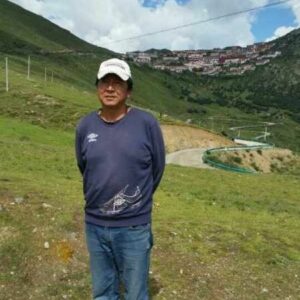
Tashi
Mr. Tashi is from the Amdo region of Tibet. Studied Tibetan Buddhism and English literature in Varanasi India from for 5 years. He speaks excellent English and some Hindi, and wonderful Mandarin Chinese. His passion for the scenery of his homeland has led him to deepen his knowledge of Tibet’s less traveled paths,…
What travelers most often ask us before a trip to Nepal.
The official currency of Nepal is the Nepalese Rupee (NPR).
Nepal’s varied landscapes and seasons offer year-round experiences, from vibrant cultural festivals to Himalayan treks, with each season adding its own charm.The best times to visit Nepal are spring (March–May) and autumn (September–November). These seasons offer stable weather, clear skies, and excellent mountain views.
These months are ideal for popular treks such as the Everest Base Camp Trek and the Annapurna Circuit Trek, as well as cultural tours and scenic mountain flights. October and November are especially popular due to pleasant temperatures, clear visibility, and major cultural festivals.
For wildlife safaris, the best time to visit is October to March, when cooler temperatures and dry conditions provide excellent opportunities for wildlife viewing in national parks such as Chitwan National Park and Bardia National Park.
Spring and autumn are the most popular and best seasons for trekking in Nepal. Spring lasts from March to May, and autumn runs from September to November. These seasons offer stable weather, clear skies, and breathtaking mountain views.
This is the ideal time for iconic routes such as the Everest Base Camp Trek and the Annapurna Circuit Trek, as well as scenic mountain flights near Mount Everest.
Spring brings blooming rhododendron forests, colorful landscapes, and mild temperatures, making trekking especially beautiful. Autumn, on the other hand, offers crystal-clear visibility, dry trails, and comfortable trekking conditions. For these reasons, both seasons are considered the peak trekking periods in Nepal.
The monsoon season, from June to August, brings heavy rainfall, which makes trails slippery and increases the presence of leeches, making trekking more challenging. However, treks in rain-shadow regions such as Upper Mustang, Dolpo, and Nar Phu Valley remain relatively dry and are suitable for trekking during this time.
Winter, from December to February, brings cold temperatures and snowfall at higher elevations, which can make high-altitude trekking difficult. However, lower-altitude treks such as Ghorepani Poon Hill, Everest View Trek, Langtang Valley Trek, Helambu Valley Trek, and Panchase Trek are still accessible and offer peaceful landscapes with fewer crowds.
Spring (March–May) & Autumn (September–November)
These are the best seasons for cultural travel. The weather is pleasant and ideal for exploring heritage sites, temples, and local markets in cities like Kathmandu and Bhaktapur.
October and November are especially vibrant, as Nepal celebrates its two biggest festivals—Dashain and Tihar. Expect colorful decorations, family gatherings, temple visits, and rich cultural traditions across the country.
Summer/Monsoon (June–August)
Cultural tours are still possible, particularly in the mornings when rain is lighter. The countryside is lush and green, though occasional weather-related travel disruptions may occur.
Winter (December–February)
A good time for cultural visits in the Terai region and cities like Pokhara. Clear skies and fewer tourists make sightseeing more relaxed and enjoyable.
Wildlife Safaris & Adventure Activities
October–March is the ideal period for wildlife safaris and adventure experiences. Cooler temperatures and clear skies offer excellent conditions for jungle safaris, wildlife viewing, white-water rafting, paragliding, hot air ballooning, mountain flights, bungee jumping, Skydiving, ziplining, etc.
Yes. You can obtain a visa on arrival at Tribhuvan International Airport. This is the quickest and most convenient option for most travelers.
Visa fees:
- 15 days – USD 30 per person
- 30 days – USD 50 per person
- 90 days – USD 125 per person
If you plan to stay longer, it is advisable to obtain a longer-duration visa upon arrival. Visa extensions are possible but cost more and may require several hours at the immigration office.
Yes. ATMs are widely available in major cities such as Kathmandu and Pokhara, and in some trekking regions like Everest and Annapurna. However, ATMs in remote areas may be unreliable due to power or internet outages. It is advisable to carry sufficient cash when traveling outside major cities.