
John & Susan Pvt. Tour (Oct. 17-Oct.30,2011) Dear Ugen, We had a very good trip and were pleased with how well it all worked. If there was anything negative, I think it's that we believe it could have been a couple days shorter. But that may be at least partly personal and reflect the fact that we had been in…
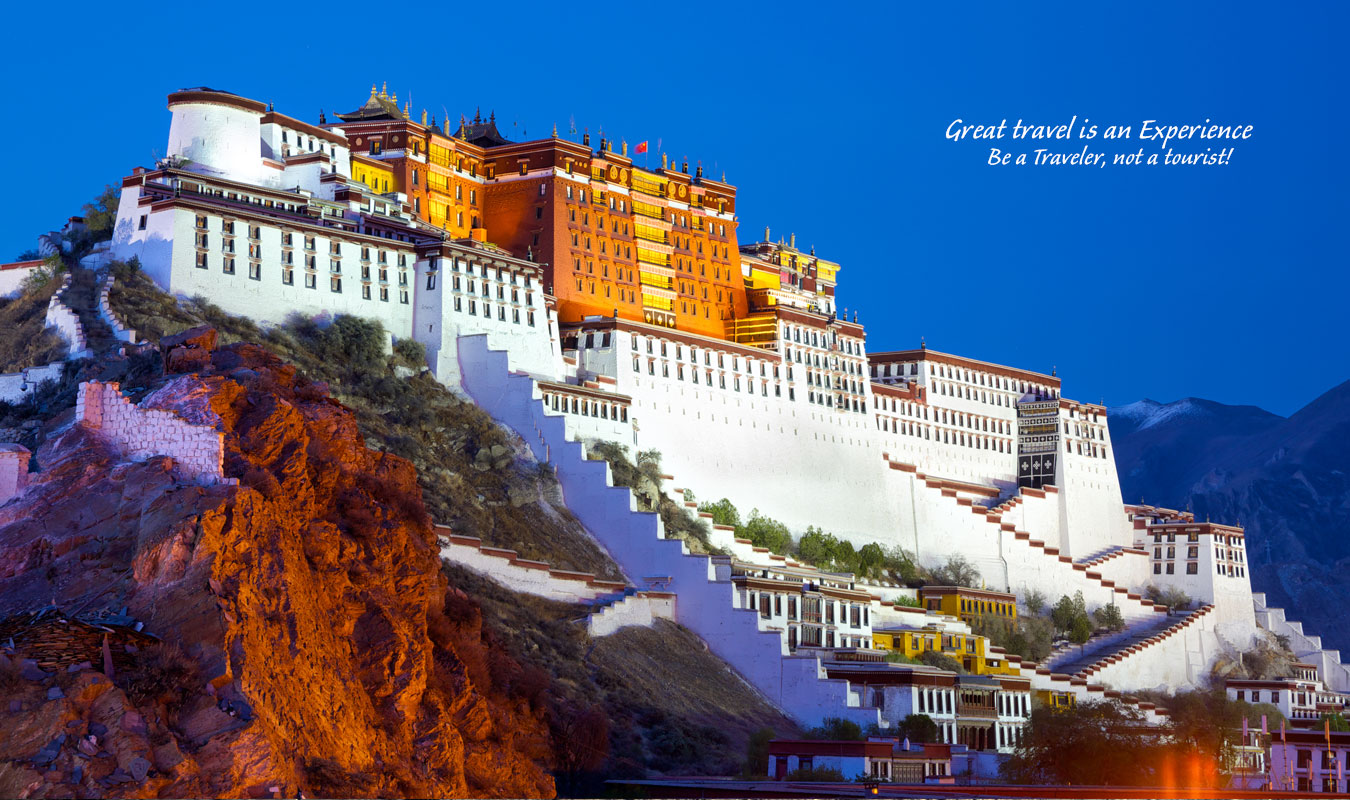
Cultural Heart of Tibet Tour
Essential Highlights touring Lhasa, Yarlung, Gyantse & Shigatse
Cultural Heart of Tibet Tour is one of our most popular tours of Tibet. It covers the most popular sights of “U” and the Tsang region of central Tibet.
Start your tour of Tibet from Tsedang, a great starting point, as it is lower slight lower in altitude (3150 meters above sea level and Lhasa is at 3490 meters); this helps you acclimatize better to high altitude conditions. Visit the earliest monastery of Tibet at Samye; visit Yambulakhang, believed to be the earliest building in Tibet. Visit Chongye and other sights in Yarlung Valley.
Then drive to Gyantse passing the turquoise blue Yamdrok Tsho Lake. Visit sights in Gyantse, Shigatse and travel overland to Lhasa, the cultural and historical capital of Tibet.
As this route is frequented by tourists, the accommodation options are greater and of a higher standard than other tours in Tibet.
Cultural Heart of Tibet Tour Outline Itinerary
Day 1: Arrive Tibet –Tsedang (D)
Arrive by flight to Lhasa Gongkar airport. Meet and transfer to Tsedang, 2 hr drive. Check into our hotel. It is essential to take it easy today, to acclimate to the altitude.
Overnight in hotel.
Day 2: Excursion to Samye & Chongye Valley (B/D)
This first day in Tibet is also where the Tibetan civilization and monastic institutions began. Explore Chongye Valley and burial sites of the Tibetan Kings. Visit Yumbulakhang, which believed to be the first building fortress in Tibet. Nearby visit 7th century Tadruk temple. Finally drive to visit Samye monastery.
Overnight in hotel.
Day 3: Drive across Yamdrok Tso Lake to Gyantse (B/D)
Drive across Kambala Pass and along the long shores of dazzlingly turquoise green Yamdrok Tso Lake, with spectacular vistas to Gyantse. En-route stop at villages, town and nomad camps. Arrive in the late afternoon at Gyantse, one of Tibet’s most traditional towns, little influenced by the Chinese.
Overnight in hotel.
Day 4: Gyantse – Shalu – Shigatse (B/D)
See the famed Gyantse Kumbum, that rises over four symmetrical floors, topped by a gold dome. Visit Pelkor Chode Monastery, just next door and drive up to the Gyantse Dzong, for breathtaking views of the surrounding countryside. After lunch, drive to Shigaste, visiting Shalu monastery en-route.
Overnight in hotel.
Day 5: Shigaste – Lhasa (B/D)
Shigatse, the second largest city in Tibet has both modern buildings and a delightfully whimsical jumble of monasteries and Dzongs in the old Tibetan quarter. Visit Tashilhunpo Monastery, one of the few monasteries virtually untouched by Cultural Revolution. In the afternoon drive along the Yarlung valley to Lhasa.
Overnight in hotel.
Days 6 & 7: Lhasa (B/D)
During the next two days, visit the 7th century Jokhang Temple, Tibet’s holiest site. Take a walk in a clock-wise circuit or Kora around the temple grounds, along with the stream of humanity. Stroll through Barkhor market square. Visit the World Heritage, formidable site of Potala Palace in the morning. Later drive west to Drepung Monastery. Visit the traditional Tibetan hospital of Mentsekhang. Visit Norbulingka, a tranquil and shady retreat, which was the former summer palace of Dalai Lamas. Visit new Tibet Autonomous Region Museum with its galleries of Prehistoric Culture, Tibetan Arts, Thangka Painting, and Folklore and Culture. Visit Sera Monastery, possibly during their theological debates. Visit nunnery, many other smaller temples and monasteries, rarely visited by Westerners, hidden in the back alleys of the old quarter.
Overnight in hotel.
Day 8: Departure (B)
Departure transfer to the airport in time for your departure flight to next destination.
8-day trip, from 1330 per person. Tell us your dates and group size and we will price it exactly.
Included
- Accommodations in 3-4 star hotel as per list or similar.
- All meals as indicated by (B/D) for breakfast, lunch and dinner respectively.
- One dinner with cultural performance.
- All private transfers and transportation by good quality Land Cruiser.
- Entrance fees.
- Local English speaking Tibetan Guide.
- Tibet Permits.
Not included
- Chinese Visa
- Flights
- Insurance for health and emergency medical services (highly recommended for Tibet).
- Bar, beverages, optional tips, and other personal expenses
I want to express my appreciation to Windhorse and especially to Dawa, our tour guide, for making our trip to Tibet unforgettable. Even though it has been three months since we took our vacation, the memory of the trip is still with me and brings a smile to my face every day. I would especially like you to know how…
Hi Ugen, Just wanted to let you know what an amazing trip we had to Tibet and to say thank you for arranging everything for us. The itinerary was perfect and our guide, Nyima, (sp??) was very knowledgeable and very patient with us as we tried to get a grasp on the Tibetan culture and all the Buddhas. Again, memories…

Tashi
Mr. Tashi is from the Amdo region of Tibet. Studied Tibetan Buddhism and English literature in Varanasi India from for 5 years. He speaks excellent English and some Hindi, and wonderful Mandarin Chinese. His passion for the scenery of his homeland has led him to deepen his knowledge of Tibet’s less traveled paths,…
What travelers most often ask us before a trip to Tibet.
Its more than likely that it will remain open during the period unless the natural calamities. The main suspect is the landslide, which is prevalent during raining season. During this period, the chances of rain is slim.
Photography at the airports, bridge and government establishment is not allowed if posted. On violation of this rule, you may be penalized, your camera, film etc taken away. Some monasteries and temples will allow you to take pictures inside them and may demand fees for the same. Tibetans generally will not be pleased when you take picture of something that is held sacred, including those inside the temples or monasteries.
As there are discounts for children traveling in Tibet, it needn’t break the bank if you bring kids along. They may become bored, however, with long, monotonous drives, few hotels with TV and little other ‘entertainment’ available. On the other hand, they will be immediately accepted by local kids and their families, and they could make many new friends. Wind Horse can make nanny and other baby sitting arrangements at a reasonable cost. However, because of the high altitude of Tibet, parents are requested to consult the pediatrician before they decide to take their children in the trip.
Wind Horse Tours feel honored to operate the trips of senior travelers. Hotels, guides and tour operators are all familiar with the needs of seniors and treat them with the traditional respect that the Tibetans have for their elders. The primary precaution one should take is to have an ample supply of any special medicines, since these probably will not be available in Tibet. There is no advantage to carrying any sort of senior identification in Tibet.
A cultural tour in Tibet is a challenge for a traveler with physical disabilities, but it can be made possible by Wind Horse Tours with planning. The Tibetans are eager to help, and Wind Horse Tours can arrange a strong companion to assist with moving about and getting in and out of vehicles. The roads are rough and sidewalks, where they exist, often have holes and sometimes steps. Hotels and public buildings do not have wheelchair access, and there are no toilets designed to accommodate wheel chairs.
Like most Asians, Tibetans believe that what one does in private is strictly a personal matter, and they would prefer not to discuss such issues. Public displays of affection are not appreciated and everyone, regardless of orientation, should exercise discretion.
Tibet prides itself on its lack of a class system and an absence of sexual discrimination. Tibetan women have the same rights as men, including rights to education, voting and holding positions in government. Women, both foreign and Tibetan are not subject to harassment and do not need to take any special precautions. Tibetans are more likely to help a woman in distress than a man. Young men have a reasonably liberated attitude towards their relations with women. There are several opportunities for misunderstanding if you don’t make your intentions clear from the very outset.