
My wife Sarah and I travelled with Elwyn and Jill Jones who have already written a testimonial. We echo what they say; it was an excellent experience during which all arrangements went like clockwork. All of the people who looked after us, particularly on the trek, were friendly, helpful and attentive. The villagers we met were most welcoming, and our…

Eastern & Western Bhutan with Merak & Sakteng Highlands
Merak Sakten - the Wild Eastern Bhutan - Yeti trail
Explore Bhutan’s Highlands, Hidden Valleys & Cultural Heartlands
This immersive journey is ideal for travelers returning to Bhutan to discover what was left unexplored—namely, the spiritual heartland of Bumthang and the culturally rich, remote eastern frontiers. The tour begins in Samdrup Jongkhar, and takes you overland across Eastern and Central Bhutan into the historic valleys of the West, blending cultural immersion, scenic drives, and optional trekking in some of the most secluded corners of the country.
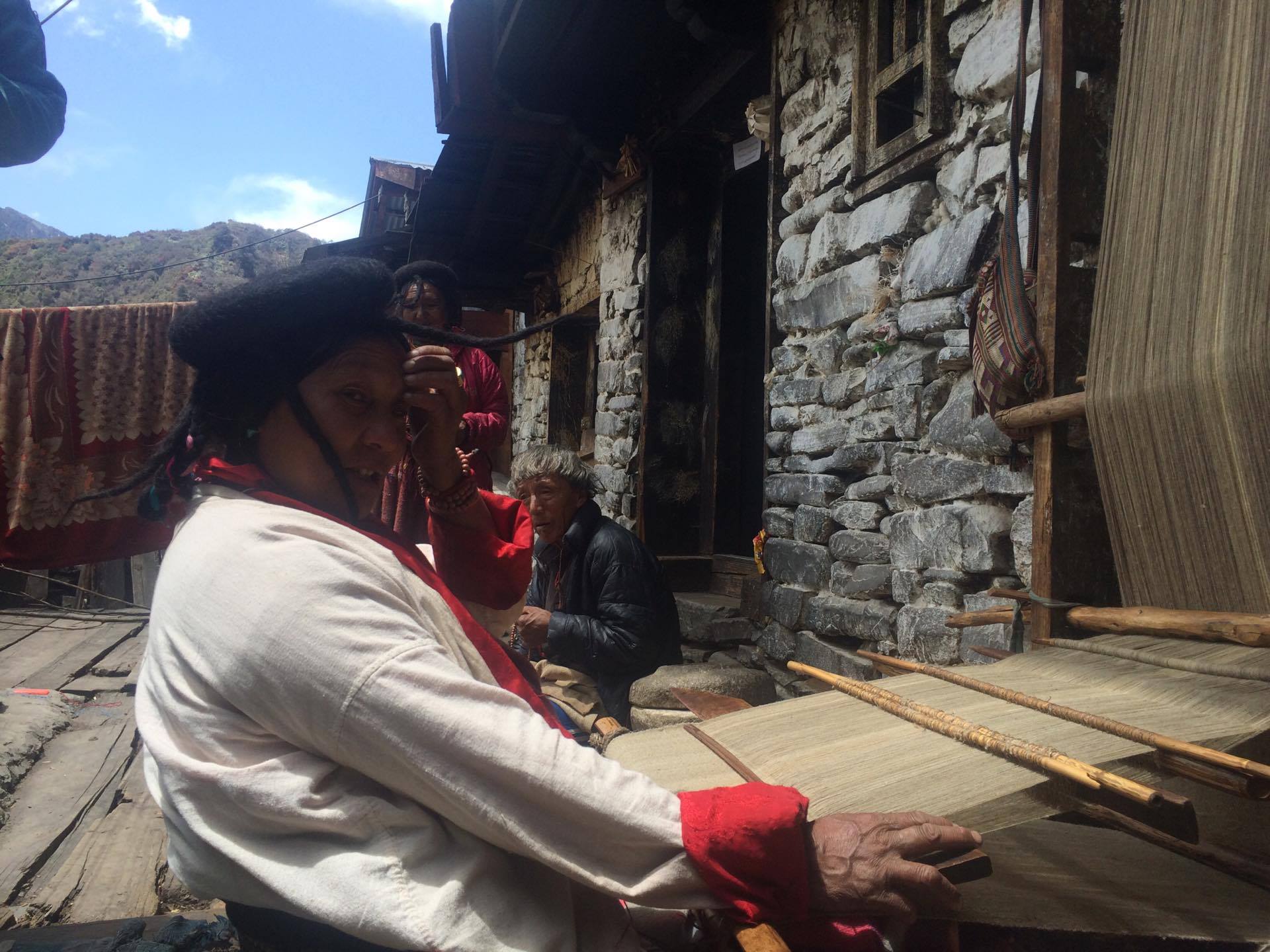
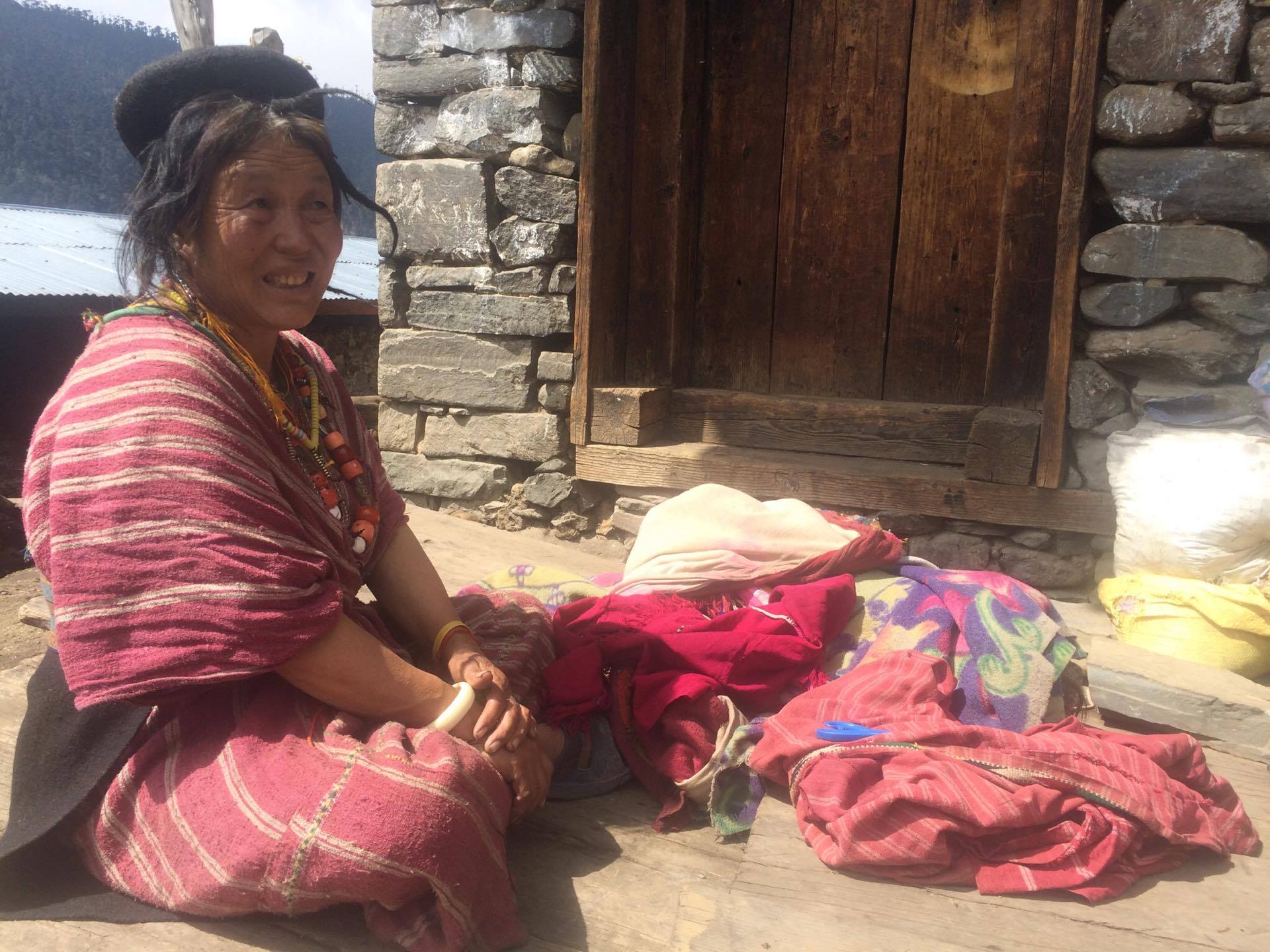
A highlight of this itinerary is a visit to the isolated Merak and Sakteng highlands, a region that only opened to tourism in 2009. This area remained closed to protect the unique cultural heritage of the Brokpa people—semi-nomadic yak herders known for their distinct dress, dialect, and stone-built homes. Access was restricted, and only a handful of researchers and tourists were ever granted permission to enter. It is also said that this valley was kept undisturbed to offer peace to the mythical Yeti, whose legends are still very much alive among the locals.
Trekking or driving through this region is a truly remarkable cultural and natural journey, as you pass through the Sakteng Wildlife Sanctuary—a biodiverse area that encompasses alpine meadows, temperate forests, and broadleaf woodland. Whether on foot or by road, you’ll gain rare insight into a way of life that has remained unchanged for generations.
After your time in Merak and Sakteng, you’ll traverse across Bhutan, journeying through Mongar, Yongkola, and into the Bumthang Valley—often called the spiritual heart of Bhutan—before flying west to Paro, where you’ll end the journey with a hike to the iconic Taktsang (Tiger’s Nest) Monastery.
This tour covers the full spectrum of Bhutan’s cultural and ecological diversity—historic monuments in the west, deeply traditional and lesser-known communities in the east, and natural beauty throughout.
Highlights:
- Visit the remote highland villages of Merak and Sakteng, recently opened to visitors
- Encounter the Brokpa people, with their unique customs, language, and attire
- Explore Sakteng Wildlife Sanctuary, rich in Himalayan biodiversity and folklore
- Cross Bhutan from east to west, traversing towns, valleys, and national parks
- Delve into the spiritual sites and living traditions of Bumthang
- Conclude with a scenic flight and a hike to the legendary Tiger’s Nest in Paro
- Optional trekking from Merak to Sakteng or overland journey by vehicle
Outline Itinerary:
Day 1: Arrive in Samdrup Jongkhar (via Guwahati or other nearby Indian cities)
Day 2: Drive to Trashigang
Day 3: Explore Trashigang, and visit Ranjung and Radhi villages, with an overnight stay in a local homestay
Day 4: Drive to Merak (2–3 hrs) and explore the remote Brokpa village
Day 5: Trek to Miksakteng, continuing on to Sakteng (this is a long day trek, with the option to camp in Miksakteng)
Day 6: Explore Sakteng on foot, a culturally unique highland village
Day 7: Drive back to Trashigang (approx. 3 hrs)
Day 8: Drive to Mongar, continuing onward to Yongkola, a hotspot for birdwatching
Day 9: Drive to Bumthang, crossing scenic mountain passes
Day 10: Explore Bumthang, Bhutan’s spiritual and cultural heartland
Day 11: Fly to Paro
Day 12: Contingency day in case of flight delays; explore Paro, or hike to the iconic Taktsang (Tiger’s Nest) Monastery
Day 13: Departure
Customization Options:
- This itinerary is especially suited for travelers who have previously visited Bhutan but, due to time constraints, were unable to explore the Bumthang region or venture into the eastern highlands. It offers an ideal opportunity to fill in those gaps with a rich, meaningful experience.
- The itinerary can be done in reverse, starting in Paro and ending in Samdrup Jongkhar.
- The trek between Merak and Sakteng can be replaced with a drive.
- You may skip Bumthang and fly directly from Trashigang (Yonphula Airport) to Paro.
- Additional time can be added for hiking in Bumthang or exploring the Lhuentse (Kurtoe) region, known for its ancient temples and exquisite weaving traditions.
Activities: Trekking, Walking Tours, Culture Tours
Trip highlights
- Colorful festival.
- Remote villages Meet the Brokpa tribe
- Trekking off the beaten trail
- National Parks
- Cultural monuments
- Takstang (Tiger’s Nest)
- Local markets.
13-day trip, from 5000 per person. Tell us your dates and group size and we will price it exactly.
Included
- Bhutan Royalties, tourists fees, Visa fees and taxes.
- Accommodations in listed or similar hotels (pleasant hotels 3-4 star type)
- All meals, including evening tea/coffee etc through-out the tour in Bhutan.
- All land transfers, sightseeing with entrance fees.
- Experienced English Speaking Bhutanese Tour Guide.
- Bottled water in the vehicle and other comp. services.
- Full-service camping
Not included
- Flights into and out of Bhutan
- Optional Travel/Medical Insurance
- Personal expenses such as bars, beverages in the hotel, telephone, laundry, trips, and other
Hello Rinzin May I say thank you for the wonderful trip to Bhutan that you put together for Geoff and Sarah Buck, Jill and myself. The trip exceeded our expectations and provided us with a real insight to life in rural Bhutan. Our guide Taschi is obviously very proud of his country and its heritage. He made time to explain…
Hi Anand, - I think the trip went well. I did get sick at one of the hotels from food being incorrectly described. Pema said he told the hotels in advance of my Celiac condition, and I asked the woman serving the food if there was any wheat in a vegetable dish and she said no. I asked her to please…
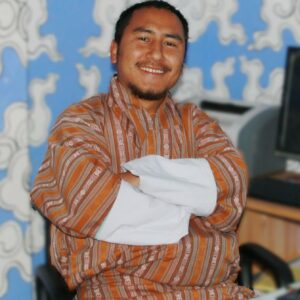
Sonam Loday
A good sense of humour is the currency that prevail everywhere regardless of the time or circumstances. An asset that that has potential to make even the ordinary trip into extraordinary. Sonam Loday has this traits in abundance. This is intrinsic and come as naturally as bees to the flower.…
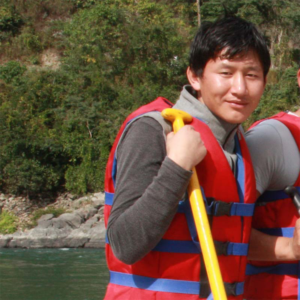
Kezang Norbu
Kezang is a graduate from Gedu Business School college in Bhutan, but he was always interested in the Buddhist Philosophy, which made him alter his ambition to being a tour Guide. He is super polite and Buddhist to the core, because his parents and their parents were all affliliated to…




- Best Months — April, May, October, November
- Good Months — March, December
- Lean Months — January, February, June, July, August, September
What travelers most often ask us before a trip to Bhutan.
Are monument and park entrance fees included in my trip?
No. Since the 2023 policy update, the entry fees are not included and are in addition to the daily SDF (Sustainable Development Fee), you will need to pay for these tickets separately at each location, or your tour operator (like Wind Horse) can include them as a pre-paid “service” in your tour package.
Most Dzongs & Museums charge Nu. 500, with Takstang @1000/
For details on the latest entry fees to the monuments, parks, and attractions, visit Bhutan Entrance fees:
Yes, flights to Bhutan can be affected by weather conditions. Paro Airport is located in a narrow valley and requires visual flying conditions, meaning flights operate only during daylight hours and in suitable weather.
During the monsoon season (June–September), low clouds, rain, or reduced visibility may cause short delays or, in rare cases, cancellations. In winter, early-morning fog can sometimes delay departures. However, Bhutan’s airlines are highly experienced in operating in these conditions, without compromising the safety.
When disruptions occur, airlines usually reschedule flights for the next available weather window. We recommend allowing some buffer time at the start or end of your trip and having flexible onward travel plans.
Wind Horse closely monitors flight operations and assists guests with rebooking and logistics if weather-related changes arise.
Bhutan’s official currency is the Bhutanese Ngultrum (BTN), which is pegged 1:1 with the Indian Rupee, so the two currencies are equal in value. Indian Rupees are accepted in Bhutan.
Yes. Bhutan is considered one of the safest countries in the world for travelers, including solo travelers and solo women travelers. Crime rates are very low, violent crime is rare, and Bhutanese society places a strong emphasis on respect, community, and hospitality.
Solo women travelers generally feel comfortable traveling in Bhutan. Harassment is uncommon, and locals are welcoming and helpful.
When traveling on guided tours or treks, you are accompanied by licensed guides and drivers, which adds an extra layer of safety and support.
As with travel anywhere, we recommend using common sense—being aware of your surroundings, dressing modestly, and following local customs. With these basic precautions, Bhutan is a relaxed, secure, and rewarding destination for solo travel.
The most popular times to visit Bhutan are spring (March–May) and autumn (late September–November), offering the best combination of weather, scenery, and cultural experiences.
- Spring (March–May):
Ideal for nature lovers, with valleys alive with blooming rhododendrons and wildflowers. Temperatures are mild, making it a great season for sightseeing and moderate trekking. - Autumn (late September–November):
Known for the clearest Himalayan views, crisp air, and deep blue skies. This is also the peak season for major festivals (Tshechus) and high-altitude trekking. - Winter (December–February):
An off-peak season with cold nights and early mornings, but generally clear, sunny days and stable weather. Snowfall is mostly limited to high mountain passes. While not suitable for high-altitude treks, winter is ideal for cultural tours and walks in lower valleys and subtropical forests. As most towns and villages in the eastern Bhutan and southern Bhutan are located at lower elevation, winter is best time to visit them. - Summer (June–August):
Warm and pleasant, with occasional monsoon rains, mostly in the evenings or at night. The countryside is lush and green, crowds are fewer, and low-season rates are available.
Independent trekking is not permitted in Bhutan. All trekkers must be accompanied by a licensed Bhutanese guide and a support team, where camp and food arrangements in needed.
Some trekking areas require National Park permits and some even need military clearance and those are not issued without the local tour operator’s undertaking and the presence of guides on the trails.
No. Indian citizens with Indian passport or valid travel document such as Voter IDs do not require a visa to enter Bhutan. However, an Entry Permit is mandatory.