
As world travelers, my wife and I have taken several organized l tours around the world. Most of them are with a big group of people. The itinerary is usually packed with touristy spots. However, with Wind Horse, it is totally a different level of traveling. It was the experience and culture learning that makes this trip so memorable. We loved both…
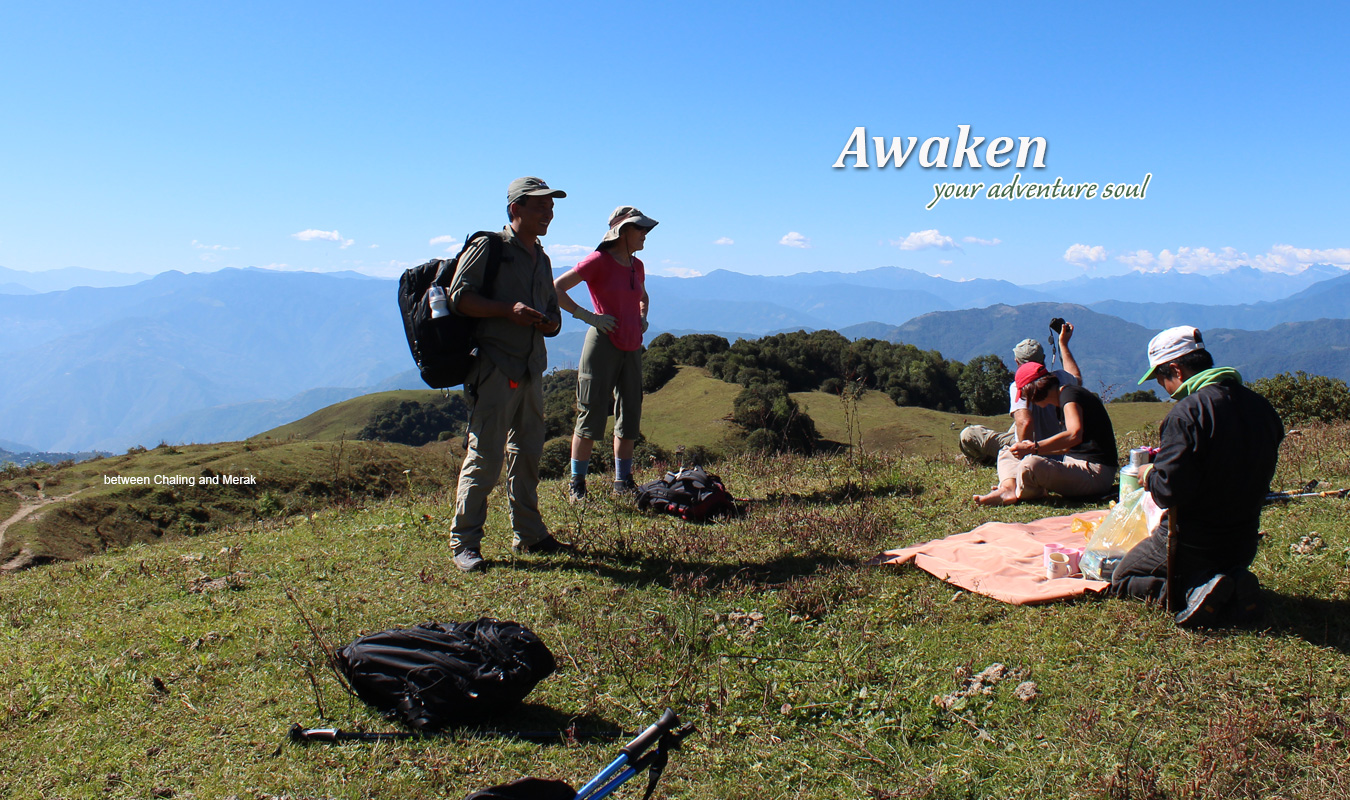
Eastern Bhutan Tour
Discover Bhutan's Quaint Eastern Frontier, where tranquility, pristine natural elements and its quaint appeals are still order of the day.
In a world that is changing rapidly, where relevance can fade swiftly, the Eastern Bhutan Tour emerges as a captivating contradiction. It imparts a deep sense of serene vitality. The enduring allure of its quaint charms evokes a feeling of time slowing to a gentle standstill, a realm far removed from the frantic pace of modern life’s drama.
Over time, Eastern Bhutan has remained a relatively untouched gem, attracting only a select few visitors. Its secluded nature has played a pivotal role in this, safeguarding its traditions, cultural wealth, and untouched natural beauty.
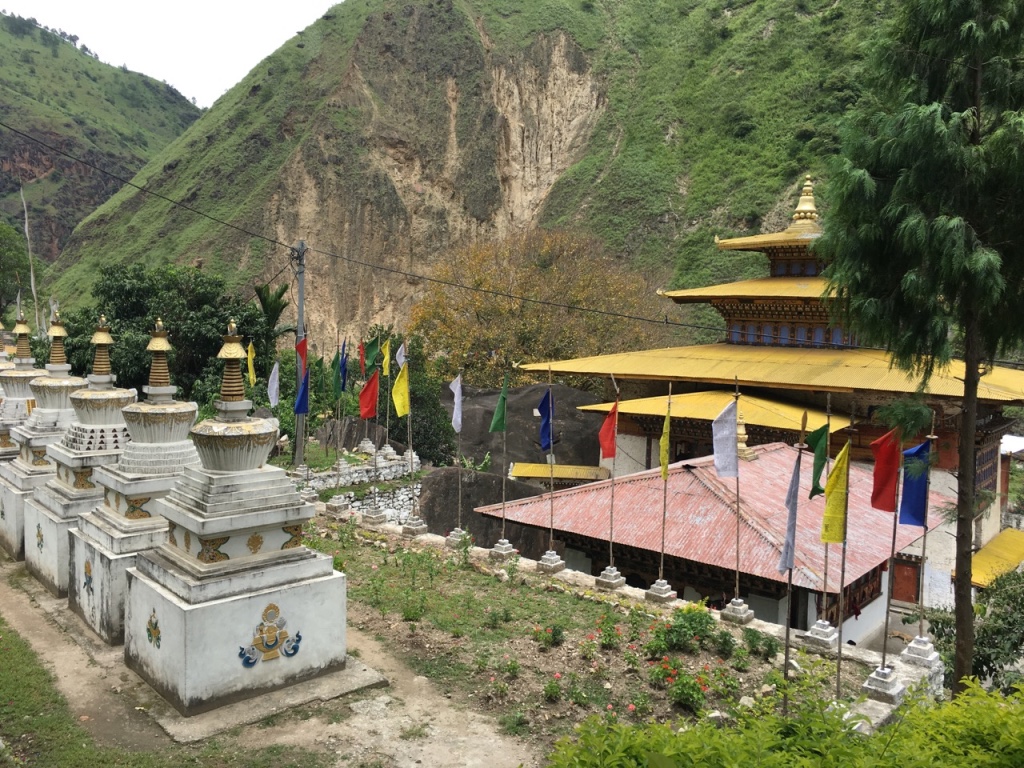
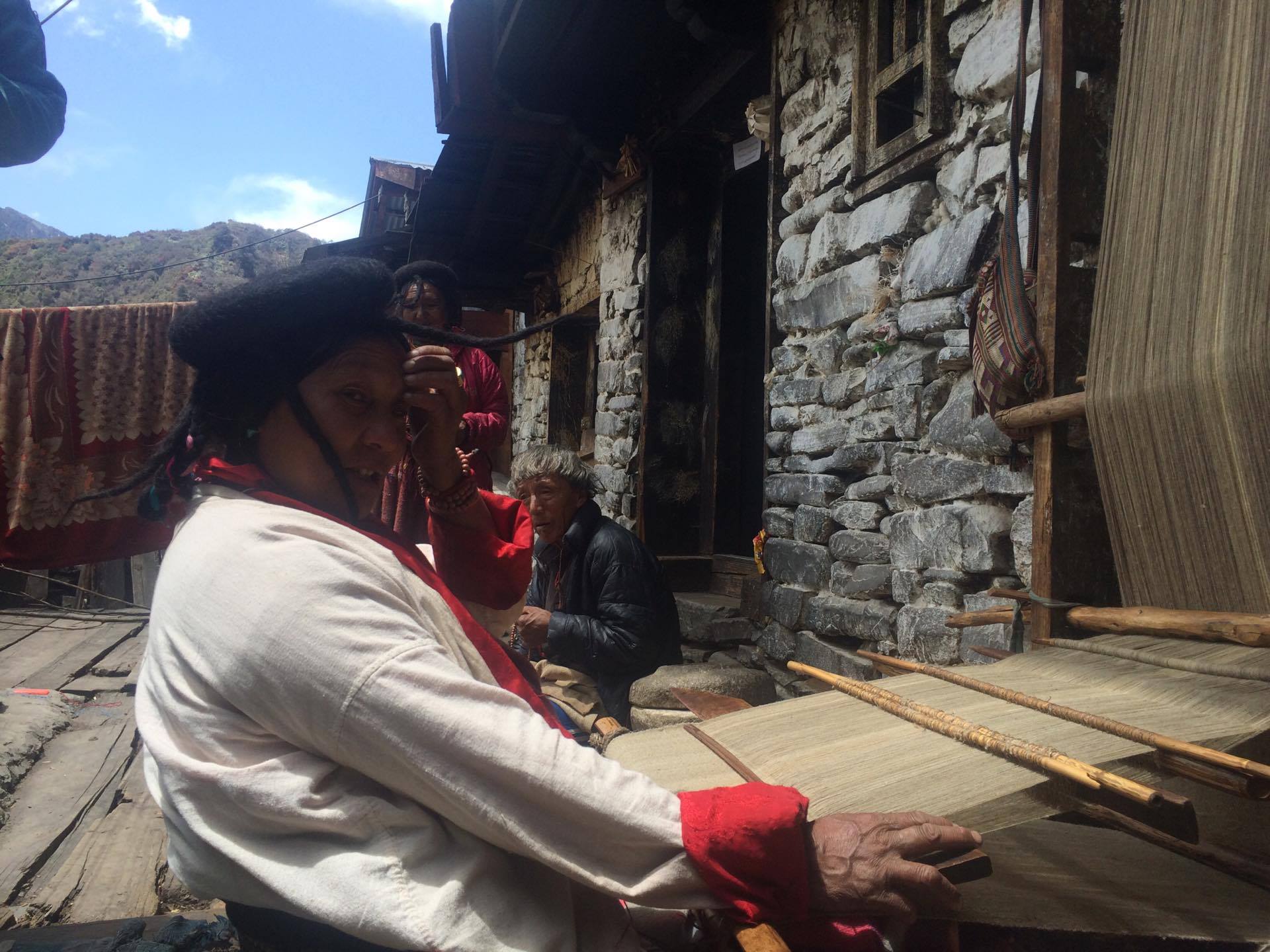
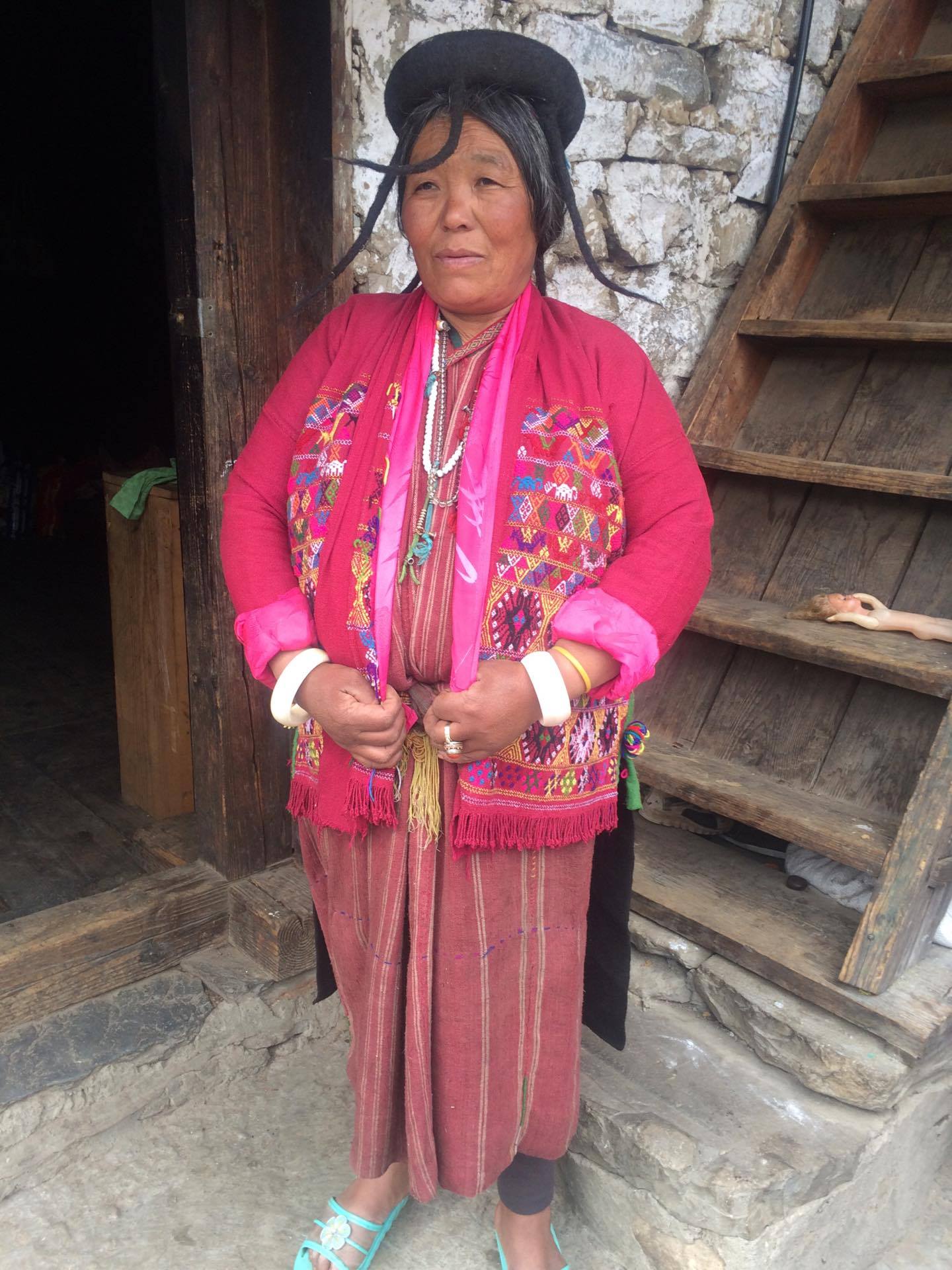
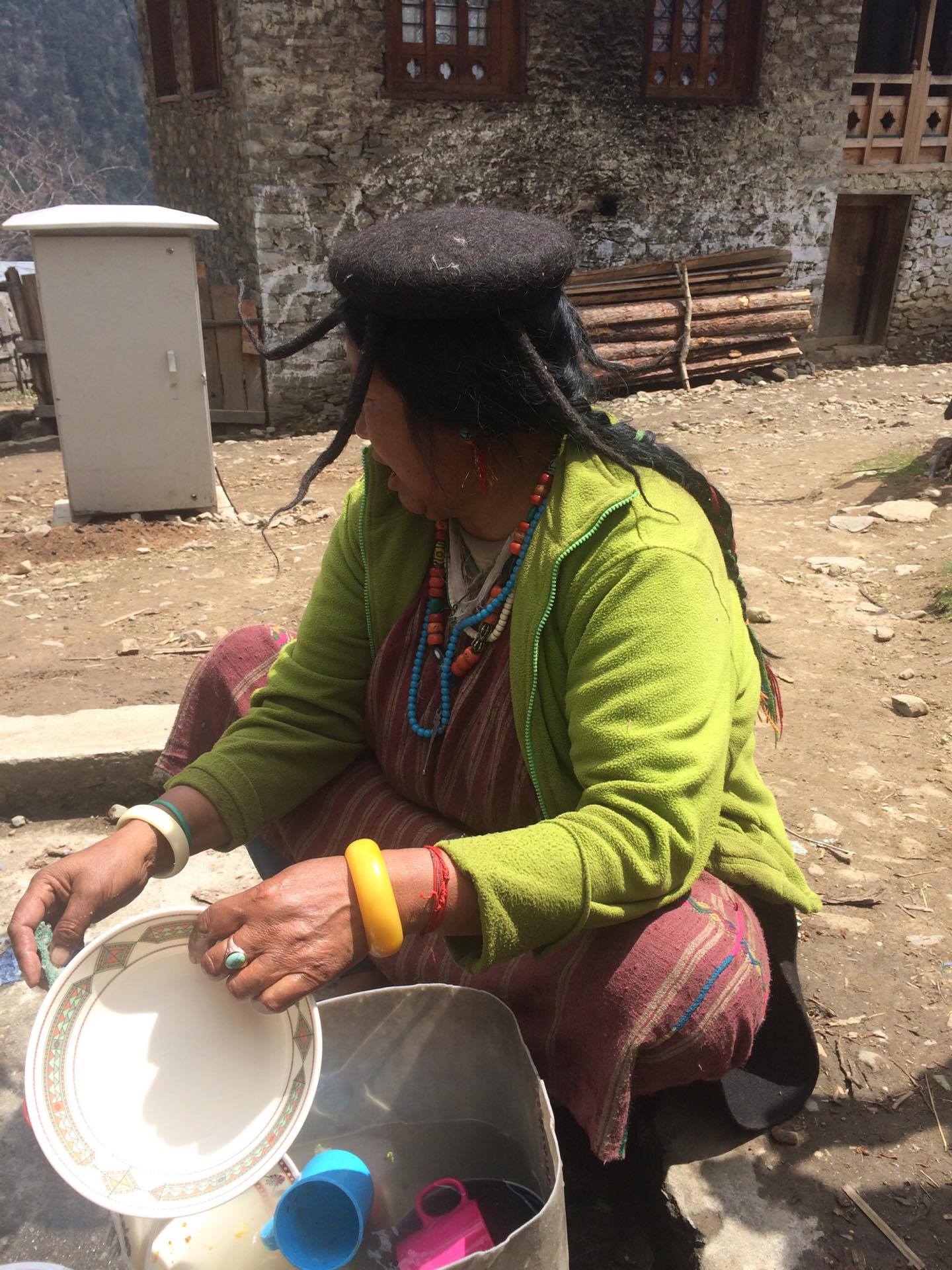
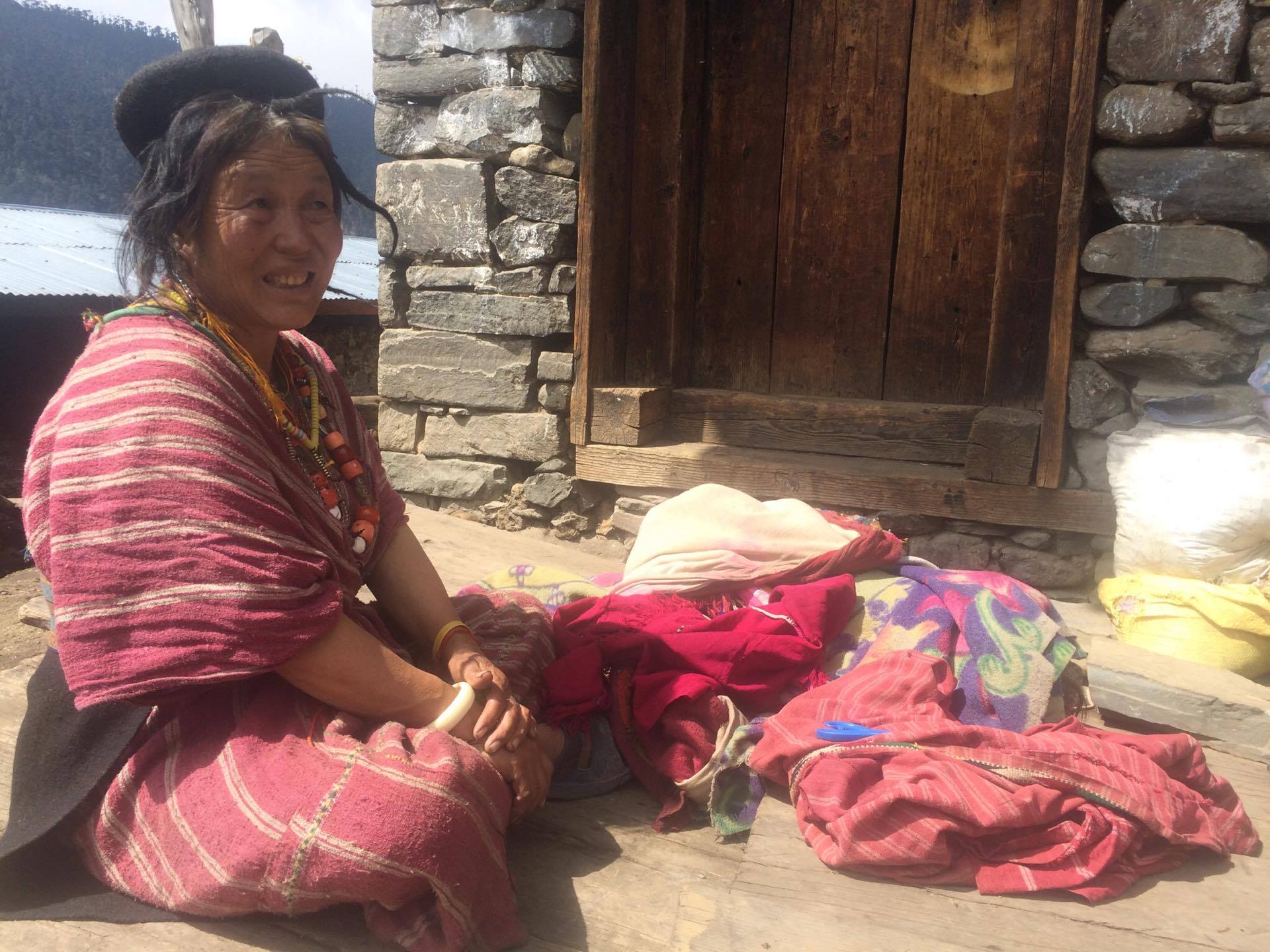
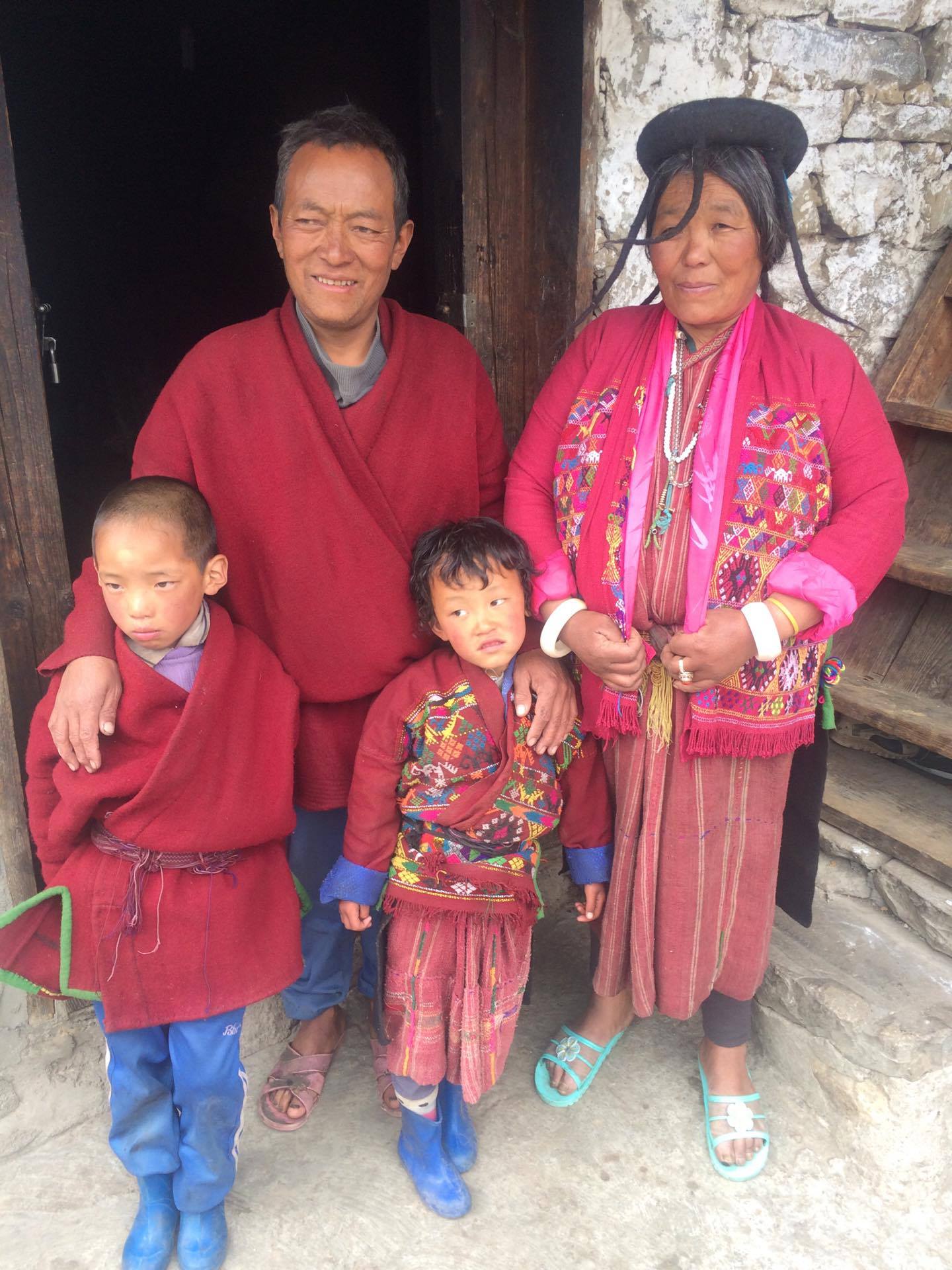
This expedition uncovers not only the natural splendor of the regions but also delves into their social, cultural, and traditional dimensions. It provides a glimpse into some of the country’s oldest spiritual practices. Furthermore, it offers the chance to venture into remote villages and unique communities, including the highland Merak’s Brokpa community.
The journey begins with a pickup in Guwahati, India, guiding you through Samdrup Jongkhar, a quaint border town. Right from the start, you’ll be enveloped in the world of remote villages, where simplicity reigns, and convenience is minimal. Yet, what truly shines are the sincere and kindred spirits you’ll encounter along your path.
As you embark on this adventure, you’ll explore weaving centers where skilled artisans practice their craft. You’ll immerse yourself in significant spiritual and cultural sites, peruse small yet lively markets, and step into local homes and villages, providing ample opportunities to engage with the warm communities.
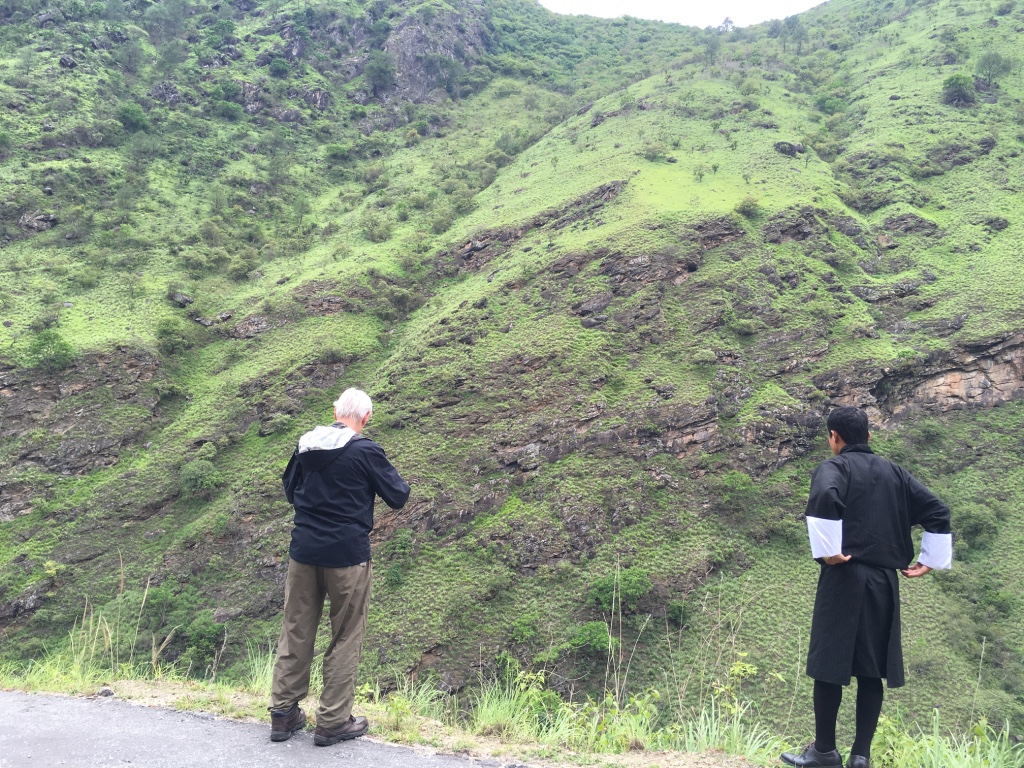
Throughout this journey, short hikes across diverse landscapes will lead you to villages and local landmarks. The accommodations along the route offer comfort in their simplicity, featuring clean and cozy rooms. In places like Wamrong and Merak, you’ll find lodging in guesthouses and homestays run by local families. This unpretentiousness adds a distinctive charm to the overall experience.
Undoubtedly distinct from our conventional offerings, this tour emerged from the aspirations of our past contented guests, yearning to immerse themselves in the timeless essence of Village tour in Bhutan through its quaint villages and lush landscapes. It’s a tribute to all those who have journeyed with us before, inspiring us to curate this exceptional and enriching adventure.
Eastern Bhutan Tour Outline Itinerary
Day 1: Arrive in Guwahati (Assam) & travel overland to Samdrup Jongkhar, Bhutan
Day 2: S/Jongkhar to – Wamrong/Trashigang
Day 3: In Trashigang
Day 4: Drive to Highland village of either Merak or Sakteng (Depending on the road condition) and explore
Day 5: Return and explore Radhi village, staying in Ranjung
Day 6: Ranjung – Trashiyangtse (exploring villages of Bidung, Ramjar etc)
Day 7: A Day in Trashiyangte (with optional excursion to Bomdila)
Day 8: Drive back to Trashigang
Day 9: Fly to Paro (Flights operate only two times per week)
Day10: In Paro
Day 11: Hike to Takstang
Day 12: Departure
The Eastern Bhutan Tour is constantly evolving as new roads are built, connecting villages that were reachable only by arduous treks Customize your adventure to match your interests, time frame, and preferred season for an unforgettable experience.
Activities: Culture Tours, Village Tours, Discovery
12-day trip, from 3000 per person. Tell us your dates and group size and we will price it exactly.
Included
- Accommodations in mix of village Guest Houses/Home stay and 3 star hotels
- All meals
- All land transfers by private vehicle including pick-up at Guwahati
- Internal flight Yongphula to Paro
- Sightseeing with entrance fees
- English speaking Bhutanese Guide
- Bhutan Visa & visa fees
- Daily SDF
- Bottled water in the vehicle and other comp. services.
Not included
- Flights into Guwahati and out of Bhutan
- India Visa and all other India arrangements
- Optional Travel/Medical Insurance
- Personal expenses such as bars, beverages in the hotel, telephone, laundry, trips, and others.
I visited Eastern Bhutan with 3 other friends and family on a custom tour with WindHorse. It was my 2nd time going with WindHorse. The first time I joined the 13-day Drukyul Walking tour and I was mesmerized by the landscape and pristine beauty of Bhutan. So I decided to come back to see Eastern Bhutan which is known to…
Hello Anand, Thank you for your email, I received it with pleasure :-) The most memorial moment in Assam for me is the magnificent early morning of elephant ride, getting close to the animals under the fogging sunrise . The landscape of Assam looks like Asian countries with the tea plantations and rice fields. Amand, thank you again for your…
updating
Kezang Norbu
Kezang is a graduate from Gedu Business School college in Bhutan, but he was always interested in the Buddhist Philosophy, which made him alter his ambition to being a tour Guide. He is super polite and Buddhist to the core, because his parents and their parents were all affliliated to…
Pema Namgay
From the outset, Pema Namgyal knew what he wanted to do in life. He love to keep things simple. Right after finishing his Class 12 from school in Thimphu in 2004, he joined guiding course to aspire to be a guide. Initially he started as cultural guide but with time, he felt…








- Best Months — March, April, October, November
- Good Months — January, February, May, December
- Lean Months — June, July, August, September
What travelers most often ask us before a trip to Bhutan.
Are monument and park entrance fees included in my trip?
No. Since the 2023 policy update, the entry fees are not included and are in addition to the daily SDF (Sustainable Development Fee), you will need to pay for these tickets separately at each location, or your tour operator (like Wind Horse) can include them as a pre-paid “service” in your tour package.
Most Dzongs & Museums charge Nu. 500, with Takstang @1000/
For details on the latest entry fees to the monuments, parks, and attractions, visit Bhutan Entrance fees:
Yes, flights to Bhutan can be affected by weather conditions. Paro Airport is located in a narrow valley and requires visual flying conditions, meaning flights operate only during daylight hours and in suitable weather.
During the monsoon season (June–September), low clouds, rain, or reduced visibility may cause short delays or, in rare cases, cancellations. In winter, early-morning fog can sometimes delay departures. However, Bhutan’s airlines are highly experienced in operating in these conditions, without compromising the safety.
When disruptions occur, airlines usually reschedule flights for the next available weather window. We recommend allowing some buffer time at the start or end of your trip and having flexible onward travel plans.
Wind Horse closely monitors flight operations and assists guests with rebooking and logistics if weather-related changes arise.
Bhutan’s official currency is the Bhutanese Ngultrum (BTN), which is pegged 1:1 with the Indian Rupee, so the two currencies are equal in value. Indian Rupees are accepted in Bhutan.
Yes. Bhutan is considered one of the safest countries in the world for travelers, including solo travelers and solo women travelers. Crime rates are very low, violent crime is rare, and Bhutanese society places a strong emphasis on respect, community, and hospitality.
Solo women travelers generally feel comfortable traveling in Bhutan. Harassment is uncommon, and locals are welcoming and helpful.
When traveling on guided tours or treks, you are accompanied by licensed guides and drivers, which adds an extra layer of safety and support.
As with travel anywhere, we recommend using common sense—being aware of your surroundings, dressing modestly, and following local customs. With these basic precautions, Bhutan is a relaxed, secure, and rewarding destination for solo travel.
The most popular times to visit Bhutan are spring (March–May) and autumn (late September–November), offering the best combination of weather, scenery, and cultural experiences.
- Spring (March–May):
Ideal for nature lovers, with valleys alive with blooming rhododendrons and wildflowers. Temperatures are mild, making it a great season for sightseeing and moderate trekking. - Autumn (late September–November):
Known for the clearest Himalayan views, crisp air, and deep blue skies. This is also the peak season for major festivals (Tshechus) and high-altitude trekking. - Winter (December–February):
An off-peak season with cold nights and early mornings, but generally clear, sunny days and stable weather. Snowfall is mostly limited to high mountain passes. While not suitable for high-altitude treks, winter is ideal for cultural tours and walks in lower valleys and subtropical forests. As most towns and villages in the eastern Bhutan and southern Bhutan are located at lower elevation, winter is best time to visit them. - Summer (June–August):
Warm and pleasant, with occasional monsoon rains, mostly in the evenings or at night. The countryside is lush and green, crowds are fewer, and low-season rates are available.
Independent trekking is not permitted in Bhutan. All trekkers must be accompanied by a licensed Bhutanese guide and a support team, where camp and food arrangements in needed.
Some trekking areas require National Park permits and some even need military clearance and those are not issued without the local tour operator’s undertaking and the presence of guides on the trails.
No. Indian citizens with Indian passport or valid travel document such as Voter IDs do not require a visa to enter Bhutan. However, an Entry Permit is mandatory.