

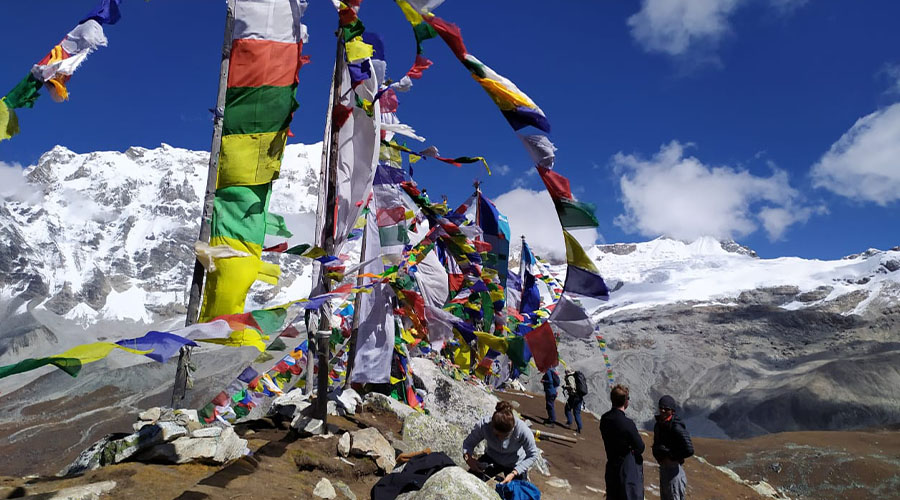
Langtang Region Trekking – Exploring the Sacred Hidden Valleys of Langtang
The Langtang region, located approximately 120 kilometers north of Kathmandu, is one of Nepal’s most accessible Himalayan trekking destinations. Known for its spectacular mountain scenery, traditional villages, and rich cultural heritage, the region offers an unforgettable trekking experience away from some of Nepal’s busier trekking routes.
Langtang region trekking combines the breathtaking beauty of the Langtang Valley, the sacred alpine lakes of Gosaikunda, and the picturesque landscapes of the Helambu Valley. It also provides an opportunity to experience the unique traditions and hospitality of the Tamang and Hyolmo communities, whose cultures have been shaped by centuries of Himalayan life and Tibetan Buddhist influences.
From lush forests and cascading rivers to alpine meadows and towering snow-capped peaks, the Langtang region offers remarkable natural and cultural diversity. Whether you are a first-time trekker or an experienced adventurer, Langtang has a variety of trails to suit different interests, fitness levels, and trekking schedules.
Highlights of Langtang Region Trekking
- Breathtaking Mountain View: Enjoy panoramic views of some of the Himalayas’ most impressive peaks, including Langtang Lirung (7,227 m), Dorje Lakpa (6,966 m), Gangchenpo (6,388 m), and Yala Peak (5,520 m).
- Diverse Natural Landscapes: Trek through lush forests of oak, pine, and rhododendron, cross rushing mountain streams, and explore alpine meadows and glacial valleys. Much of the region lies within Langtang National Park, an important protected area known for its diverse ecosystems and stunning natural beauty.
- Rich Cultural Heritage: Discover the traditions, lifestyles, and warm hospitality of the Tamang and Hyolmo communities. Traditional stone houses, Buddhist monasteries, prayer flags, mani walls, and ancient cultural practices offer fascinating insights into local Himalayan life.
- Sacred Gosainkunda Lake: Visit the sacred Gosaikunda Lakes, a collection of alpine lakes revered by Hindu and Buddhist pilgrims. Surrounded by rugged mountains, these high-altitude lakes hold deep religious significance and are particularly important during the annual Janai Purnima festival.
- Diverse Flora and Fauna: Langtang National Park is home to a wide variety of Himalayan wildlife and plant species. With some luck, trekkers may spot red pandas, Himalayan black bears, musk deer, and numerous bird species.
- Peaceful & Scenic Trails: Compared with Nepal’s busiest trekking routes, parts of the Langtang region offer a quieter and more peaceful experience. Trekkers can enjoy beautiful landscapes, traditional villages, and close encounters with local culture without the crowds often found on more popular trails.
- Affordable Trekking Experience: Langtang is an excellent option for travelers seeking a rewarding Himalayan adventure at a relatively affordable cost. Its proximity to Kathmandu, short trekkking duration, and low accomodation cost in tea houses makes it an excellent choice for budget concious travelers.
- Suitable fro different Experience Level: Several routes in the Langtang region are suitable for beginners with a reasonable level of fitness, while longer itineraries and high-altitude passes offer greater challenges for experienced trekkers.
Popular Treks in the Langtang Region
- Langtang Valley Trek: A classic trekking route, that take you through dense forests, traditional Tamang villages, and dramatic mountain scenery to Kyanjin Gompa. Trekkers can explore the surrounding alpine landscapes and enjoy magnificent views of Langtang Lirung and neighboring peaks.
- Tamang Heritage Trail: This culturally immersive trek explores traditional Tamang villages, terraced fields, ancient monasteries, and scenic mountain viewpoints. It offers an opportunity to learn about local customs, architecture, and daily life, with natural hot springs adding to the experience.
- Langtang Gosainkunda Lake Trek: This combined adventure connects the spectacular Langtang Valley with the sacred Gosaikunda Lakes. The route may involve high mountain passes and challenging terrain, making it particularly rewarding for trekkers seeking both cultural discovery and high-altitude scenery.
- Helambu Valley Trek: The Helambu Valley Trek is known for its beautiful forests, traditional settlements, Buddhist monasteries, and peaceful mountain landscapes. It is a good choice for trekkers interested in Himalayan culture and nature without committing to a long expedition.
Best Time to Visit
The best seasons for trekking in the Langtang region are spring and autumn, when weather conditions are generally more favorable for mountain views and trail conditions.
Spring (March–May): Spring is one of the best times to explore Langtang. The weather is often pleasant, mountain views can be excellent, and rhododendron forests burst into bloom. Temperatures gradually rise, making trekking enjoyable, although conditions can still change at higher elevations.
Autumn (September–November): Autumn is another excellent trekking season. The monsoon typically leaves the landscape fresh and green, while clearer skies provide impressive views of the surrounding Himalayan peaks. Daytime temperatures are generally comfortable, although nights can be cold at higher elevations.
Winter (December–February): Winter trekking is possible on many lower and more accessible routes, but temperatures can drop significantly at higher elevations. Snowfall, icy trails, and closed teahouses may affect travel plans, particularly on higher elevations.
Accommodation in Langtang Region
Accommodations in the Langtang region are in the form of tea houses, which are basic guest houses available in local villages and inside the National Park along the way.
Teahouses generally provide basic rooms with twin beds, blankets, and shared bathroom facilities. Some larger villages and lodges offer rooms with attached bathrooms, hot showers, and additional amenities, although availability varies by location and season.
How to get to the Langtang region trailhead?
Syabrubesi is the main starting point for the Langtang Valley Trek. It is located approximately 120–125 kilometers north of Kathmandu by road, although actual travel distance and duration depend on the route and road conditions.
Travelers can reach Syabrubesi by public bus or private jeep.
Public bus: A more economical option for budget-conscious travelers. However, buses may be crowded, and the journey can take longer depending on traffic and road conditions.
Private jeep: A more comfortable and flexible option, particularly for groups or travelers who prefer to set their own departure schedule. Private vehicles generally cost more than public transport.
The road journey typically takes around 6–8 hours, but delays are possible because of traffic, road construction, landslides, and seasonal weather conditions.
Not all Langtang-region treks start from Syabrubesi. Depending on your chosen itinerary, other trailheads may be more suitable, particularly for treks focused on Helambu or Gosaikunda.
Permits Required
Trekkers visiting the Langtang region generally need the Langtang National Park permit. This permit can be obtained at the checkpoint at Dhunche on the way to Syabrubesi.
Why Choose Langtang for Your Next Trek?
Langtang offers an exceptional combination of Himalayan scenery, cultural experiences, spiritual landmarks, and accessible trekking routes. Its proximity to Kathmandu makes it an attractive choice for travelers with limited time, while its diverse trails provide plenty of opportunities for longer and more challenging adventures.
Whether you choose the classic Langtang Valley Trek, the culturally rich Tamang Heritage Trail, the sacred Gosaikunda Lakes, or the peaceful Helambu Valley, you will discover a region defined by dramatic landscapes, welcoming communities, and a deep connection to Himalayan traditions.