
Hello Wind Horse With pleasure, I commit to words although it will be hard to match the depth and diversity of our experiences and gained insights. My interactions with Wind Horse have always been helpful, informative with prompt responses including, whilst we were shaping up the itinerary. Wind Horse was well organised, meeting us from our flight to Paro and…

Bumthang Owl Trek
Cultural Tour and three day trek in Bhutan
Bumthang Owl Trek in Bhutan is one of the popular and easy trek. Three day Bumthang Owl Trek offers an invigorating experience of the culture and environment of the country. It is an easy to moderate 3-day hiking starting from Menchugang, north of Jakar and ends at Tharpaling Monastery located on the ridge top above Chumey valley, all in Bumthang district. The trail has an abundance of flora and fauna, and the panoramic views of the valleys beneath the hill tops and the Himalayas spread over a broad horizon will be an experience that one shall cherish for a lifetime. This trek could be a substitute for the Bumthang Cultural Trek that has been deteriorated to a great degree by the farm road constructions.
On this trek you have the opportunity to see village life in Dhur. The virgin temperate forest of blue pine, hemlock, fir, spruce, juniper with under growth of bamboo spices, rhododendrons, birch, maple, chestnut and many others. In spring the rhododendrons flowers are in bloom that beautifies the whole trek route. The valley views and the Himalayan snow capped mountains in the north are quite beautiful. Birds of different spices, among them the big monal pheasants can be sighted around the second camp and Tharpaling area during mornings and evenings. You will also be able to see Monasteries, retreat centers in Tharpaling, Choedak and Zhambala, the area that is highly venerated as pilgrimage site for Bhutanese. Longchen Rabjam, the great philosopher of the Dzogchen, a religious movement of the Nyingmapa school spent almost 10 years here in the 14 century.
Outline Itinerary
Day 1: Arrive in Paro
Upon arrival in Paro, meet, tour/walk for the remaining day. If you wish, you can visit farm houses – a typical agrarian houses forming a quaint village nearby town and your hotel. Overnight in hotel.
Day 2: Fly to Jakar, Bumthang
Flight operates only on certain days. Bumthang is considered as spiritual heartland of Bhutan, vindicating, it is dotted with many religious edifices, attractions and also some scenic short hike. Based on your inclination, tour/walk around for the remaining time in and around Jakar. Overnight in hotel
Note:Due to road extension work in progress from Punakha till Bumthang, in some sections of roads the ride may get bumpy. Considering this, it is best to make useful domestic flight from Paro – Bumthang or other way round rather than travelling both way by road.
Day 3: In Jakar, Bumthang
Depending on your interest, we can incorporate visit to prominent cultural attractions and mainstay and more hikes that can set tone for your trek or combination. Overnight in hotel
Day 4: Begin Trek: Jakar- Menchugang-Dhur-Schonath (3450m/ approx. 6- 7 km/Walk &Visit 2- 3 hours, Trek – 2-3 hours)
Transfer to trail head, trek start from Menchugang. Visit Dhur (2900m) – biggest village in Bumthang. It consists of 75 households with diverse populations based on their local dialects. Above the villages offer a beautiful view overlooking village and far off mountains. Water driven flourmill is one of the highlights. Continue trek uphill through blue pine forest and reach the campsite at Schonath (3450 m) amidst hemlock and juniper forest. Howling of owl is quite common at night thus derives the name of this trek. Overnight in regular tent camp/Deluxe Camping.
Day 5: Trek to Kitiphu ((3870 m/3 hrs/ 5 -6 km)
Trek through verdant and virgin forest of spruce, hemlock, fir, birch and rhododendron species. Spring spells Technicolor bloom of rhododendron species. After 2 hours, you will reach Drangela pass (3600 m). Descent the pass and climb Kitiphu ridge campsite (3870 m). Climb further uphill for 30 -40 min at Kitiphu ridge summit for panoramic view of valley and mountain peaks – mainly Gangkar Phuensum (7541 m) – highest mountain of Bhutan. Overnight in regular tent camp/ Deluxe Camping.
Day 6: Trek end and drive to Trongsa (trek downhill – 2 hour/trek distance- 3-4 km downhill)
Climb down to the monasteries of Zambhalha, Chuedak and Tharpaling which brings you to the religious life of monk hood. After visiting the temples, monasteries, meet the vehicle and drive to Chumey valley (30 minutes downhill) and drive over the Yontongla pass to Trongsa (2hrs), where you can spend rest of the day visiting Trongsa Dzong and tower of Trongsa musuem.
From Tharpaling, there is a option to do a 3hr trek along the ridge to Kikila following the ancient trail and later drive for about 2.5hrs to Trongsa. This option is for those who want longer hiking. Overnight hotel in Trongsa.
Day 7: Drive to Punakha
The spectacular road passing many villages, with great views and ever changing vegetation as the road crosses Pelela pass and descends into subtropical Punakha-Wangdue area. Depending on the road condition, you could also take a side trip to Gangtey, Phobjikha valley, which takes additional 2hrs. Overnight hotel in Punakha/ Deluxe camping on river bank/ Typical Farm House Stay.
Day 8: In Punakha & Wangdue
Spend full day for tours, short hikes in Punakha Wangdue valley. You can also choose to stay in typical ancient farm house/deluxe camping on river Bank/ overnight in hotel.
Day 9: Punakha – Thimphu
Drive to Thimphu (3-4hrs) across spectacular Dochula pass. Option for a scenic hike from Dochula pass to Lungchuzekha and Trashigang. Overnight comfortable hotel in Thimphu
Day 10: Thimphu – Paro
Spend most part of the day for visiting sites in the capital, which has lots of monuments and other attractions that can be covered based on your interests. Then towards late afternoon, drive to Paro (1hr) and try to cover some sights missed on the first day in Bhutan. Overnight hotel in Paro.
Day 11: In Paro (Hike to Taktsang)
Dedicate a full day for hike to famous Tiger’s nest (Taktsang) monastery. As you have trekked, and covered much ground on foot, our guide can also bring you to sites above Takstang that are rarely visited and are as interesting. Overnight hotel in Paro
Day 12: Departure
Transfer to airport for your outbound Journey
Please note this trip can be also done in reverse order; travelling overland to Bumthang and flying back from there at the end.
Some pertinent links
Deluxe Camping
Typical Trekking Day
Camping and Gear provided
Food on Trek
Activities: Trekking, Culture Tours
Trip highlights
Visit major cultural landmarks sites enveloping western and central Bhutan (Bumthang). Besides the trek, as many day hikes incorporated so that you can interact with locales, farm house visit -insights into daily life at walking pace. Pristine environments, some wild life whilst in trek etc. Also farm house stay in Punakha (Clean and Hygienic) and deluxe camping that brims with amenities can add zing to your experience.
Included
- Bhutan Royalties, tourists fees, Visa fees and taxes.
- Accommodations in listed or similar hotels (pleasant hotels 3-4 star type)
- All meals,including evening tea/coffee etc through-out the tour in Bhutan.
- All land transfers, sightseeing with entrance fees.
- Experienced English Speaking Bhutanese Tour Guide.
- Bottled water in the vehicle and other comp. services.
Not included
- Flights into and out of Bhutan and Domestic flight.
- Optional Travel/Medical Insurance
- Personal expenses such as bars, beverages in the hotel, telephone, laundry, trips, and others
- Any items that are not listed in included section.
Dear Windhorse Team, Where to begin with insights into our wonderful Windhorse holiday in Bhutan in July 2019. We were four mature women travelling together. We are members of a walking group in Western Australia and most years some of us travel overseas together. This year Penny, Deb, Elspeth and I decided to go to Bhutan. Just the idea of…
TID 8721 (March 4-17) 2015 Guide Duba Hello Anand - Firstly, we want to tell you how amazing our guide was! Duba really made our trip. He was professional, punctual, knowledgeable, kind, and exceptionally friendly. For example, our guide would always rush to open our door, carry our handbags, and would ask us how we were feeling. Other positive factors were:…
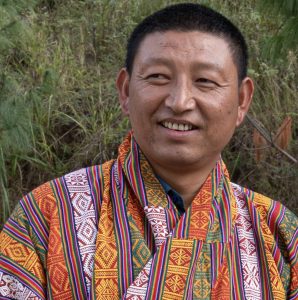
Yonten Phuntsho
Yonten Phuntsho is one of our senior most guide. And well versed on his business. Initially, he conceded an impression of a man of a few words but I was in for surprise with the knowledge of his job, great sense of humour and congenial personality- simply one cannot judge…
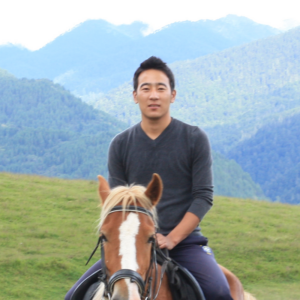
Namgay
Guide - Culture, Trek & Nature Growth in Tourism in Bhutan has also its share of impact on young minds. With tourists freely moving around, the curiosities to know them, talk to them holds ground firmly on young minds . Namgay is one among many youth whose imagination was captured…
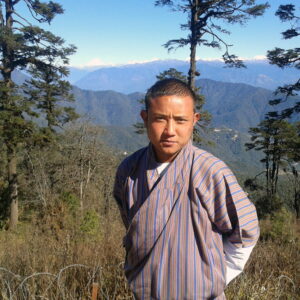
Yeshi Penjor
One of the guest fondly remarked " Yeshey Penjor may be short in stature but he walks real tall in term of dedication, knowledge and the way he carries and does his work" Except perhaps during the nightmare at night, he wear his smile almost all the time. His soft…


What travelers most often ask us before a trip to Bhutan.
Are monument and park entrance fees included in my trip?
No. Since the 2023 policy update, the entry fees are not included and are in addition to the daily SDF (Sustainable Development Fee), you will need to pay for these tickets separately at each location, or your tour operator (like Wind Horse) can include them as a pre-paid “service” in your tour package.
Most Dzongs & Museums charge Nu. 500, with Takstang @1000/
For details on the latest entry fees to the monuments, parks, and attractions, visit Bhutan Entrance fees:
Yes, flights to Bhutan can be affected by weather conditions. Paro Airport is located in a narrow valley and requires visual flying conditions, meaning flights operate only during daylight hours and in suitable weather.
During the monsoon season (June–September), low clouds, rain, or reduced visibility may cause short delays or, in rare cases, cancellations. In winter, early-morning fog can sometimes delay departures. However, Bhutan’s airlines are highly experienced in operating in these conditions, without compromising the safety.
When disruptions occur, airlines usually reschedule flights for the next available weather window. We recommend allowing some buffer time at the start or end of your trip and having flexible onward travel plans.
Wind Horse closely monitors flight operations and assists guests with rebooking and logistics if weather-related changes arise.
Bhutan’s official currency is the Bhutanese Ngultrum (BTN), which is pegged 1:1 with the Indian Rupee, so the two currencies are equal in value. Indian Rupees are accepted in Bhutan.
Yes. Bhutan is considered one of the safest countries in the world for travelers, including solo travelers and solo women travelers. Crime rates are very low, violent crime is rare, and Bhutanese society places a strong emphasis on respect, community, and hospitality.
Solo women travelers generally feel comfortable traveling in Bhutan. Harassment is uncommon, and locals are welcoming and helpful.
When traveling on guided tours or treks, you are accompanied by licensed guides and drivers, which adds an extra layer of safety and support.
As with travel anywhere, we recommend using common sense—being aware of your surroundings, dressing modestly, and following local customs. With these basic precautions, Bhutan is a relaxed, secure, and rewarding destination for solo travel.
The most popular times to visit Bhutan are spring (March–May) and autumn (late September–November), offering the best combination of weather, scenery, and cultural experiences.
- Spring (March–May):
Ideal for nature lovers, with valleys alive with blooming rhododendrons and wildflowers. Temperatures are mild, making it a great season for sightseeing and moderate trekking. - Autumn (late September–November):
Known for the clearest Himalayan views, crisp air, and deep blue skies. This is also the peak season for major festivals (Tshechus) and high-altitude trekking. - Winter (December–February):
An off-peak season with cold nights and early mornings, but generally clear, sunny days and stable weather. Snowfall is mostly limited to high mountain passes. While not suitable for high-altitude treks, winter is ideal for cultural tours and walks in lower valleys and subtropical forests. As most towns and villages in the eastern Bhutan and southern Bhutan are located at lower elevation, winter is best time to visit them. - Summer (June–August):
Warm and pleasant, with occasional monsoon rains, mostly in the evenings or at night. The countryside is lush and green, crowds are fewer, and low-season rates are available.
Independent trekking is not permitted in Bhutan. All trekkers must be accompanied by a licensed Bhutanese guide and a support team, where camp and food arrangements in needed.
Some trekking areas require National Park permits and some even need military clearance and those are not issued without the local tour operator’s undertaking and the presence of guides on the trails.
No. Indian citizens with Indian passport or valid travel document such as Voter IDs do not require a visa to enter Bhutan. However, an Entry Permit is mandatory.