
Dear all, Thank you for giving me an unforgettable experience in Bhutan, although I personally would had wished for more trekking, maybe another trip. First of all - BIG thanks to Pema and Yeshey for their guideness through Bhutan and always being so positive and kind hearted. Also BIG thanks to Gudu for the absolute spotless driving. As we often…

Nabji Korphu Winter Trek in Bhutan
An Enchanting Winter Trek in Bhutan
Even in a land recognized as one of 10 global ‘hotspots of bio-diversity’, the newly opened valleys of Nabji-Korphu have the reputation of being ecologically well-endowed. It is estimated that the region harbors at least 395 species of birds, including the rare and beautiful Rufous-necked Hornbill.
Otherworldly fauna, including Golden Langurs, one of the rarest primates, make frequent appearances along the route. The Nabji Korphu Winter Trek goes through terraced farmland, broadleaf forests with an impressive array of flora and fauna, and rarely visited villages. Among them, we also meet elders from shamanistic Monpa communities.
This exceptional trek into the Edenic wonderland of Bhutan’s Jigme Singye Wangchuck National Park is perfect for those who want a low-altitude trek in a remote, unspoiled area with plenty of chances to interact with the friendly and hospitable local villagers. This trek is designed to benefit the villages we pass through, and each village provides a guide, porters, food, and handicrafts.
In agreement with the government, Wind Horse pays the villages for these services, ensuring that money goes back to the community, and we are lucky enough to see an untouched, unspoiled part of Bhutan.
In addition to visiting and trekking in Bhutan, the tour touches major tourist places of Bhutan, and the dates of small group journeys are tied into attending one of the colorful festivals in Trongsa or in Nabji Village.
Nabji Korphu Winter Trek Outline Itinerary
Days 1 & 2: Arrive and tour Paro Valley
Day 3 & 4: Drive and tour Punakha Valley
Day 5: Drive to Trongsa
Day 6: Explore the lower parts of Trongsa and Zhemgang and camp at Jangbi
Day 7: Drive to Jangbi on a farm road (3 hrs) and trek to Kudra (4+ hrs). Camp
Day 7: Trek to Nabji. Camp
Day 8: Excursion to Korphu village and camp
Day 9: Drive to Gangtey, Phobjikha Valley
Day 10: In Gangtey, Phobjikha Valley
Day 11 & 12: Drive and visit Thimphu
Day 13: Hike to Taktsang (Tiger’s Nest) monastery.
Day 14: Departure
Nabji Trek: This 2 day day Nabji – Korphu trek in the foothills of Black mountains under Jigme Singye Wangchuk National Park was opened in 2006 but only recently has the route begun to grab attention.
To minimize the impact on the fragile ecosystem of the region, only one group is allowed to walk the trail at a time. As a part of the community tourism initiative, local villagers are employed to provide services and amenities in addition to our guide and cook from Thimphu. This trek may also be done in reverse order.
Monpa People: Monpas are believed to be the earliest settlers in Bhutan. They number around 3000 and inhabit villages dotting the mountain slope overlooking Mangde Chhu near Jangbi. Monpas practice a mix of Buddhism and animistic shamanism.
This trip is best done in the winter months, and dates can be planned to attend a local festival in Nabji or Trongsa or during the National Day celebration in Thimphu on Dec 17
Activities: Trekking, Village Tours
Trip highlights
- Art, Culture & History cover till central Bhutan
- Access to remote villages to see and learn their ways of living
- Rich and diverse flora and fauna
- Spectacular views
- Colorful markets
- 6 day easy –moderate trek
- Dochula pass stay to get the spectacular snowcapped views
- Takstang – the tiger’s nest monastery hike
Included
- Bhutan Royalties, tourists fees, Visa fees and taxes.
- Accommodations in hotels as listed during the tour and in tent camps during the trek
- All meals including evening tea/coffee etc through-out the trip.
- All trekking supplies (except personal gears such as shoes, sleeping bag, back-pack etc).
- All transfers and sightseeing with entrance fees.
- Pack animals/Porters for carrying luggage and trekking gears during the trek.
- English Speaking local Guide
Not included
- Flights into and out of Bhutan
- Optional Travel/Medical Insurance
- Personal expenses such as bars, beverages in the hotel, telephone, laundry, trips, and others
Hello! First of all I want to let you know how much I enjoyed this trip and my visit to Bhutan. Amazing country and people! Beautiful scenery! Pema, Yeshey and Gudut were top notch! They went above and beyond in making sure we had a fantastic experience. And always with a smile and in the most sincere way. I would…
In mid Febuary into early March; we were a group of 11. (10:1 women to men, ages 39->71yrs.). Along with 3 male guides from Wind Horse Tour and Trek. Some of us were picked up at the airport in Guwahati, by Yeshi. He saw us before we saw him! As a group, we all walked into Bhutan by way of…
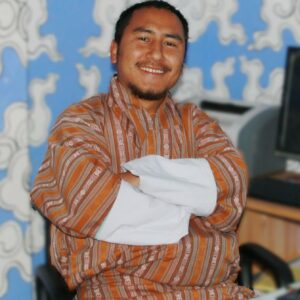
Sonam Loday
A good sense of humour is the currency that prevail everywhere regardless of the time or circumstances. An asset that that has potential to make even the ordinary trip into extraordinary. Sonam Loday has this traits in abundance. This is intrinsic and come as naturally as bees to the flower.…
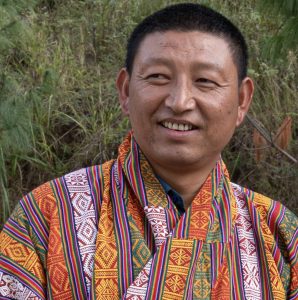
Yonten Phuntsho
Yonten Phuntsho is one of our senior most guide. And well versed on his business. Initially, he conceded an impression of a man of a few words but I was in for surprise with the knowledge of his job, great sense of humour and congenial personality- simply one cannot judge…
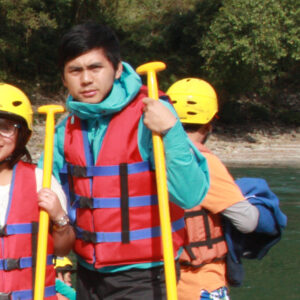
Pema Dhendup
Pema Dhendup is the one among the few young guns at Wind Horse Tour, Bhutan. He possess an infectious smile and exuberance that rub off to child and old alike. Unwarily, he has a mature head on his young shoulder and it is most conspicuous when he is among guests,…
- Best Months — January, February, March, April, October, November, December
- Not Recommended Months — May, June, July, August, September
What travelers most often ask us before a trip to Bhutan.
Are monument and park entrance fees included in my trip?
No. Since the 2023 policy update, the entry fees are not included and are in addition to the daily SDF (Sustainable Development Fee), you will need to pay for these tickets separately at each location, or your tour operator (like Wind Horse) can include them as a pre-paid “service” in your tour package.
Most Dzongs & Museums charge Nu. 500, with Takstang @1000/
For details on the latest entry fees to the monuments, parks, and attractions, visit Bhutan Entrance fees:
Yes, flights to Bhutan can be affected by weather conditions. Paro Airport is located in a narrow valley and requires visual flying conditions, meaning flights operate only during daylight hours and in suitable weather.
During the monsoon season (June–September), low clouds, rain, or reduced visibility may cause short delays or, in rare cases, cancellations. In winter, early-morning fog can sometimes delay departures. However, Bhutan’s airlines are highly experienced in operating in these conditions, without compromising the safety.
When disruptions occur, airlines usually reschedule flights for the next available weather window. We recommend allowing some buffer time at the start or end of your trip and having flexible onward travel plans.
Wind Horse closely monitors flight operations and assists guests with rebooking and logistics if weather-related changes arise.
Bhutan’s official currency is the Bhutanese Ngultrum (BTN), which is pegged 1:1 with the Indian Rupee, so the two currencies are equal in value. Indian Rupees are accepted in Bhutan.
Yes. Bhutan is considered one of the safest countries in the world for travelers, including solo travelers and solo women travelers. Crime rates are very low, violent crime is rare, and Bhutanese society places a strong emphasis on respect, community, and hospitality.
Solo women travelers generally feel comfortable traveling in Bhutan. Harassment is uncommon, and locals are welcoming and helpful.
When traveling on guided tours or treks, you are accompanied by licensed guides and drivers, which adds an extra layer of safety and support.
As with travel anywhere, we recommend using common sense—being aware of your surroundings, dressing modestly, and following local customs. With these basic precautions, Bhutan is a relaxed, secure, and rewarding destination for solo travel.
The most popular times to visit Bhutan are spring (March–May) and autumn (late September–November), offering the best combination of weather, scenery, and cultural experiences.
- Spring (March–May):
Ideal for nature lovers, with valleys alive with blooming rhododendrons and wildflowers. Temperatures are mild, making it a great season for sightseeing and moderate trekking. - Autumn (late September–November):
Known for the clearest Himalayan views, crisp air, and deep blue skies. This is also the peak season for major festivals (Tshechus) and high-altitude trekking. - Winter (December–February):
An off-peak season with cold nights and early mornings, but generally clear, sunny days and stable weather. Snowfall is mostly limited to high mountain passes. While not suitable for high-altitude treks, winter is ideal for cultural tours and walks in lower valleys and subtropical forests. As most towns and villages in the eastern Bhutan and southern Bhutan are located at lower elevation, winter is best time to visit them. - Summer (June–August):
Warm and pleasant, with occasional monsoon rains, mostly in the evenings or at night. The countryside is lush and green, crowds are fewer, and low-season rates are available.
Independent trekking is not permitted in Bhutan. All trekkers must be accompanied by a licensed Bhutanese guide and a support team, where camp and food arrangements in needed.
Some trekking areas require National Park permits and some even need military clearance and those are not issued without the local tour operator’s undertaking and the presence of guides on the trails.
No. Indian citizens with Indian passport or valid travel document such as Voter IDs do not require a visa to enter Bhutan. However, an Entry Permit is mandatory.