

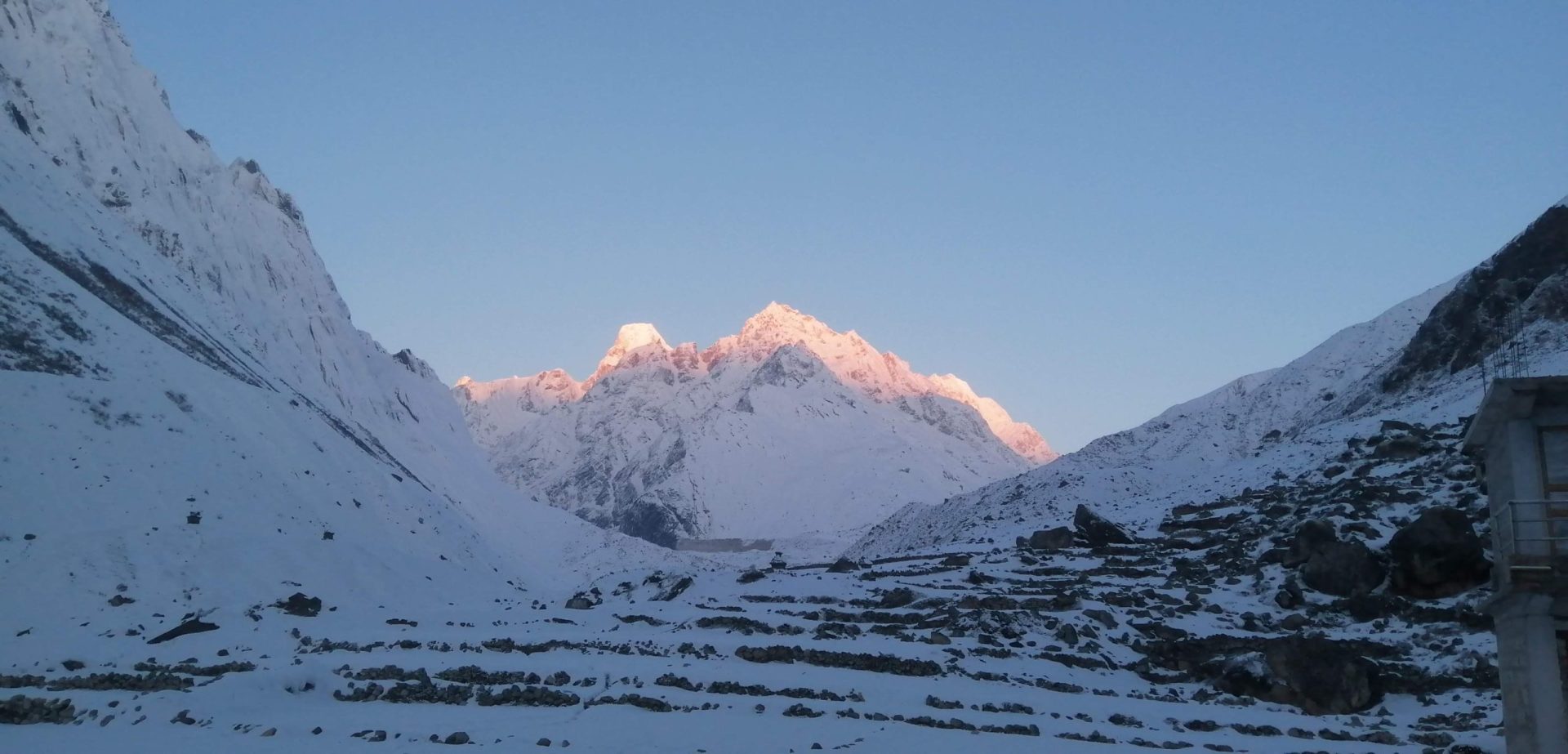
Manaslu Region Trekking: An Ultimate Off-the-Beaten-Path Adventure
The Manaslu region, located in north-central Nepal, offers one of the country’s most rewarding trekking experiences, combining dramatic Himalayan landscapes, remote mountain villages, and rich Tibetan Buddhist culture. Opened to foreign trekkers in 1992, the region remains less crowded than many of Nepal’s more established trekking destinations, making it an excellent choice for travelers seeking adventure, cultural discovery, and a sense of wilderness.
The Manaslu region features an extraordinary variety of landscapes, ranging from subtropical forests and terraced hillsides to alpine meadows, glacial valleys, and rugged highlands bordering Tibet. At its heart stands Mount Manaslu (8,163 m), the world’s eighth-highest mountain, surrounded by spectacular peaks, including Himalchuli, Ganesh Himal, and other giants of the Nepalese Himalayas.
The region is also home to culturally distinctive communities, including the Gurungs in the lower valleys and the Nubri and Tsumbа communities in the higher reaches. Villages such as Samagaon and Samdo preserve centuries-old traditions influenced by Tibetan Buddhism, with ancient monasteries, prayer flags, mani walls, and traditional stone houses reflecting the region’s rich cultural heritage.
Much of the trekking route passes through the Manaslu Conservation Area, which protects diverse ecosystems and wildlife, including Himalayan tahr, blue sheep, and the elusive snow leopard. Along the trail, local teahouses provide simple accommodation and meals, allowing trekkers to experience the warmth and hospitality of remote Himalayan communities.
For adventurers seeking a combination of spectacular mountain scenery, authentic cultural encounters, and challenging high-altitude trekking, the Manaslu region is an exceptional destination.
Highlights of the Manaslu region
- Diverse Landscapes: Explore a remarkable range of environments, from subtropical forests and terraced farmland to alpine meadows, glacial valleys, and snow-covered mountain passes. The changing landscapes make the journey visually rewarding from beginning to end.
- Rich Cultural Immersion: Experience the distinctive traditions of the Nubri, Tsumba, and Gurung communities. Traditional villages such as Samagaon and Samdo offer glimpses into Tibetan Buddhist culture through their monasteries, chortens, mani walls, and traditional architecture.
- Exceptional Wildlife: The Manaslu Conservation Area supports a rich variety of Himalayan flora and fauna. Wildlife includes Himalayan tahr, blue sheep, musk deer, and numerous bird species. Although rarely seen, the snow leopard also inhabits the region’s remote mountain environments.
- Spectacular Mountain Scenery: Enjoy breathtaking views of Mount Manaslu (8,163 m), Himalchuli, Ganesh Himal, and other impressive Himalayan peaks. The combination of towering mountains, deep valleys, glaciers, and traditional settlements creates unforgettable scenery.
- Remote and Less-Crowded Trails: Compared with the Everest Base Camp and Annapurna Circuit routes, the Manaslu Circuit generally offers a quieter trekking experience. Its remote location and restricted-area regulations help preserve the region’s distinctive cultural character and natural environment.
Why Trek in the Manaslu Region?
Manaslu trekking is ideal for travelers who want to experience the Himalayas beyond Nepal’s busiest trekking routes. The journey combines physical challenges, cultural exploration, and extraordinary natural beauty.
- Spectacular Mountain Views: Witness Mount Manaslu, the world’s eighth-highest mountain, along with Himalchuli, Ganesh Himal, Himlung Himal, and other Himalayan peaks.
- Unspoiled natural landscapes: Walk through forests, traditional farming villages, alpine pastures, glacial valleys, and rugged mountain terrain.
- Authentic cultural experience: Discover Tibetan Buddhist traditions, ancient monasteries, traditional villages, and the distinctive lifestyles of communities living in the high Himalayas.
- A sense of wilderness: Experience the remoteness of the Himalayan mountains while staying in local teahouses and walking through landscapes that remain relatively untouched by mass tourism.
- Challenging High-Altitude Adventure: Cross the dramatic Larkya La Pass, approximately 5,106 m above sea level, one of the most memorable highlights of the Manaslu Circuit Trek.
Popular Treks in the Manaslu Region
- Manaslu Circuit Trek: The route circles Mount Manaslu, passing through remote villages, forests, monasteries, and dramatic high-altitude landscapes before crossing Larkya La Pass. The trek typically finishes in the Dharapani area, where the route connects with the Annapurna trekking region.
- Tsum Valley Trek: Trek the secluded Himalayan valley renowned for its ancient monasteries, Buddhist traditions, and traditional settlements. Highlights include villages such as Chumling and Chhekampar, as well as important spiritual sites such as Mu Gompa. The valley offers a fascinating insight into Tibetan-influenced culture and remote mountain life.
- Manaslu Circuit and Tsum Valley Combined Trek
For travelers with more time, combining the Manaslu Circuit with Tsum Valley provides a more comprehensive exploration of the region. This extended journey combines the spectacular mountain scenery of the Manaslu Circuit with the cultural and spiritual richness of Tsum Valley.
Best Time to Visit the Manaslu Region
The best seasons for trekking in the Manaslu region are spring and autumn, when weather conditions are generally more favorable and mountain views are often excellent.
Spring (March–May): Spring is an excellent time to trek in Manaslu. Temperatures gradually become warmer, rhododendron forests bloom at lower elevations, and the landscape comes alive with seasonal vegetation.
Autumn (September–November): Autumn is one of the most popular trekking seasons in the Manaslu region. Following the monsoon, clearer skies often provide excellent mountain views, and daytime temperatures are generally comfortable for walking.
Monsoon (June–August): The monsoon brings heavy rainfall to lower elevations, increasing the risk of landslides, muddy trails, and travel disruptions. Trekking is not recommended on this season.
Winter (December–February): Winter trekking is challenging because of freezing temperatures, snowfall, and potentially dangerous conditions at high elevations. Larkya La Pass may become impassable during periods of heavy snowfall.
Accommodations in the Manaslu Region
Accommodation along the Manaslu trekking routes is primarily provided by local teahouses and small mountain lodges. These establishments offer a simple but welcoming place to rest after a day on the trail.
Most teahouses provide rooms with twin beds, basic bedding, and shared bathroom facilities. Hot showers may be available for an additional charge, while electricity and charging facilities can be limited or cost extra in some villages.
How to get to the Manaslu region trekking trailhead?
Machhakhola is a common starting point for the Manaslu Circuit Trek and the Tsum Valley Trek. It lies in Gorkha District and can be reached by road from Kathmandu.
The journey from Kathmandu to Machhakhola generally takes around 8–10 hours by private jeep, although travel times vary according to traffic, road conditions, and the season. Public transport may take approximately 10–12 hours or longer, depending on connections and road conditions.
Travelers generally have two transportation options:
Private jeep: A convenient option for groups and travelers seeking greater flexibility, comfort, and control over departure times.
Public bus or shared transport: A more economical alternative, although journeys can be longer and less comfortable.
Required Permits for Manaslu Region Trekking
The Manaslu region is a restricted trekking area, so trekkers must arrange the appropriate permits before entering the designated area.
The main permits generally required for the Manaslu Circuit Trek are:
Manaslu Restricted Area Permit (RAP): This permit is required for trekking within the designated restricted section of the Manaslu region.
Manaslu Conservation Area Permit (MCAP): This permit is required for entry into the Manaslu Conservation Area
Annapurna Conservation Area Permit (ACAP): This permit is generally required when the itinerary exits through the Annapurna Conservation Area.