

 +1 612 869 4949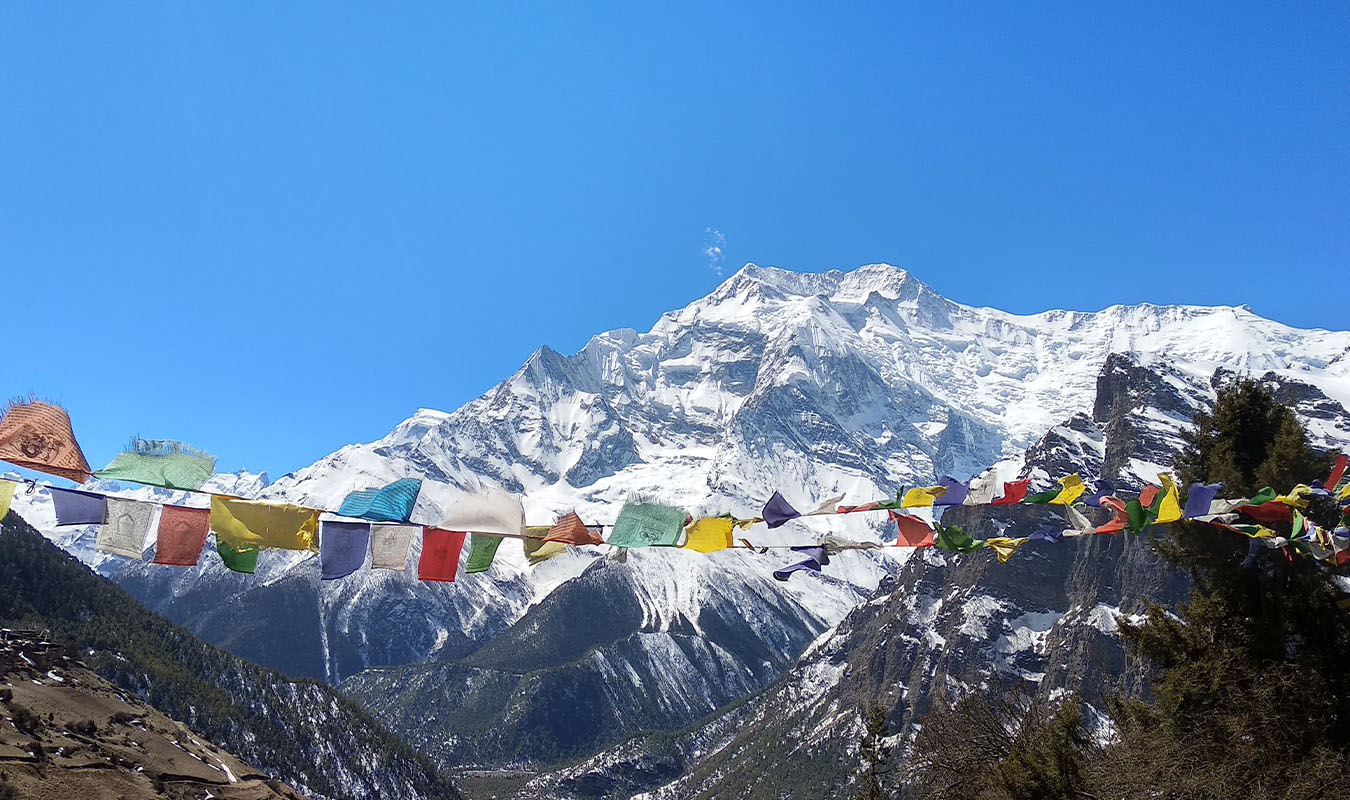

Tsum Valley Trek
An incredible journey to the remote Tsum valley
-

Duration
14 Days -
 Trekking
 -
Moderate

 Overview
 Costs
Costs Included
 Itinerary
 Tour Leader
Tsum Valley Trek – Journey to the Hidden Himalayan Sanctuary
The Tsum Valley Trek is a transcendent journey into one of the most sacred and secluded corners of the Nepal Himalaya, a journey that weaves high-altitude adventure, deep spirituality, and cultural immersion into a single, unforgettable experience. Nestled within the Manaslu Conservation Area, Tsum Valley remained off-limits to foreign visitors until 2008, preserving its pristine landscapes and ancient Tibetan-Buddhist traditions.
Once a restricted region, the Tsum valley now welcomes seasoned trekkers to explore its villages and timeless way of life in surroundings that seem untouched by modernity. Its untouched nature and serene ambiance continue to allure those in search of a truly off-the-beaten-path adventure in the heart of the Himalayas.
This Tsum Valley Trek offers a unique and enchanting experience for those seeking a seamless blend of natural beauty, cultural richness, and spiritual serenity. Tibetan Buddhist influence is omnipresent: chortens punctuate the landscape, while intricately carved mani walls—stone slabs adorned with deity images and prayer inscriptions—line the path.
The Tsum Valley Trek trail follows the Budhi Gandaki River, climbing through terraced fields, dense rhododendron and pine forests, and rocky slopes beneath towering Himalayan peaks. As you gain altitude, the scenery unfolds into alpine meadows and glacier-fed streams, under crisp blue skies that frame Ganesh, Sringi, Boudha, and Manaslu. Wildlife sightings, such as Himalayan blue sheep, yaks, pikas, and occasionally the elusive snow leopard, add to the trek’s allure
The journey culminates at Mu Gompa (3,700 m), the valley’s highest monastery complex, nestled amidst powder-dusted ridges. From Chhokangparo, trekkers traverse rocky passes, pilgrimage sites imbued with ancient prayers, and glacier-fed streams to reach Rachen Gompa and Milarepa’s retreat en route.
Unlike the Everest and Annapurna trails, the Tsum Valley Trek is moderately challenging, yet its true heights lie in its spiritual depth and spectacular scenery. More than a hike, it’s a pilgrimage through mountains steeped in reverence and cultural purity. From Kathmandu’s bustle to the serene alpine hush, it unveils a hidden Nepal—rich in tradition, wildlife, and introspection—framed by fluttering prayer flags and Himalayan shadows.
Tsum Valley Trek Highlights
- Scenic Drive: A breathtaking drive along the Budhi Gandaki River sets the tone, terraced farmlands give way to deep gorges and lush valleys inhabited by Gurung, Magar, and Tsumba communities.
- Off the Beaten Path: Once a restricted region closed to foreigners until 2008, Tsum Valley remains largely untouched and uncrowded, offering a genuine sense of solitude and discovery.
- Deep Tibetan Buddhist Culture: The valley’s people (Tsumbas) practice Tibetan Buddhism and Bon traditions. The route is lined with ancient gompas, mani walls, chortens, and sacred caves.
- Spectacular Himalayan Panorama: Trek through forests, river valleys, and alpine meadows framed by awe-inspiring peaks like Ganesh, Shringi, Boudha, Himalchuli, and the mighty Manaslu.
- Rich Biodiversity & Wildlife: Located within the Manaslu Conservation Area, you may spot Himalayan blue sheep, tahr, musk deer, langur monkeys, and, if lucky, snow leopards and red pandas.
- Authentic Village Life: Wander through traditional stone-built, flat-roof homes where yak herding, organic farming, and Tibetan-influenced cuisine define the locals’ agrarian lifestyle.
Tsum Valley Trek Itinerary
Day 1: Arrive in Kathmandu
Day 2. In Kathmandu
Day 3: Drive from Kathmandu to Machha Khola
Day 4: Trek from Machha Khola to Jagat
Day 5: Trek from Jagat to Lokpa
Day 6: Trek from Lokpa to Chumling
Day 7: Trek from Chumling to Chhokangparo
Day 8: Trek Chhokangparo to Nile
Day 9: Excursion to Mu Gompa-Trek to Phurbe
Day 10: Trek from Phurbe to Rhenjam
Day 11: Trek from Rhenjam to Lokpa
Day 12: Trek from Lokpa to Jagat
Day 13. Drive from Jagat to Kathmandu
Day 14: Departure
When is the best season to do this trek?
Ideal trekking seasons are spring (March–May) and autumn (September–November), when skies are clear and teahouse services fully operational, though late autumn may see quieter trails .
Overview
Trip Type
Trekking
 Activities Included
 Accommodation
3-4* category hotels in Kathmandu and local village lodge during the trek
Accommodation
3-4* category hotels in Kathmandu and local village lodge during the trek
 Meal
Only breakfast while in Kathmandu, all meals during the trek
Meal
Only breakfast while in Kathmandu, all meals during the trek
 Best Seasons
Best during spring and autumn
Best Seasons
Best during spring and autumn
 Route
Kathmandu-Machha Khola-Jagat-Lokpa-Chumling-Chokangparo-Nile-Phurbe-Rhenja,-Lokpa-Kathmandu
Route
Kathmandu-Machha Khola-Jagat-Lokpa-Chumling-Chokangparo-Nile-Phurbe-Rhenja,-Lokpa-Kathmandu
 Best Months
March, April, May, October, November
Best Months
March, April, May, October, November  Good Months
February, September
Good Months
February, September  Lean Months
June, July, August
Lean Months
June, July, August  Not Recommended Months
January, December
Not Recommended Months
January, December Detailed Itinerary
Expand AllArrival in Kathmandu
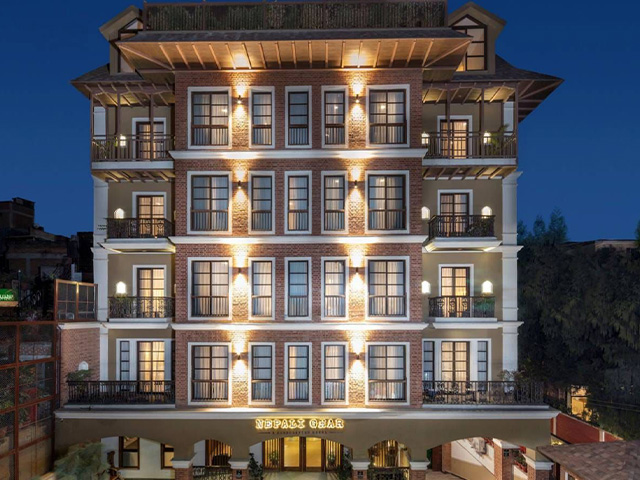
Upon your arrival at Kathmandu airport, a representative from Wind Horse will be waiting to greet you and assist with transferring you to your hotel. Once you’ve settled in, the remainder of the day is yours to enjoy at your leisure. Later in the evening, there will be a short briefing session, followed by a delightful dinner featuring a cultural performance at a traditional Nepalese restaurant. Overnight in Kathmandu.

 Altitude:
1350m
Altitude:
1350m
In Kathmandu (sightseeing & trek preparation)
Today, you will visit three UNESCO World Heritage Sites in the Kathmandu Valley: Kathmandu Durbar Square, Boudhanath Stupa, and Pashupatinath Temple.
Kathmandu Durbar Square is one of the three Durbar (palace) squares in Kathmandu valley. Kathmandu Durbar Square is rich with its intricate wood carving and its history. Also known as the “Musuem of Temples” there are over 50 temples in the square. You will explore the area around the former palace of the kings of Nepal, viewing various temples and monuments.
Following the visit, you will drive to Boudanath Stupa. Boudanath Stupa is one of the largest Buddhist stupa in Nepal and also a World Heritage Site. Boudanath signifies peace and tranquility, and is a Centre of religious and spiritual significance. You will see thousands of pilgrims circumambulating the stupa, you will circumambulate with pilgrims and visit the surrounding monasteries.
Afterward, you will proceed to Pashupatinath Temple. The Pashupatinath temple is situated on the banks of the Bagmati river and is one of the most revered Hindu temple in Nepal. The main temple complex is not accessible to non-Hindus, but you can explore around the periphery of the temple complex which is quite large and impressive. Overnight in Kathmandu.

 Duration:
5-6hrs
Duration:
5-6hrs
Drive from Kathmandu to Machha Khola
The drive from Kathmandu to Arughat offers a captivating panorama of Nepal’s countryside, unveiling its natural charm. Along this route, you will be treated to picturesque sights of quaint villages and vibrant green rice fields, providing a glimpse into the authentic indigenous lifestyle of the region.
Upon reaching Arughat, the paved highway gives way to a dirt road, leading towards Machha Khola and marking a transition to a rougher, more rugged terrain. Traveling along this uneven path becomes an adventure in its own. Overnight in Machha Khola.
 Altitude:
870m
Duration:
8-9hrs drive, Approx. 140kms
Altitude:
870m
Duration:
8-9hrs drive, Approx. 140kms
 Tea House
Trek from Machha Khola to Jagat
Your Tsum Valley Trek begins from Machhakhola, you’ll trek along a trail that winds along the riverbed, with some ups and downs. After crossing the Thado Khola and Machha Khola, you will arrive at Tatopani. As you continue your trek, the trail goes over uphill climb, navigating a ridge that eventually leads to a suspension bridge stretching across the Budhi Gandaki river.
After crossing the Budi Gandaki river, you will ascend over a well-constructed stairway, navigating through a landslide area before reaching Dobhan. You will cross the river over a suspension bridge, and ascend the stone stairs, descend back to the river, and finally an uphill hike will bring you to Thado Bharyang.
Upon reaching Tharo Bharyang, you will navigate across the Budhi Gandaki river, followed by an ascent over a ridge. Eventually leading to Jagat, where you will spend the night. Jagat is a charming village with traditional stone houses and narrow streets. It serves as a checkpoint for permits for The Tsum Valley and the Manaslu Circuit Trek, and offers basic amenities such as accommodation and meals for the trekkers. Overnight in Jagat.
Altitude:
1340m
Duration:
6-7hrs, Approx. 22kms
Tea House
Trek from Jagat to Lokpa
Today’s journey starts with a gentle climb onto a ridge, guiding you along a level pathway that unfolds captivating panoramas. From here you will descend down to Sirdibas, Cross over the suspension bridge over the Budhi Gandaki river, and enter Philim.
Philim is a village in the region often traversed by trekkers, renowned for its tranquil surroundings and serving as a checkpoint for the necessary trekking permits required for the Tsum Valley region.
Continuing on from Philim, the hike navigates through diverse landscapes, including forests filled with pine and rhododendron trees, you will arrive at Ekle Bhatti. From here the trail separates between Tsum Valley Trek and the Manaslu Circuit trek.
You will make your way up the Tsum Valley Trek route towards the right to the village of Lokpa. Lokpa village marks the initial settlement within the Tsum Valley and acts as the gateway to this culturally unique and less-explored region. Overnight in Lokpa.
Altitude:
2080m
Duration:
5-6hrs, Approx. 14kms
Tea House
Trek from Lokpa to Chumling (Lower Tsum)
The trail offers a diverse and picturesque experience, leading you through a range of landscapes and natural beauty. Initially, the trail descends into the river valley, passing through forests of rhododendron and pine.
The trail descends from Lokpa to Lungwa river, then climbs to Gumling. The path traverses through beautiful Rhododendron and pine forests to Gumling. From Gumling, you will continue your hike towards Shiar Khola, you will catch the first glimpse of the Tsum Valley.
Cross over the Siar Khola, and then ascend towards Chumling, which can be quite demanding, but the rewards are ample. Chumling is renowned for its stunning monasteries, intricate mani walls, traditional Tibetan houses, and charming streets paved with stones, all contributing to the authentic and distinctive atmosphere of the area. Overnight in Chumling.
Altitude:
2340m
Duration:
5-6hrs, Approx. 8kms
Tea House
Trek from Chumling to Chhokangparo (Upper Tsum)
Today’s destination is the picturesque village of Chhokangparo. The trail to Chhokangparo winds through stunning landscapes, offering breathtaking views. Along the way, you’ll traverse past prayer wheels and dense forests of pine and arrive at Tumje. From here the trail descend to Sarpu Khola, you will cross over the Sarpu Khola and ascend to Gho Village.
Leaving Gho, it is an uphill hike for two or more hours past the pasture of Chauri Kharka before finally arriving at the villages of Chhokang & Paro in the upper Tsum region. Chhokangparo presents an incredible view of Himalchuli and Ganesh Himal. Overnight in Chhokangparo.
Altitude:
3050m
Duration:
5-6hrs, Approx. 14kms
Tea House
Trek from Chhokangparo to Nile
Today’s hike takes you north towards Nile in the Upper Tsum region. Nile village is the last village north of the upper Tsum valley. Along the trail towards Rachen Gompa, you will come across several Gompas and Chortens, each holding immense cultural significance within the area’s diverse tapestry.
You will hike past terraced fields and villages such as Ngakyu, Lamabagar and Rachen Gompa. As you pass through Rachen Gompa, you will have the opportunity to visit the Phiren Phu cave in between the trail. One of the most revered sites, a place of sanctity where the Tibetan saint and poet Milarepa devoted himself to meditation.
Proceeding further you will pass by Phurbe, and arrive at Chhule, you will cross over the suspension bridge and ascend to Nile. Along the way you will encounter breathtaking vistas and revered spiritual landmarks. Overnight in Nile.
Altitude:
3300m
Duration:
4-5hrs, Approx. 8kms
Tea House
Excursion to Mu Gompa-Trek to Phurbe
Today, you will hike through the ancient Tibet trade route, leading towards Mu Gompa, the largest monastery in the region. Located high above the Shiar Khola valley, it is about 2 hours hike from Nile. Mu Gompa is the most popular monastery in this region, where monks come to pray, meditate, and live in this region.
Mu Gompa presents you a chance to enjoy the beautiful exhibition of religious books, mural painting and the statue of Avalokiteshwara, Guru Padmasambhava and Tara. After enjoying the intricate designs and the serene ambiance of this sacred site, you will retrace your steps back to Nile and continue further to Phurbe. Overnight in Phurbe.
Altitude:
3240m
Duration:
6-7hrs
Tea House
Trek from Phurbe to Rhenjam
The trail from Phurbe to Rhenjam winds through picturesque landscapes, including lush forests, terraced fields, and past the villages of Lamabagar, Ngakyu, and Chhokangparo. This journey unveils incredible vistas of the nearby countryside and expansive pasturelands, offering a captivating glimpse into the landscape along the way. Rhenjam is a quaint village with basic accommodation offering glimpse of the traditional lifestyle. Overnight in Rhenjam.
Altitude:
2420m
Duration:
5-6hrs, Approx. 12kms
Tea House
Trek from Rhenjam to Lokpa
From Rhenjam, the trail descends gradually before a series of ascents and descents that offer a mix of challenging and moderate sections. As you navigate the trail, you’ll pass through dense forests and cross several streams, past the picturesque village of Chumling.
The final stretch to Lokpa involves a descent that opens up to the village, nestled amidst terraced fields. Lokpa is a small village that serves as an important stopover for trekkers. It provides basic accommodation and meals. Overnight in Lokpa.
Altitude:
2080m
Duration:
5-6hrs
Tea House
Trek from Lokpa to Jagat
Starting from Lokpa, the trail descends gradually through dense forests and terraced fields. The trail meanders alongside the river, passing through lush forests and delightful villages such as Ekle Bhatti, Philim, Sirdibas and end your Tsum Valley Trek at Jagat.
The trail follows the course of the Budhi Gandaki River, offering beautiful river views and the soothing sound of flowing water. As you approach Jagat, the terrain becomes more varied, with some steep sections and rocky paths. Jagat is a charming village with traditional stone houses and narrow streets. Overnight in Jagat.
Altitude:
1030m
Duration:
5-6hrs, Approx. 10kms
Tea House
Drive to Kathmandu
This morning, you will begin your journey following the same route that you took earlier. It offers a different perspective on Nepal’s diverse landscapes. The drive goes past Machhakhola, Soti Khola and Arughat. At Arughat you will cross over the Budhi Gandaki and continue past Dhading Besi to Kathmandu. Upon reaching Kathmandu, proceed to check into your hotel. After a long day of travel, the rest of the evening is free for your leisure. Overnight in Kathmandu.
Duration:
8-9hrs
Departure
Transfer to the airport for your departure flight.
Cost Information
Included
- All transfers by private vehicle.
- 3 nights accommodation in 3-4* category hotels in Kathmandu.
- 10 nights’ accommodation in a tea house during the trek with an attached bathroom where possible.
- Only breakfast during the stay in Kathmandu.
- Three standard meals (breakfast/lunch/dinner) and some hot drinks (tea/coffee) during the trek.
- Transportation: Kathmandu-Machhakhola-Kathmandu in a private 4W jeep.
- One welcome dinner with a cultural performance in Kathmandu.
- 1 full day guided city tour in Kathmandu.
- English-speaking licensed trekking guide along with a porter (1 porter for every two trekkers).
- First aid kit, duffel bag, and trekking map.
- Trekking staff accommodation, wages, meals, trekking gears, and insurance.
- All necessary paperwork and permits for the trek (MCAP/ACAP/RAP).
- All government tax and service charges.
Not included
- Nepal Visa.
- International airfare.
- Meals other than listed (lunch and dinner in Kathmandu).
- Personal expenses (laundry, telephone, bar, beverages).
- Bottled/boiled water, battery recharge, Wi-Fi and hot showers during the trek.
- Tips and gratuities to Guide, Porter and driver.
- Travel medical insurance covering rescue and emergency evacuation.
- Personal trekking gears and equipment’s.
- Trip cancellation cost due to your health, weather condition, political situation, and any other unforeseen events.
- Any other expenses other than the listed above.
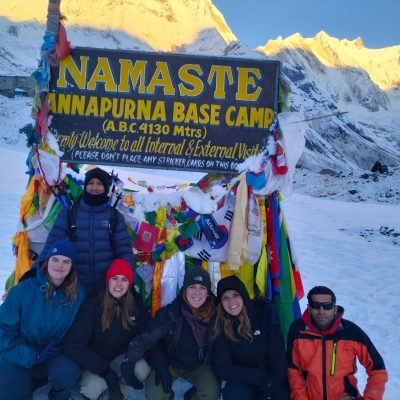
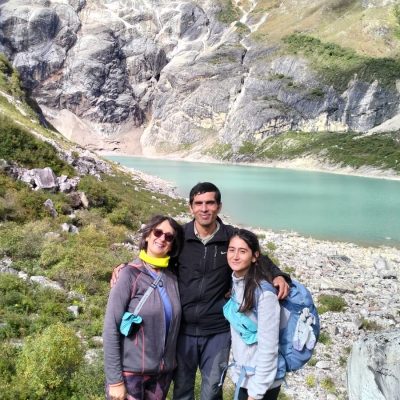
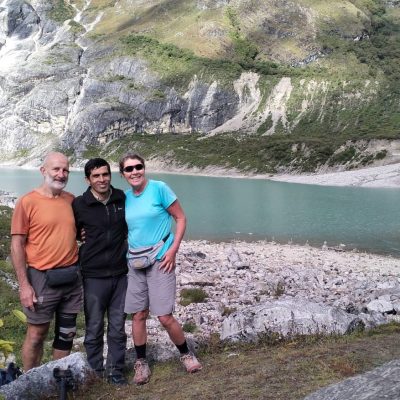
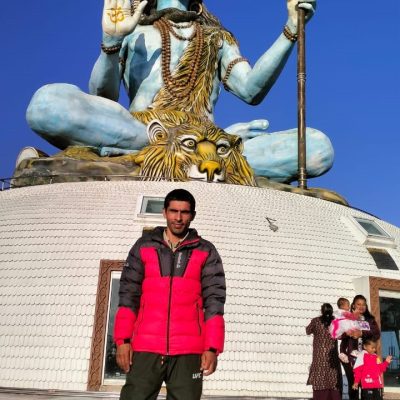
Guides
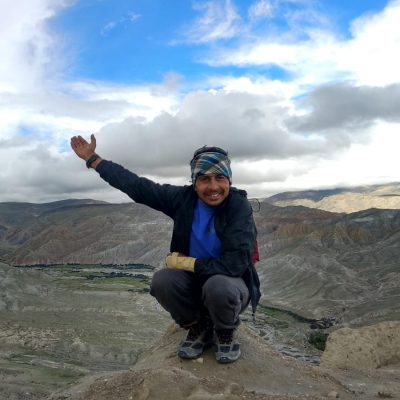
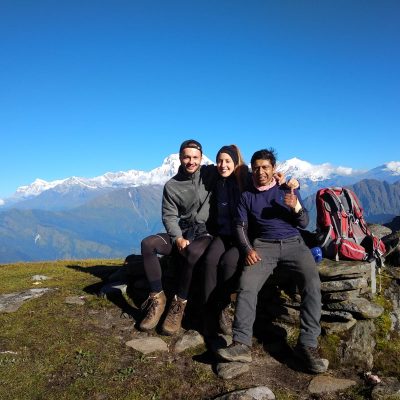
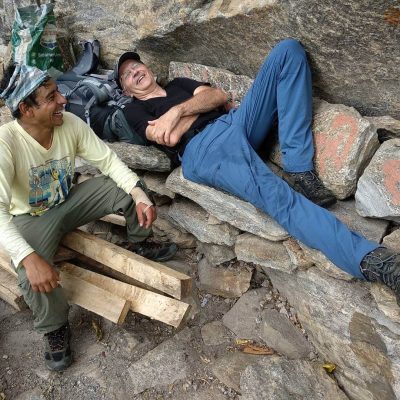
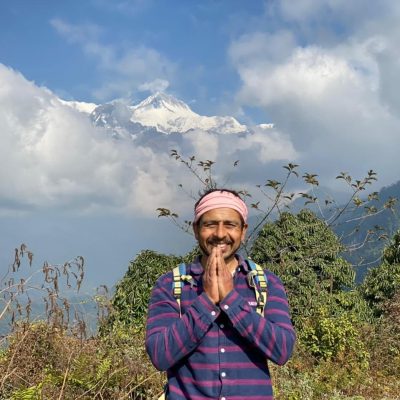
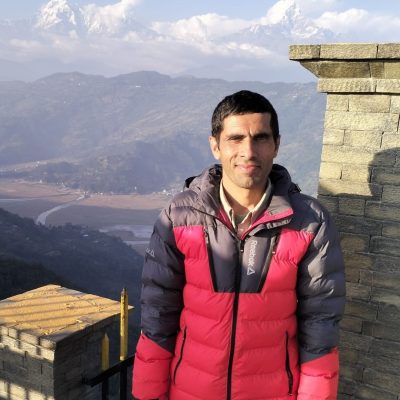
Hem Raj Bastola

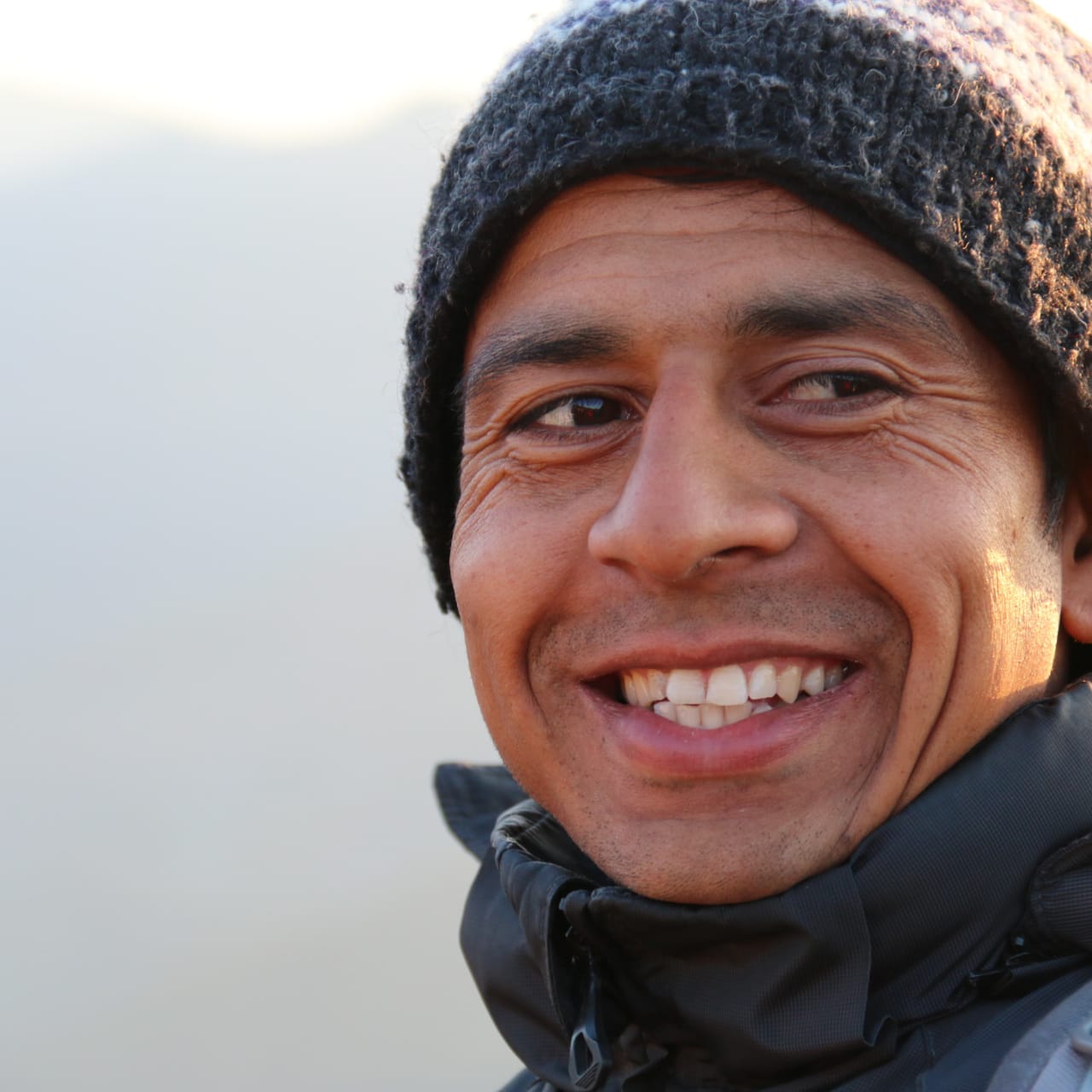
Hem Raj Bastola is a permanent inhabitant of Pokhara-22, a rural area in the outskirts of Pokhara. He has been working as a tour and trekking guide since 2010. Formerly he has worked as a guest service agent in a hotel in Pokara. He started his career as a Cave guide, ticket salesman at Gupteshwor Mahadev Cave in Pokhara. So most of his working experience is related to tourism and hospitality industry. Beside his guiding profession, he enjoys reading and writing poetry. His poets have been published in different forums and medias. When he is not Guiding , he is a full time farmer; raising cows, goats and farming with his wife and two children.
Having done all the treks in Annapurna region, upper Mustang and Manaslu area over many times, he is our expert in the area. He is extremely patient, empathetic and joyful person is what each our guests say !
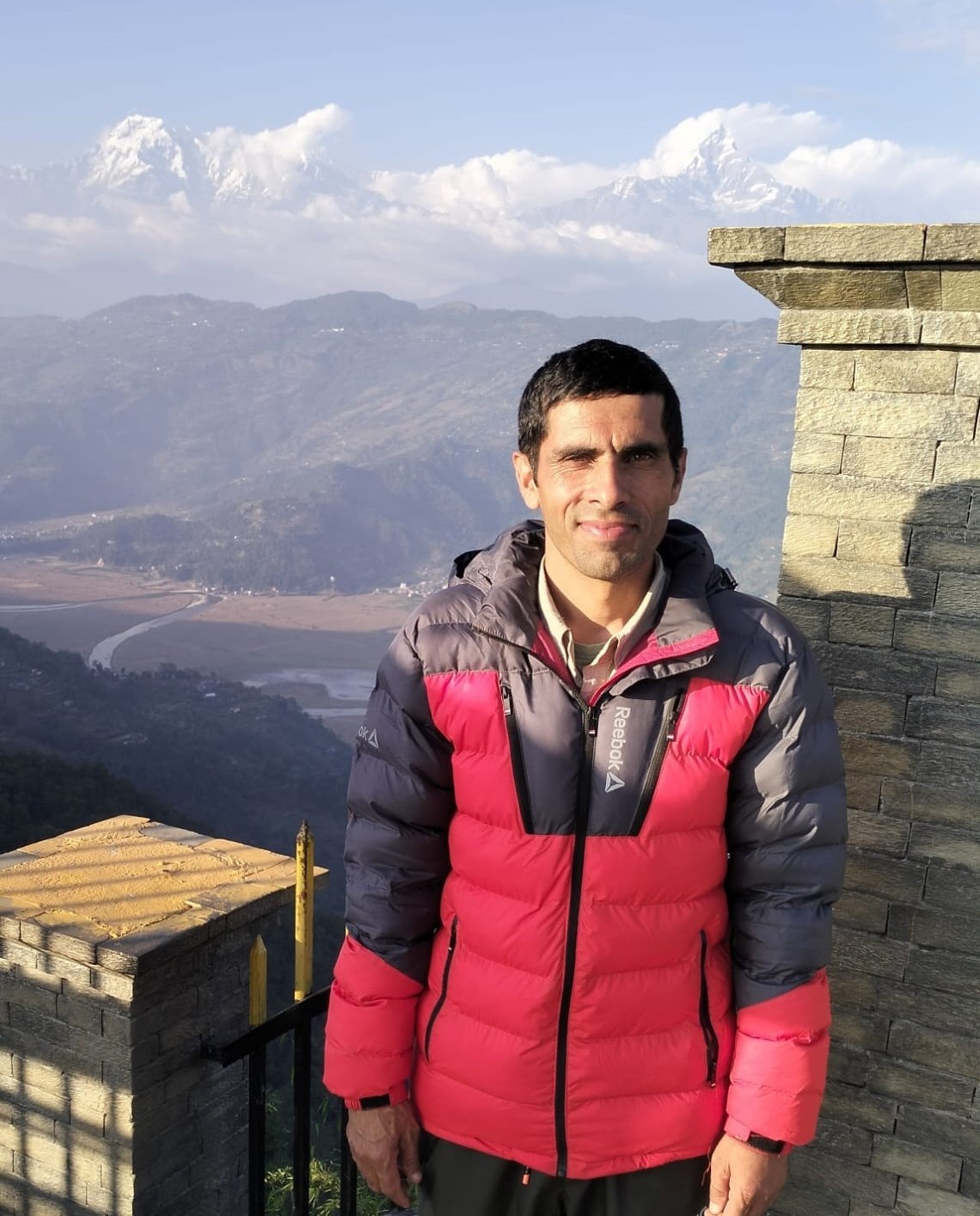
Shiva Prasad Acharya

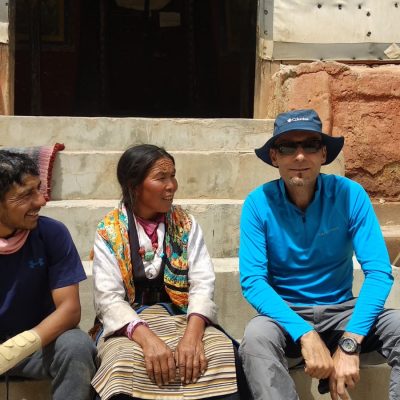
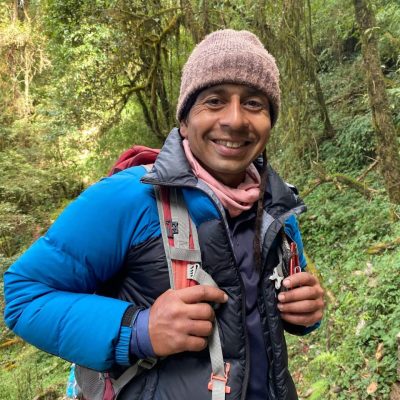
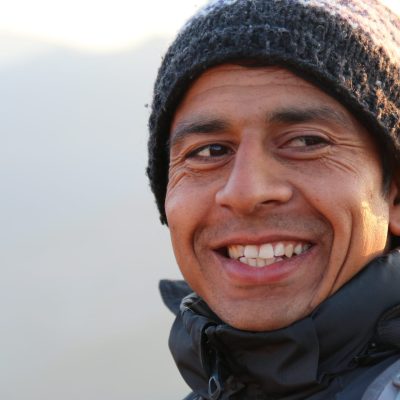
Shiva Prasad Acharya leads a fulfilling life by intertwining his passions for nature, adventure, and family. Transitioning from the health sector to becoming a trekking guide reflects his pursuit of a profession allowing immersion in natural beauty while sharing that passion with others.
His commitment to nature extends beyond his profession to his personal life, evident in his dedication to farming and animal husbandry. Tending vegetables, paddy fields, and raising buffaloes likely offers him fulfillment and a profound connection to the land. He resides in Kasipira, near Pokhara, with his wife and two sons.
Shiva Prasad extensively travels to regions like Upper Mustang, Annapurna, Everest, Langtang, and Manaslu, gaining insights into local cultures, traditions, and natural beauty. His strong passion for sharing Nepal’s heritage highlights his desire to promote local culture and raise awareness. His invaluable traits—flexibility, knowledge, and patience—would undoubtedly enrich the experiences of travelers alongside him.
His proficiency in English, French, and Hindi widens his accessibility, enabling him to connect with travelers from diverse backgrounds worldwide.
FAQs
- What is the Tsum Valley Trek?
The Tsum Valley Trek is a remote Himalayan journey into a sacred valley located within the Manaslu Conservation Area. Often referred to as a “Hidden Valley,” Tsum is renowned for its pristine landscapes, strong Tibetan Buddhist heritage, and centuries-old monastic traditions.
The valley remained restricted to outsiders until 2008, which has helped preserve its unique culture, traditional lifestyle, and unspoiled natural environment. - What makes the Tsum Valley Trek unique?
The Tsum Valley Trek is unique due to its:
- Remote and untouched trails with very few trekkers
- Strong Tibetan Buddhist influence and sacred heritage,
- Ancient monasteries, mani walls, and prayer flags throughout the valley
- Authentic village life largely unchanged by modern development
- How long is the Tsum Valley Trek?
The standard itinerary is 14 days, including arrival, sightseeing in Kathmandu, trekking, and travel days. Around 9 days are spent trekking, allowing for gradual acclimatization and cultural exploration along the route.
- Where does the trek start and end?
The trek begins with a scenic drive from Kathmandu to Machha Khola (around 7–10 hours). The trail follows the Budhi Gandaki River valley before entering Tsum Valley via Lokpa village.
The trek typically follows the same route back, ending with a return drive to Kathmandu.
- How do I reach the trail head for the Tsum Valley Trek?
The trailhead for the Tsum Valley Trek is Machha Khola, you can reach there after a scenic drive of about 7-10 hours from Kathmandu via Arughat. There are options to take a public bus or a private jeep, a more convenient and comfortable option is taking a private jeep.
- How far is Machha Khola from Kathmandu?
Machha Khola is a about 160 km northwest of Kathmandu. It usually takes about 7 to 8 hours by private jeep and 8 to 9 hours on local buses, depending on road conditions.
- How much does a private jeep cost to Machhakhola?
Renting a private jeep to Machha Khola costs around USD 200-250 and can accommodate 6 passengers comfortably.
- What is the difficulty level of this trek?
The trek is rated moderate, involving:
- 5–7 hours of walking per day
- Gradual altitude gain
- Remote terrain with basic infrastructure
While no technical climbing is required, the trek demands good physical fitness, endurance, and the ability to handle basic conditions.
- What is the maximum altitude reached?
The highest point of the trek is Mu Gompa at 3700 meters. Although this is lower than many Himalayan treks, proper acclimatization is still important to avoid altitude-related issues.
- When is the best time to do this trek?
The best seasons are:
- Spring (March–May): Blooming forests and pleasant weather
- Autumn (September–November): Clear skies and best mountain views
Winter (December to February) is colder, especially at higher elevations with some snow. Otherwise the trails remain accessible with fewer trekkers, making it a quieter time to experience.
- What kind of landscapes will I experience?
This trek offers diverse scenery, including:
- Deep river valleys and cascading waterfalls
- Dense rhododendron and pine forests
- Terraced farmlands and traditional villages
- Alpine meadows and glacial streams
- High Himalayan terrain with dramatic peaks
- Can I trek independently, or is a guide mandatory?
No, independent trekking is not allowed. As per the new regulation all foreign trekkers must be accompanied by a registered guide, and must be booked through a government registered agency.
- Is travel insurance required?
Yes, a comprehensive travel insurance covering medical evacuation (including helicopter rescue), emergency, and medical expenses is mandatory.
- What permits are required for the Tsum Valley Trek?
You’ll require three permits: Tsum Valley Restricted Area Permit (RAP), Manaslu Conservation Area Permit (MCAP), and Annapurna Conservation area permit (ACAP). You can obtain these permits only through a government registered trekking agency.
- Can I obtain permits independently?
No, permits must be issued through a registered trekking agency. A licensed guide and a minimum of two trekkers are typically required to obtain the Restricted Area Permit.
- What type of accommodation is provided?
- In Kathmandu: Comfortable 3–4 star hotels
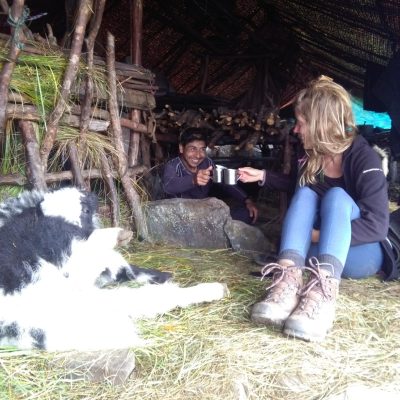
- During the trek: Basic teahouse lodges
Accommodation becomes simpler as you go deeper into the valley
- What are teahouses like in Tsum Valley?
Teahouses are simple, family-run lodges offering:
- Twin-sharing rooms
- Basic bedding
- Shared bathrooms
- Communal dining areas
Facilities are more basic compared to popular trekking routes like Everest or Annapurna.
- Are attached bathrooms available?
Attached bathrooms may be available in some lower-altitude lodges, but shared facilities are more common in remote areas.
- What meals are included?
- Breakfast in Kathmandu
- All meals (breakfast, lunch, dinner) along with some tea/coffee during the trek
- What kind of food is served during the trek?
Typical meals include:
- Dal Bhat (rice, lentils, vegetables – staple and energy-rich)
- Noodles, soups, and potatoes
- Tibetan bread and simple Western dishes
Food options may become more limited at higher elevations.
- Is drinking water available?
Yes, drinking water is available with an extra cost. Bottled and boiled water gets more expensive at higher elevation. We recommend reusable water bottles with purification tablets for safety and sustainability.
- Is mobile network coverage available?
Mobile coverage is very limited and unreliable in most parts of Tsum Valley due to its remote location.
- Is WiFi available during the trek?
WiFi availability is limited:
- Rare in higher villages
- Occasionally available in lower regions
- Usually slow and inconsistent
- Can I charge my devices?
Yes, charging facilities are available in most teahouses, but:
- Charging usually costs extra
- Electricity may rely on solar power in remote areas
Carrying a power bank is highly recommended
- Is altitude sickness a concern?
Yes, although the altitude is moderate, altitude sickness can still occur. Proper acclimatization hydration, and a gradual pace are essential to reduce risks.
- What costs are typically not included in the package?
Common exclusions include:
- Nepal visa feesTravel insurance
- Personal expenses (snacks, drinks, laundry)
- Wi-Fi , hot showers, and charging
- Tips for guides and porters
- Do I need to carry cash during the trek and how much should I budget?
Yes, you need to carry cash in Nepalese rupees for extras such as Wifi, hot showers, charging device, snacks and beverages. Plan on to carry USD 15-20 per person per day.
- How much does the Tsum Valley trek cost?
The cost for this trek ranges from USD 1,400 to USD 1,800 per person, depending on the number of participants in the group. This package usually includes:
- Accommodation in Kathmandu (3-4* hotel) with breakfast
- Accommodation during the trek in basic tea house
- Three meals per day along with some tea/coffee during the trek
- Private transportation to and from the trail head
- Permits, guide and porter services
- What payment methods are available?
We accept the following payment methods:
- Bank transfer
- Credit card (subject to service surcharge)
- Cash (USD or NPR) upon arrival in Kathmandu
- Are tips mandatory?
Tips are not mandatory but are customary and greatly appreciated by guides and porters. Tipping is an important part of trekking culture in Nepal and reflects your satisfaction with their service.
Overview
Trip Type
Trekking
Activities Included
Accommodation
3-4* category hotels in Kathmandu and local village lodge during the trek
Meals
Only breakfast while in Kathmandu, all meals during the trek
Route
Kathmandu-Machha Khola-Jagat-Lokpa-Chumling-Chokangparo-Nile-Phurbe-Rhenja,-Lokpa-Kathmandu
 Max Group Size
2-5
Best Seasons
Best during spring and autumn
Best Months
March, April, May, October, November
Good Months
February, September
Lean Months
June, July, August
Not Recommended Months
January, December
Max Group Size
2-5
Best Seasons
Best during spring and autumn
Best Months
March, April, May, October, November
Good Months
February, September
Lean Months
June, July, August
Not Recommended Months
January, December