
Our group of 4 recently returned from a trip through Wind Horse Tours. Ugen helped us for months with all the details of the trip, answering our questions and arranging personalised custom changes for us. We visited Northern India and Nepal. All of us have traveled quite a bit, but none of us had been to India. I cannot thank…

North India and Nepal Tour
India holiday package with highlights of North India and Glimpse of Nepal
North India and Nepal Tour, one of the pastiche of myriad cultures and architectural styles that evolved from Hindu and Mughal origins. This India-Nepal tours begin in Delhi with excursions to significant monuments representing its ancient and modern history. Continuing on this India tour package to Rajasthan, we visit Jaipur, the rose-pink capital of the region. Travel overland to Agra visiting magnificent Ghost City of Fathepursikri and world famous bird sanctuary en-route. View sunset or sunrise at Taj Mahal in Agra. Explore the magnificent Hindu temples of Khajuraho and the tiered bathing Ghats of Varanasi before flying to Himalayan country of Nepal.
Spend three days in Nepal viewing peaks from its hill resort at Nagarkot. While in Nepal, tour the ancient cities, palaces, including Buddhist and Hindu temples. A flight back to Delhi from Kathmandu completes our Nepal India tour with an introduction to this rich and endlessly intriguing region.
North India and Nepal Tour Itinerary
Day 1: Arrive in Delhi
Day 2: In Delhi
Day 3: Drive to Jaipur
Day 4: In Jaipur
Day 5: Dive to Agra(via Baratpur and Fatehpur Sikri)
Day 6: In Agra
Day 7: Drive to Jhansi(via orcha and Khajuraho)
Day 8: In Khajuraho
Day 9: Drive to Varanasi
Day 10: In Varanasi
Day 11: Fly to Kathmandu(Nepal)-Drive to Nagarkot
Day 12: Drive to Kathmandu
Day 13: In Kathmandu
Day 14: Departure
Trip highlights
Maharajas forts & palaces, Temples, monasteries, mosques, local market, Elephant ride experience, Bird watching, Mountain viewing, Cultural performance, local cuisines and some optional hikes.
Day by day
The full day-by-day itinerary.
Upon arrival in Delhi, meet and transfer to a hotel. Take a rest to recover from jet lag.
Overnight in Delhi
Sightseeing tour of Old Delhi attractions: Red Fort, Jama Mosque, Chadani Chowk Market and Raj Ghat. Lunch at a restaurant followed by a visit to Humayun’s Tomb, Qutub Minar and other sites around the city. Drive through Rajpath Avenue viewing India Gate, President’s House, Parliament and other historical sites.
Overnight in Delhi Meals Breakfast · Dinner
Travel overland to Jaipur. Visit Amer Fort just before arriving Jaipur. Free evening to stroll around.
Overnight in Jaipur Meals Breakfast
Sightseeing tour covering the highlights of Jaipur (Pink city) that includes: Hawa Mahal or the Palace of Winds, City Palace museum, the Jantar Mantar Observatory and walk through the Johari Market.
Overnight in Jaipur Meals Breakfast
En-route to Agra, we stop to visit World Heritage Bharatpur Bird Sanctuary and Fatehpuri Sikri.
Overnight in Agra Meals Breakfast
Visit the world famous monument Taj Mahal and Agra Red Fort. In the afternoon visit Itmad-ud-Daulah tomb. As time permit, visit the marble artwork and other displays at the local markets.
Overnight in Agra Meals Breakfast
Take a short train ride to Jhansi on Shatabdi Express. Transfer and visit Orcha Fort and continue driving to Khajuraho.
Overnight in Jhansi Meals Breakfast
Sightseeing of Eastern and Western Group of temples in Khauraho. Free afternoon to rest or pursue your own interest.
Overnight in Khajuraho
Visit the Southern group of temples and fly to Varanasi. Upon arrival, meet and transfer to a hotel. Later drive and visit Sarnath.
Overnight in Varanasi Meals Breakfast
Early morning, ride a boat on Ganges and explore the Ghats. Return to the hotel for breakfast and rest. Later, visit Benaras Hindu University, walk through a crowded alleyways, temples and market. Free afternoon to rest or shop.
Overnight in Varanasi Meals Breakfast
Fly to Kathmandu, Nepal. Upon arrival, meet and drive to Nagarkot Hill Resort. This will be quite a change from the hustle and bustle of India. En-route to Nagarkot, we stop to visit the beautiful medieval city of Bhaktapur.
Overnight in Nagarkot Meals Breakfast
Sunrise view over the Himalayas from your resort. After breakfast, we have optional 2-3 hour countryside walk to visit local villages in the morning. Drive back to the valley and en-route we stop at Patan, which is known for arts and crafts. Next stop at Bungamati, home to a traditional Newari Village. In the evening, we will have dinner in a typical Nepali restaurant with cultural performance.
Overnight in Kathmandu Meals Breakfast · Dinner
Visit Pashupatinath temple and Boudhanath Stupa in the morning. In the afternoon, visit Swayambhunath Stupa and Kathmandu’s Durbar (Palace) Squares.
Overnight in Kathmandu Meals Breakfast
Transfer to the airport for your departure flight.
Meals Breakfast
14-day trip, from 2100 per person. Tell us your dates and group size and we will price it exactly.
Included
- Accommodations in listed 4 star hotels (or similar) or heritage hotels
- Daily breakfast as per itinerary
- One lunch in Delhi and one dinner in Kathmandu as per itinerary
- Entrance fees to the monuments listed
- Private AC transport for entire journey
- Service of English speaking local guides
- All applicable taxes for above services
Not included
- Internal flights (Varanasi –Kathmandu) cost as mentioned.
- India and Nepal Visa.
- Flight in and out of Delhi.
- Any other tourist activities not mentioned in the program.
A Beautiful and Lasting Experience Our group of 4 recently returned from a trip through Windhorse Tours. Ugen helped us for months with all the details of the trip, answering our questions and arranging personalized custom changes for us.We visited Northern India and Nepal. All of us have traveled quite a bit, but none of us had been to India.…
Well, we are home, slowly getting over our jet lag..and we want to thank you for arranging a memorable trip. We have so many unusual memories and"pictures" in our minds. Ugen--Santosh may have told you that our flight to Kathmandu on Air India was cancelled so we missed our first day with our kids. I wonder if we can get…
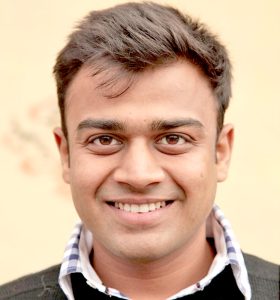
Rajat Gupta
Rajat Gupta is the gun young at Wind Horse Tours, New Delhi. With his advent there is infusion of fresh ideas, exuberance and passion , that changing travel scenario demands. He completed his degree course in Tourism Management in 2014. At Wind Horse Tour, India, he is setting pace for…
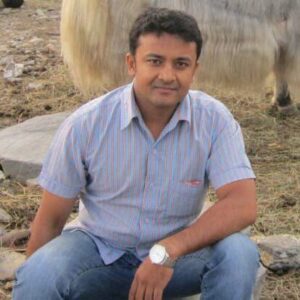
Gaurav Goyal
Gaurav Goyal remains stalwarts of Wind Horse Tours, India since its inception in 2005. Along with company he gained salience. His friend says " He aged once he started to work ". Like any other works, it was hardly a stroll in park at the start. In initial days, where…
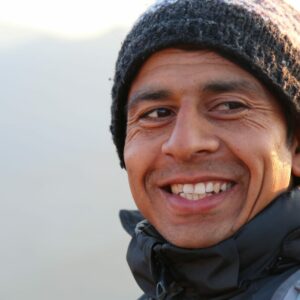
Hem Raj Bastola
Hem Raj Bastola is a permanent inhabitant of Pokhara-22, a rural area in the outskirts of Pokhara. He has been working as a tour and trekking guide since 2010. Formerly he has worked as a guest service agent in a hotel in Pokara. He started his career as a Cave…
What travelers most often ask us before a trip to Nepal.
Yes. Most travelers require a tourist visa to enter Nepal. You can obtain a visa on arrival at Tribhuvan International Airport or at major land border crossings. Alternatively, you may apply in advance at a Nepalese embassy or consulate.
The official currency of Nepal is the Nepalese Rupee (NPR).
Nepal’s varied landscapes and seasons offer year-round experiences, from vibrant cultural festivals to Himalayan treks, with each season adding its own charm.The best times to visit Nepal are spring (March–May) and autumn (September–November). These seasons offer stable weather, clear skies, and excellent mountain views.
These months are ideal for popular treks such as the Everest Base Camp Trek and the Annapurna Circuit Trek, as well as cultural tours and scenic mountain flights. October and November are especially popular due to pleasant temperatures, clear visibility, and major cultural festivals.
For wildlife safaris, the best time to visit is October to March, when cooler temperatures and dry conditions provide excellent opportunities for wildlife viewing in national parks such as Chitwan National Park and Bardia National Park.
Spring and autumn are the most popular and best seasons for trekking in Nepal. Spring lasts from March to May, and autumn runs from September to November. These seasons offer stable weather, clear skies, and breathtaking mountain views.
This is the ideal time for iconic routes such as the Everest Base Camp Trek and the Annapurna Circuit Trek, as well as scenic mountain flights near Mount Everest.
Spring brings blooming rhododendron forests, colorful landscapes, and mild temperatures, making trekking especially beautiful. Autumn, on the other hand, offers crystal-clear visibility, dry trails, and comfortable trekking conditions. For these reasons, both seasons are considered the peak trekking periods in Nepal.
The monsoon season, from June to August, brings heavy rainfall, which makes trails slippery and increases the presence of leeches, making trekking more challenging. However, treks in rain-shadow regions such as Upper Mustang, Dolpo, and Nar Phu Valley remain relatively dry and are suitable for trekking during this time.
Winter, from December to February, brings cold temperatures and snowfall at higher elevations, which can make high-altitude trekking difficult. However, lower-altitude treks such as Ghorepani Poon Hill, Everest View Trek, Langtang Valley Trek, Helambu Valley Trek, and Panchase Trek are still accessible and offer peaceful landscapes with fewer crowds.
Spring (March–May) & Autumn (September–November)
These are the best seasons for cultural travel. The weather is pleasant and ideal for exploring heritage sites, temples, and local markets in cities like Kathmandu and Bhaktapur.
October and November are especially vibrant, as Nepal celebrates its two biggest festivals—Dashain and Tihar. Expect colorful decorations, family gatherings, temple visits, and rich cultural traditions across the country.
Summer/Monsoon (June–August)
Cultural tours are still possible, particularly in the mornings when rain is lighter. The countryside is lush and green, though occasional weather-related travel disruptions may occur.
Winter (December–February)
A good time for cultural visits in the Terai region and cities like Pokhara. Clear skies and fewer tourists make sightseeing more relaxed and enjoyable.
Wildlife Safaris & Adventure Activities
October–March is the ideal period for wildlife safaris and adventure experiences. Cooler temperatures and clear skies offer excellent conditions for jungle safaris, wildlife viewing, white-water rafting, paragliding, hot air ballooning, mountain flights, bungee jumping, Skydiving, ziplining, etc.
Yes. You can obtain a visa on arrival at Tribhuvan International Airport. This is the quickest and most convenient option for most travelers.
Visa fees:
- 15 days – USD 30 per person
- 30 days – USD 50 per person
- 90 days – USD 125 per person
If you plan to stay longer, it is advisable to obtain a longer-duration visa upon arrival. Visa extensions are possible but cost more and may require several hours at the immigration office.
Yes. ATMs are widely available in major cities such as Kathmandu and Pokhara, and in some trekking regions like Everest and Annapurna. However, ATMs in remote areas may be unreliable due to power or internet outages. It is advisable to carry sufficient cash when traveling outside major cities.