

 +1 612 869 4949

Everest Cultural Trek in Comfort
Explore Everest’s Majesty and Sherpa cultural Heritage
-
 6 Days
-
 Trekking
 -
 Walking Tours
 -
 Culture Tours
 -
 Village Tours
 -
Easy

 Overview
 Costs
Costs Included
 Itinerary
 Trip Photos
Everest Cultural Trek in Comfort – A Comfortable Trek Through Everest’s Cultural Landscape
Embark on a transformative journey through the heart of the Himalayas with Wind Horse Tours’ Everest Cultural Trek in Comfort. This meticulously crafted itinerary combines the awe-inspiring beauty of the Everest region with immersive cultural experiences and the luxury of comfortable accommodations, offering an unparalleled trekking adventure.
The Everest Cultural Trek in Comfort begins with a scenic helicopter flight from Kathmandu to Namche Bazaar. This swift and exhilarating journey not only provides breathtaking aerial views of the Himalayas but also allows you to commence your trek well-acclimatized and energized. Upon arrival, you’ll settle into your comfortable lodge, where the warm hospitality of the Sherpa people sets the tone for the days ahead.
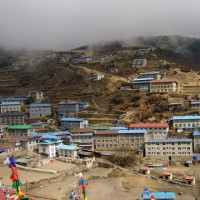
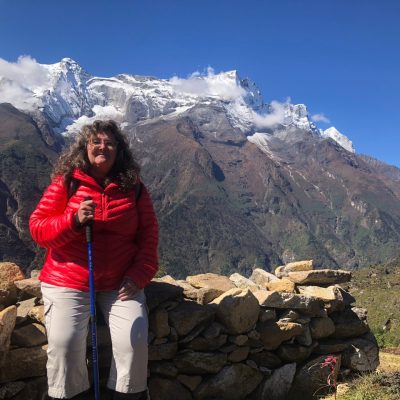
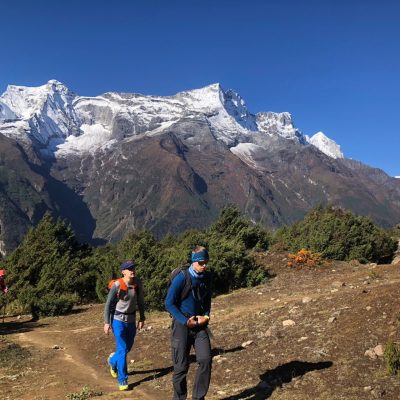
Spend a day acclimatizing and exploring the vibrant town of Namche Bazaar. Visit the local monastery, delve into the rich history at the Sherpa Culture Museum, and stroll through the bustling market, where traders from surrounding villages gather. Panoramic viewpoints offer your first glimpses of towering peaks such as Thamserku and Kongde Ri.
Departing Namche, embark on a gentle 2-3 hour trek to the tranquil village of Tashinga. The trail meanders through lush rhododendron forests, offering stunning views of the Dudh Koshi River below. Upon arrival, relax in your comfortable lodge and soak in the serene mountain ambiance.
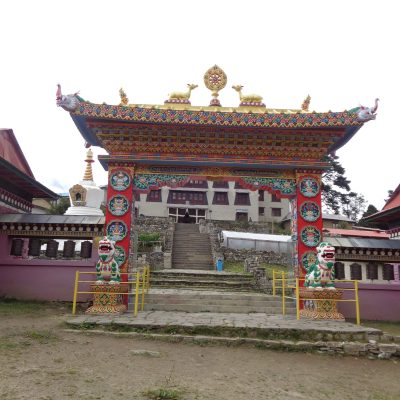
Continue your trek to Tengboche, home to the renowned Tengboche Monastery, the largest in the Khumbu region. Set against the backdrop of Ama Dablam, this spiritual center offers a unique glimpse into Tibetan Buddhist practices. After exploring the monastery, descend to the peaceful village of Diboche, where your cozy lodge awaits amidst tranquil surroundings.
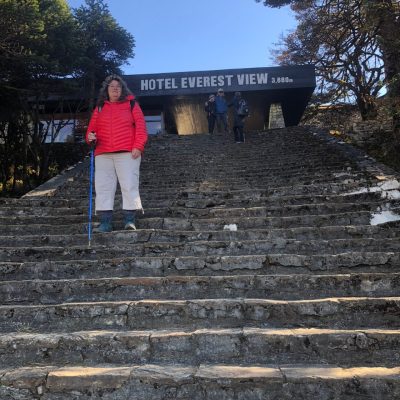
On your return journey, visit the picturesque village of Khumjung, known for its traditional Sherpa houses and the Hillary School. Then, ascend to the iconic Hotel Everest View in Syangboche, renowned for its panoramic vistas of Everest, Lhotse, and Ama Dablam. Enjoy a leisurely afternoon soaking in the views and reflecting on your journey.
Conclude your Everest Cultural Trek in Comfort with a scenic helicopter flight back to Kathmandu, offering one last aerial perspective of the majestic Himalayas. Back in the capital, unwind in your comfortable hotel or explore the city’s rich cultural heritage before your departure.
Why Choose the Everest Cultural Trek in Comfort?
- Scenic Helicopter Transfers: Begin and end your trek with breathtaking helicopter flights between Kathmandu and Namche Bazaar, offering unparalleled aerial views of the Himalayas.
- Cultural Immersion: Engage deeply with the Sherpa community, visiting monasteries, schools, and traditional villages to gain insights into their rich heritage.
- Comfortable Accommodations: Stay in carefully selected lodges that offer modern amenities and warm hospitality, ensuring restful nights after each day’s trek.
- Moderate Trekking: Enjoy manageable trekking days suitable for a wide range of fitness levels, with ample time for acclimatization and exploration.
- Expert Guidance: Benefit from the knowledge and experience of our seasoned local guides, who ensure a safe and enriching journey.
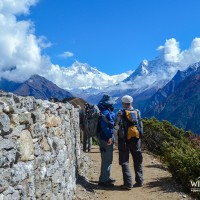
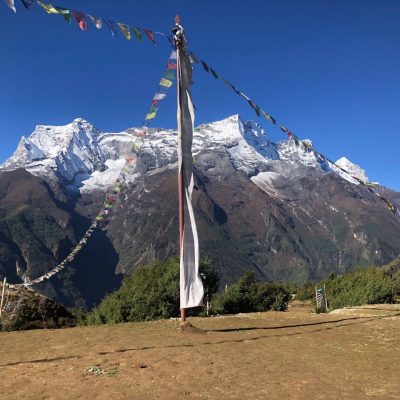
- Panoramic Mountain Views: Witness stunning vistas of Everest, Ama Dablam, Lhotse, and other iconic peaks from various vantage points along the trail.
- Spiritual Exploration: Visit significant Buddhist monasteries, including the renowned Tengboche Monastery, and experience the spiritual essence of the region.
Everest cultural Trek in comfort: outline itinerary
Day 1: Fly from Kathmandu to Namche Bazaar via Lukla (Helicopter transfer)
Day 2: Acclimatization and Exploration in Namche Bazaar
Day 3: Trek from Namche Bazaar to Tashinga
Day 4: Trek from Tashinga to Tengboche and to Diboche
Day 5: Trek from Diboche to Syangboche via Khumjung
Day 6: Fly from Syangboche to Kathmandu via Lukla
This itinerary is designed to provide a balance between cultural immersion and comfort, ensuring a memorable experience in the Everest region.
Overview
Trip Type
Trekking
 Activities Included
 Accommodation
Upscale comfortable lodges similar to 3-4* category city hotels such as Mountain Lodges of Nepal and Everest Summit lodges
Accommodation
Upscale comfortable lodges similar to 3-4* category city hotels such as Mountain Lodges of Nepal and Everest Summit lodges
 Meal
All meals are included
Meal
All meals are included
 Best Seasons
Best during spring and autumn
Best Seasons
Best during spring and autumn
 Route
Kathmandu-Lukla-Namche Bazaar-Tashinga-Tengboche-Diboche-Khumjung-Syangboche-Kathmandu
Route
Kathmandu-Lukla-Namche Bazaar-Tashinga-Tengboche-Diboche-Khumjung-Syangboche-Kathmandu
Cost Information
Included
- All ground transfers by private vehicle.
- 5 nights’ accommodation in comfortable lodges comparable to 3-4* city hotels during the trek.
- Breakfast, lunch, and dinner along with coffee/tea during the trek.
- English-speaking licensed trekking guide along with a porter (1 porter for every two trekkers).
- Round trip helicopter fare between Kathmandu-Namche Bazaar-Syangboche-Kathmandu.
- Basic first aid kit, duffel bag, and trekking map.
- Trekking staff accommodation, wages, meals, trekking gears, and insurance.
- All necessary paperwork and permits for the trek (National Park Fee/Rural Municipal Fee).
- All government tax and service charges.
Not included
- Meals and hotels in Kathmandu.
- Personal expenses (laundry, telephone, bar, beverages).
- Bottled/boiled water, battery recharge and Wi-Fi and hot showers during the trek.
- Tips and gratuities to Guide, Porter and driver.
- Travel medical insurance covering rescue and emergency evacuation.
- Personal trekking gears and equipment’s.
- Trip cancellation cost due to your health, weather condition, political situation, and any other unforeseen events.
- Any other expenses other than the listed above.
Detailed Itinerary
Expand AllKathmandu to Namche Bazaar via Lukla (Helicopter Transfer)
Everest Cultural Trek in Comfort begins with a scenic helicopter flight from Kathmandu to Lukla, the gateway to the Everest region. This exhilarating journey offers breathtaking aerial views of the Himalayas, allowing you to bypass the traditional two-day trek and commence your adventure in the heart of the Khumbu region.
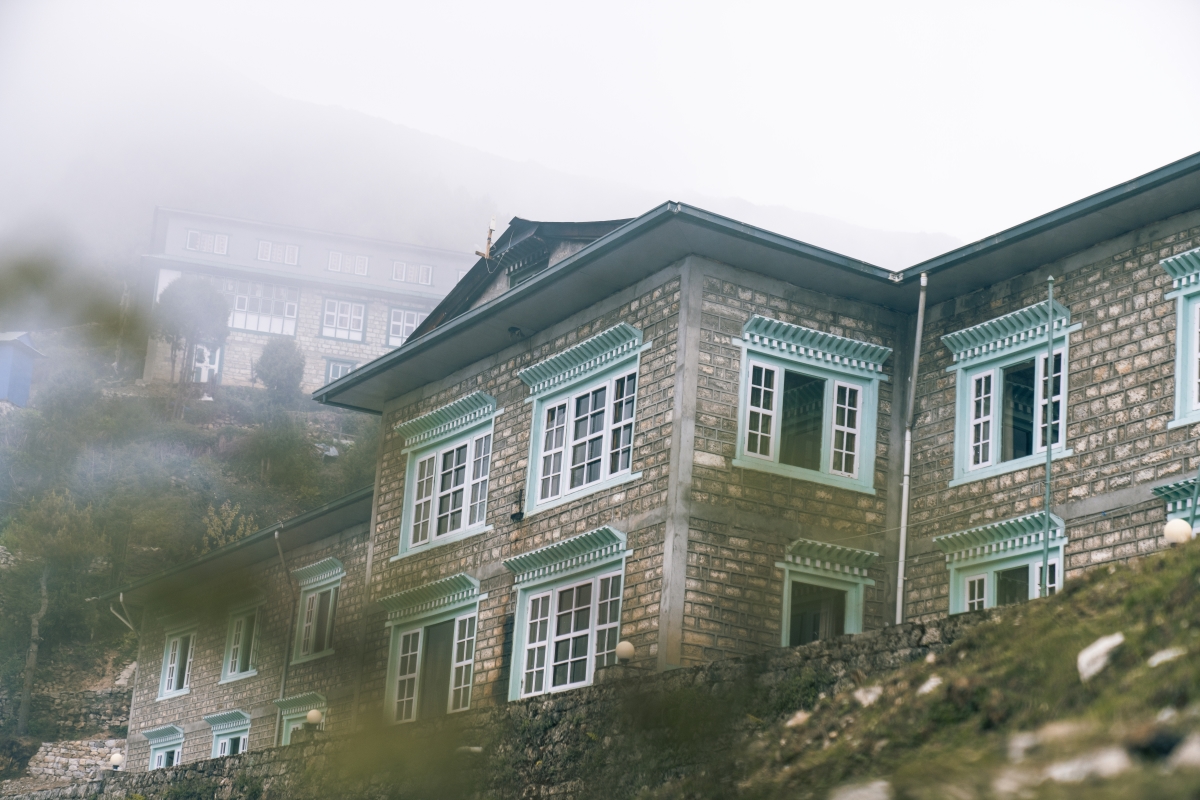
From Lukla, continue your helicopter ride further to Namche Bazaar, the bustling hub of the Khumbu region, situated at an altitude of 3,440 meters. Upon arrival, settle into your comfortable lodge and take the rest of the day to relax and acclimate to the altitude. Overnight in Namche Bazaar.


 Altitude:
3440 m
Altitude:
3440 m
 Duration:
1 hr flight
Duration:
1 hr flight
Acclimatization and Exploration in Namche Bazaar
Namche Bazaar, is a vibrant Sherpa town nestled in the heart of the Khumbu region. Serving as a crucial acclimatization stop for trekkers en route to Everest Base Camp, it offers a rich blend of cultural experiences and natural beauty.
Begin your exploration at the Sherpa Culture Museum, which provides insights into the traditional lifestyle and mountaineering heritage of the Sherpa people. Near to the museum is the Sagarmatha National Park Visitor Centre. Here, you can learn about the region’s unique biodiversity, geology, and the cultural significance of the Himalayas. The center also offers panoramic views of Everest and surrounding peaks on clear days.
For a spiritual experience, visit the Namche Monastery, a serene place where you can observe monks in prayer and admire traditional Tibetan Buddhist architecture. If your visit coincides with a Saturday, don’t miss the bustling local market. Traders from surrounding villages gather here to sell fresh produce, handmade crafts, and other goods, offering a lively atmosphere and a glimpse into local life.
After a day of exploration, unwind at one of Namche’s cozy cafés or bakeries. These establishments provide a comfortable setting to relax, enjoy local delicacies, and soak in the vibrant atmosphere of this Himalayan hub. Overnight in Namche Bazaar.
 Altitude:
3440 m
Duration:
4-5 hrs
Altitude:
3440 m
Duration:
4-5 hrs
Trek from Namche Bazaar to Tashinga
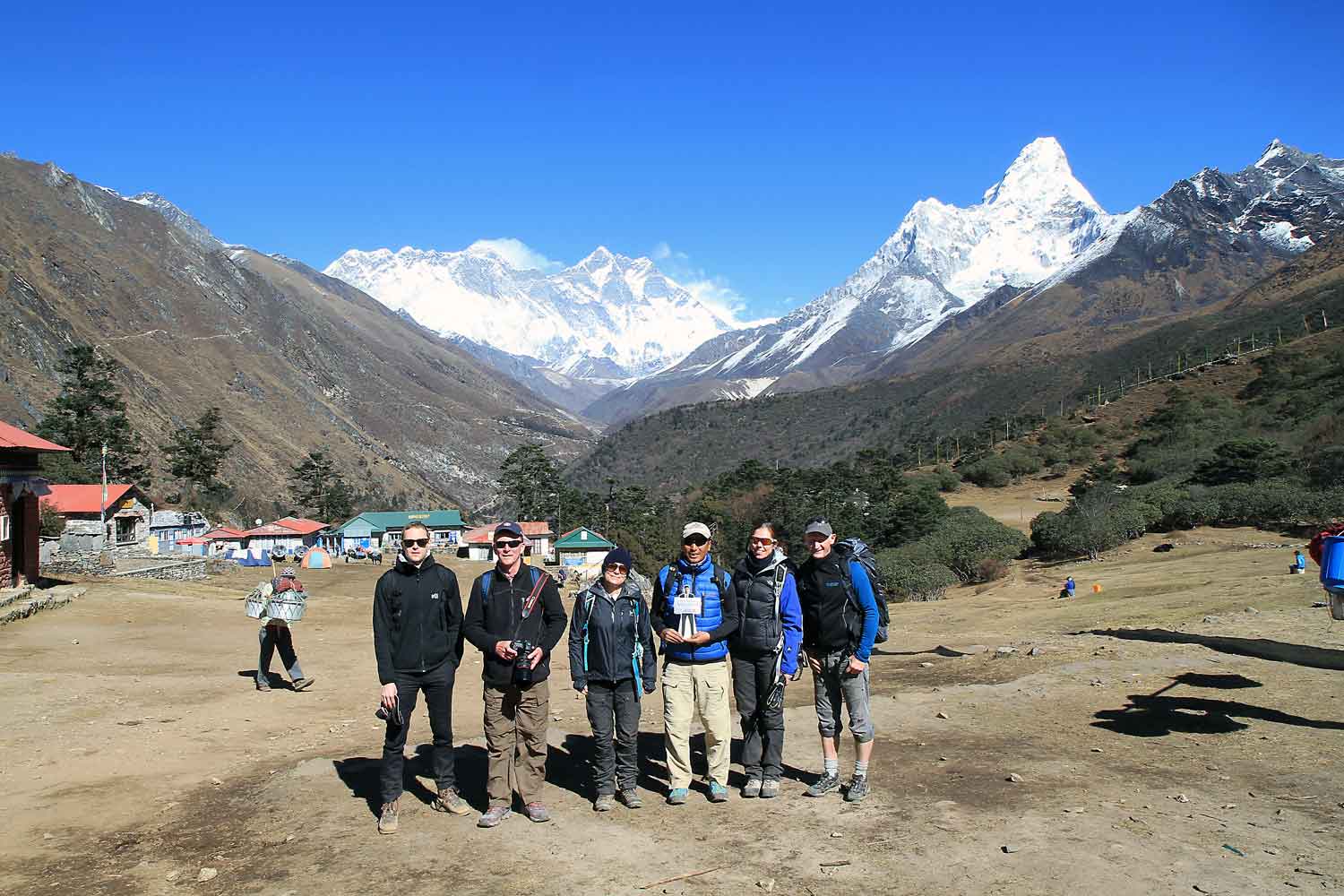
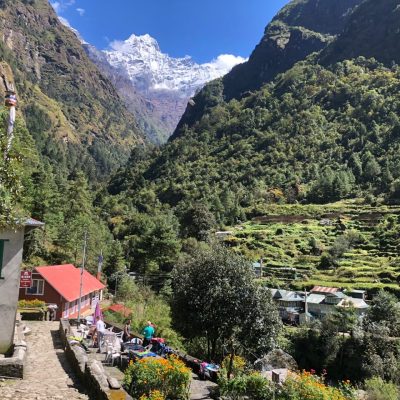
Depart Namche Bazaar on a gentle trail that winds through rhododendron and pine forests, offering spectacular views of the Dudh Koshi River far below and distant Himalayan peaks. The trek to Tashinga takes about 2 to 3 hours, making for a relaxed and scenic walk.
Take your time to soak in the serene alpine landscape and perhaps spot Himalayan wildlife along the way. Upon reaching the quiet village of Tashinga, check into a comfortable lodge nestled in peaceful surroundings. Overnight in Tashinga.
 Altitude:
3450 m
Duration:
2-3 hrs
Altitude:
3450 m
Duration:
2-3 hrs
Trek from Tashinga to Tengboche and Diboche
Start your day with a steady uphill climb towards Tengboche (3,860 meters), a spiritual hub of the Khumbu region and home to the iconic Tengboche Monastery. Framed by the towering peak of Ama Dablam, the monastery is a serene place to witness Tibetan Buddhist rituals and absorb the deep spiritual energy of the Himalayas.
After exploring the monastery and perhaps attending a prayer session, descend through a scenic forest trail to the quiet hamlet of Diboche. Overnight in Diboche.
Altitude:
3820 m
Duration:
3-4 hrs
 Yeti Mountain Lodge
Trek from Diboche to Syangboche via Khumjung
Today’s trek leads to the charming Sherpa village of Khumjung, nestled beneath the sacred Khumbila peak. Known for its traditional stone houses and the Hillary School, this village offers a glimpse into authentic Sherpa culture.
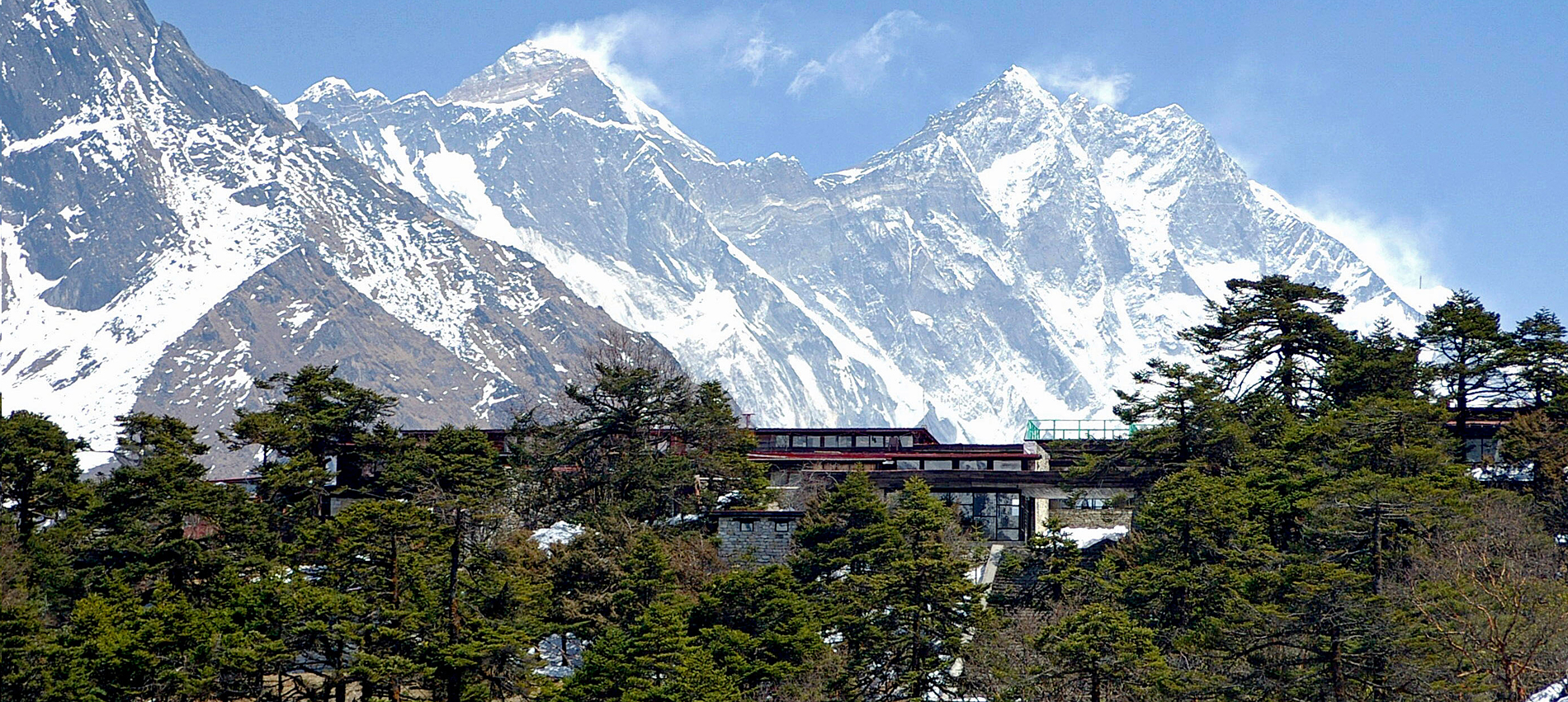
Visit the Khumjung Monastery, home to the famed “Yeti scalp,” and enjoy the unique blend of legend and spirituality. From Khumjung, ascend to Syangboche to the Hotel Everest View, one of the highest-altitude hotels in the world.
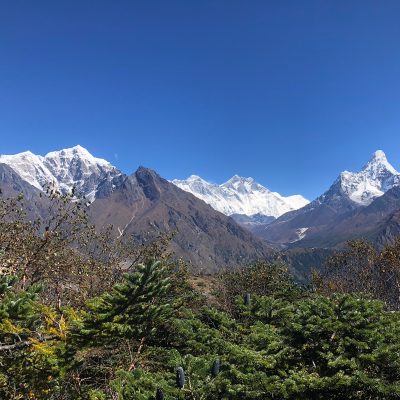
Relax in the afternoon while taking in sweeping views of Everest, Lhotse, and Ama Dablam—an unforgettable panorama to reflect on your journey so far. Overnight in Syangboche.
 Altitude:
3880 m
Duration:
4-5 hrs
Altitude:
3880 m
Duration:
4-5 hrs
Fly from Syangboche to Kathmandu
Conclude your Everest Cultural Trek in Comfort with a scenic helicopter flight from Syangboche back to Kathmandu, offering one last aerial perspective of the majestic Himalayas. Upon arrival in Kathmandu, transfer to your hotel (Service ends).
Please be advised that all helicopter flights are subject to weather conditions. There may be changes to the flight schedule and timing to ensure passenger safety and comfort.
Trip Photos
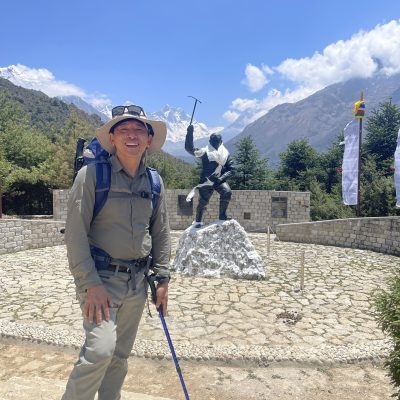
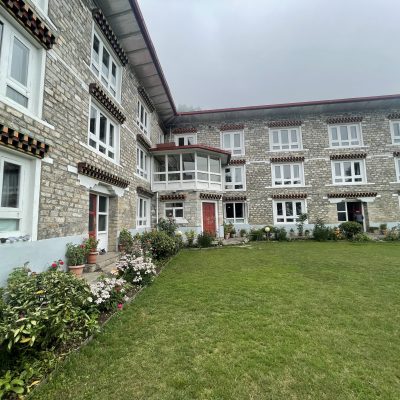
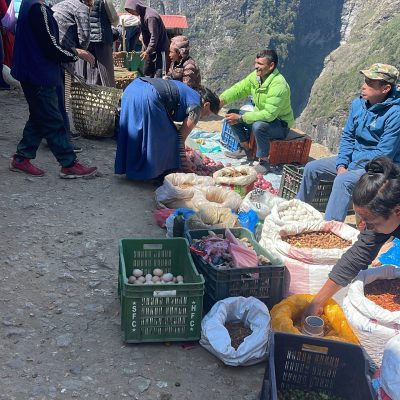
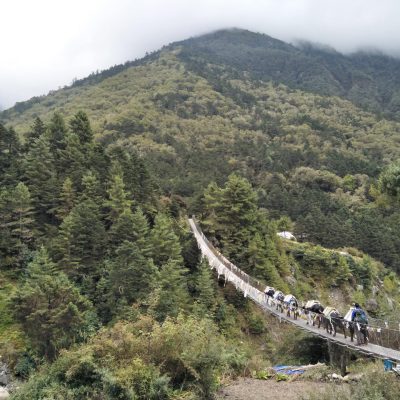
FAQs
- What is special about the Everest Cultural Trek compared to other Everest treks?
Unlike the longer and more demanding Everest Base Camp Trek, this journey focuses more on culture, comfort, and scenic exploration. It combines shorter walking hours with cultural encounters, monastery visits, and comfortable lodges, offering a relaxed way to experience the Everest region.
- How does the “Everest Cultural Trek in Comfort” differ from a standard Everest Base Camp trek?
This trek emphasizes cultural immersion and comfort rather than merely reaching Everest Base Camp. You’ll stay in upscale lodges or eco-lodges equipped with ensuite bathrooms and hot showers, allowing you to enjoy genuine Sherpa hospitality, visit local monasteries and villages, and experience authentic traditions. Unlike the standard Everest Base Camp trek, this itinerary stops before reaching the Base Camp, offering a more ethical, sustainable journey that supports local communities.
- How long is the Everest Cultural Trek in Comfort?
The Everest Cultural Trek in Comfort typically lasts 6 days, making it one of the shorter ways to experience the Everest region. The journey includes helicopter transfers between Kathmandu and the Khumbu region, saving several days of trekking compared to the traditional Everest Base Camp route. During the trip, travelers spend time exploring the vibrant Sherpa town of Namche Bazaar and enjoy short scenic hikes to nearby villages such as Tashinga, Tengboche, and Khumjung. The itinerary balances light trekking with cultural visits and spectacular mountain views.
- When is the best time to do the Everest Cultural Trek?
The best seasons are spring (March–May) and autumn (September–November) when the weather is generally stable and skies are clear. During these months, trekkers enjoy excellent visibility of Himalayan peaks and pleasant daytime temperatures for walking. Spring also brings blooming rhododendron forests, while autumn offers crisp mountain air and vibrant festival seasons in Nepal.
- How difficult is the Everest Cultural Trek?
The trek is considered easy to moderate compared with other Himalayan treks. The route involves gentle ascents, shorter walking days, and comfortable overnight stops. It is ideal for travelers who want to experience the Everest region without undertaking a physically demanding expedition.
- Is the Everest Cultural Trek suitable for beginners?
Yes. The Everest Cultural Trek in Comfort is suitable for first-time trekkers and travelers with moderate fitness levels. The daily walking time is usually between 3–5 hours, and the helicopter transfers reduce the overall trekking distance. This makes it an excellent introduction to trekking in the Himalayas.
- What permits are required for the trek?
This trek needs two permits: the Sagarmatha National Park entry permit and local rural municipal fees. The trek takes place inside Sagarmatha National Park, which protects the region’s unique alpine environment and wildlife. These permits are usually arranged in advance by us and included in the trekking package.
- What fitness level is required?
The trek is moderate, with daily walking of about 4–6 hours on gentle, well-established trails, ascending to around 4,000 m. No technical climbing is involved, but a basic level of fitness and at least some hill-walking experience is recommended.
- What kind of accommodation is provided during the trek?
Accommodation during the trek is in upscale luxury mountain lodges, comparable to 3–4 star city hotels, offering a much higher standard of facilities than typical trekking teahouses. Lodges feature private rooms, attached bathrooms, underfloor heating, hot showers, and spa facilities, along with cozy dining areas with fireplaces. They combine warm Sherpa hospitality with modern comfort, making the trek ideal for travelers who want to experience the Himalayas without sacrificing convenience, relaxation, or comfort after a day of trekking.
- What meals are included during the trek & what kind of food is available?
The trekking package includes daily breakfast and dinner at the lodges, along with tea or coffee, while lunch is served at standard restaurants along the route. Luxury lodges in the Everest region offer a mix of traditional Himalayan and international cuisine, with warm dining areas and freshly prepared meals.
You can enjoy local dishes such as Dal Bhat (rice with lentils, vegetables, and sometimes meat), Momo (dumplings), Sherpa stew, and Tibetan-style noodle soups, all designed to provide energy for trekking. International options like pasta, pizza, grilled chicken or fish, sandwiches, salads, and roasted vegetables are also available.
Breakfast is generous, including eggs, pancakes, porridge, yogurt, muesli, toast, and fresh fruit, with coffee, tea, or hot chocolate. Soups and warm beverages are popular at altitude, and desserts such as apple pie, chocolate cake, brownies, and pastries are often served in lodges around Namche Bazaar.
- What is the maximum altitude reached during the Everest Cultural trek?
The highest altitude reached during the trek is around 3,880 meters at Syangboche, which lies above Namche Bazaar. This area is famous for its panoramic viewpoints and the nearby Everest View Hotel, one of the highest luxury hotels in the world. At this elevation, travelers can enjoy stunning Himalayan scenery while remaining below the more extreme altitudes encountered on longer Everest treks.
- What is Namche Bazaar famous for?
Namche Bazaar is known as the gateway to the Everest region. This lively mountain town features trekking shops, bakeries, cafés, museums, and vibrant markets where traders from surrounding villages gather. It is also an important acclimatization stop for trekkers.
- Are helicopter flights included in the cost?
Yes. The cost includes round-trip helicopter flights between Kathmandu and the Everest region, usually landing at Lukla. These scenic flights offer breathtaking aerial views of the Himalayan range, including the world’s highest peak, Mount Everest. Helicopter travel also allows visitors to skip the multi-day trek from Lukla, making the journey shorter and more comfortable.
- What cultural experiences are included in the trek?
The trek offers rich insight into Sherpa culture, Himalayan Buddhism, and mountain traditions. Travelers visit historic monasteries such as Tengboche Monastery, explore traditional Sherpa settlements like Khumjung, and learn about local life through visits to museums, monasteries, and community areas. These experiences help visitors understand the spiritual and cultural heritage of the Everest region beyond its famous mountain scenery.
- What mountains can be seen during the trek?
Trekkers are rewarded with breathtaking views of several famous Himalayan peaks, including Mount Everest, Ama Dablam, Lhotse, Thamserku, and Kongde Ri. Many of these peaks can be seen from viewpoints above Namche Bazaar and along the trails to Tengboche and Khumjung.
- Can I see Mount Everest during this trek?
Yes. On clear days, trekkers can see Mount Everest from viewpoints around Namche Bazaar and Syangboche. Some of the best views are from the terrace of the Everest View Hotel, where Everest appears alongside surrounding Himalayan peaks.
- Are there monasteries to visit during the trek?
Yes. A major highlight is visiting Tengboche Monastery, an important spiritual center for the Sherpa community. The monastery is surrounded by spectacular mountain scenery and often hosts traditional Buddhist ceremonies.
- What kind of wildlife might I see during the trek?
The trek passes through the forests and alpine landscapes of Sagarmatha National Park. Wildlife that may be seen includes the colorful Himalayan Monal, Musk Deer, and Himalayan Tahr, along with many species of mountain birds.
- Do I need previous trekking experience for this trip?
Previous trekking experience is not required. However, participants should be reasonably active and comfortable walking on mountain trails. Basic preparation such as light hiking or regular exercise before the trip can help make the experience more enjoyable.
- Do I need a guide or porter?
Yes. A licensed, English-speaking guide is mandatory in the Everest region, included in your package. Additionally, you’ll have one porter per two trekkers, each carrying up to 18-20 kg of your luggage.
- Is altitude sickness a concern on this trek?
Altitude sickness can occur in high mountain environments, but this itinerary is designed to minimize risk through gradual acclimatization. You spend time in Namche Bazaar to adjust to the altitude before continuing higher. Our guides closely monitor you, encourage proper hydration, and maintain a comfortable walking pace. Since the trek stays below 4,000 meters, the risk is generally lower compared to longer high-altitude treks.
- Is travel insurance required for the trek?
Yes. Comprehensive travel insurance that covers trekking activities and helicopter evacuation is strongly recommended. The Everest region is remote, and helicopter evacuation may be necessary in case of medical emergencies or severe altitude problems.
- What should I pack for the trek?
Packing the right gear is essential for a comfortable trek in the Himalayas. Important items include sturdy trekking boots, warm layered clothing, a waterproof jacket, sunglasses, sunscreen, and a reusable water bottle. A small daypack is useful for carrying daily essentials, while personal medications and basic first-aid items are also recommended. We will provide a detailed packing list at the time of booking.
- Is Wi-Fi available during the trek?
Wi-Fi is available in many lodges, especially in Namche Bazaar and nearby villages. However, connection speeds may be slower than in cities and sometimes require a small fee. Mobile networks also provide limited connectivity in certain parts of the trail.
- Is this trek suitable for senior travelers?
Yes. The combination of short trekking days, helicopter access, and comfortable lodges makes this trek a popular option for senior travelers who wish to experience the Everest region without undertaking a strenuous expedition.
- Can families join the Everest Cultural Trek?
Yes. This trek can be a great experience for families with older children who enjoy walking and outdoor travel. The shorter trekking days and comfortable lodges make it more accessible than longer Himalayan treks.
- What makes trekking in the Everest region unique?
Trekking in the Everest region offers a rare blend of dramatic Himalayan landscapes, ancient Buddhist monasteries, Sherpa culture, and views of the world’s highest mountains. The region’s trails pass through forests, alpine valleys, and historic villages, creating one of the most iconic trekking experiences in the world.
Overview
Trip Type
Trekking
Activities Included
Accommodation
Upscale comfortable lodges similar to 3-4* category city hotels such as Mountain Lodges of Nepal and Everest Summit lodges
Meals
All meals are included
Route
Kathmandu-Lukla-Namche Bazaar-Tashinga-Tengboche-Diboche-Khumjung-Syangboche-Kathmandu
 Max Group Size
Any number of participant
Best Seasons
Best during spring and autumn
Max Group Size
Any number of participant
Best Seasons
Best during spring and autumn