
Dear Jambay- I returned a few weeks ago from my special, custom trip to Tibet. The job everyone involved via Windhorse Travel did was outstanding! All arrangements were excellent and there were no hiccups or issues I can give advice for improvements. It was obvious that the permits &c were unusual, complicated, and well done. I have to make special…

Tibet Everest Base Camp Tour
An ultimate journey to the Everest Base Camp in Tibet
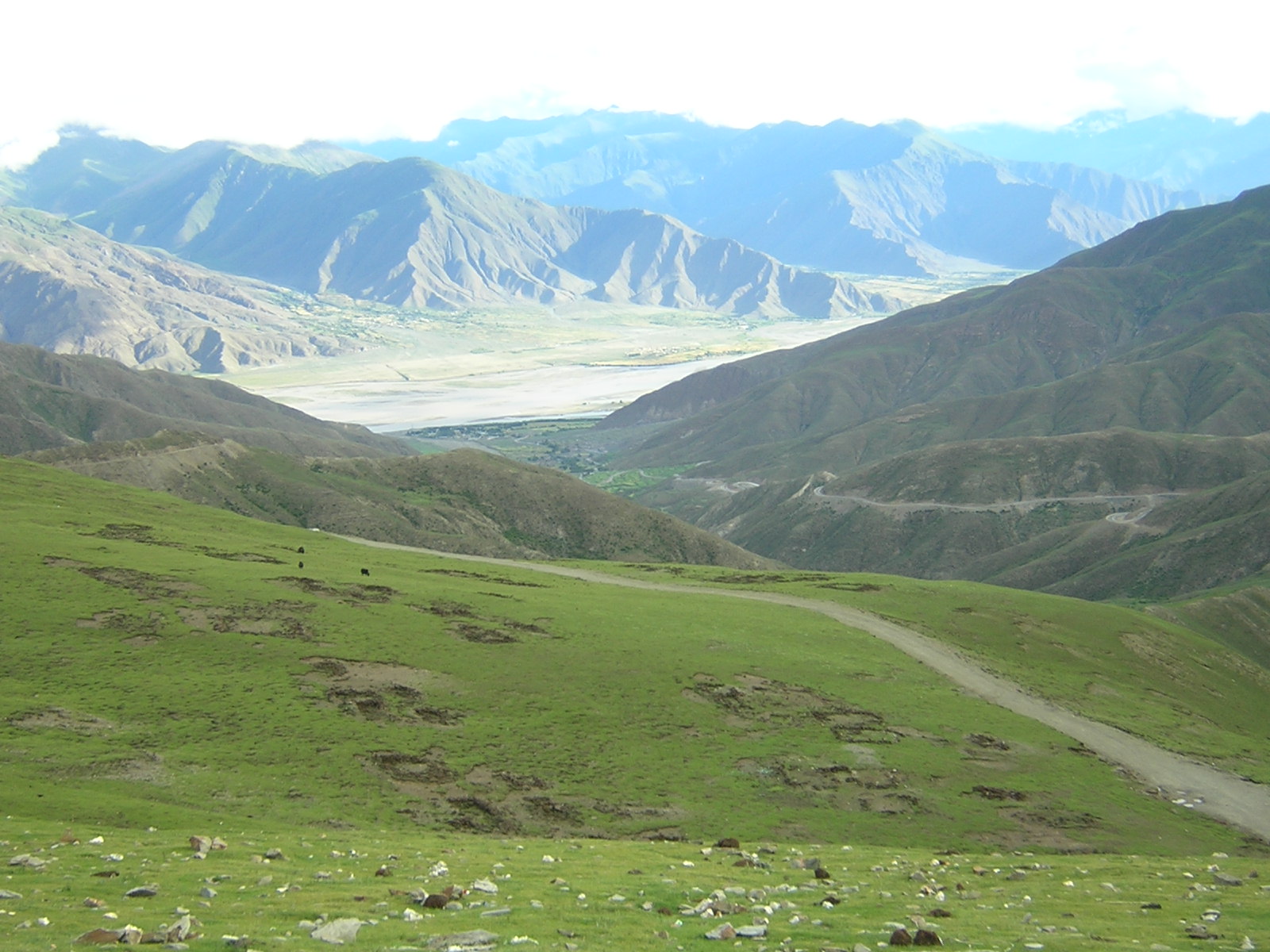
To the most, Tibet has always been shrouded in mystery. Tibet Everest Base Camp Tour takes you on a journey that slowly unveils its enigma and exposes you to the undiluted charms in the form of its rich legacies, and its historical monuments with its natural attractions. Along this journey we will pass through turquoise lakes, breathtaking passes, beautiful snowy peaks, numerous alpine settlements, and the ancient monasteries till it culminates into the base camp of the world’s highest peak Mt Everest, offering an astounding north face view of Mt Everest.
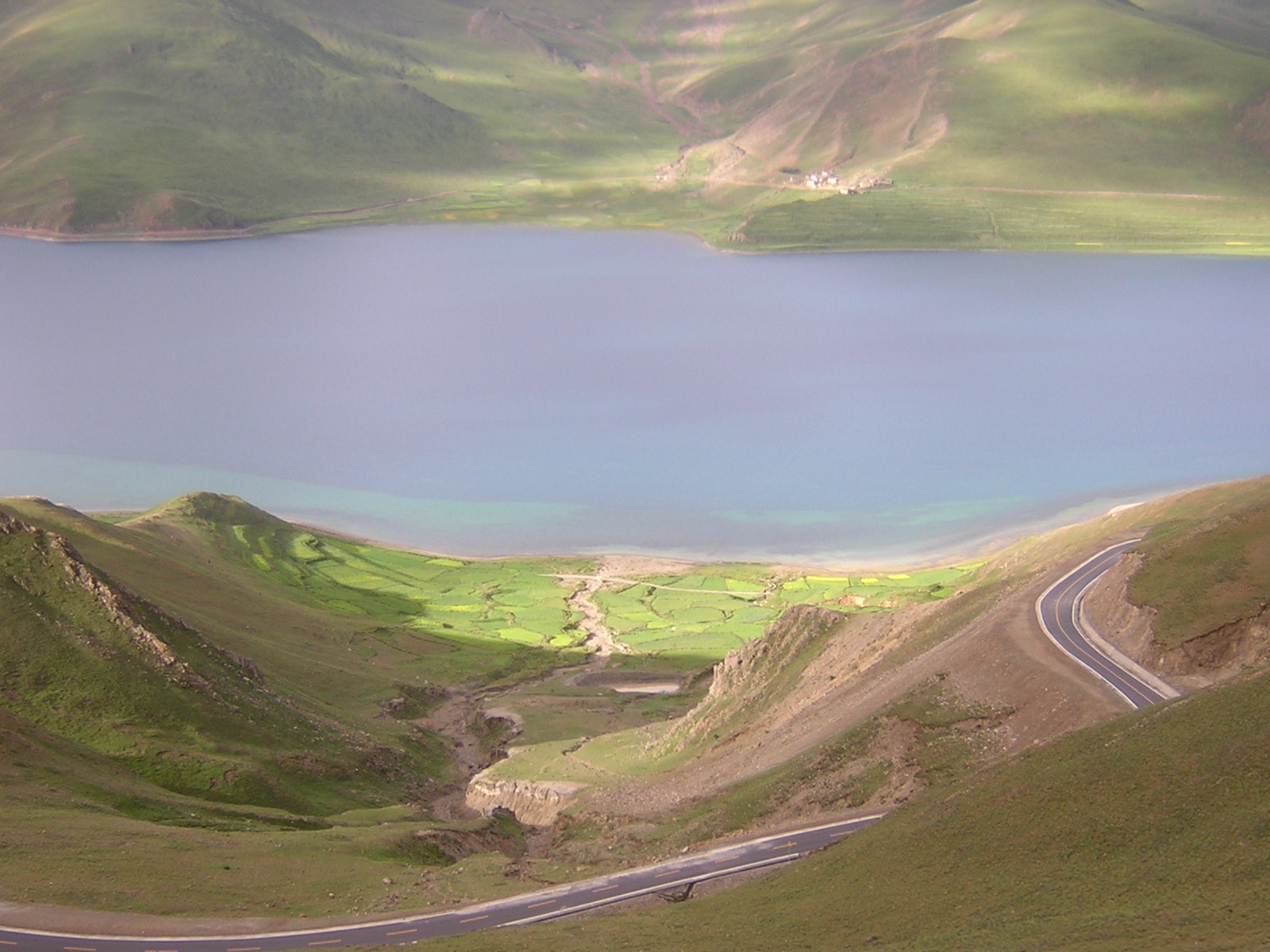
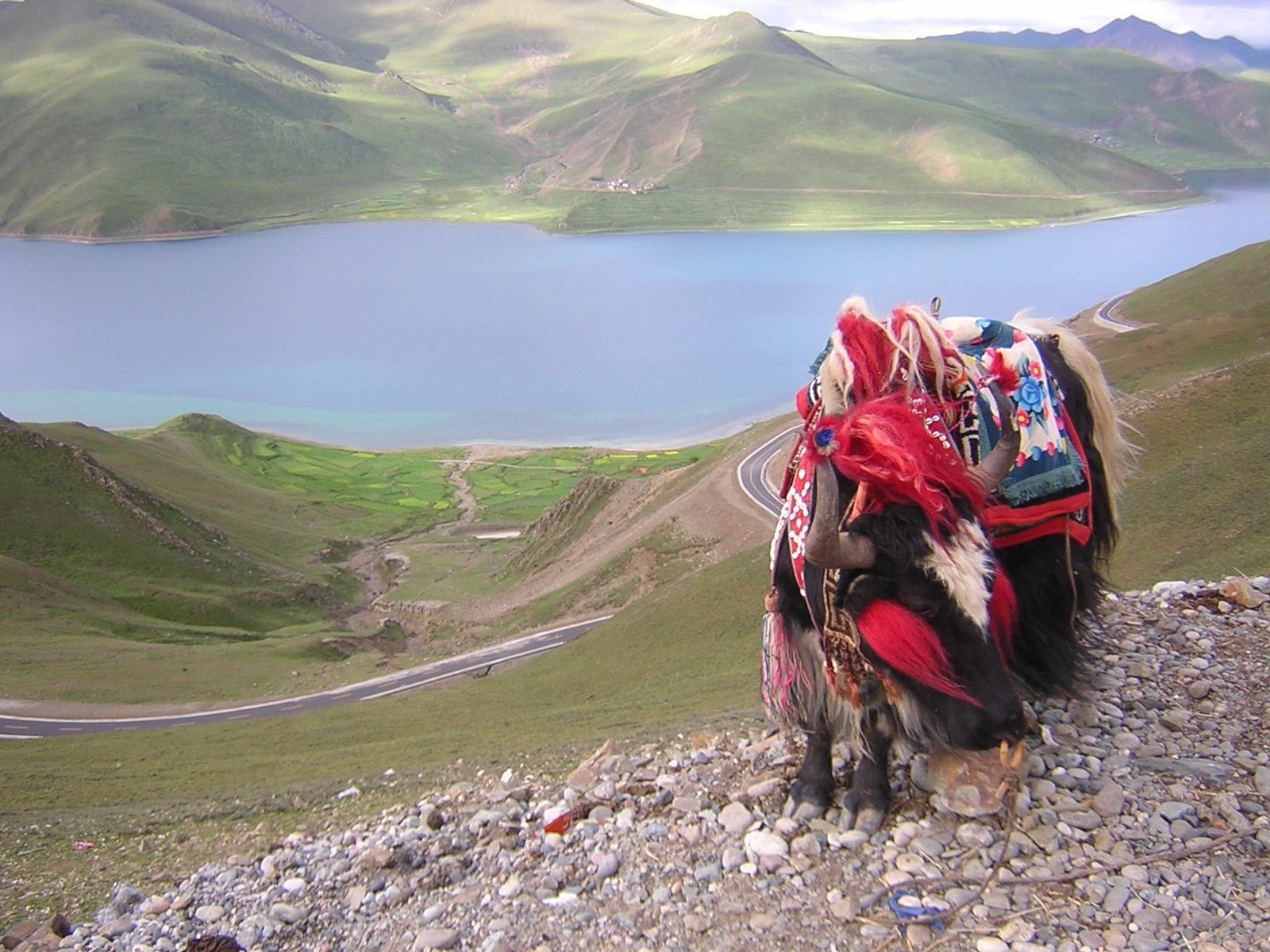
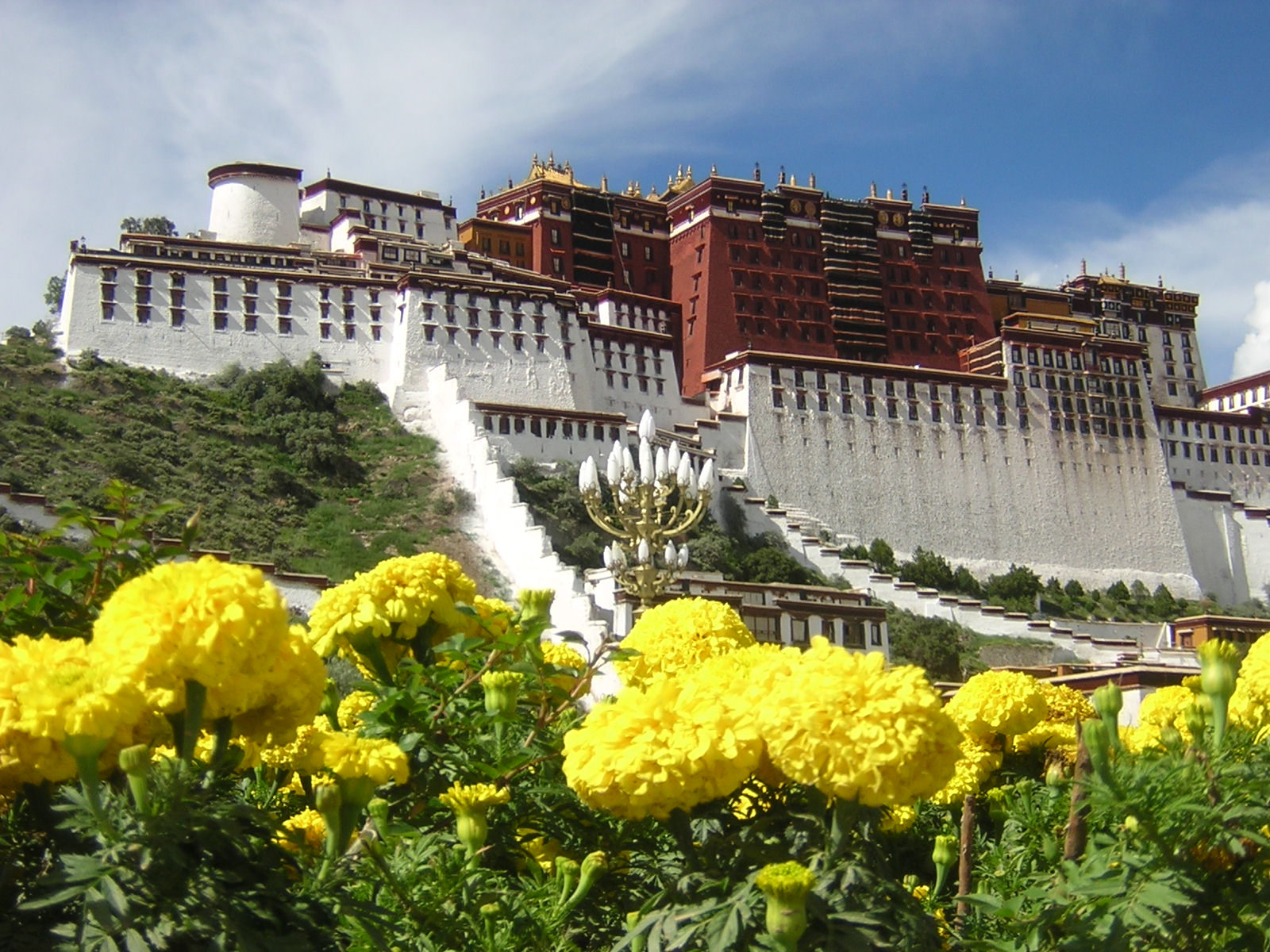
The trip starts from historical Lhasa, exploring some of the major cultural and religious highlights like unmissable Potala Palace, Drepung Monasteries, Barkhor Square, etc. Along the way savor the delights of emerald green turquoise Yamdrok lake. This is followed by a visit to the places of interest in Shigatse, Gyantse, en route passing through some of the breathtaking high passes, offering a surreal vista of the surroundings. Also visit the fabled Rongpung Monastery, the highest monastery in the world. Culminating into the Everest Base Camp with an up, close and personal view of the north face of Mt Everest.
Tibet Everest Base Camp Tour Outline Itinerary
Day 1: Arrive in Lhasa(3658m)
Upon arrival at Lhasa airport/railway station, our Tibetan guide will transfer to your hotel. It takes about a little more than an hour to reach Lhasa(98 km). The rest of the afternoon is free to relax and acclimatize. Overnight in hotel.
Day 2: In Lhasa
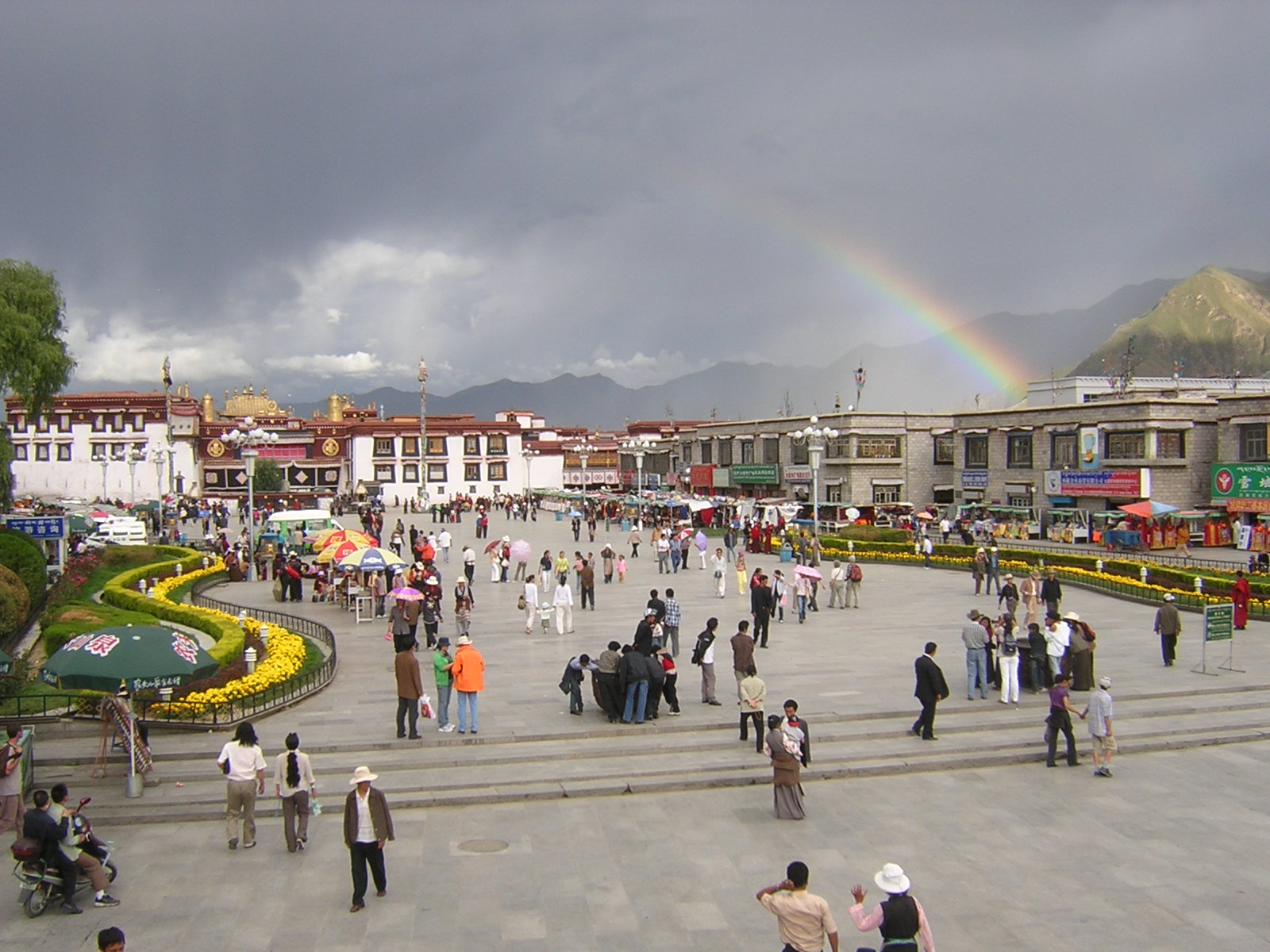
Full-day guided tour of Lhasa. Visit some of the iconic edifices that define Lhasa such as the famous Potala Palace, Jokhang Temple, and Barkhor street. Setting the pace of our own for detailed visits of these landmarks as well as to enhance acclimatization. Overnight in hotel.
Day 3: In Lhasa
Lhasa is the epicenter of the cultural renaissance in Tibet, it has a lot of cultural attractions and sights to see. Also, most importantly, more days in Lhasa means to be better equipped with acclimatization for the final summit tour of Everest Base Camp (17,225 feet). Today’s visit on the menu is Drepung Monastery, Nechung Temple, and Sera monastery. Overnight in hotel.
Day 4: Lhasa – Yamdrok Lake – Gyantse – Shigatse (3836m/350km/7 hrs)
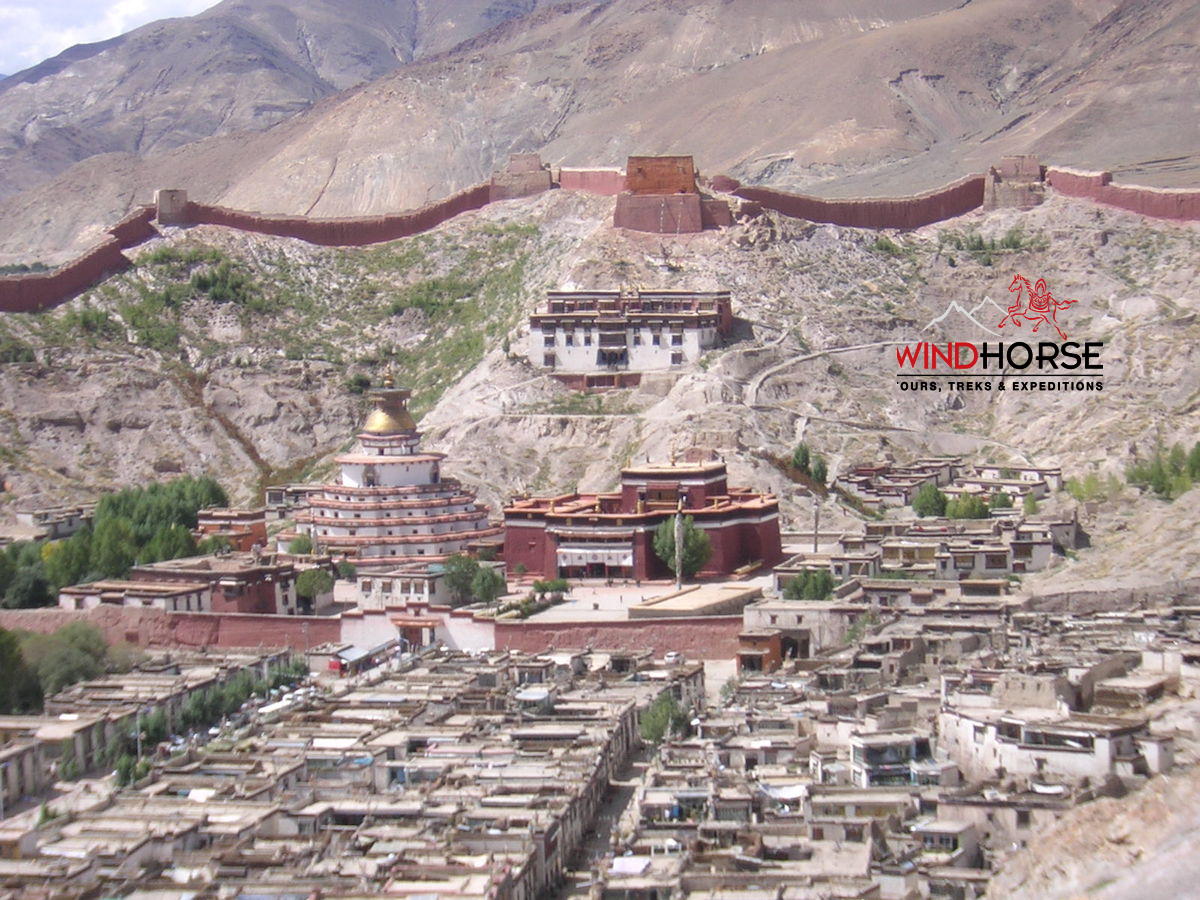
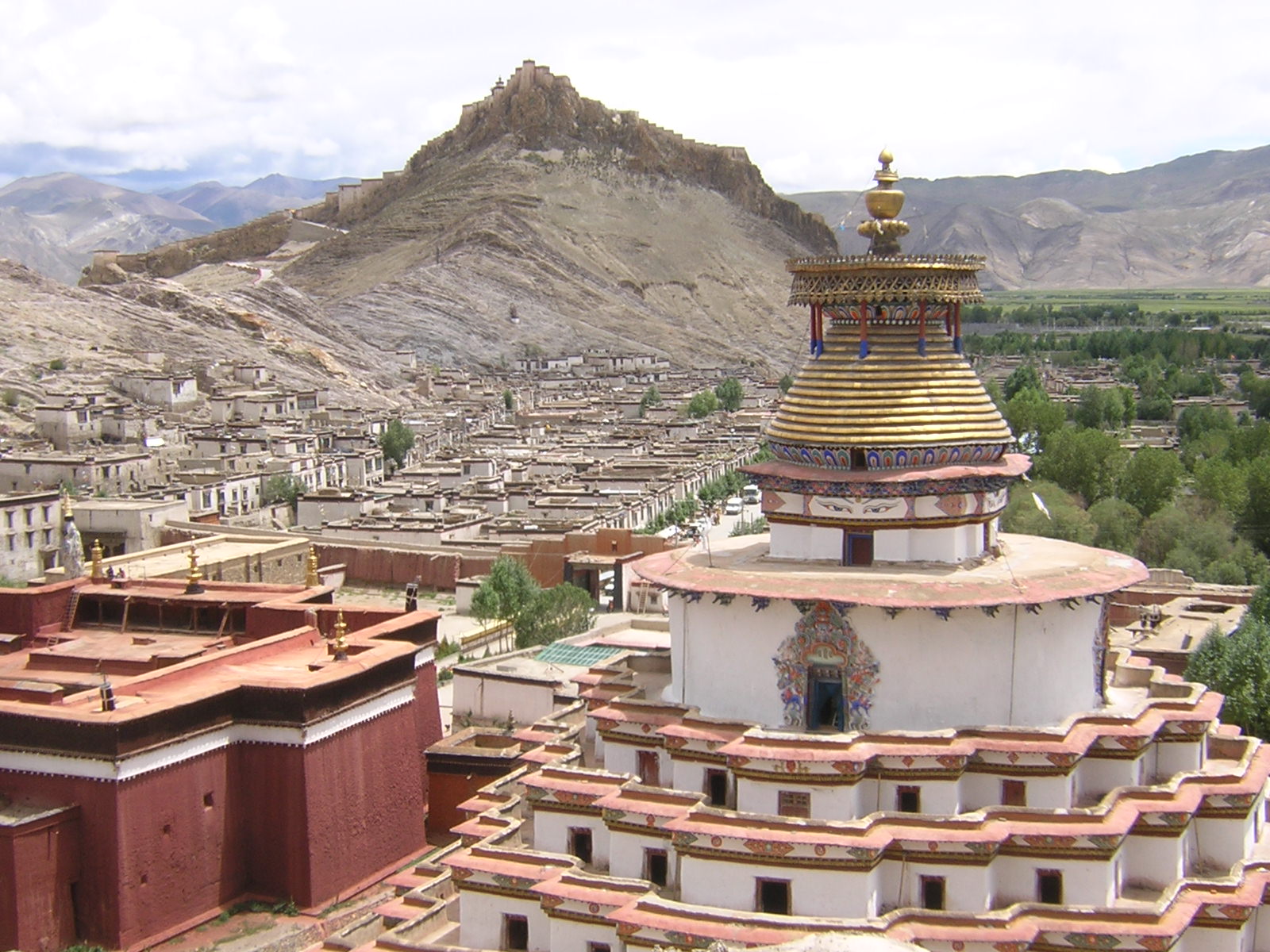
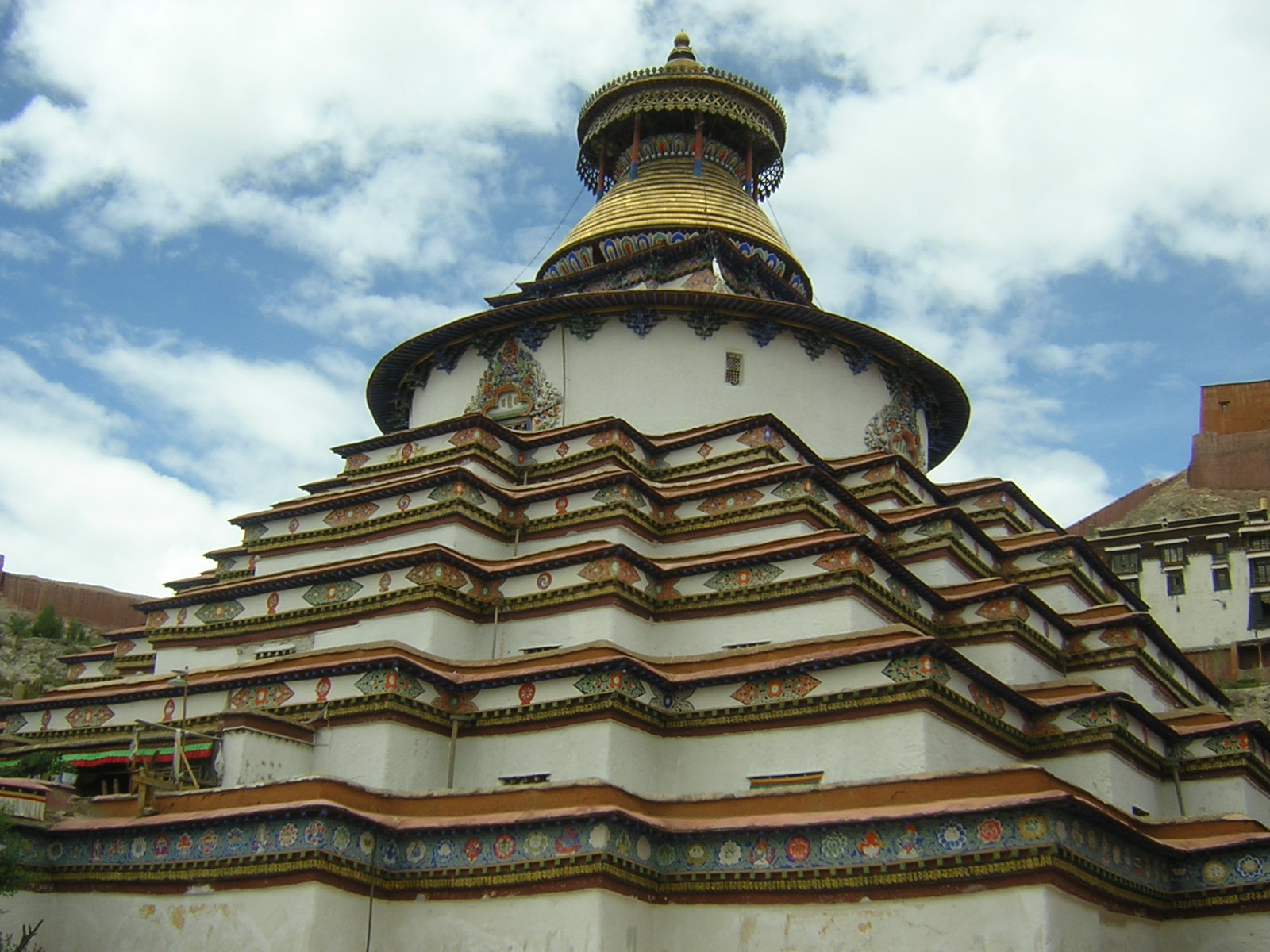
After breakfast, drive to Gyantse across 2 high Passes, affording spectacular vista and beautiful Yamdrok lake. In Gyantse, visit Pelkor Monastery and Kumbum Stupa. In the afternoon, drive the final 90km stretch to Shigatse, the second-largest city in Tibet. Overnight in hotel.
Day 5: Shigatse – Shegar (New Tingri) (4300m/240km/5 hrs)
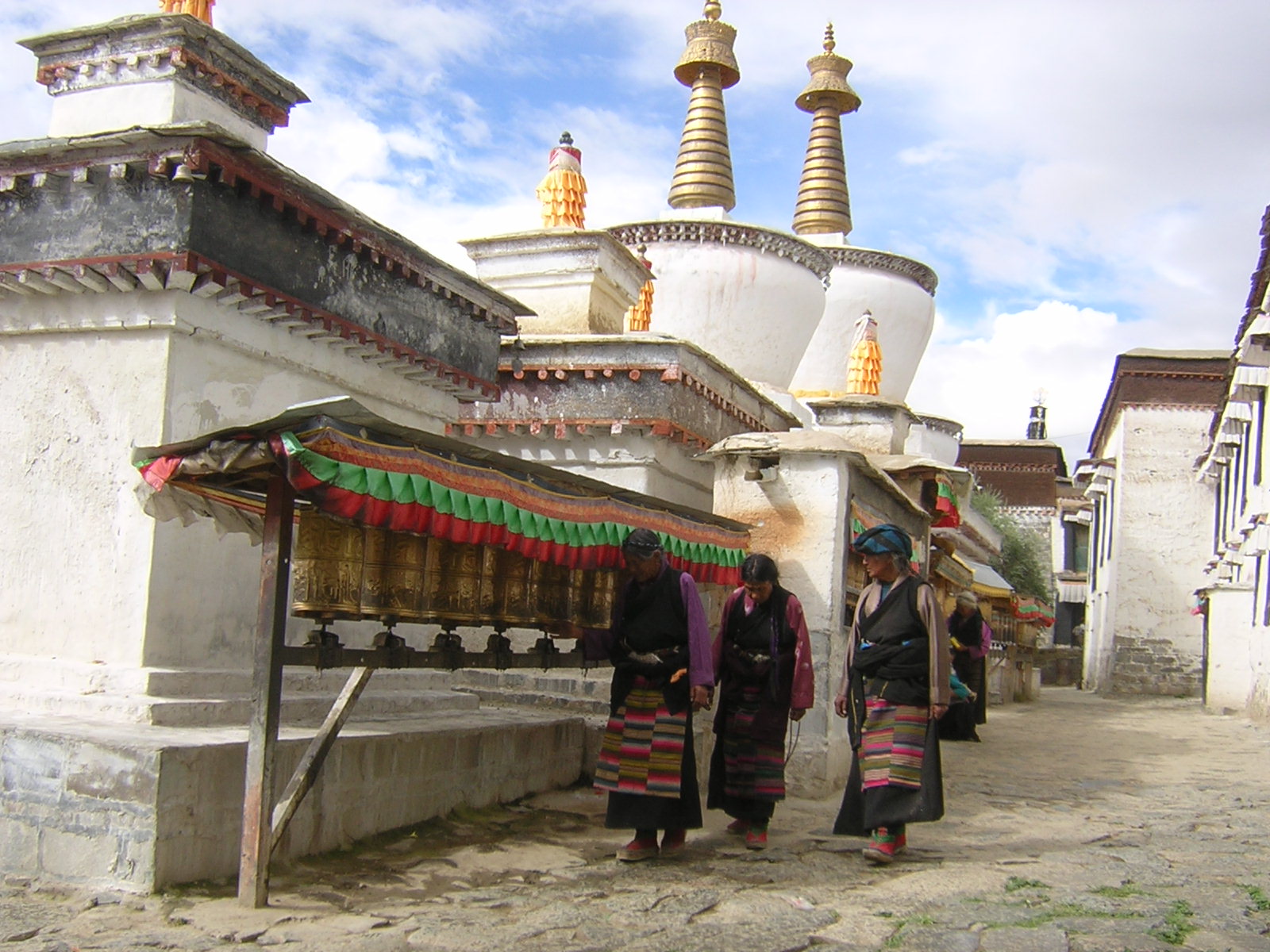
In the morning, visit the famous Tashilhunpo Monastery, the largest functioning monasteries in Tibet. Then drive to Shegar over 2 high mountain passes along the Friendship Highway enjoying the spectacular views of this desert plateau. On the way, if time allows, make an excursion to visit the Sakya Monastery (4280m). In the afternoon arrive at Shegar. Visit Shegar Monastery or climb up the ruins of Shegar Dzong for beautiful views. Overnight in Hotel.
Day 6: Shegar – Rongbuk monastery(5100m) – Everest Base Camp (5150m).
After breakfast, we leave Shegar, crossing scenic valleys, and rocky mountains, and descend into the Rongbuk valley. We get the first glimpse of the majestic Mt. Everest. We visit the Rongbuk monastery, the highest monastery in the world. From Rongbuk Monastery, the Everest Base Camp is about a distance of 8 km. The views of the north face from so close which makes the mountain seem even more impressive than before. . It is a truly amazing experience to stare up at the sheer North face of Mt. Everest, the top of the world. Overnight in Everest View Inn
Day 7: EBC – Shigatse(3836m/350km/8 hrs)
After breakfast, we retrace our drive back to Shigatse through the friendship highway along with great views of the Himalayas. Overnight in Hotel
Day 8: Shigatse – Lhasa(385km/6 hrs)
After breakfast, the drive continues via the northern highway to Lhasa. Once back in Lhasa, spend some time strolling through the alleys of the old Tibetan quarter and peeking into any workshops or stores that interest you. Take the opportunity to dine on local cuisine, revisit a favorite restaurant, or scout out a delicious place to have supper. Overnight in hotel.
Day 9: Depart Lhasa
Transfer to the airport for your outbound Journey.
Trip highlights
- Visit landmark attractions in Lhasa such as Potala Palace, Jokhang Monastery, Sera Monastery, etc.
- Look out for souvenirs of your liking in the shopping street in Barkhor.
- Indulge in local culinary experience with Tibetan food.
- Cross some high mountain passes with surreal views and sacred and beautiful Yamdroke Lake.
- Tashilhunpo Monastery in Shigatse.
- Shegar Monastery and Dzong in Shegar.
- Visit the world’s highest monastery – Rongbuk Monastery.
- Astounding view of North Face of Mount Everest from Everest Base Camp.
9-day trip, from 1540 per person. Tell us your dates and group size and we will price it exactly.
Included
- 3 star Tibetan style accommodation
- Daily breakfast and dinner
- Entrance fees
- English speaking Guide
- EBC road tax & Conservation fees
- All land transfers by private vehicle
- Bottled water in the vehicle
- Oxygen bottle & first aid kit
Not included
- Chinese Visa.
- Flights.
- Lunch.
- All other expenses not listed in the included section.
Tashi
Mr. Tashi is from the Amdo region of Tibet. Studied Tibetan Buddhism and English literature in Varanasi India from for 5 years. He speaks excellent English and some Hindi, and wonderful Mandarin Chinese. His passion for the scenery of his homeland has led him to deepen his knowledge of Tibet’s less traveled paths,…
What travelers most often ask us before a trip to Tibet.
Its more than likely that it will remain open during the period unless the natural calamities. The main suspect is the landslide, which is prevalent during raining season. During this period, the chances of rain is slim.
Photography at the airports, bridge and government establishment is not allowed if posted. On violation of this rule, you may be penalized, your camera, film etc taken away. Some monasteries and temples will allow you to take pictures inside them and may demand fees for the same. Tibetans generally will not be pleased when you take picture of something that is held sacred, including those inside the temples or monasteries.
As there are discounts for children traveling in Tibet, it needn’t break the bank if you bring kids along. They may become bored, however, with long, monotonous drives, few hotels with TV and little other ‘entertainment’ available. On the other hand, they will be immediately accepted by local kids and their families, and they could make many new friends. Wind Horse can make nanny and other baby sitting arrangements at a reasonable cost. However, because of the high altitude of Tibet, parents are requested to consult the pediatrician before they decide to take their children in the trip.
Wind Horse Tours feel honored to operate the trips of senior travelers. Hotels, guides and tour operators are all familiar with the needs of seniors and treat them with the traditional respect that the Tibetans have for their elders. The primary precaution one should take is to have an ample supply of any special medicines, since these probably will not be available in Tibet. There is no advantage to carrying any sort of senior identification in Tibet.
A cultural tour in Tibet is a challenge for a traveler with physical disabilities, but it can be made possible by Wind Horse Tours with planning. The Tibetans are eager to help, and Wind Horse Tours can arrange a strong companion to assist with moving about and getting in and out of vehicles. The roads are rough and sidewalks, where they exist, often have holes and sometimes steps. Hotels and public buildings do not have wheelchair access, and there are no toilets designed to accommodate wheel chairs.
Like most Asians, Tibetans believe that what one does in private is strictly a personal matter, and they would prefer not to discuss such issues. Public displays of affection are not appreciated and everyone, regardless of orientation, should exercise discretion.
Tibet prides itself on its lack of a class system and an absence of sexual discrimination. Tibetan women have the same rights as men, including rights to education, voting and holding positions in government. Women, both foreign and Tibetan are not subject to harassment and do not need to take any special precautions. Tibetans are more likely to help a woman in distress than a man. Young men have a reasonably liberated attitude towards their relations with women. There are several opportunities for misunderstanding if you don’t make your intentions clear from the very outset.