

 +1 612 869 4949

Mardi Himal Trek
An off the beaten path trail in the Annapurna region
-

Duration
4 Days -
 Trekking
 -
Moderate

 Overview
 Costs
Costs Included
 Itinerary
 Tour Leader
Mardi Himal Trek – A Serene Himalayan Escape with Wind Horse Tours
The Mardi Himal Trek is a hidden gem in the Annapurna region, offering a peaceful and scenic alternative to the more crowded and popular routes like the Annapurna Base Camp or the Annapurna Circuit Trek. Ideal for those seeking a shorter and less commercialized trekking experience, this 4–5-day adventure from Pokhara to Pokhara provides stunning mountain views, rich biodiversity, and cultural immersion.
The Journey begins with a scenic drive from Pokhara to Kande, the trail meanders through charming villages, dense rhododendron forests, and alpine meadows, gradually revealing sweeping views of some of the Himalaya’s most iconic peaks—including Machhapuchhre (Fishtail), Annapurna South, Dhaulagiri, and Manaslu. The well-maintained paths climb steadily past popular rest stops like Australian Camp and Low Camp, each offering a unique perspective of the natural beauty.
The trek’s true highlight is the Mardi Himal Base Camp, perched at an altitude of around 4,500 meters. Mardi Himal Base Camp offers close-up views of the snow-clad mountains and the dramatic ridgelines of the Annapurna range. The journey is not just about the scenery, however—it’s also a cultural exploration. Along the way, you have the chance to engage with local Gurung and Magar communities, gaining insight into their traditions, hospitality, and way of life.
After savoring the spectacular views at the base camp, the descent takes a scenic detour through the village of Siding, where a private vehicle will transfer you back to the lakeside city of Pokhara. With its perfect blend of adventure, natural beauty, cultural interaction, and manageable duration, this Mardi Himal trek is an outstanding choice for both new and experienced trekkers looking to explore the grandeur of the Annapurna region in a more peaceful and personal way.
Highlights of the Mardi Himal Trek
- Spectacular Mountain Vistas: Enjoy close-up views of iconic peaks such as Machapuchare, Annapurna South, Hiunchuli, and Mardi Himal itself. The trail offers continuous panoramic scenes, especially from Australian Camp, Pothana, High Camp, and Mardi Himal Base Camp.
- Diverse Landscapes: Traverse through lush rhododendron forests, alpine meadows, and rugged high-altitude terrains. The changing ecosystems provide a rich tapestry of flora and fauna, including sightings of Himalayan Thar and colorful pheasants.
- Authentic Cultural Encounters: Experience the warm hospitality of the Gurung and Magar communities in traditional villages like Pitam Deurali, Pothana, Siding, etc. Staying in local teahouses offers insights into their daily lives and customs.
- Tranquil Trails: Unlike more crowded treks in the Annapurna region, Mardi Himal offers a peaceful journey, allowing for personal reflection and a deeper connection with nature.
Why Choose the Mardi Himal Trek?
- Short and Accessible: With itineraries ranging from 5 to 7 days, it’s perfect for trekkers with limited time who still wish to experience the grandeur of the Himalayas.
- Moderate Difficulty: Suitable for trekkers with a reasonable fitness level, the trail offers a manageable challenge without the need for technical climbing skills.
- Off-the-Beaten-Path Experience: Escape the bustling crowds of popular treks and immerse yourself in the untouched beauty of the region.
- Pristine Natural Environment: The trail winds through lush forests filled with rhododendron, oak, and bamboo trees. In spring, these forests come alive with a riot of colors from blooming rhododendrons, making the trek particularly vibrant and scenic.
- Stunning Sunrise and Sunset Views: Witness breathtaking sunrises and sunsets over the Himalayas, with the golden hues illuminating the snow-capped peaks—a photographer’s dream.
- Perfect for Short Getaways: With an average duration of 4–5 days from Pokhara to Pokhara, this Mardi Himal trek is ideal for those who have limited time but still want an authentic Himalayan trekking experience.
Embark on the Mardi Himal Trek with Wind Horse Tours to discover the serene beauty and cultural richness of Nepal’s Annapurna region. This journey promises not only awe-inspiring landscapes but also meaningful connections with local communities and a profound appreciation for nature’s splendor.
Mardi Himal Trek Itinerary
Day 1: Drive from Pokhara to Kande, trek to Forest Camp
Day 2: Trek from Forest Camp to High Camp
Day 3: Excursion to Mardi Himal Base Camp
Day 4: Trek from High Camp to Siding-Drive to Pokhara
Overview
Trip Type
Trekking
 Activities Included
 Accommodation
Basic local village lodge/guest house
Accommodation
Basic local village lodge/guest house
 Meal
All meals are included during the trek
Meal
All meals are included during the trek
 Best Seasons
Best during the Spring and Autumn season.
Best Seasons
Best during the Spring and Autumn season.
 Route
Pokhara-Forest Camp-High Camp-Siding-Pokhara
Route
Pokhara-Forest Camp-High Camp-Siding-Pokhara
 Best Months
March, April, May, October, November
Best Months
March, April, May, October, November  Good Months
January, February, September, December
Good Months
January, February, September, December  Lean Months
June, July, August
Lean Months
June, July, August Detailed Itinerary
Expand AllDrive from Pokhara to Kande-Trek to Forest Camp
The journey begins with a scenic drive of about an hour or more from Pokhara to Kande, following the Pokhara–Baglung Highway. From Kande, the trek officially begins as the trail ascends gradually, mostly along well-laid stone steps. It winds through small villages and lush forests before reaching Australian Camp—a perfect place to pause and take in the stunning surroundings. Perched on a ridge, Australian Camp offers sweeping views of the Annapurna range and the picturesque Pokhara Valley below.
From Australian Camp, the trail continues toward the charming village of Pothana, known for its cozy teahouses, scenic surroundings, and warm hospitality. As you leave Pothana, the route ascends steadily toward Deurali, passing through a richly diverse landscape. The forest along this section is alive with a vibrant mix of rhododendron, oak, and maple trees, creating a refreshing and colorful natural corridor—especially striking during spring when the rhododendrons are in full bloom.
Beyond Deurali, the trail gradually leads to Forest Camp, nestled deep within the dense woodlands. This part of the journey offers a peaceful immersion into the heart of the Annapurna region. The quiet atmosphere, coupled with the soothing sounds of the forest, makes for a deeply meditative and rejuvenating trekking experience—perfect for nature lovers seeking tranquility away from crowded trails. Overnight in Forest Camp.


 Altitude:
2500 m
Altitude:
2500 m
 Duration:
Drive 1-1.5hr/trek 5-6hrs, Approx. 13 kmss
Duration:
Drive 1-1.5hr/trek 5-6hrs, Approx. 13 kmss
 Tea House
Trek from Forest Camp to High Camp
From Forest Camp, the trail continues to ascend steadily through dense forest for over an hour or two, eventually reaching Low Camp. As you gain elevation, the vegetation begins to thin out, revealing increasingly expansive views of the surrounding mountains.
This stretch of the trek offers some of the most scenic vistas of the entire route, including close-up views of Machhapuchhre, Annapurna South, and Hiunchuli. This is where the trail splits, one path leads down to Siding, while the main trail continues upward towards the High Camp.
Continuing on, the trail goes through forested terrain for another hour or so before emerging into an open area dotted with teahouses and lodges at Badal Danda. Badal Danda is one of the finest viewpoints along the Mardi Himal Trek. Badal Danda offers a breathtaking 360° panorama of the Himalayan ranges, including, close-up views of Annapurna South and the Machhapuchhre.
After a short break at Badal Danda, the trail gradually ascends through the last patches of forest before giving way to an alpine environment. As the trees thin out, the landscape opens up dramatically, revealing the full grandeur of the Himalayas. You’ll navigate along a scenic ridgeline, with changing vegetation and sweeping views, until you reach High Camp. Overnight in High Camp.
Altitude:
3550 m
Duration:
5-6 hrs, Approx. 7.5 kms
Tea House
Excursion to Mardi Himal Base Camp
The hike from High Camp to Mardi Himal Base Camp (4,500m) is the highlight of the entire trek. After an early breakfast, you’ll begin the ascent toward the base camp. The trail is steep and physically demanding, with sections that require careful footing, but the effort is well rewarded. The hike takes approximately 3 hours each way, depending on pace and weather conditions.
As you reach Mardi Himal Base Camp, you’ll be greeted by a breathtaking, unobstructed panorama of the towering Himalayan peaks—including Mardi Himal, Machhapuchhre (Fishtail), Annapurna South, and even distant views of Dhaulagiri. The dramatic ridgelines and vast, high-altitude landscape offer a truly awe-inspiring experience.
Take time to explore the area, capture stunning photographs, and soak in the peaceful atmosphere of the high Himalayas. After spending some time appreciating the grandeur of your surroundings, you’ll retrace your steps back to High Camp for the overnight stay. Overnight in High Camp.
Altitude:
Mardi Himal Base Camp at 4500 m
Duration:
Trek 6-7 hrs
Tea House
Trek from High Camp to Siding-Drive to Pokhara
The journey from High Camp to Low Camp follows the same trail you ascended earlier, but offers a new perspective as you descend through changing landscapes. The trail gradually winds down through alpine meadows, dense forests, and terraced farmlands, revealing the region’s natural beauty from a different angle.
Upon reaching the junction at Low Camp, you’ll take a separate trail that leads to Siding Village—a peaceful, traditional settlement nestled in the hills. From Siding, a private jeep will be waiting to transfer you back to your hotel in Pokhara, marking the end of your unforgettable Mardi Himal Trek. (Our service ends here.)
Duration:
Trek 4-5 hrs/Drive 3hrs
Cost Information
Included
- Transfer from Pokhara to Kande & Siding to Pokhara in a private vehicle.
- 3 nights’ accommodation in tea house lodge during the trek.
- Breakfast, lunch, and dinner along with some coffee/tea during the trek.
- English-speaking licensed trekking guide along with a porter (1 porter for every two trekkers).
- Trekking staff accommodation, wages, meals, trekking gears, and insurance.
- All necessary paperwork and permits for the trek (ACAP/TIMS card).
- All government tax and service charges.
Not included
- Meals other than listed.
- Personal expenses (laundry, telephone, bar, beverages).
- Bottled/boiled water, battery recharge and Wi-Fi and hot showers during the trek.
- Tips and gratuities to Guide, Porter and driver.
- Travel medical insurance covering rescue and emergency evacuation.
- Personal trekking gears and equipment’s.
- Trip cancellation cost due to your health, weather condition, political situation, and any other unforeseen events.
- Any other expenses other than the listed above.
Group Travel Dates
Guides

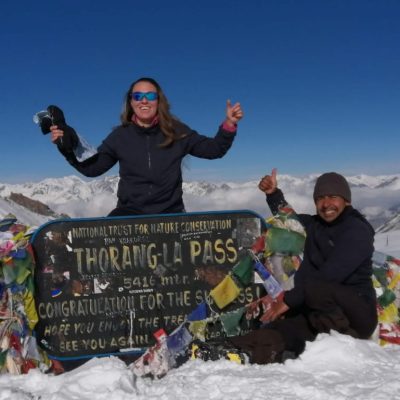
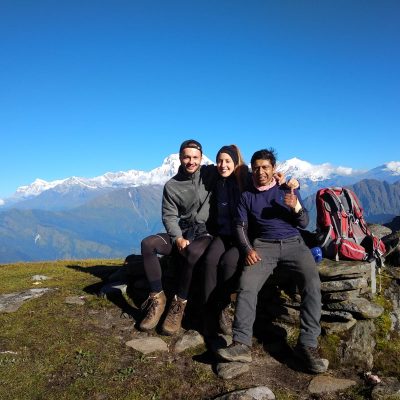
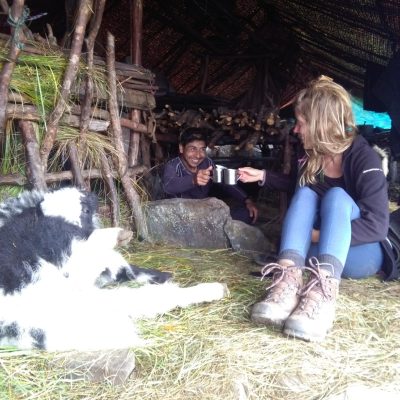
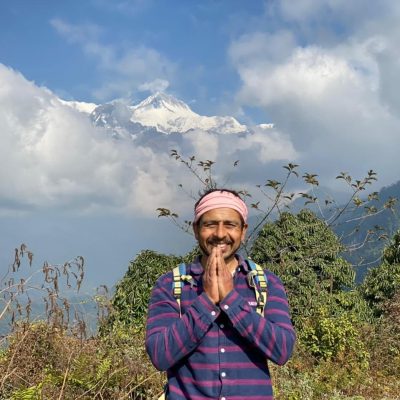
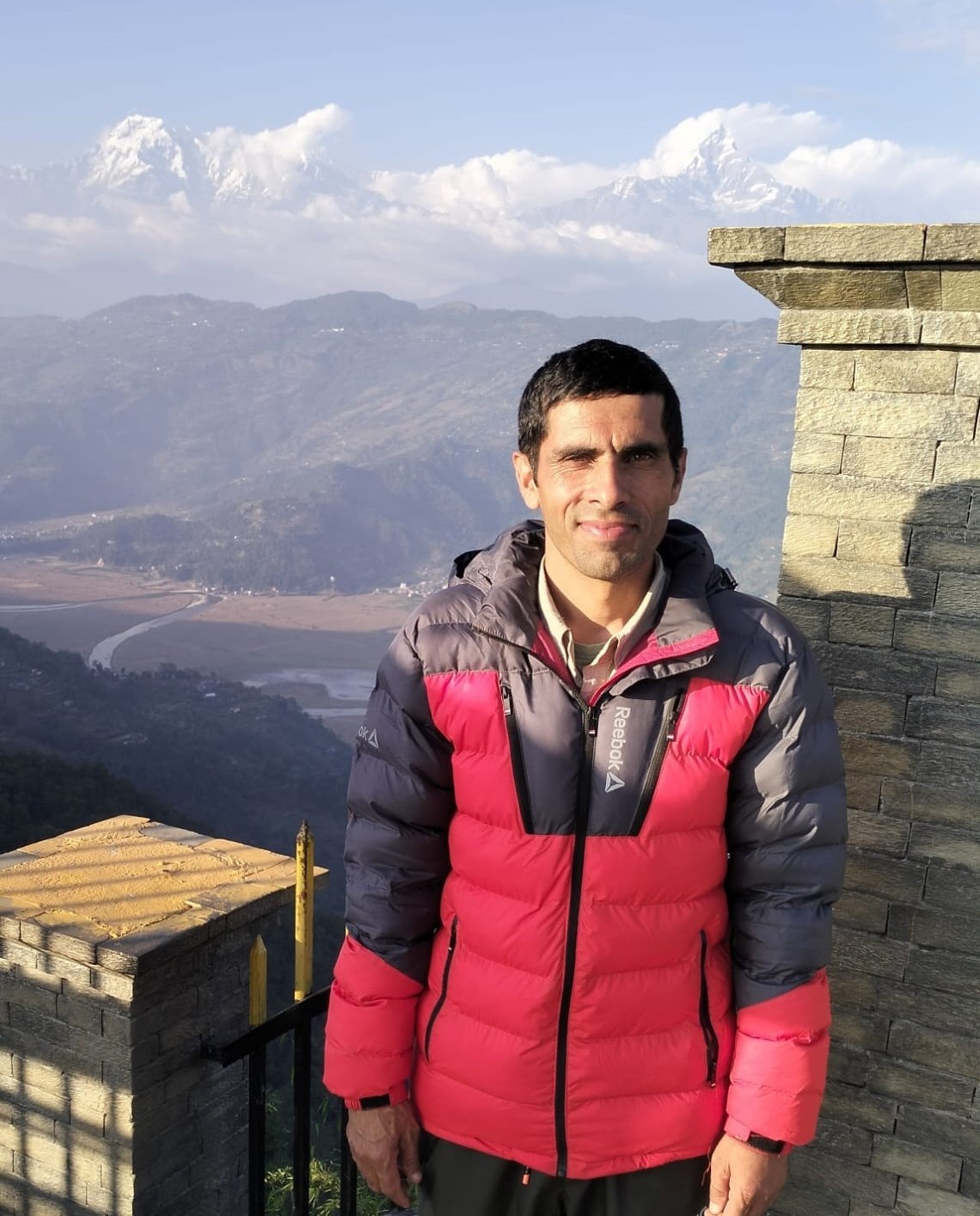
Hem Raj Bastola

Hem Raj Bastola is a permanent inhabitant of Pokhara-22, a rural area in the outskirts of Pokhara. He has been working as a tour and trekking guide since 2010. Formerly he has worked as a guest service agent in a hotel in Pokara. He started his career as a Cave guide, ticket salesman at Gupteshwor Mahadev Cave in Pokhara. So most of his working experience is related to tourism and hospitality industry. Beside his guiding profession, he enjoys reading and writing poetry. His poets have been published in different forums and medias. When he is not Guiding , he is a full time farmer; raising cows, goats and farming with his wife and two children.
Having done all the treks in Annapurna region, upper Mustang and Manaslu area over many times, he is our expert in the area. He is extremely patient, empathetic and joyful person is what each our guests say !





Shiva Prasad Acharya

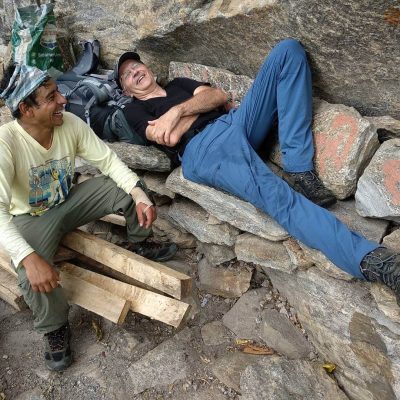
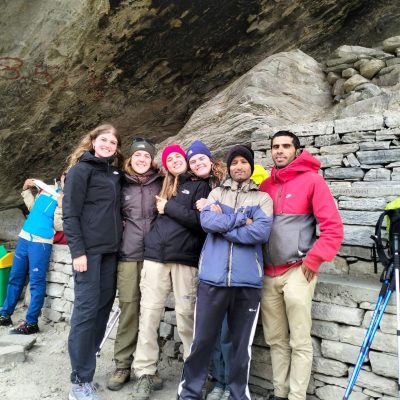
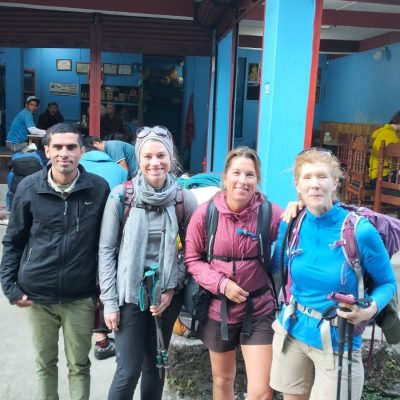
Shiva Prasad Acharya leads a fulfilling life by intertwining his passions for nature, adventure, and family. Transitioning from the health sector to becoming a trekking guide reflects his pursuit of a profession allowing immersion in natural beauty while sharing that passion with others.
His commitment to nature extends beyond his profession to his personal life, evident in his dedication to farming and animal husbandry. Tending vegetables, paddy fields, and raising buffaloes likely offers him fulfillment and a profound connection to the land. He resides in Kasipira, near Pokhara, with his wife and two sons.
Shiva Prasad extensively travels to regions like Upper Mustang, Annapurna, Everest, Langtang, and Manaslu, gaining insights into local cultures, traditions, and natural beauty. His strong passion for sharing Nepal’s heritage highlights his desire to promote local culture and raise awareness. His invaluable traits—flexibility, knowledge, and patience—would undoubtedly enrich the experiences of travelers alongside him.
His proficiency in English, French, and Hindi widens his accessibility, enabling him to connect with travelers from diverse backgrounds worldwide.

FAQs
- Where is the Mardi Himal Trek?
The Mardi Himal Trek is a short and scenic trekking route located in the Annapurna region of Nepal, just east of the popular Annapurna Base Camp trail. The trek lies within the Annapurna Conservation Area, one of Nepal’s most famous trekking regions.
The trail passes through lush rhododendron forests, traditional Gurung and Magar villages, alpine landscapes, and dramatic ridgelines with breathtaking views of the Annapurna massif, Machhapuchhre, Annapurna South, and Hiunchuli.
Compared to other popular treks in the Annapurna region, the Mardi Himal Trek is less crowded, allowing trekkers to enjoy the mountains in a quieter and more peaceful environment.
- How long is the Mardi Himal Trek?
The Mardi Himal Trek can be completed in 5 days from Pokhara to Pokhara. However, some trekkers prefer a 6–7 day itinerary to allow a slower pace and better acclimatization.
The trek begins with a short drive from Pokhara to the trailhead such as Kande, Dhampus Phedi, or Lumle, and then follows forest trails and ridgelines to Mardi Himal Base Camp before descending through Siding Village back to Pokhara.
- How can I get to the starting point of the trek?
First you will have to travel from Kathmandu to Pokhara, either by:
- Domestic flight (about 25 minutes)
- Tourist bus or private vehicle (6–8 hours)
The trailhead is about 2 hours drive from Pokhara. You can hire a private vehicle, take a shared jeep, or travel by local bus to reach Kande, Dhampus Phedi, or Lumle.
- How difficult is the trek? Is it suitable for beginners?
It’s a moderate trek, also suitable for beginners who can walk 4–6 hours daily. The route includes jungle paths, stone staircases, steep ridges, with gradual elevation gains. It’s not technical, but you do need a decent fitness level.
- What is the best time to do the Mardi Himal Trek?
The best seasons are:
Spring (March–May)
- Blooming rhododendron forests
- Pleasant temperatures
- Excellent mountain views
Autumn (September–November)
- Clear skies
- Stable weather
- Best visibility of the Himalayas
The trek can also be done in winter (December–February), although temperatures can be very cold at higher altitudes and snow may affect the trail.
The monsoon season (June–August) brings heavy rain and leeches in forest areas, making trekking less comfortable.
- What are the trail conditions like?
The trail is generally marked and easy to follow. The route includes:
- Forest paths
- Stone staircases
- Narrow ridgelines
- Alpine meadows
- Steeper sections near High Camp and Base Camp
Most sections are safe and manageable, though trekkers should be careful on ridges during strong winds or snow.
- Do I need a guide or can I trek independently?
No, You can not travel independently. As per the new regulation, all foreign trekkers trekking in Nepal requires to hire a trekking guide. Moreover hiring a guide helps you:
- Navigate the trail
- Arrange accommodation and meals
- Monitor altitude sickness symptoms
- Provide local knowledge and cultural insights
- What kind of accommodation and facilities are available on the trail?
Accommodation along the trail consists of teahouse lodges, which are small family-run mountain guesthouses. Typical facilities include:
- Twin-sharing rooms with simple beds
- Shared bathrooms
- A communal dining hall with a stove heater
- Basic menu options
Facilities become simpler as you gain altitude, but the hospitality is warm and welcoming.
- What is the highest altitude reached on the trek?
The highest point is Mardi Himal Base Camp, located at approximately 4,500 meters above sea level. From the base camp, you can enjoy spectacular close-up views of: Mardi Himal, Machhapuchhre (Fishtail), Annapurna South, and Hiunchuli.
- What permits are required for the Mardi Himal Trek?
To trek in the Mardi Himal region, you require to obtain Annapurna Conservation Area Permit (ACAP). This permit can be obtained in Kathmandu or Pokhara and help fund conservation and tourism management in the region.
- What meals are included during the trek?
Meals include breakfast, lunch, and dinner and some tea and coffee during the trek. Breakfast and dinner are served at the tea house where you are staying, and lunches are served at teahouses along the trail.
- What kind of food is available on the trek?
Teahouses on the Mardi trail offer a variety of meals, including traditional Nepali dal Bhat (rice, lentils, and vegetables), as well as International options such as pasta, noodles, pancakes, soups, fried rice, potatoes, and eggs.
- What extra costs should I expect on the trail?
While most trekking packages include meals and accommodation, extra costs may include:
- Bottled water
- Snacks and soft drinks
- Alcoholic beverages
- Hot showers
- Wi-Fi
- Charging electronic devices
- Tips for guides and porters
- How much money should I carry in cash for the trek?
We suggest you to carry USD 15–20 per day in Nepali Rupees for personal expenses such as drinks, snacks, Wi-Fi, hot showers, and device charging.
- Is altitude sickness a concern?
Although the rate of ascent is gradual, and the itineraries allow for proper acclimatization. Altitude sickness occurs beyond 2500m, therefore it’s important to stay hydrated, walk at a comfortable pace, and follow your guide’s advice to reduce the risk of altitude sickness.
- What wildlife and scenery can I expect on the trek?
The trek offers diverse landscapes including:
- Rhododendron forests
- Oak and bamboo forests
- Alpine meadows
- Mountain ridgelines
Wildlife sometimes spotted on the trail includes:
- Himalayan monal (Nepal’s national bird)
- Langur monkeys
- Barking deer
- Himalayan tahr
- Various birds and butterflies
- What should I pack for the trek?
Essential items such as:
- Warm jacket or down jacket
- Fleece layer
- Hat and gloves
- Sunscreen and sunglasses
- Water bottle or hydration system
- Personal medications
Power bank
Your porter will usually carry the main duffel bag, while you carry a small daypack for carrying your water bottle, camera, snacks, rain gear, Jacket, etc.
- How cold does it get on the route?
Night temperatures at higher elevations can drop to around –5°C to –10°C (23°F to 14°F) during spring and autumn. Daytime temperatures are usually comfortable for trekking, ranging between 10°C and 18°C depending on the altitude and season.
- Is Wi-Fi and mobile network available?
Many teahouses offer Wi-Fi for an additional fee, although the connection can be slow. Mobile network coverage is available in some areas. Both NTC and Ncell SIM cards work along parts of the route, but NTC generally has better coverage in higher areas.
- Is mobile charging available on the Mardi Himal Trek?
Yes, mobile charging is available in most teahouses. Charging is usually done through solar panels or small hydropower, so charging may be slow and sometimes interrupted. Moreover, charging costs will be more as you go higher, so it’s recommended to carry your own power bank or solar charger.
- How much does the Mardi Himal Trek cost?
The Mardi Himal Base Camp Trek typically costs around USD 600–650 per person on a twin-sharing basis. This usually includes:
- Guide & Porter service
- Trekking permits
- Private Transportation
- Accommodation & Meals (three meals) and some coffee & tea.
Overview
Trip Type
Trekking
Activities Included
Accommodation
Basic local village lodge/guest house
Meals
All meals are included during the trek
Route
Pokhara-Forest Camp-High Camp-Siding-Pokhara
 Max Group Size
2-8
Best Seasons
Best during the Spring and Autumn season.
Best Months
March, April, May, October, November
Good Months
January, February, September, December
Lean Months
June, July, August
Max Group Size
2-8
Best Seasons
Best during the Spring and Autumn season.
Best Months
March, April, May, October, November
Good Months
January, February, September, December
Lean Months
June, July, August