

 +1 612 869 4949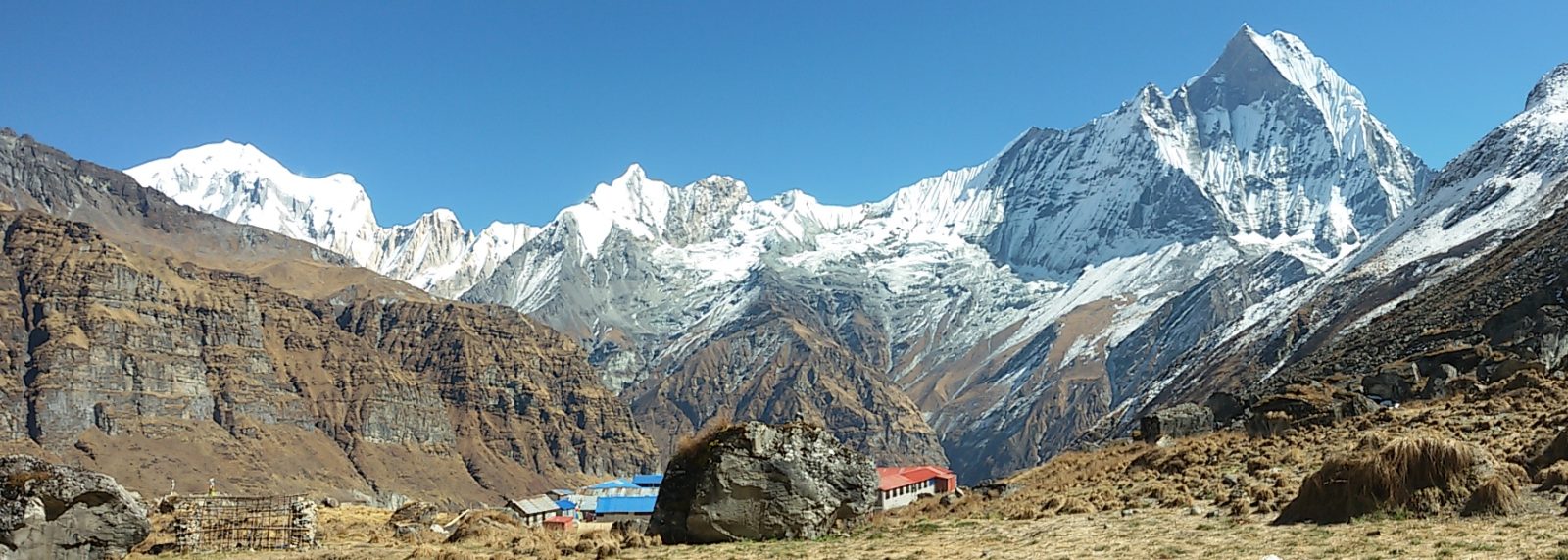

Annapurna Panorama Trek
Sunrise at Poon Hill and Beyond
-

Duration
13 Days -
 Trekking
 -
Moderate

 Overview
 Costs
Costs Included
 Itinerary
 Tour Leader
 Trip Photos
Annapurna Panorama Trek: A Journey through Himalayan beauty and culture
The Annapurna Panorama Trek seamlessly blends two iconic routes—the Annapurna Base Camp Trek and the Ghorepani–Poon Hill Trek—into one extraordinary adventure. This 8-day journey takes you through the heart of Nepal’s Annapurna region, combining spectacular Himalayan scenery with enriching cultural experiences
By merging these two paths, trekkers enjoy a holistic trekking experience, encompassing a vivid range of landscapes, from lush subtropical forests and terraced farmland to high alpine ridges. Each step brings something new: village hospitality, mountain panoramas, and immersive cultural encounters with Gurung and Magar communities
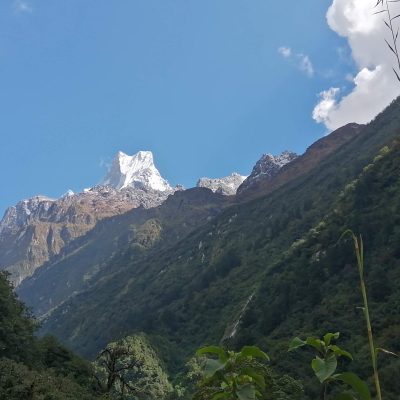
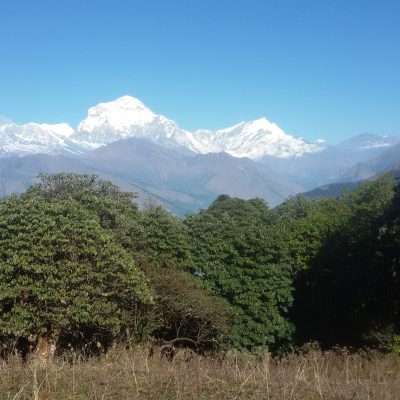
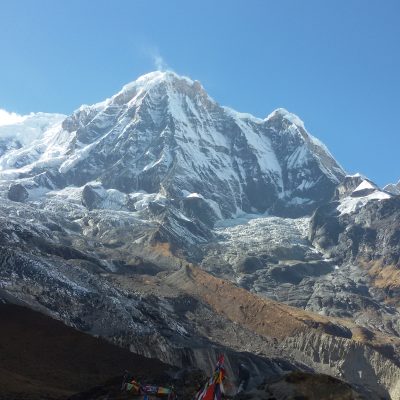
Your path unfolds through lush forests, terraced fields, and traditional villages. Each day, you’ll spend 4–7 hours trekking, with gradual elevation gains that balance adventure with safe acclimatization. The trek highlights are the sunrise at Poon Hill and dawn at Annapurna Base Camp. Both present breathtaking views of the Annapurna and Dhaulagiri ranges, along with iconic peaks like Machhapuchhre, Hiunchuli, and Gangapurna.
Rated moderate, this trek suits both beginners and seasoned hikers. The trails are well-marked, with most climbs being gradual and manageable. The route culminates at Annapurna Base Camp (4,130 m)—a height where altitude sickness can be a concern—but acclimatization is thoughtfully built in. By climbing Poon Hill and spending nights in villages like Ghorepani, altitude gain is paced sensibly.
The Annapurna Panorama Trek is perfect for adventurers seeking a short yet profoundly rewarding Himalayan journey. With unforgettable sunrises, rich cultural immersion, and dramatic landscapes packed into just over a week, it offers powerful mountain encounters in a compact timeframe. Whether you’re drawn by nature’s majesty, traditional village life, or the personal challenge, this trek guarantees lasting memories—sunrise and village encounter at a time.
Annapurna Panorama Trek Highlights
- Explore UNESCO World Heritage Sites in Kathmandu: Begin your journey with a cultural immersion tour through Kathmandu’s iconic Durbar Squares, along with Swayambhunath, Boudhanath, and Pashupatinath—rich in architectural grandeur, spiritual significance, and centuries-old traditions
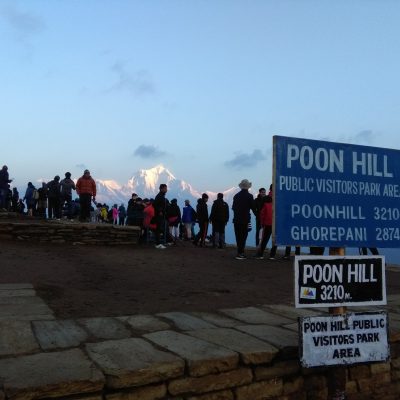
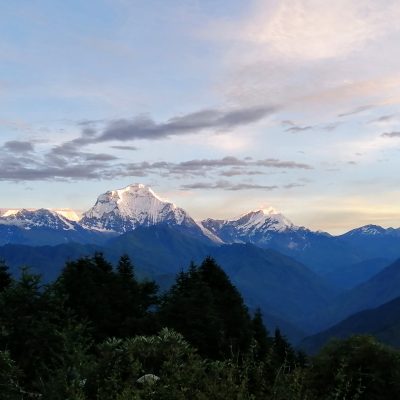
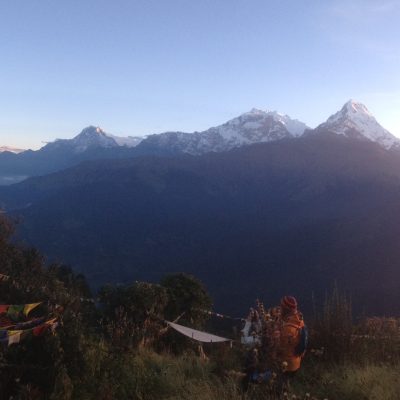
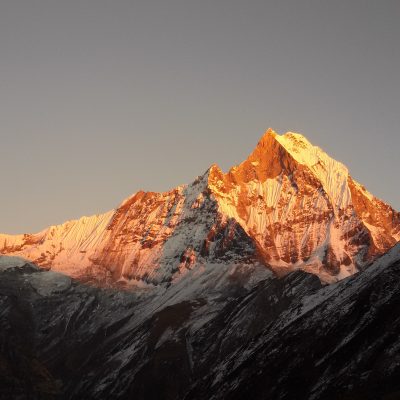
- Sunrise at Poon Hill: Trek to an altitude of 3,210 m and witness an unforgettable sunrise illuminating the Annapurna and Dhaulagiri ranges in golden hues—a highlight easily reached with a short, pre dawn climb.
- Cultural Immersion: Engage with the daily life of mountain communities. Stay in teahouses, sample regional dishes, and savor the warmth and traditions of Gurung and Magar villagers.
- Diverse Landscapes: Journey through rhododendron and juniper forests, fertile farmland, alpine ridges, and river valleys—offering the full spectrum of Himalayan environments in a compact route.
- Enchanting Mountain Villages: Explore charming hillside hamlets like Ghorepani, Tadapani, Chhomrong, and Bamboo—each offering unique cultural experiences, local hospitality, and captivating scenery.
- Two Iconic Base Camps: Trek to Annapurna Base Camp (4,130 m), nestled in the Annapurna Sanctuary, and journey to Machhapuchhre Base Camp at the foot of the famed “Fish Tail” peak—two unforgettable Himalayan milestones.
- Grand Himalayan Vistas: Stand face-to-face with legendary peaks: Hiunchuli, Annapurna South & I, Gangapurna, Annapurna III, Machhapuchhre, and Dhaulagiri.
The Annapurna Panorama Trek is more than a journey—it’s a layered experience across top-tier vistas, genuine Nepali culture, balanced trekking, and personal transformation. Whether you’re gazing at Poon Hill’s golden sunrise, or waking to the ice-blue plateau of Annapurna Sanctuary, every step enriches body, mind, and soul.
Annapurna Panorama Trek Itinerary
Day 1: Arrive in Kathmandu
Day 2: In Kathmandu (sightseeing and trek preparation)
Day 3: Drive from Kathmandu to Pokhara
Day 4: Drive from Pokhara to Ulleri (Banthanti)-Trek to Ghorepani
Day 5: Excursion to Poon Hill-Trek from Ghorepani to Tadapani
Day 6: Trek from Tadapani to Chhomrong
Day 7: Trek from Chhomrong to Dovan
Day 8: Trek from Dovan to Deurali
Day 9: Trek from Duerali to ABC (via MBC)
Day 10: Trek from Annapurna Base Camp to Bamboo
Day 11: Trek from Bamboo to Samrung- Drive to Pokhara
Day 12: Drive from Pokhara to Kathmandu.
Day 13: Departure.
Overview
Trip Type
Trekking
 Activities Included
 Accommodation
3-4* hotels in Kathmandu and Pokhara and local village lodge during the trek
Accommodation
3-4* hotels in Kathmandu and Pokhara and local village lodge during the trek
 Meal
only breakfast in Kathmandu and Pokhara while all meals are included during the trek
Meal
only breakfast in Kathmandu and Pokhara while all meals are included during the trek
 Best Seasons
Best during spring and autumn
Best Seasons
Best during spring and autumn
 Route
Kathmandu-Pokhara-Ulleri-Ghorepani-Tadapani-Chhomrong-Dovan-Deurali-ABC-Bamboo-Jhinu Danda-Pokhara-Kathmandu
Route
Kathmandu-Pokhara-Ulleri-Ghorepani-Tadapani-Chhomrong-Dovan-Deurali-ABC-Bamboo-Jhinu Danda-Pokhara-Kathmandu
 Best Months
March, April, May, October, November
Best Months
March, April, May, October, November  Good Months
February, September
Good Months
February, September  Lean Months
June, July, August
Lean Months
June, July, August  Not Recommended Months
January, December
Not Recommended Months
January, December Detailed Itinerary
Expand AllArrival in Kathmandu
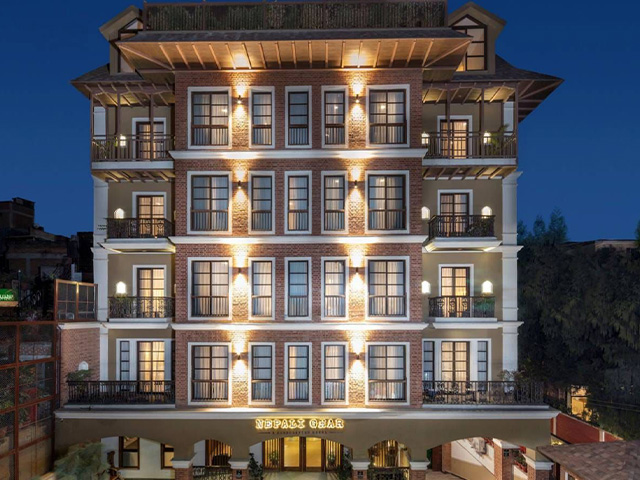
Upon your arrival at Kathmandu airport, a Wind Horse representative will meet and greet you, and transfer you to your hotel. No activities are planned for this day, so you will have the rest of the day at your leisure until the evening.
Later in the evening, your trip guide will meet you and present you with a brief orientation about the trek. After the briefing, you will enjoy dinner at a traditional Nepalese restaurant with a cultural performance. Overnight in Kathmandu.

 Altitude:
1350m
Altitude:
1350m
In Kathmandu
Today, you will visit three UNESCO World Heritage Sites in the Kathmandu Valley: Kathmandu Durbar Square, Boudhanath Stupa, and Pashupatinath Temple.
Kathmandu Durbar Square is one of the three Durbar (palace) squares in Kathmandu valley. Kathmandu Durbar Square is rich with its intricate wood carving and its history. Also known as the “Musuem of Temples” there are over 50 temples in the square. You will explore the area around the former palace of the kings of Nepal, viewing various temples and monuments.
Following the visit, you will drive to Boudanath Stupa. Boudanath Stupa is one of the largest Buddhist stupa in Nepal and also a World Heritage Site. Boudanath signifies peace and tranquility, and is a Centre of religious and spiritual significance. You will see thousands of pilgrims circumambulating the stupa, you will circumambulate with pilgrims and visit the surrounding monasteries.
Afterward, you will proceed to Pashupatinath Temple. The Pashupatinath temple is situated on the banks of the Bagmati river and is one of the most revered Hindu temple in Nepal. The main temple complex is not accessible to non-Hindus, but you can explore around the periphery of the temple complex which is quite large and impressive. Overnight in Kathmandu.

 Duration:
5-6hrs
Duration:
5-6hrs
Drive from Kathmandu to Pokhara
This morning you will drive to Pokhara in a private vehicle. The drive to Pokhara is a picturesque journey that unveils the stunning beauty of the Nepalese countryside.
Meandering along the riverbanks, the route showcases quaint local villages, terraced farmlands, and the backdrop of the majestic Himalayas. Upon reaching Pokhara, you can take the opportunity to unwind at the hotel or explore around the lakeside area. Overnight in Pokhara.
The drive to Pokhara usually takes around 6-7 hours, but the duration can vary depending on traffic and the road condition.
Altitude:
822m
Duration:
6-7hrs, 201kms
Drive from Pokhara to Ulleri (Banthanti)-Trek to Ghorepani
The journey from Pokhara involves a drive along the Pokhara Baglung highway to Nayapul, at Nayapul you will take a diversion towards north and drive to Ulleri (Banthanti)
The drive goes through beautiful landscape past the villages of Birenthanti, Tikhedhunga, to Ulleri , where you will begin your Annapurna Panorama Trek. Today’s hike is a short one, it will take about 3 hours to reach Ghorepani from Ulleri .
The trail goes through thick forest, past waterfalls, rivers and guest houses with the views of the Annapurnas, Machhapuchhare, Dhaulagiri, and Hiunchuli along the way. Ghorepani is a large village with a number of guest houses and tea houses and a popular stop over for trekkers in this region. Overnight in Ghorepani.
The section of the drive from Nayapul to Ulleri is over a dirt road, to avoid the dust and the traffic, you will drive until Ulleri (Banthanti) and begin your trek to Ghorepani.
 Altitude:
2880m
Duration:
3hrs drive, Approx. 50kms/Approx 8kms, hrs trek
Altitude:
2880m
Duration:
3hrs drive, Approx. 50kms/Approx 8kms, hrs trek
 Tea House
Trek from Ghorepani to Tadapani
Starting early before dawn allows you to witness the gradual unveiling of the stunning scenery as the sun rises, casting its golden hues upon the snow-capped peaks like Dhaulagiri, Annapurna, Machhapuchhre, Nilgiri, Hiunchuli, and South Annapurna.
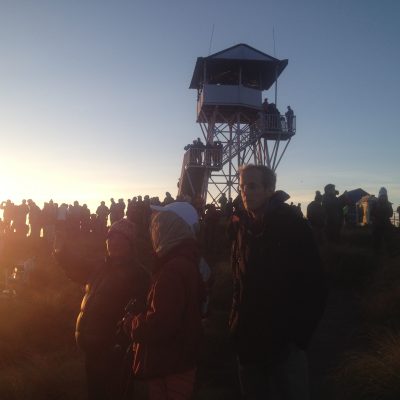
Poon Hill is considered to be one of the best view points in Nepal. It takes about 45 minutes to reach the Poon Hill viewpoint (3210m), it is a steep ascent all the way from Ghorepani. The panoramic vista from Poon Hill is truly awe-inspiring and well worth the early start. The view point rewards you with the panoramic views of the Machhapuchre, Dhaulagiri, Nilgiri, and the Annapurnas as the sun rises.
This is one of the highlights of our Annapurna Panorama Trek. After taking in the beautiful mountain scenery, you will retrace back to Ghorepani for breakfast. After breakfast, you leave Ghorepani and continue along the ridge through pine and rhododendron forests towards Deurali (3130m) .
From Deurali, it is gradual decent passing by stunning waterfalls, gurgling streams, and lush forests to Banthanti. The last section of the hike just before arriving at Tadapani village is a steep uphill climb. Overnight in Tadapani.
Altitude:
3210m at Poon Hill/2690m at Tadapani
Duration:
5-6hrs, Approx. 11kms including Poon Hill
Tea House
Trek from Tadapani to Chhomrong
Beginning the descent from Tadapani, you’ll pass through vibrant rhododendron forests and terraced fields, enjoying the picturesque beauty of the surrounding. The path gradually leads towards Kimrong Khola, transitioning from a steep downhill to a gentler incline, revealing an evolving landscape along the journey.
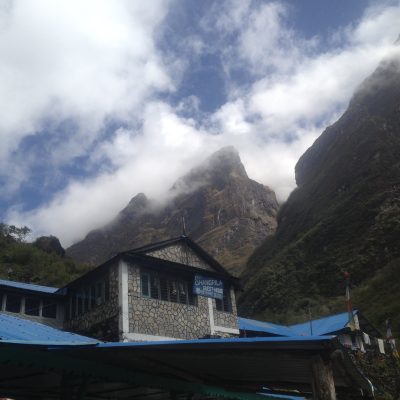
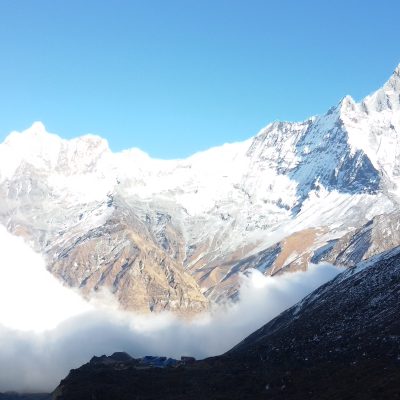
Continuing from Kimrong Khola, the trail gradually ascends towards Chhomrong, situated strategically on the slopes of the Annapurna range. Chhomrong offers breathtaking panoramas of towering peaks including Annapurna South, Hiunchuli, Gangapurna, and the majestic Machapuchare. Overnight in Chhomrong.
Altitude:
2170m
Duration:
5-6hrs, Approx. 8kms
Tea House
Trek from Chhomrong to Dovan
Beginning with a steep descent over a series of stone steps to Chhomrong Khola, the trail is a gradual uphill hike followed by a steep ascent to Sinuwa. From Sinuwa, the trail traverses through bamboo forest, meandering alongside the Modi Khola past the beautiful forest of Kuldighar and than it is an easy descent to Bamboo.
Bamboo is a popular stopover along this route, you will continue further through forests of bamboo along the Modi Khola, the trail undulates through the dense vegetation with occasional view of the surrounding landscape. The trail gradually ascends through forests of rhododendron and oak past a small clearing as you approach the village of Dovan.
Overnight in Dovan.
Altitude:
2510m
Duration:
5-6hrs, Approx. 9kms
Tea House
Trek from Dovan to Deurali
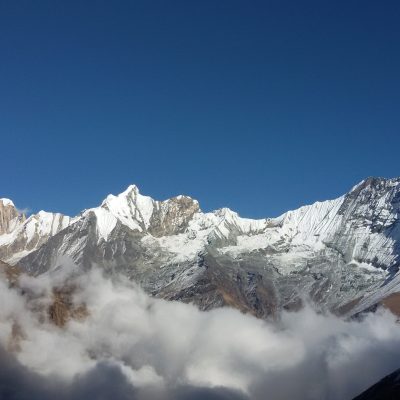
The journey to Deurali starts with a gentle climb through a bamboo glade. As you ascend, you’ll observe a noticeable transformation in the scenery. The dense vegetation gives way to shorter bushes and shrubs. The gradual transition from lush greenery to a more barren landscape offers breathtaking vistas of the Machhapuchhre, serving as a stunning backdrop against the sky as you approach Himalaya.
From Himalaya hotel, it is a steep ascend through much drier landscape over a small gorge along the Modi Khola valley, passing by Hinku Cave. Hereafter, the trail descends to the river below before finally ascending to Deurali. The vegetation becomes more sparse aloowing the beautiful view of the valley, and the spectacular views of the surrounding mountains. Overnight in Deurali.
Altitude:
3220m
Duration:
4-5hrs
Tea House
Trek from Deurali to ABC (via MBC)
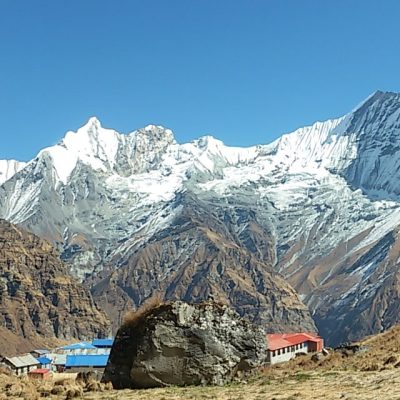
Today’s journey begins with a gentle incline that progressively steepens while traversing the mountainside towards the Machhapuchre Base Camp. Breathtaking panoramas of the neighboring peaks unfold, showcasing the grandeur of Machhapuchhre, Mt. Hiunchuli, Annapurna South, Annapurna I, Annapurna III, Gandharvachuli, and Gangapurna as you approach the Machhapuchhre Base Camp (3700m).
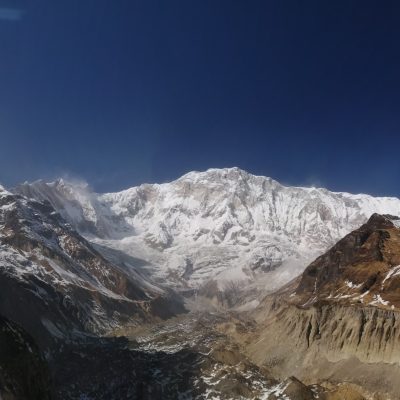
Leaving the Machhapuchre Base Camp, you will turn left and continue on for approximately two or more hours along a rocky trail will eventually reach the Annapurna Base Camp. This final leg of the journey rewards you with a breathtaking panorama of the Annapurna massif and its peaks.
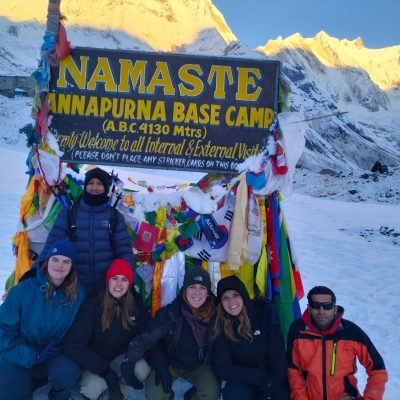
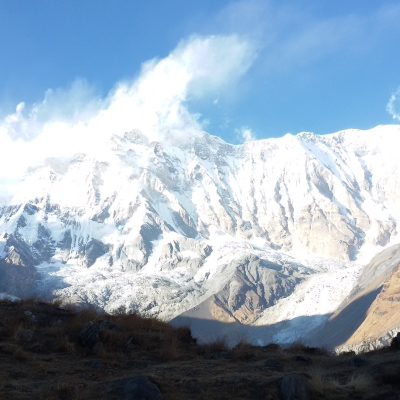
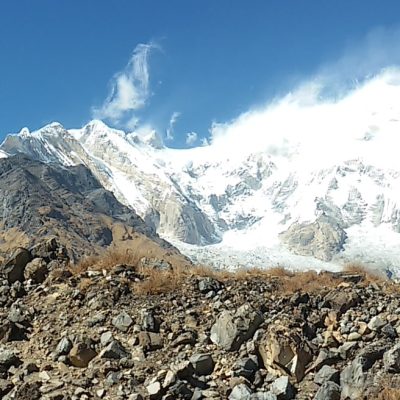
The stunning view serves as a testament to the natural beauty and grandeur of the region, making this trek worthwhile for those who reach this point. Nestled at an altitude of approximately 4,130 meters, Annapurna Base Camp is surrounded by towering peaks and offers a unique perspective of the amphitheater-like landscape formed by these majestic mountains. Overnight in Annapurna Base Camp.
Altitude:
4130m
Duration:
Trek 6-7hrs
Tea House
Trek from ABC to Bamboo
Today is an important day, you will wake up early to observe the sunrise view over the Annapurna ranges. It offers one of the best view in the world, the sun changing the color over the Machhapuchre, Mt. Hiunchuli, Annapurna South, Annapurna I, Annapurna III, Gandharvachuli is outstanding.
The return journey retraces the same path that you took earlier. From Annapurna Base Camp, you will descend past Machhapuchre Base Camp, Deurali, Himalaya, Dovan, and arrive at Bamboo. This segment of the trek primarily involves downhill terrain and should not be much difficult. The trail provides distinct perspectives of the scenery and mountain vistas compared to the upward journey. Overnight in Bamboo.
Altitude:
2320m
Duration:
6-7hrs, Approx. 13.5kms
Tea House
Trek from Bamboo to Samrung-Drive to Pokhara
Today’s hike begins with a steep uphill climb that gradually transforms into a more leisurely flat walk until arriving at Sinuwa. The path descends through stone stairs until reaching the Chhomrong Khola. Crossing over the Chhomrong Khola it is a steep ascent towards Chhomrong,
From Chhomrong, the trail gradually descends, leading over narrow stone stairs to Jhinu Danda. Here, you can unwind and revitalize yourself at the natural hot springs before resuming your trek towards Samrung.
From Jhinu Danda, you will descend down the stone stairs until you arrive at a suspension bridge. This is one of the longest and the talleset suspension bridge in this region. After crossing the suspension bridge, you will arrive at Samrung, where you will meet your vehicle and drive to Pokhara. Overnight in Pokhara.
Duration:
6-7hrs in total
Drive to Kathmandu
Retrace your drive from Pokhara to Kathmandu. Once you arrive in Kathmandu, check into your respective hotel, you’ll have the afternoon free. This could be a great opportunity to explore the city further or relax after your journey. Overnight in Kathmandu.
Altitude:
822m
Departure
Transfer to the airport in time for your departure flight.
Cost Information
The costs begins from US$1,080 to US$2070 per person depending on the group size.
Included
- All transfers by private vehicle.
- 5 nights accommodation in 3-4* category hotels in Kathmandu and Pokhara.
- 7 nights’ accommodation in a tea house during the trek with an attached bathroom where possible.
- Only breakfast during the stay in Kathmandu and Pokhara.
- Three standard meals (breakfast/lunch/dinner) and some tea/coffee during the trek.
- One welcome/farewell dinner with a cultural performance in Kathmandu.
- 1 full day guided city tour in Kathmandu along with a licensed city guide.
- English-speaking licensed trekking guide along with a porter (1 porter for every two trekkers).
- First aid kit, duffel bag, and trekking map.
- Trekking staff accommodation, wages, meals, trekking gears, and insurance.
- All necessary paperwork and permits for the trek (TIMS/ACAP).
- All government tax and service charges.
Not included
- Nepal Visa.
- International airfare.
- Meals other than listed (lunch and dinner in Kathmandu and Pokhara).
- Personal expenses (laundry, telephone, bar, beverages).
- Bottled/boiled water, battery recharge, Wi-Fi and hot showers during the trek.
- Tips and gratuities to Guide, Porter and driver.
- Travel medical insurance covering rescue and emergency evacuation.
- Personal trekking gears and equipment’s.
- Trip cancellation cost due to your health, weather condition, political situation, and any other unforeseen events.
- Any other expenses other than the listed above.
Group Travel Dates
Guides
Hem Raj Bastola

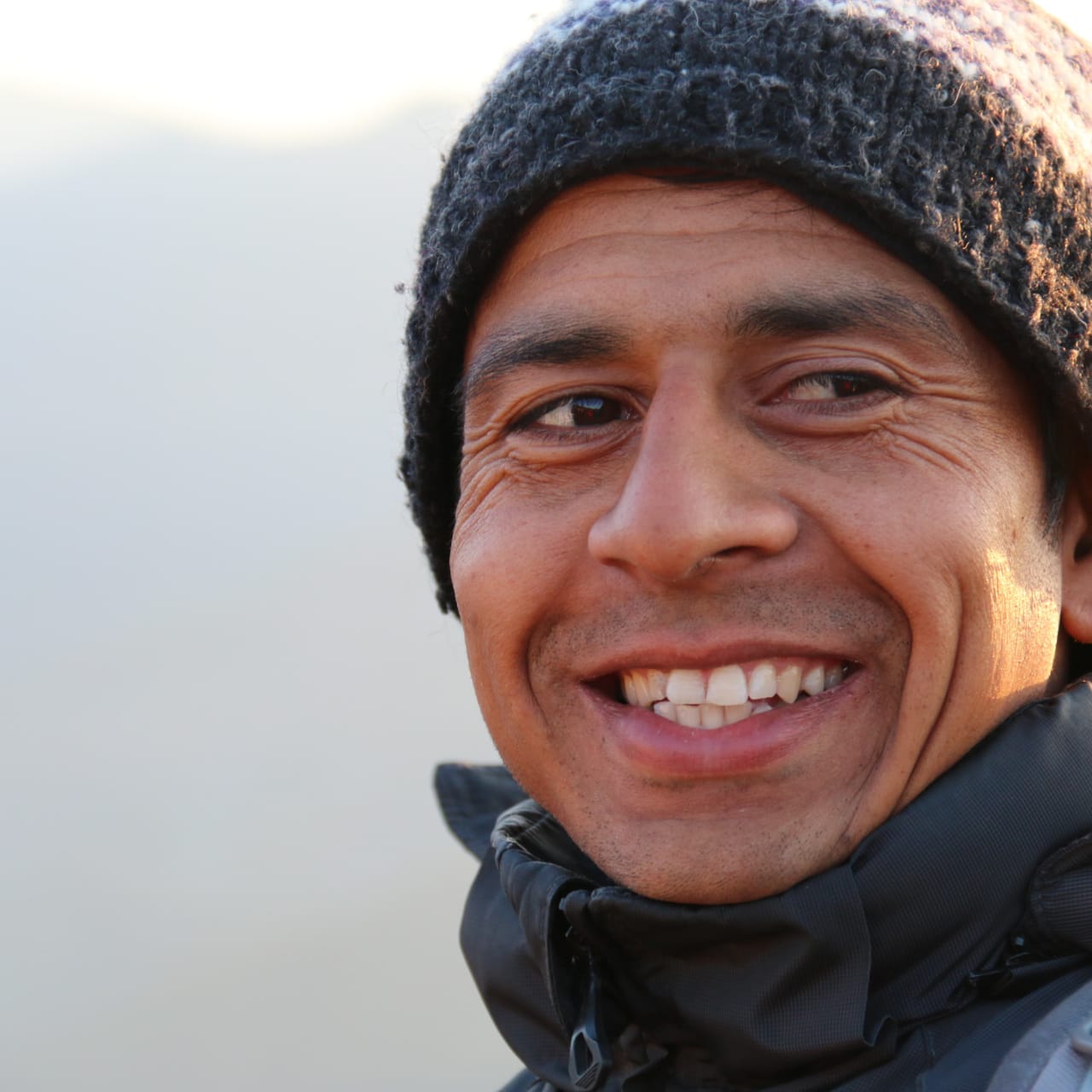
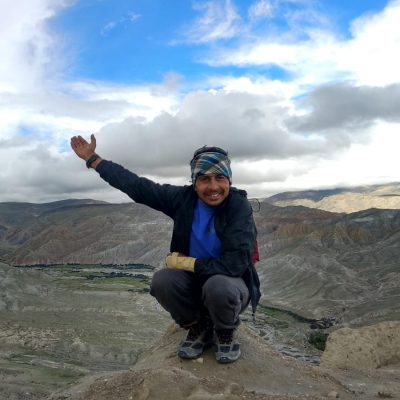
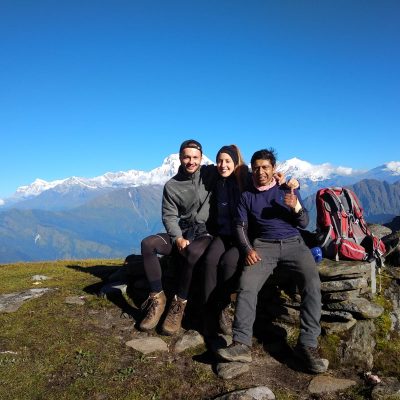
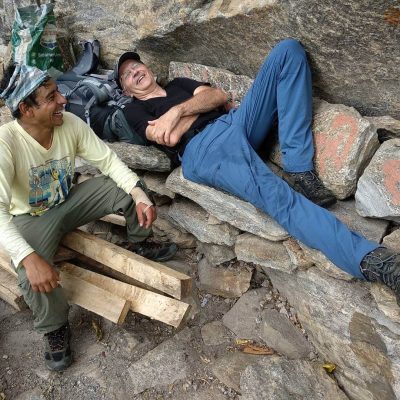
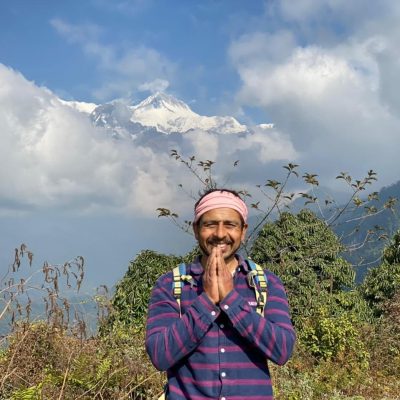
Hem Raj Bastola is a permanent inhabitant of Pokhara-22, a rural area in the outskirts of Pokhara. He has been working as a tour and trekking guide since 2010. Formerly he has worked as a guest service agent in a hotel in Pokara. He started his career as a Cave guide, ticket salesman at Gupteshwor Mahadev Cave in Pokhara. So most of his working experience is related to tourism and hospitality industry. Beside his guiding profession, he enjoys reading and writing poetry. His poets have been published in different forums and medias. When he is not Guiding , he is a full time farmer; raising cows, goats and farming with his wife and two children.
Having done all the treks in Annapurna region, upper Mustang and Manaslu area over many times, he is our expert in the area. He is extremely patient, empathetic and joyful person is what each our guests say !
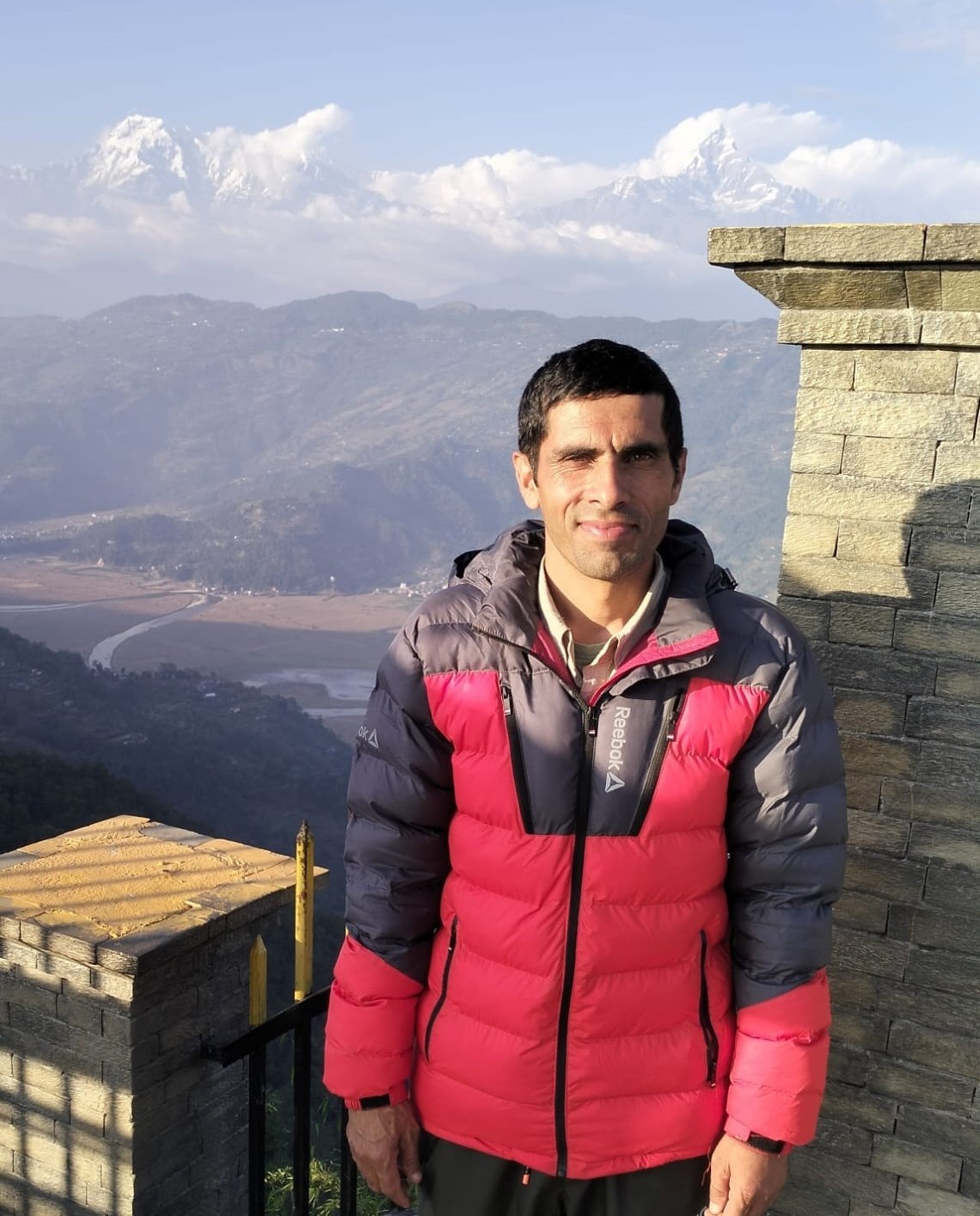
Shiva Prasad Acharya

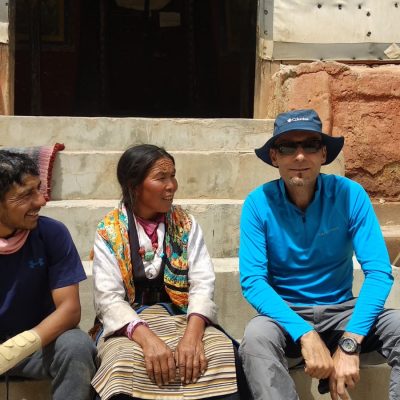
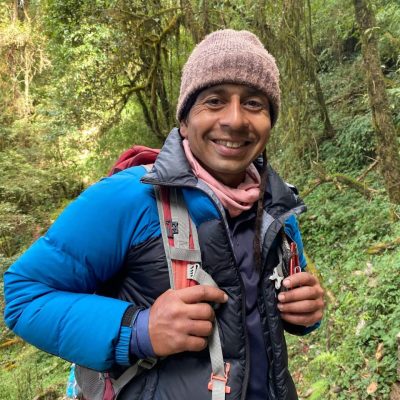
Shiva Prasad Acharya leads a fulfilling life by intertwining his passions for nature, adventure, and family. Transitioning from the health sector to becoming a trekking guide reflects his pursuit of a profession allowing immersion in natural beauty while sharing that passion with others.
His commitment to nature extends beyond his profession to his personal life, evident in his dedication to farming and animal husbandry. Tending vegetables, paddy fields, and raising buffaloes likely offers him fulfillment and a profound connection to the land. He resides in Kasipira, near Pokhara, with his wife and two sons.
Shiva Prasad extensively travels to regions like Upper Mustang, Annapurna, Everest, Langtang, and Manaslu, gaining insights into local cultures, traditions, and natural beauty. His strong passion for sharing Nepal’s heritage highlights his desire to promote local culture and raise awareness. His invaluable traits—flexibility, knowledge, and patience—would undoubtedly enrich the experiences of travelers alongside him.
His proficiency in English, French, and Hindi widens his accessibility, enabling him to connect with travelers from diverse backgrounds worldwide.
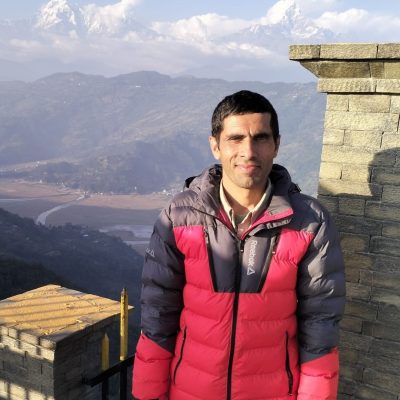

Kumar Parajuli

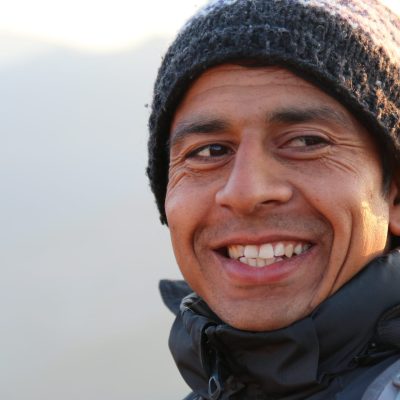
In his early days, Kumar had to walk for hours to reach his school, passing through small villages, hills, and rivers with beautiful views of snow-capped mountains along the way. This sparked his curiosity about the rest of the country and its culture, leading him to develop a strong interest in learning about new places and meeting new people.
After he completed high school, he started his career as a trekking guide due to his passion for nature, culture, and adventure. Over the course of time, he has received extensive training in mountain safety, trekking, and cultural guiding. Kumar has led several groups on treks to popular regions like Annapurna, Everest, and Langtang, showcasing his expertise as a trekking guide. Furthermore, he is equally well-versed in the cultural attractions of Nepal, serving as a cultural guide as well.
Joining Wind Horse Tours as a Nepal partner was a significant milestone in his career. Kumar believes that working as a guide not only allows him to explore the beauty of Nepal but also provides ample opportunities to immerse himself in the diverse cultures of the country. In his leisure time, he enjoys hanging out with friends and continuing his explorations. He is excited about the prospect of traveling and discovering new places beyond Nepal in the future.
Trip Photos
FAQs
- What is the Annapurna Panorama Trek, and how long is it?
The Annapurna Panorama Trek is a well-balanced Himalayan journey that combines the classic Ghorepani–Poon Hill route with the trail to Annapurna Base Camp. It offers a rich mix of natural beauty, cultural experiences, and spectacular mountain views, making it ideal for trekkers seeking both diversity and accessibility within a relatively short timeframe.
The standard itinerary is 13 days, which includes arrival, sightseeing in Kathmandu and Pokhara travel, and trekking. Out of these, 8 days are spent trekking on the trail.
- What is the maximum altitude reached?
The highest point of the trek is Annapurna Base Camp at 4,130 meters (13,550 ft). At this elevation, proper acclimatization and a gradual ascent are essential to minimize altitude-related risks.
- How difficult is this trek?
This trek is considered moderate in difficulty. It involves 4–7 hours of walking per day with gradual ascents and descents on well-maintained trails. No technical climbing or mountaineering skills required.
- Is this trek suitable for beginners?
Yes, it is suitable for beginners who have a good level of physical fitness. Prior hiking experience is helpful but not mandatory. A positive mindset and basic preparation (cardio and endurance training) will enhance your experience.
- What are the main highlights of this trek?
The major highlights of the Annapurna Panorama Trek are:
- Sunrise views from Poon Hill (3,210 m)
- Reaching Annapurna Base Camp surrounded by towering peaks
- Panoramic views of Annapurna I, Dhaulagiri, and Machhapuchhre
- Cultural encounters in traditional Gurung and Magar villages
- Diverse landscapes ranging from forests to alpine terrain
- When is the best time to do this trek?
The best seasons are:
- Spring (March–May): Blooming rhododendron forests and mild temperatures
- Autumn (September–November): Clear skies, stable weather, and excellent mountain visibility
Winter treks are possible but colder, while monsoon season (June–August) brings rain and limited views.
- What kind of landscapes can I expect?
The trek passes through a wide variety of landscapes, including:
- Terraced farmlands and rural villages
- Dense rhododendron and bamboo forests
- River valleys and Waterfalls
- Alpine meadows and glacial basins near Annapurna Base Camp
- What permits are required for this trek?
For this trek, you will require the Annapurna Conservation Area Permit (ACAP), which will be arranged and included in our package.
- Do I need a guide and porter for this trek?
Yes, hiring a licensed guide is mandatory for foreign trekkers in Nepal. Guides ensure safety, assist with logistics, and enhance your experience with local knowledge and cultural insights. While porters are optional unless you wish to travel light & comfortably.
- Can the itinerary be customized?
Yes, the itinerary is flexible and can be tailored to your needs. Options include:
- Shorter treks (Poon Hill only or Tadapani & Ghandruk with Poon Hill)
- Additional acclimatization days
- Where will I sleep during the trek?
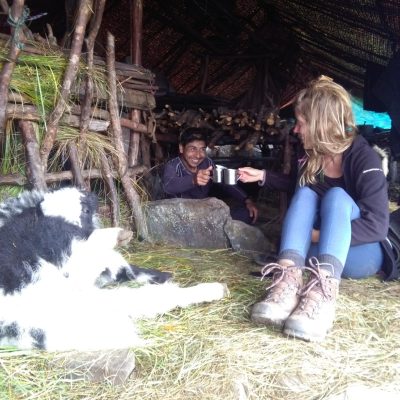
Accommodation is typically in tea‑house lodges, offering twin bedded rooms with blankets. Many trekkers bring their own sleeping bag for extra comfort.
- What are tea houses like?
Teahouses are simple, but comfortable family-run lodges offering:
- Twin-sharing rooms with basic bedding
- Communal dining areas (often with a central stove)
- Friendly, local hospitality
Facilities become more basic as altitude increases.
- Are attached bathrooms available?
Attached bathrooms are available in some lower-altitude teahouses. However, shared bathrooms are more common at higher elevations.
- What meals are included?
Only breakfast in Kathmandu and Pokhara, while all meals (breakfast, lunch, dinner) with some tea & coffee during the trek.
- What kind of food is available?
Teahouses serve a variety of meals such as:
- Dal Bhat (rice, lentils, vegetables)
- Noodles, soups, pasta, and fried rice
- Eggs, pancakes, porridge, and Tibetan bread
Menus are simpler at higher altitudes but remain nutritious.
- Is drinking water available?
Yes, drinking water is available throughout the trek. However it is not included in the package, bottled and boiled water gets more expensive at higher elevation. We recommend reusable water bottles with purification tablets for safety and sustainability.
- Is mobile network available?
Yes, mobile coverage is available in lower regions such as Ghorepani, Tadapani, and Chhomrong. However, connectivity becomes weaker and less reliable at higher altitudes.
- Is WiFi available during the trek?
Yes, WiFi is available in many teahouses, but:
- It is usually a paid service
- Speeds are slow and connections can be unreliable
- Can I charge my devices?
Yes, charging facilities are available at most teahouses for an additional fee. Carrying a power bank is strongly recommended.
- Is altitude sickness a concern?
Yes, there is a risk of Acute Mountain Sickness (AMS), especially near Annapurna Base Camp. Proper acclimatization, hydration, and a gradual pace are essential.
- What safety measures are included?
- Experienced, licensed trekking guide
- Basic first aid kit
- Carefully planned acclimatization schedule
- Is travel insurance required?
Yes, travel insurance is mandatory and must cover:
- High-altitude trekking
- Emergency evacuation (including helicopter rescue)
- Medical expenses
- What health precautions should I take?
- Stay hydrated (3–4 liters/day)
- Walk at a steady, comfortable pace
- Avoid alcohol and smoking at high altitude
- Inform your guide of any symptoms immediately
- What should I pack for safety?
Essential items include:
- Warm layered clothing
- Sturdy trekking boots
- Personal first aid kit
- Water purification tablets or filter
- What extra costs should I expect?
We recommend budgeting approximately USD 15–20 per person per day for personal expenses such as:
- Bottled or boiled drinking water
- Snacks and beverages
- Hot showers and charging devices
- WiFi access
- Can I trek independently or arrange last-minute bookings?
Independent trekking is no longer permitted for foreign visitors in Nepal due to the mandatory guide rule. Booking through a registered agency ensures all logistics, permits, transportation, accommodation, meals, and guide services. Early booking is recommended during peak seasons to guarantee availability and support.
Overview
Trip Type
Trekking
Activities Included
Accommodation
3-4* hotels in Kathmandu and Pokhara and local village lodge during the trek
Meals
only breakfast in Kathmandu and Pokhara while all meals are included during the trek
Route
Kathmandu-Pokhara-Ulleri-Ghorepani-Tadapani-Chhomrong-Dovan-Deurali-ABC-Bamboo-Jhinu Danda-Pokhara-Kathmandu
 Max Group Size
2-10
Best Seasons
Best during spring and autumn
Best Months
March, April, May, October, November
Good Months
February, September
Lean Months
June, July, August
Not Recommended Months
January, December
Max Group Size
2-10
Best Seasons
Best during spring and autumn
Best Months
March, April, May, October, November
Good Months
February, September
Lean Months
June, July, August
Not Recommended Months
January, December