

 +1 612 869 4949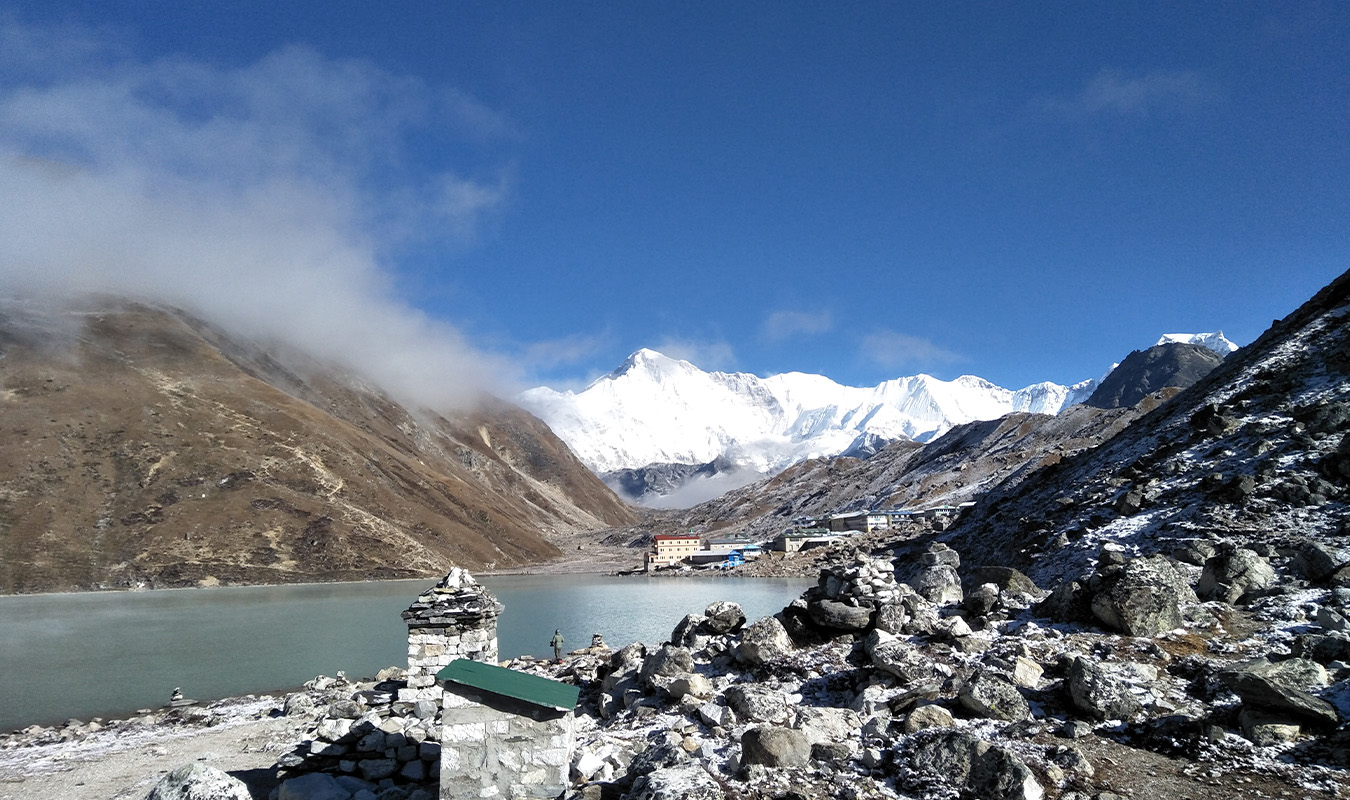

Everest Base Camp Trek with Gokyo via Chola Pass
Everest Base Camp & Gokyo Loop via ChoLa Pass
-

Duration
20 Days -
 Trekking
 -
Tough

 Overview
 Costs
Costs Included
 Itinerary
 Tour Leader
 Trip Photos
Everest Base Camp Trek with Gokyo via ChoLa Pass – Adventure Elevated
The Everest Base Camp Trek with Gokyo via Cho La Pass is an exceptional journey through Nepal’s Khumbu region, combining the iconic Everest Base Camp path with the serene beauty of Gokyo Lakes and the rugged Cho La Pass. Far beyond the traditional route, this circular trek—lasting approximately 16 to 19 days—guides you through remote valleys, across icy glaciers, and along panoramic ridgelines. It’s no wonder this variant is a favorite among trekkers seeking both challenge and serenity.
EBC Trek with Gokyo via Cho La Pass Highlights
- Scenic flight to Lukla: Begin your adventure with a thrilling mountain flight from Kathmandu to Lukla, offering aerial views over the Himalayas.
- Classic trail to EBC: Follow the classic EBC path through Dingboche, Lobuche, and Gorak Shep to EBC.
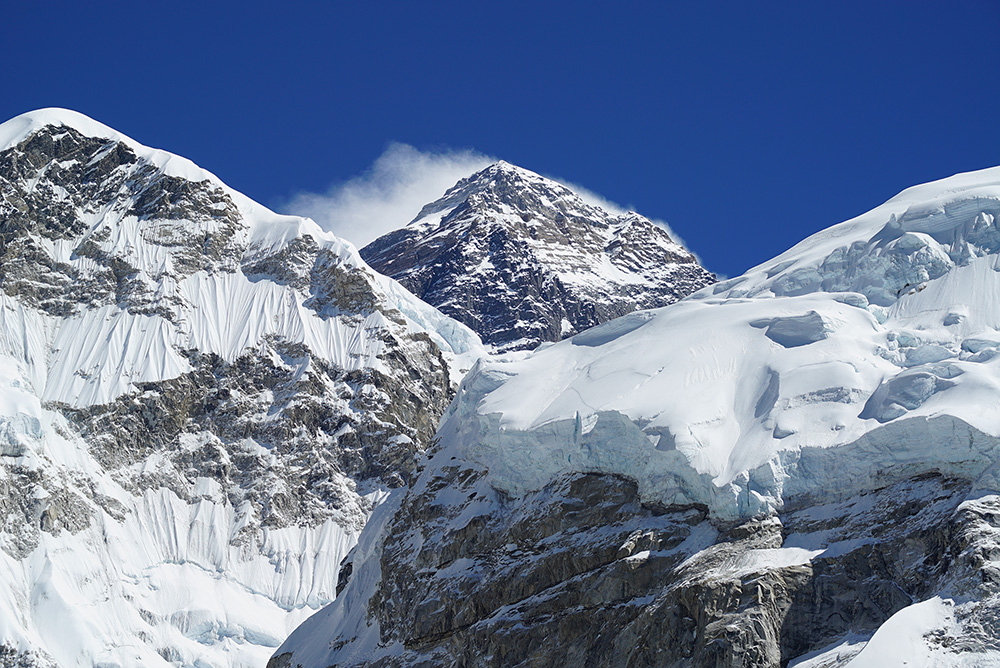
- Kala Patthar: Rise above Gorakshep for an unrivaled, close-up view of Everest’s south face and neighboring giants Lhotse, Nuptse, and Pumori.
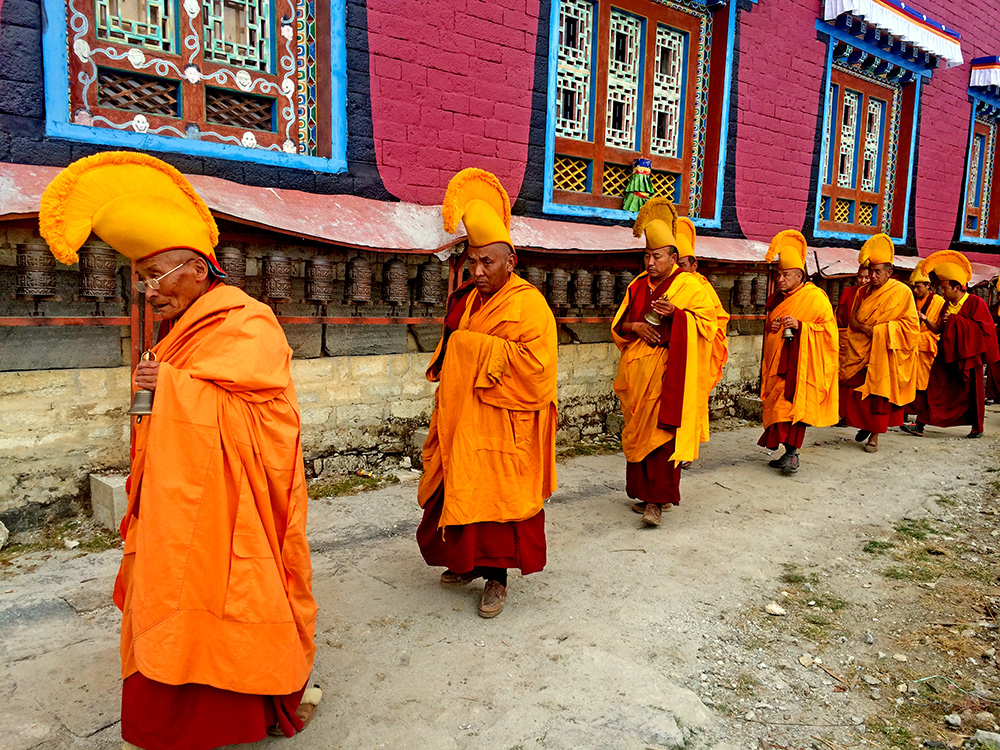
- Sherpa culture: Explore bustling Namche Bazaar, peaceful monasteries, and traditional stone villages like Thame, for a rich cultural immersion.
- Flora and fauna: Trek through alpine meadows and glacial valleys, with chances to spot Himalayan wildlife, including musk deer and even snow leopards
- Cross over the Cho La Pass: Instead of retracing your steps, cross over the Cho La pass to the Gokyo valley.
- Gokyo Valley & Lakes: Experience jewel-like, high-altitude lakes (4,650–5,000 m) surrounded by Everest, Lhotse, Makalu, and Cho Oyu.
- Return Loop via Namche: Completing the circuit, trek back through Machhermo, Dole, and Namche before returning to Lukla and flying to Kathmandu.
Why it stands out from the Classic EBC Trek?
- Extended Duration & Scenic Diversity: Spanning 16–19 days, this route offers richer variety than the classic EBC trek, glaciers, sacred monasteries, alpine lakes, and high passes.
- Glacial Challenge at Cho La Pass: Unlike the standard trail, this route includes Cho La Pass, a technical, icy crossing that requires proper gear and adds adventure intensity.
- Panoramic Views from Gokyo Ri: The ascent of Gokyo Ri rivals, and for many, surpasses Kala Patthar, offering a 360° view of Everest, Cho Oyu, Makalu, and the Ngozumpa Glacier.
- Solitude and Serenity: Post-EBC, the trail to Gokyo is quieter and more peaceful, with trekkers often citing it as the most scenic and culturally immersive stretch.
- Cultural & Spiritual Depth: From Namche Bazaar to Tengboche Monastery and the remote villages of Gokyo Valley, this trek offers a deeper dive into Sherpa life and Himalayan spirituality.
The EBC Trek with Gokyo via Cho La Pass is a truly elevated Himalayan adventure—a seamless fusion of classic Everest Base Camp magic with the hidden wonders of Gokyo Valley and the technical thrill of crossing Cho La Pass. Over roughly 16–19 days, this loop guides you through remote valleys, glacier crossings, and panoramic ridgelines, offering a richer, more varied experience than the traditional EBC trek.
Outline Itinerary
Day 1: Arrival in Kathmandu
Day 2: In Kathmandu
Day 3: Fly from Kathmandu to Lukla & beegin trek to Phakding
Day 4: Trek from Phakding to Namche Bazaar
Day 5: Acclimatization day in Namche Bazaar
Day 6: Trek from Namche Bazaar to Tengboche
Day 7: Trek from Tengboche to Dingboche
Day 8: Acclimatization Day (Excursion to Nangkartshang hill)
Day 9: Trek from Dingboche to Lobuche
Day 10: Trek from Lobuche to Gorakshep
Day 11: Hike to Kalapatthar-Trek from Gorakshep to Dzongla
Day 12: Trek from Dzongla to Thangnak (via Cho La Pass)
Day 13: Trek from Thangnak to Gokyo
Day 14: Exploration day in Gokyo
Day 15: Trek from Gokyo to Dole
Day 16: Trek from Dole to Namche Bazaar
Day 17: Trek from Namche Bazaar to Lukla
Day 18: Fly from Lukla to Kathmandu
Day 19: Free day in Kathmandu
Day 20: Departure
The trek in advancing to the base of the world’s tallest mountain maps out spectacular vistas from such celebrated viewpoints as Gokyo Ri and Kala Patthar. Encounters astoundingly beautiful lakes, valleys, glaciers, and close-up views of the World’s tallest mountains.
Overview
Trip Type
Trekking
 Activities Included
 Accommodation
Local village tea house/lodges during the trek.
Accommodation
Local village tea house/lodges during the trek.
 Meal
Only breakfast in Kathmandu and full board during the trek
Meal
Only breakfast in Kathmandu and full board during the trek
 Best Seasons
Spring (March - May) and Fall (Sept -Nov)
Best Seasons
Spring (March - May) and Fall (Sept -Nov)
 Route
Kathmandu-Lukla-Phakding-Namche-Tengboche-Dingboche-Lobuche-Gorakshep-Dzongla-Thangnak-Gokyo-Dole-Namche-Lukla-Kathmandu
Route
Kathmandu-Lukla-Phakding-Namche-Tengboche-Dingboche-Lobuche-Gorakshep-Dzongla-Thangnak-Gokyo-Dole-Namche-Lukla-Kathmandu
 Best Months
March, April, May, October, November
Best Months
March, April, May, October, November  Good Months
September
Good Months
September  Lean Months
June, July, August
Lean Months
June, July, August  Not Recommended Months
January, February, December
Not Recommended Months
January, February, December The trek in advancing to the base of the world’s tallest mountain maps out spectacular vistas from such celebrated viewpoints as Gokyo Ri and Kala Patthar. Encounters astoundingly beautiful lakes, valleys, glaciers, and close-up views of the World’s tallest mountains.
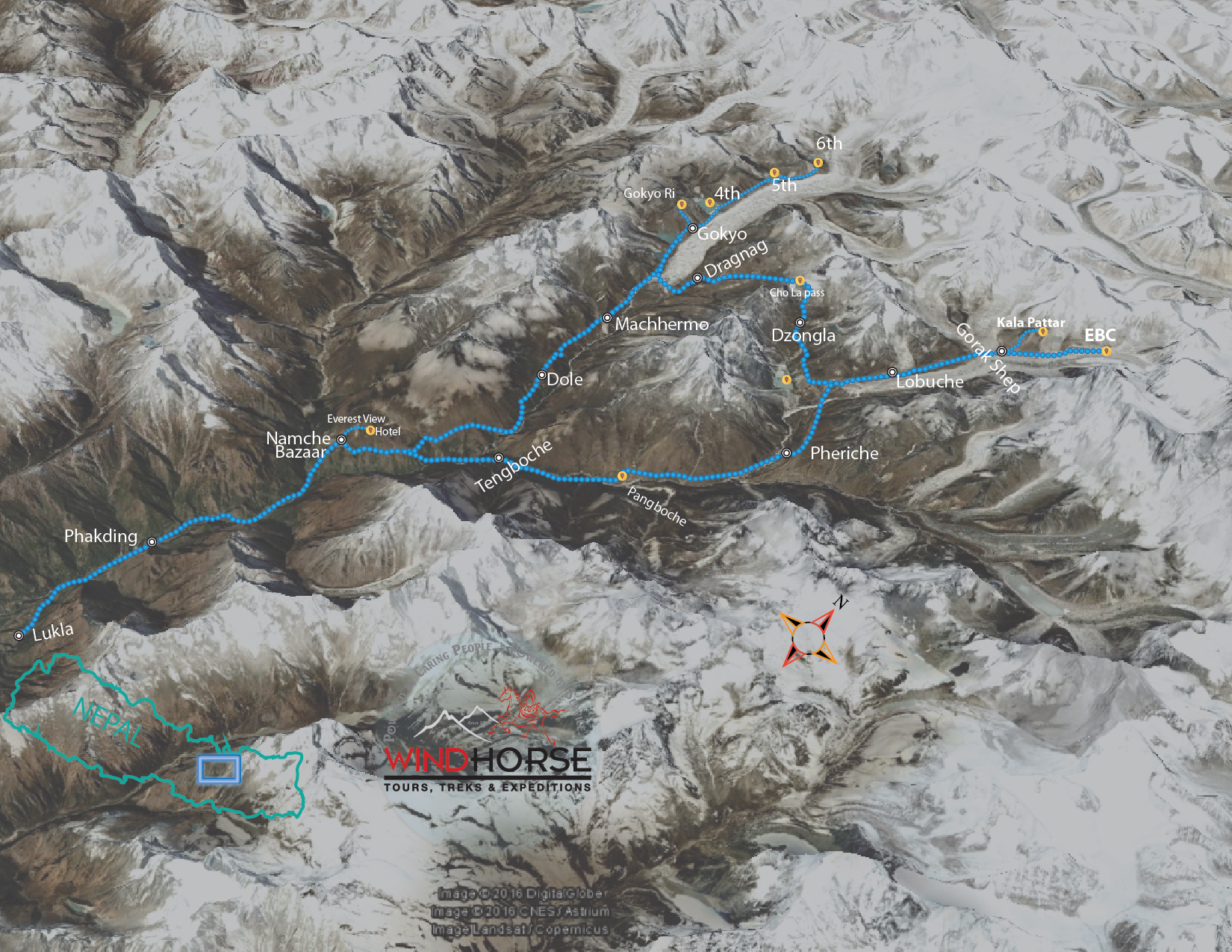
Detailed Itinerary
Expand AllArrival in Kathmandu
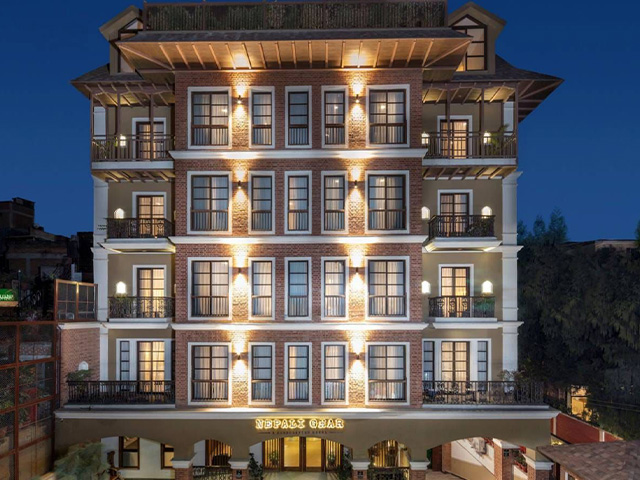
Upon your arrival at Kathmandu airport, a Wind Horse representative will meet you and transfer you to the hotel. The rest of the day is at your leisure until the evening. Later in the evening, there will be a briefing followed by dinner, along with a cultural performance, at a traditional Nepalese restaurant. Overnight in Kathmandu.

 Altitude:
1350m
Altitude:
1350m
In Kathmandu
Today, you will visit three UNESCO World Heritage Sites in the Kathmandu Valley: Kathmandu Durbar Square, Boudhanath Stupa, and Pashupatinath Temple.
Kathmandu Durbar Square is one of the three Durbar (palace) squares in Kathmandu valley. Kathmandu Durbar Square is rich with its intricate wood carving and its history. Also known as the “Musuem of Temples” there are over 50 temples in the square. You will explore the area around the former palace of the kings of Nepal, viewing various temples and monuments.
Following the visit, you will drive to Boudanath Stupa. Boudanath Stupa is one of the largest Buddhist stupa in Nepal and also a World Heritage Site. Boudanath signifies peace and tranquility, and is a Centre of religious and spiritual significance. You will see thousands of pilgrims circumambulating the stupa, you will circumambulate with pilgrims and visit the surrounding monasteries.
Afterward, you will proceed to Pashupatinath Temple. The Pashupatinath temple is situated on the banks of the Bagmati river and is one of the most revered Hindu temple in Nepal. The main temple complex is not accessible to non-Hindus, but you can explore around the periphery of the temple complex which is quite large and impressive. Overnight in Kathmandu.

 Duration:
5-6hrs
Duration:
5-6hrs
Fly from Kathmandu to Lukla & begin trek to Phakding
The mountain flight into Lukla is spectacular, and the landing is an exciting experience. One end of the runway is 60 meters higher than the other. The flight is typically on a small Dornier or Twin Otter aircraft, with duration of around 25–30 minutes.
Upon arrival at Lukla (2860m), you will meet your porters before commencing the trek towards Phakding. You will begin your Everest Base Camp Trek with Gokyo via Chola pass from Lukla. You will descend gradually for about 2 hours to Thado Koshi, and then you will make your first ascent, gradually uphill all the way to Phakding (2610m). It takes about 2 hours from here to reach Phakding. Overnight in Phakding.
Please be advised that during the high season (March, April, May, October, and November), flights to Lukla are routed through Ramechhap (Manthali) airport, approximately a 4-5 hours’ drive away from Kathmandu. To accommodate this, you must start early (several hours before dawn around 2am).
 Altitude:
Lukla at 2860m/Phakding at 2620m
Duration:
3-4hrs, Approx. 8kms
Altitude:
Lukla at 2860m/Phakding at 2620m
Duration:
3-4hrs, Approx. 8kms
 Tea House
Trek from Phakding to Namche Bazaar
Following the Dudh Koshi River, the trail traverses through Sherpa settlements such as Bengkar and Chumao, and then enters into the Sagarmatha National Park at Monjo. You will than cross over the Hillary suspension bridge, and continue with a steep uphill climb to Chautara, where you get the first glimpse of Everest through the trees.
You will continue the ascent until you reach the vibrant Namche Bazaar (3440m), the pulsating heart of the Sherpa community, offering accommodations, cafes, and stores vending souvenirs and trekking essentials. Namche Bazaar serves as an ideal location to procure any forgotten items and acclimatize to the altitude for the remainder of the day. Overnight in Namche Bazaar.
Altitude:
3440m
Duration:
5-6hrs, Approx. 11kms. Elevation gain - 820m
Tea House
In Namche Bazaar (Acclimatization day)
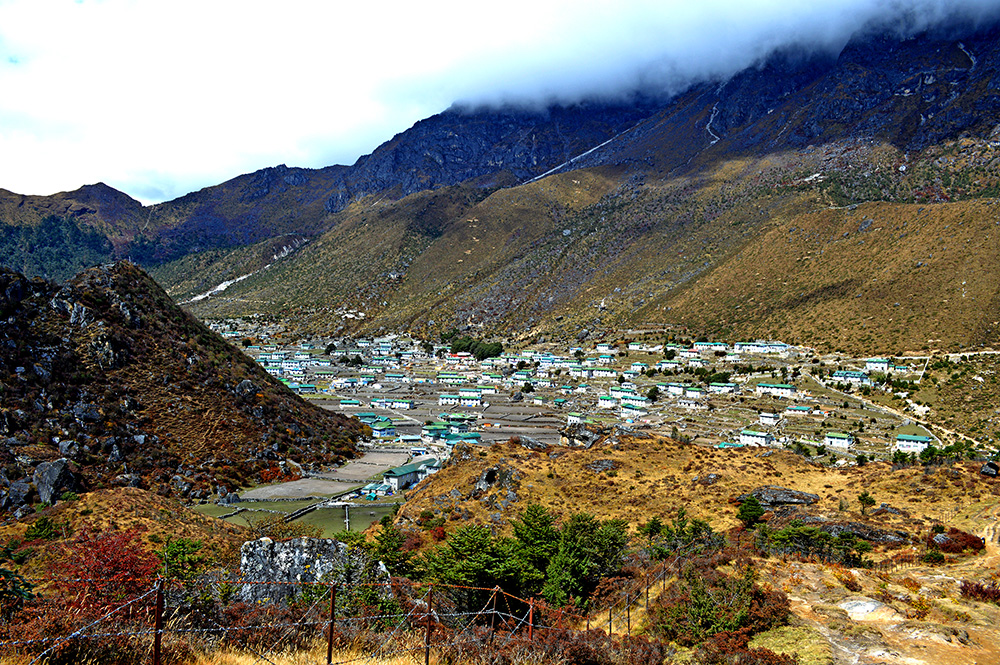
Today is your acclimatization day, it is important to acclimatize so that your body get used to the ever increasing altitude. To do this you will embark on a short hike to Everest View Hotel at Syangboche, situated at an altitude of 3880m. The Everest View Hotel is considered to be one of the best vantage point, offering breathtaking views of the mountains such as Mt. Everest, Ama Dablam, Lhotse, Nuptse and other peaks.
After relishing at the panoramic scenery, you also have the option to visit Khumjung village. A brief descent on the other side from the Hotel Everest view leads you to the large village of Khumjung, home to Hillary’s School. Following the visit, you will descend back to Namche, where you have the rest of the afternoon to relax or explore on your own. The whole journey including the Everest View Hotel will take about 5-6 hours round trip. Overnight in Namche Bazaar.
Altitude:
3440m
Tea House
Trek from Namche Bazaar to Tengboche
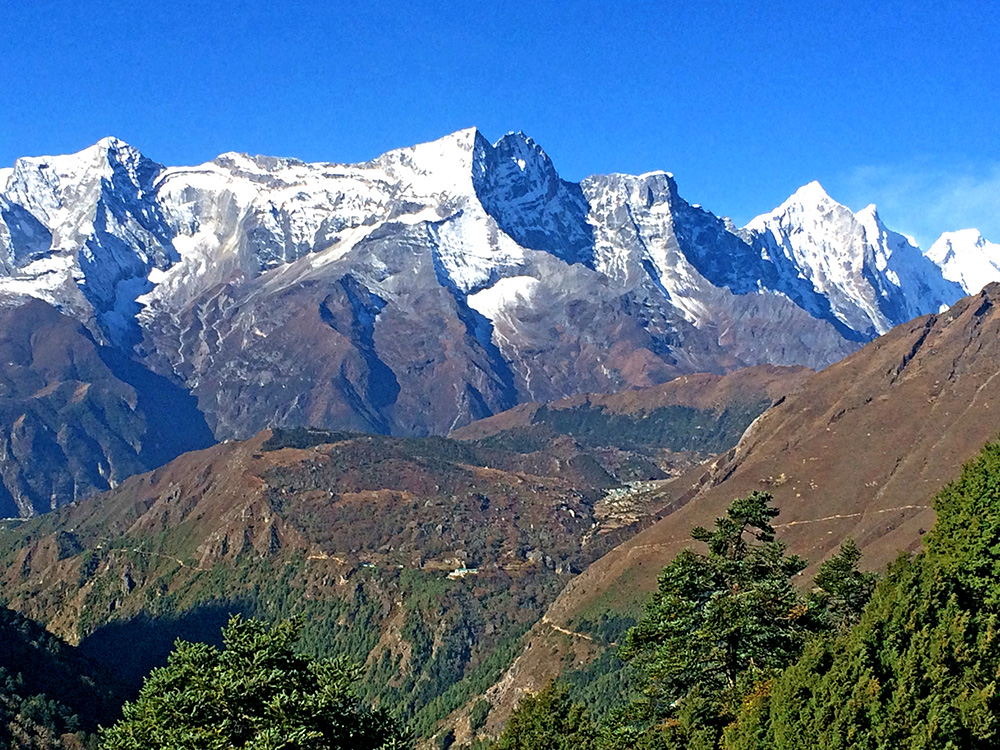
After a short climb out of Namche Bazaar, you’ll arrive at Kyangjuma, a spot with tea shops, where the trail from Khumjung also merges with the main Everest Base Camp Trek trail. The views of Everest and Ama Dablam are excellent from this part of the trek. The hike goes past forests and open hillside over a straight forward trail with few uphill sections. Continue by passing through the small settlement of Sanasa, from where the trail descends to the river at Phunki tenga (3300m).
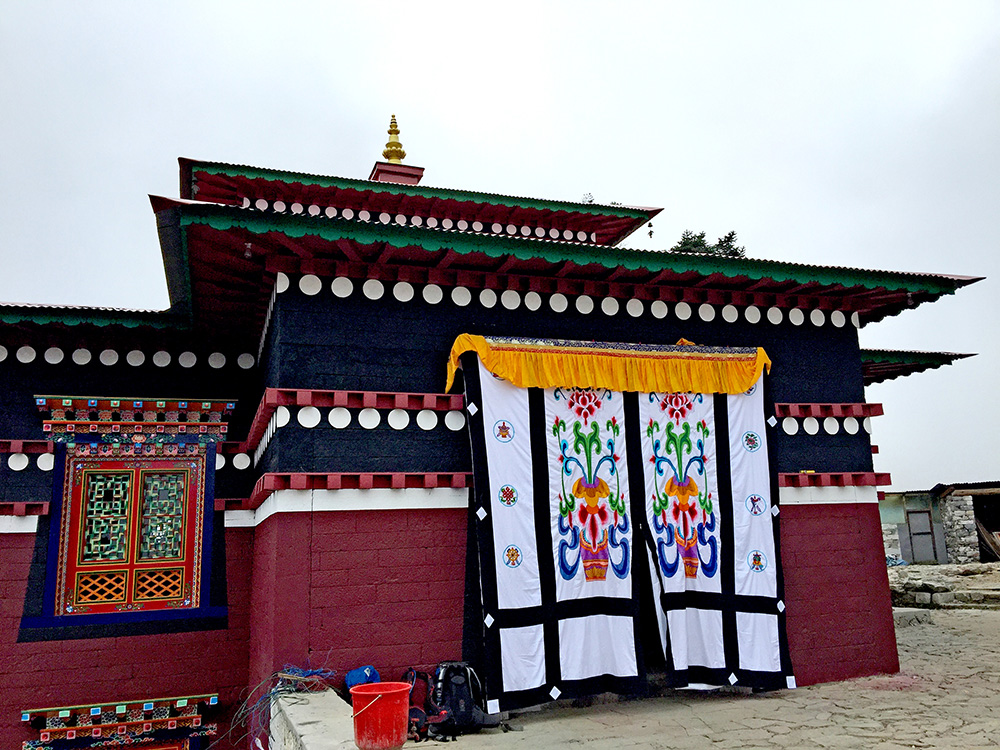
Hereafter, the trail ascends steeply through pine and rhododendron forests, following the side of a hill to reach the saddle on which the Tengboche Monastery sits at 3870m. On a clear day, the views are breathtaking through the rhododendron trees, showcasing the Himalayan giants such as Kwangde, Taboche, Everest, Nuptse, Lhotse, Ama Dablam, Kangtega, and Thamserku. Visit Tengboche Monastery, the largest one in the Khumbu region. Overnight in Tengboche.
Altitude:
3860m
Duration:
5-6hrs, Approx. 10kms. Ascent 780m, Descent 350m, Elevation gain - 309m
Tea House
Trek from Tengboche to Dingboche
Descend through a forest of rhododendrons, birches, and conifers to reach Deboche (3820m), a village with a few lodges and a nunnery. Cross a beautiful hanging bridge and ascend to Pangboche village (3980m). There is an option to visit Pangboche Monastery, situated higher up than the village. After passing Pangboche, the trail ascends above the tree line, entering alpine meadows of scrub juniper and, in summer, a profusion of wildflowers.
Along the way you will encounter several yak herders’ camps and, after crossing a river and ascending a small ridge, arrive at Dingboche (4410m). A large village offering outstanding mountain views. Dingboche is also the only place in the region where barley is grown, and you will see old houses scattered around. You will arrive early, so you have plenty of time to wander around. Overnight in Dingboche.
Altitude:
4410 m
Duration:
5-6hrs, Approx. 11kms, Descent 150m, Ascent 600m, Elevation gain: 550m
Tea House
Acclimatization day (hike to Nangkartshang hill)
At this stage of the trip, a second acclimatization day is essential due to the significant altitude gain. You have the option to take a short acclimatization hike to Nangkartshang hill.
The hill rises to the north of Dingboche village standing at nearly 5,100m. You’ll have panoramic views of peaks such as Taboche, Thamserku, and Ama Dablam. From this vantage point, enjoy vistas looking down onto the Imja Khola and Pheriche Valleys. Afterward the visit return to Dingboche for the night. Overnight in Dingboche.
Altitude:
Nangkartshang hill at 5073m
Duration:
4-5hrs trek, Approx. 5kms(round trip), Altitude change about 675m up and down.
Tea House
Trek from Dingboche to Lobuche
Leaving Dingboche, the path gently ascends through the highlands, characterized by sparse alpine shrubs. Cross a gushing stream, and after a brief climb, reach Thugla (4600m), the designated lunch stop for the day.
From Thugla, the ascent becomes steeper, passing by stone memorials adorned with colorful prayer flags, constructed in memory of departed souls of climbers. Continuing onward, after a short while, you will arrive at the small settlement of Lobuche (4950m).
The village offers massive mountain vistas of Nuptse, Lobuche, and Pumori. In the evening, you can take a stroll along the side hills to aid in acclimatization. Overnight in Lobuche.
Altitude:
4950m
Duration:
4-5hrs trek, Approx. 8kms, Elevation gain: 550m
Tea House
Trek from Lobuche to Gorakshep-Excursion to Everest Base Camp
Today is one of the most anticipated days of this trek , as you make our way to the Base Camp. The higher elevation makes today’s trek quite challenging. The first part of the journey involves a flat walk, and soon the trail weaves over undulating rocky terrain and glaciers until you reach Gorakshep (5,164m).
Gorakshep is a small settlement that stands as the final permanent outpost, adorned with trekking lodges perched on the periphery of the Khumbu Icefall. Taking a short break, you will traverse alongside the Khumbu glacier moraine for an additional hour and a half to finally reach Everest Base Camp (5,364m).
Capture the breathtaking scenery around you, including the majestic peaks, the sprawling Khumbu Glacier, and the mesmerizing Khumbu Icefalls. Absorb the vibrant sight of expedition tents, creating a colorful contrast against the natural backdrop. Afterwards, make your way back to Gorakshep for an overnight stay. Overnight in Gorakshep.
Altitude:
Gorakshep at 5164m/Everest Base Camp at 5364m
Duration:
6-7hrs, Appox. 12kms, Ascent: 390m, Descent 150m
Tea House
Hike to Kalapatthar-Trek from Gorakshep to Dzongla
You will embark on an early morning hike to Kala Patthar, situated at an altitude of 5,540m(although recent measurements suggest it exceeds 5600m). This challenging yet brief hike covers approximately 1.5 kilometers and involves a rapid ascent of about 400 meters within an hour from Gorakshep.
The trail steeply ascends, offering glimpses of Lingtren, Khumbutse, and Changtse after a 100-meter climb. Continuing upward, a breathtaking vista of the Khumbu glacier and the Nuptse massif awaits you. The final ascent to the rocky vantage point of Kala Patthar places you in the midst of an awe-inspiring Himalayan panorama, showcasing majestic peaks such as Everest, Lhotse, Nuptse, Pumori, Ama Dablam, Khangtenga, , icefalls, and sprawling Khumbu glaciers.
After marveling at the panoramic vistas and taking pictures, you will then descend to Gorakshep for breakfast. After breakfast, you will trace your steps back toward Lobuche, and continue towards Dzongla. Overnight in Dzongla.
Altitude:
Kalapatthar at 5643m/Dzongla at 4820m
Duration:
7-8hrs(including Kalapatthar), Ascent 463m, Descent 350m
Tea House
Trek from Dzongla to Thangnak (via Cho La Pass)
Today’s trek is both arduous and captivating, featuring diverse terrains and stunning vistas. Initially, the journey unfolds along a flat path traversing yak pastures before gradually transforming into a challenging ascent, culminating in a steep uphill trek towards the majestic Cho La Pass.
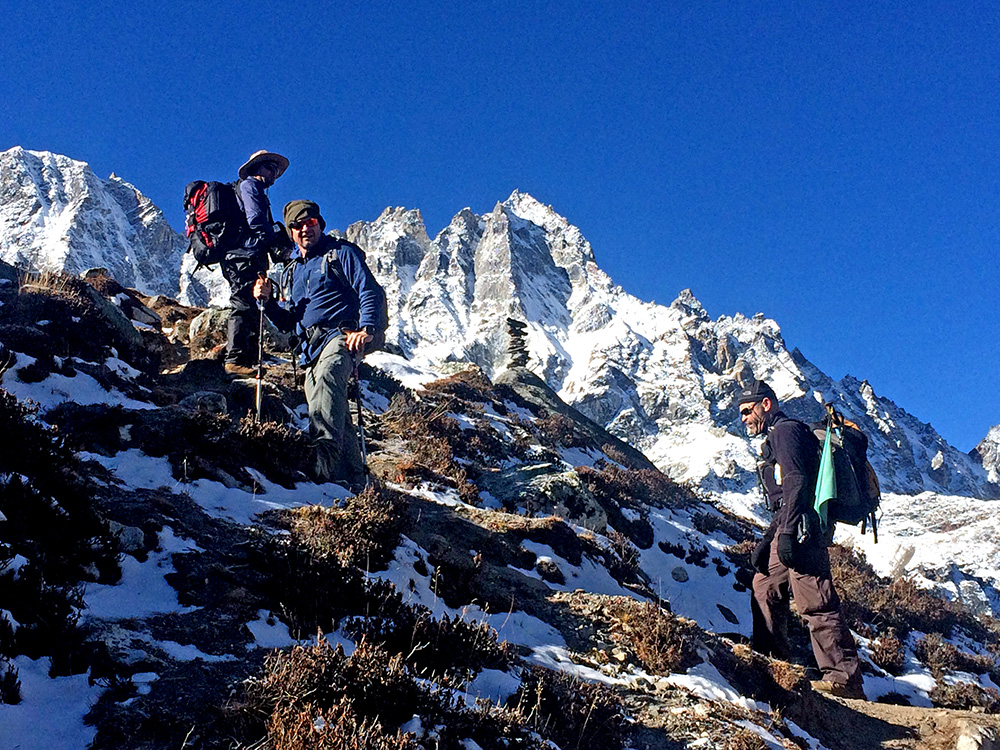
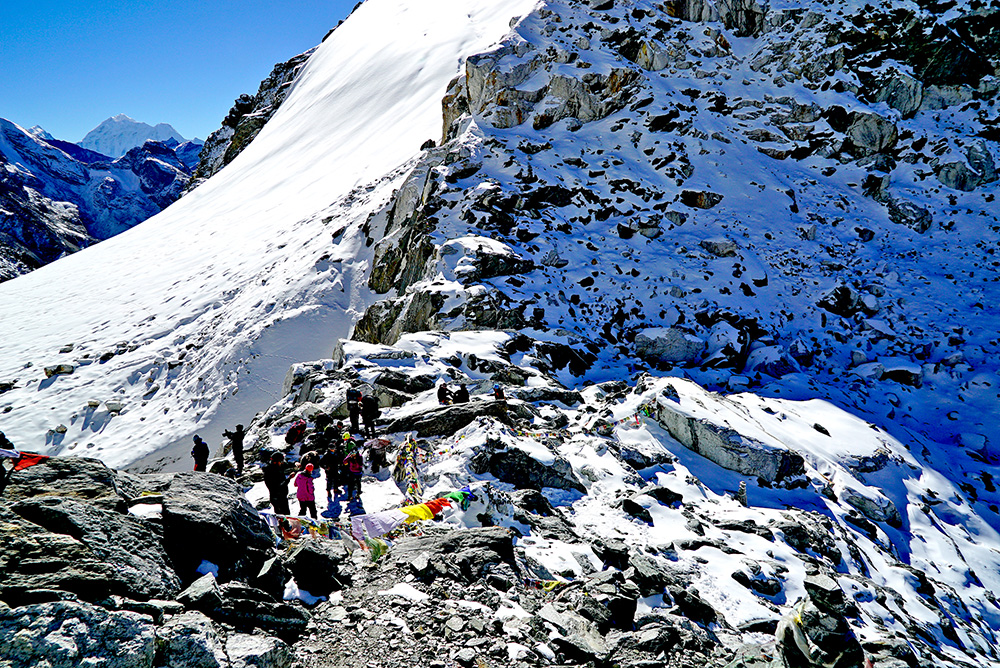
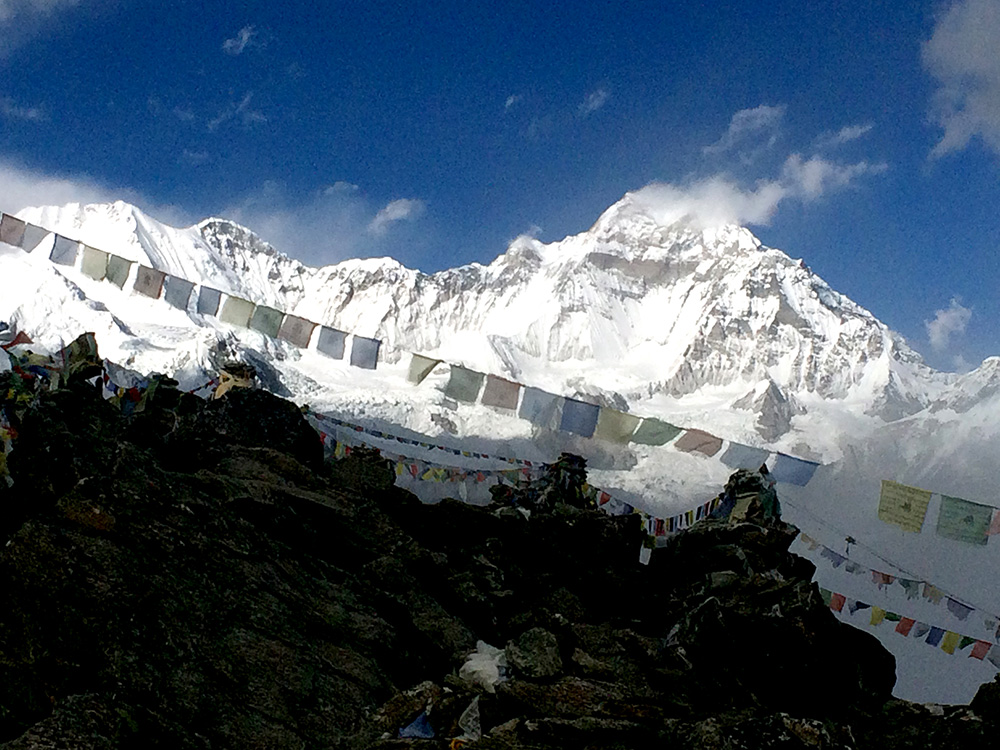
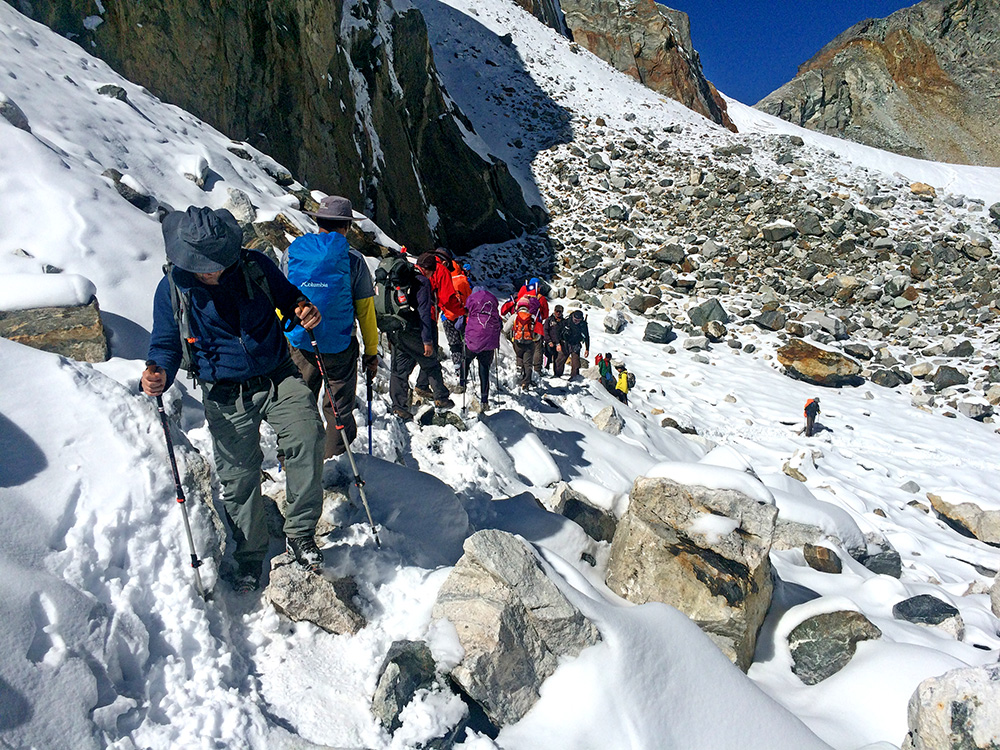
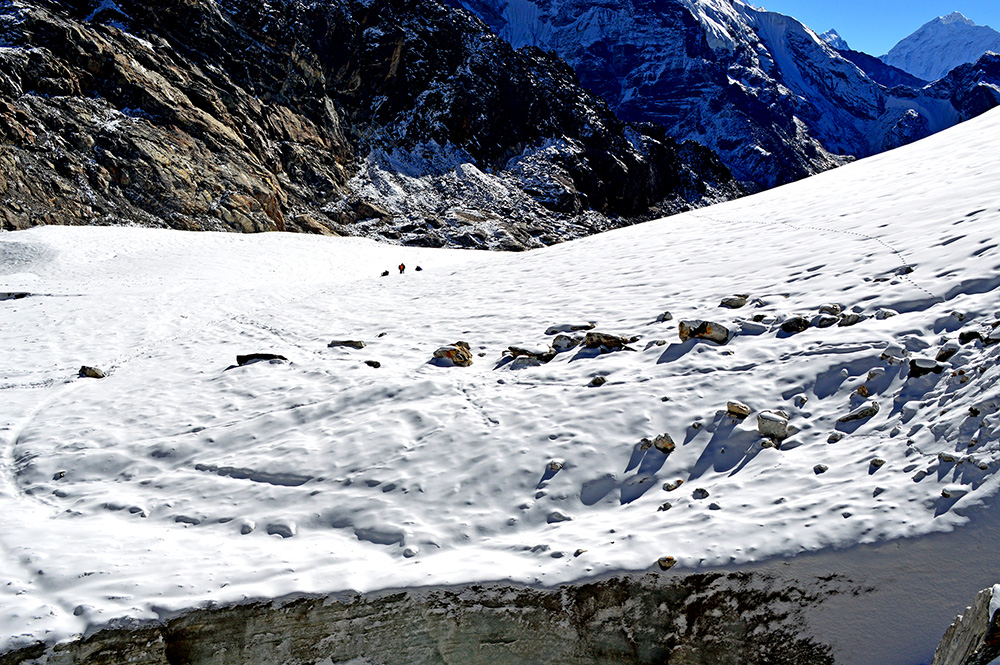
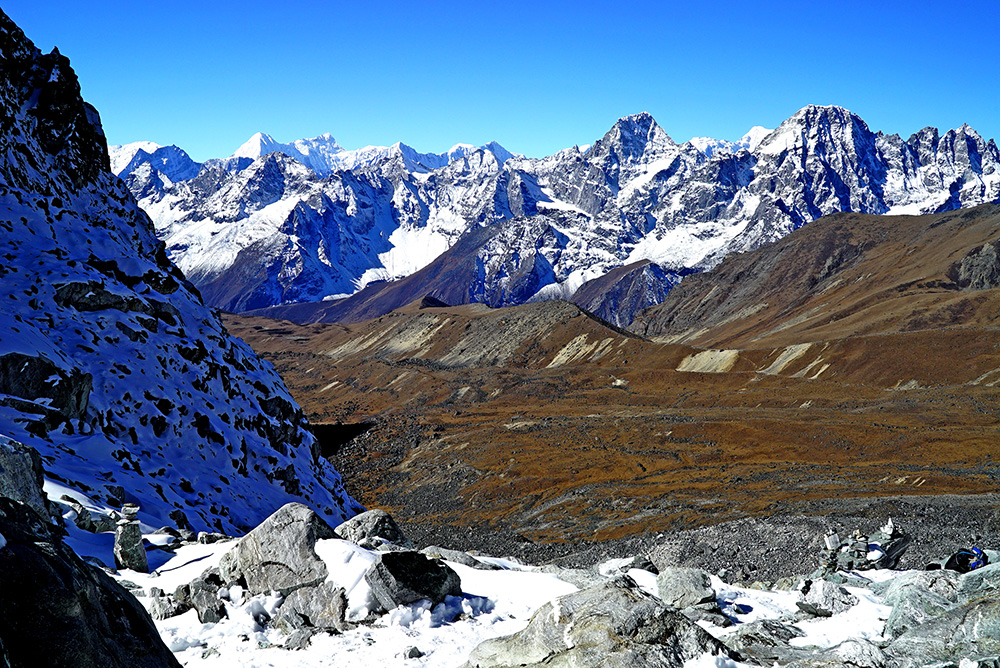
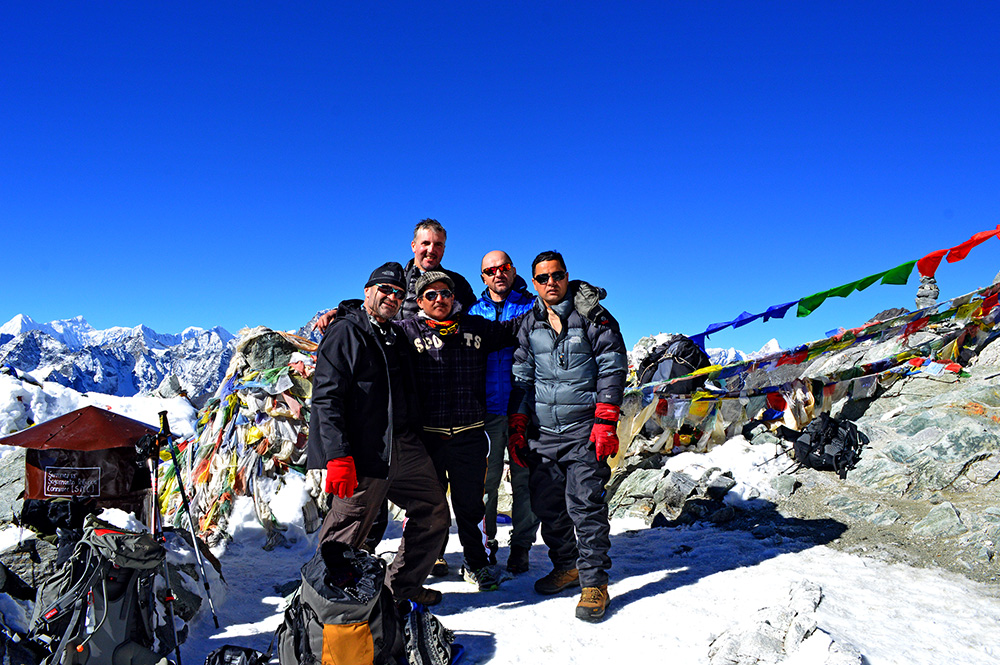
As you navigate the icy trail skirting the Cho La glacier, the ascent intensifies, leading you to the summit adorned with vibrant prayer flags dancing in the brisk mountain breeze. At this vantage point, a breathtaking panorama of Ama Dablam, Cholatse, Lobuche, and Baruntse awaits you.
Descending sharply from the pass, the trail leads to Phedi before transitioning into a gradual climb towards the charming village of Thangnak. Overnight in Thangnak.
Altitude:
Cho La pass at 5420m/Thangnak at 4680m
Duration:
6-7hrs, 8kms, Ascent 699m, descent 132m
Tea House
Trek from Thangnak to Gokyo
Today’s hike follows a relatively shorter route than previous days. The journey towards Gokyo, traverses thgough the lateral moraine of the Ngozumpa Glacier. Along this path, a picturesque landscape unfolds, characterized by a flat terrain offering splendid views.
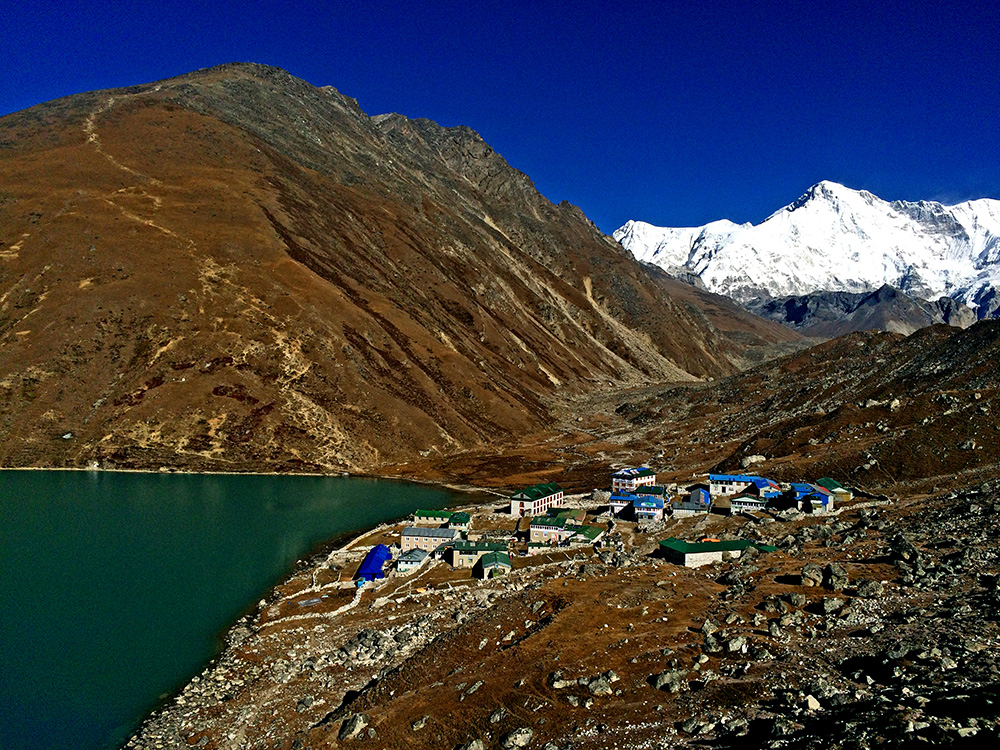
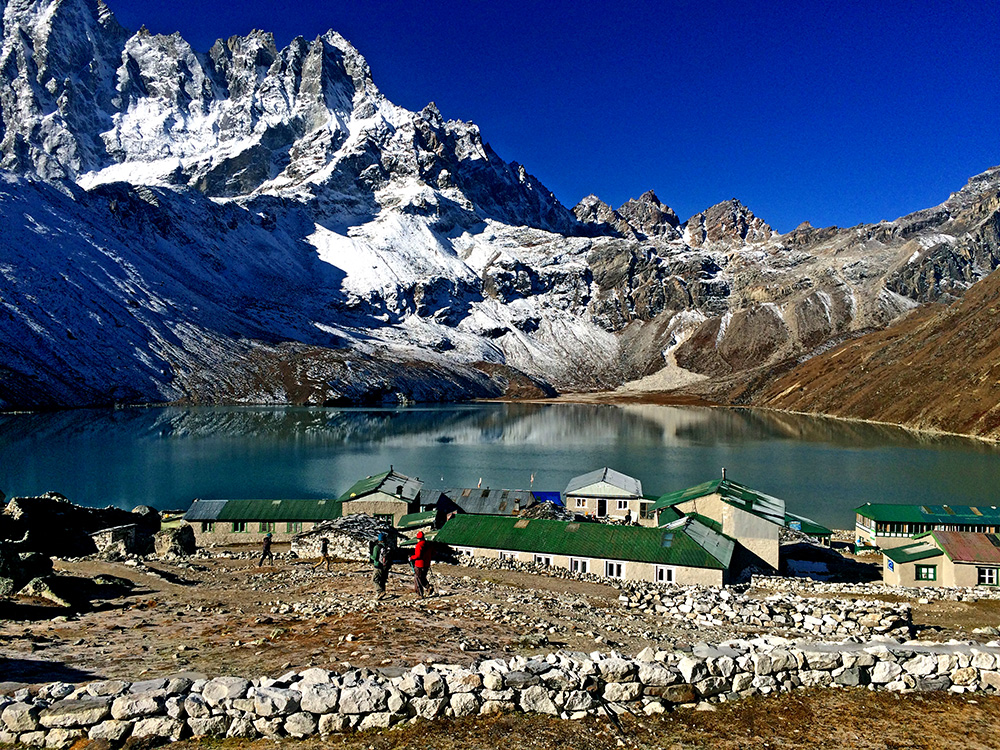
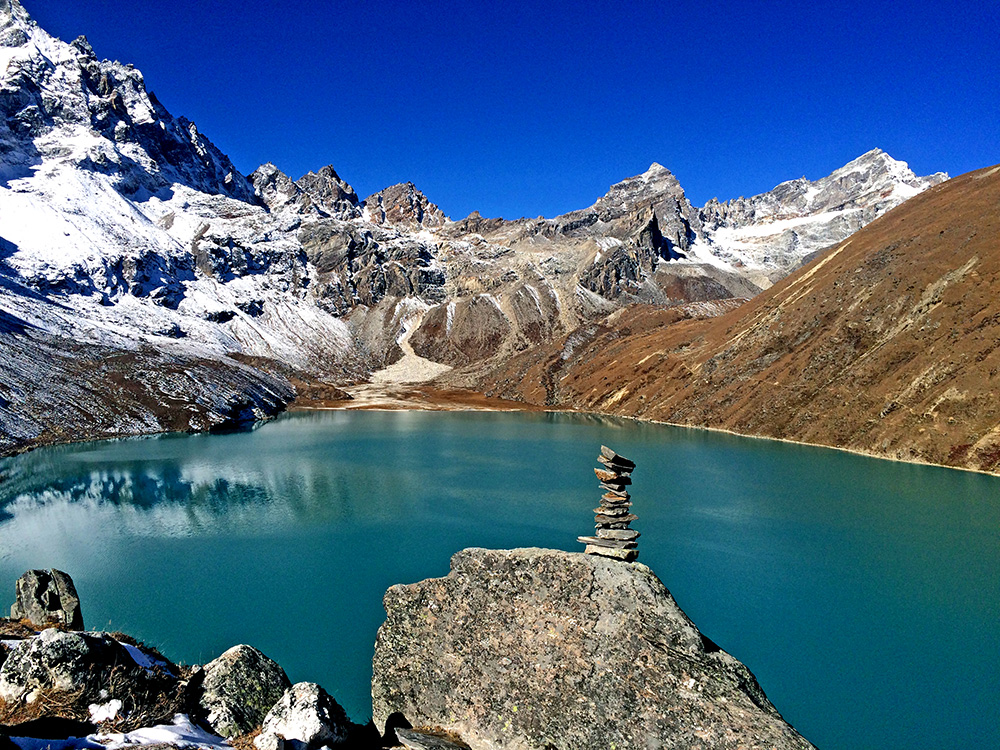
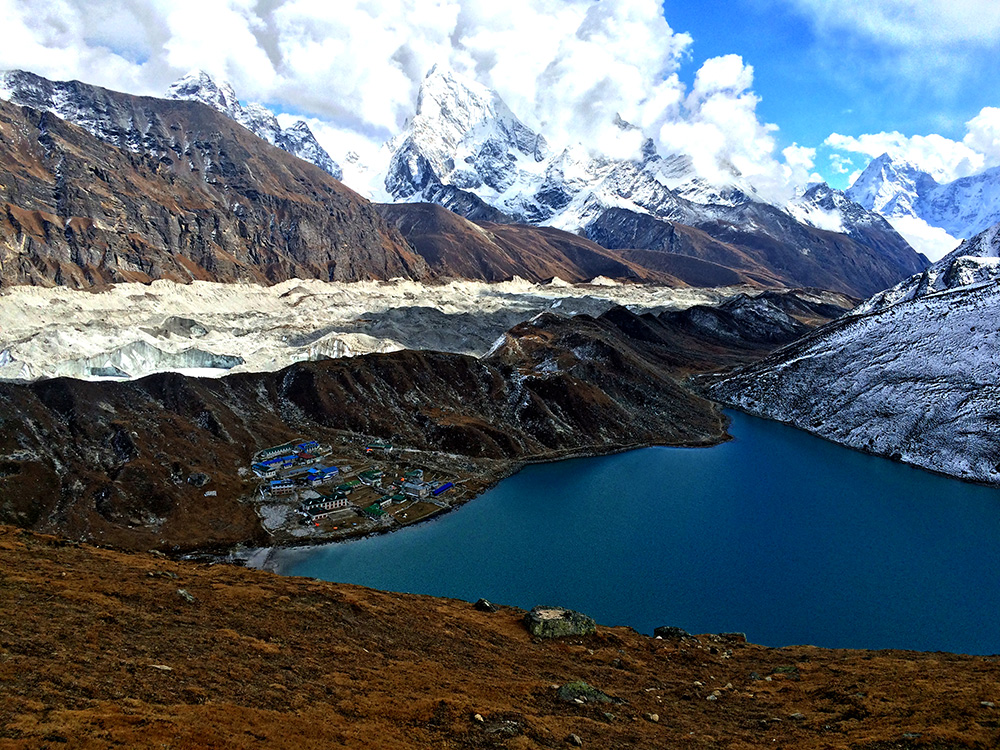
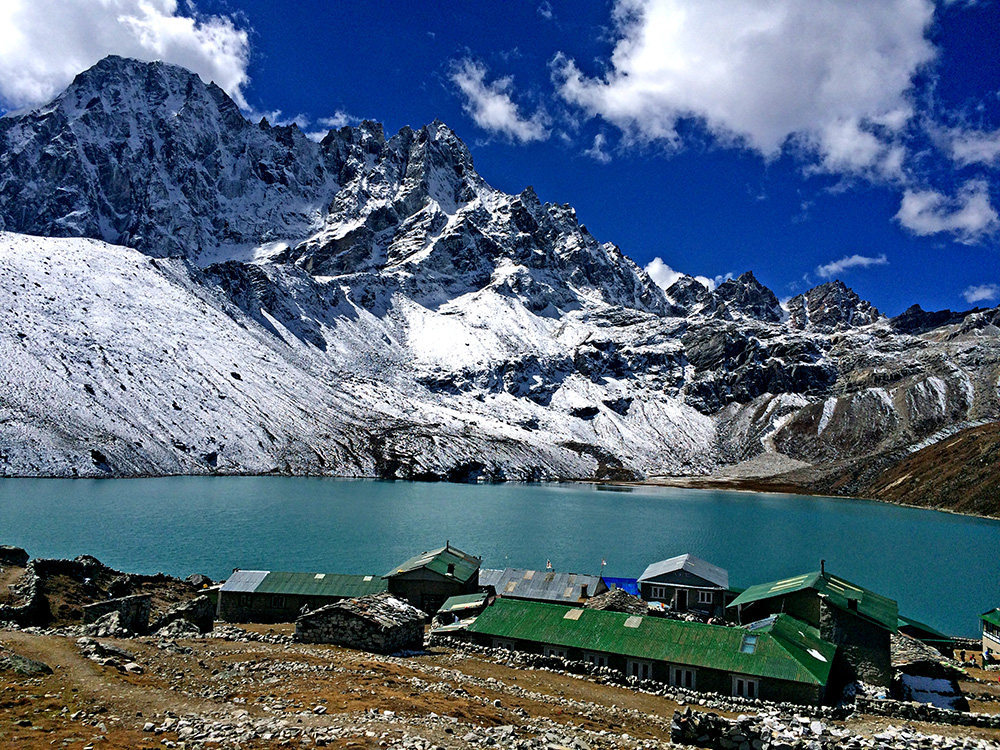
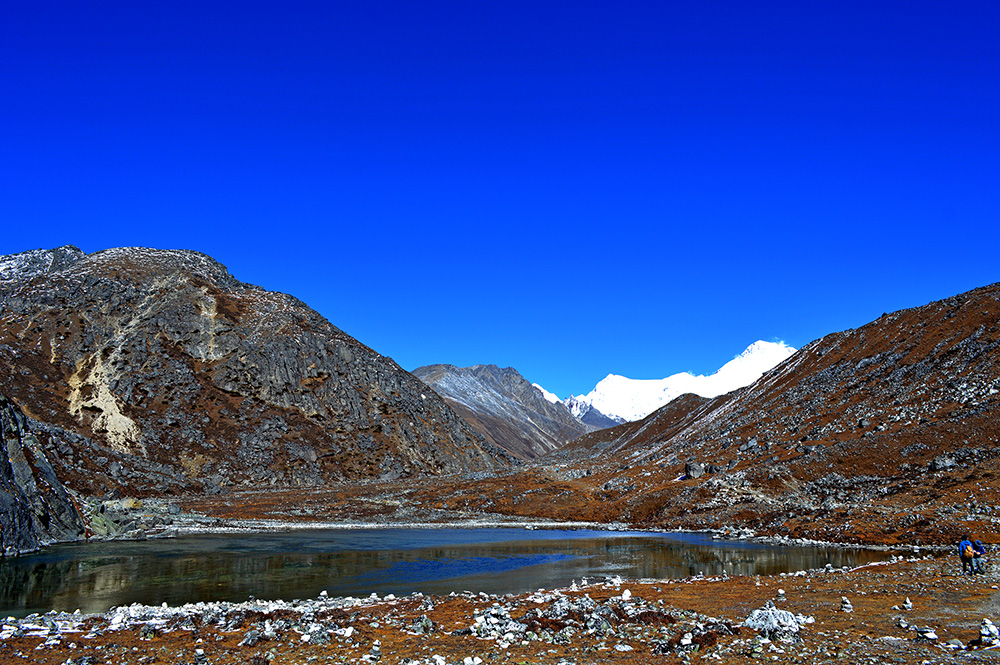
En route, you will encounter the pristine beauty of the first and second lakes before arriving at the third lake. Nestled by the third lake rests Gokyo village, set against the awe-inspiring backdrop of Gokyo Peak. The trek promises a blend of natural beauty and panoramic vistas, making it a memorable leg of the journey. Overnight in Gokyo.
Altitude:
4760m
Duration:
4-5hrs
Tea House
Exploration day In Gokyo
Hiking up to Gokyo Ri at an altitude of 5,340 meters is an extraordinary adventure that offers panoramic vistas of some of the world’s tallest peaks such as Mount Everest, Makalu, Cho Oyu, Lhotse, Pumori, Nuptse, and others.
Begin your hike early in the morning to make the most of the daylight and to witness the sunrise over the Himalayas. Once at the summit of Gokyo Ri, take your time to absorb the incredible vistas. The view of the mountains and the surrounding Gokyo Valley is truly captivating.
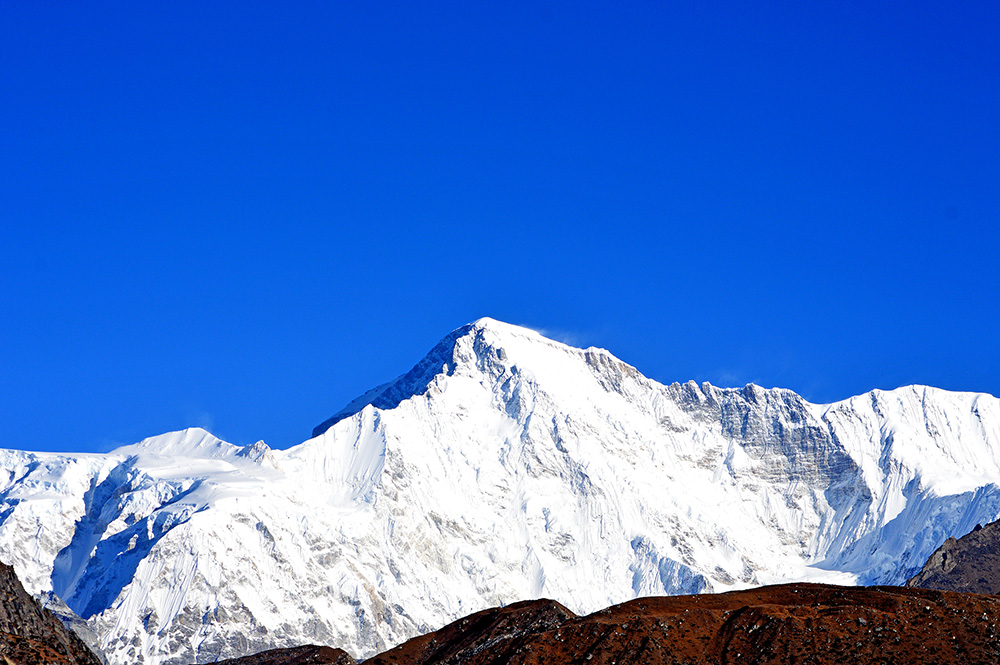
You will get unobstructed views of four of the highest peaks Mt Everest (8,848m), Cho Oyu (8,210m), Lhotse (8,516m), and Makalu (8,463m). Soak in the beauty, and appreciate the natural magnificence of the Himalayas before descending to your lodge at Gokyo.
After lunch, depending on your energy levels and available time, you can take a walk around the 4th or 5th Gokyo Lakes. These locations provide different vantage points and perspectives of the surrounding mountains. Overnight in Gokyo.
Altitude:
Gokyo Ri at 5357m
Duration:
6-7hrs in total
Tea House
Trek from Gokyo to Dole
Today’s hike goes alongside the Dudh Koshi river, with the breathtaking views of the Gokyo Lakes and the towering peaks of Taboche and Cholatse. Along this trail lie several charming villages, such as Machhermo, Lhabarma, and Luza, each offering a distinct peek into the rich local culture and Sherpa way of life. These villages also provide opportunities to rest, enjoy local hospitality, and learn about the traditions of the region. Overnight in Dole.
Altitude:
4040m
Duration:
6-7hrs, Approx. 14kms
Tea House
Trek from Dole to Namche
Descending from Dole, you will navigate a steep pathway that winds through picturesque forests adorned with rhododendron and pine trees to Phortse Thenga. Phortse Thenga situated on a river valley offers a perfect and scenic spot for a well-deserved rest.
Continuing onward from Phortse Tenga, the trail gradually ascends towards Mongla, presenting panoramic vistas of the surrounding mountains. Further along, the path descends towards Sanasa, intersecting with the classic Everest trekking route. From Sanasa, the journey follows the iconic Everest route, leading you towards the vibrant and bustling hub of Namche Bazaar. Overnight in Namche Bazaar.
Altitude:
3440m
Duration:
5-6hrs, Approx. 11kms
Tea House
Trek from Namche Bazaar to Lukla
On the final day of your trek, you’ll descend back down to the Dudh Koshi River, retracing your steps through the picturesque landscapes. The journey will take you across numerous suspension bridges, past the villages of Jorsale, Monjo, Bengkar, and Phakding.
The final stretch from Ghat to Lukla presents a challenging, steep climb of approximately 3 kilometers. On arrival at Lukla, you will have the sense of accomplishment of this incredible journey. You’ll have the chance to celebrate this unforgettable experience of your Everest Base Camp Trek. Overnight in Lukla
Altitude:
2860 m
Duration:
7-8 hrs, Approx. 18kms
Tea House
Fly from Lukla to Kathmandu
Today, you will bid goodbye to the stunning Khumbu Valley and take an early morning flight to Kathmandu. Upon arrival at the airport, you will be transferred to your hotel. With the rest of the day at your disposal, you have the opportunity to rest and relax or venture out and explore the local market. Overnight in Kathmandu.
Altitude:
1350m
Duration:
30 min flight
Rest day in Kathmandu
Today has been designated as a contingency day in case the flight from Lukla is canceled due to the unpredictable mountain weather, which unfortunately occurs quite frequently. In the event that everything proceeds as scheduled, you are free to spend this day as you wish. You might opt to go souvenir shopping or, if you prefer, you can request for a additional sightseeing tour of the Kathmandu Valley. Overnight in Kathmandu.
Altitude:
1350m
Departure
Transfer to the airport in time for your departure flight to your next destination.
Cost Information
Cost is based on the number of participants.
Included
- All transfers by private vehicle.
- 4 nights accommodation in 3-4* category hotels in Kathmandu.
- 15 nights’ accommodation in a tea house during the trek with an attached bathroom where possible.
- Only breakfast during the stay in Kathmandu.
- Three standard meals (breakfast/lunch/dinner) with some hot drinks.
- One welcome dinner with a cultural performance in Kathmandu.
- 1 full day guided city tour in Kathmandu.
- English-speaking licensed trekking guide along with a porter (1 porter for every two trekkers).
- Round trip airfare between Kathmandu/Manthali-Lukla-Kathmandu/Manthali.
- 1 hour sauna and steam along with 1 hour massage after the completion of the trek.
- First aid kit, duffel bag, and trekking map.
- Trekking staff accommodation, wages, meals, trekking gears, and insurance.
- All necessary paperwork and permits for the trek (TIMS/National Park Fee/Rural Municipal Fee).
- All government tax and service charges.
Not included
- Nepal Visa.
- International airfare.
- Meals other than listed (lunch and dinner in Kathmandu).
- Personal expenses (laundry, telephone, bar, beverages).
- Bottled/boiled water, battery recharge, Wi-Fi and hot showers during the trek.
- Tips and gratuities to Guide, Porter and driver.
- Travel medical insurance covering rescue and emergency evacuation.
- Personal trekking gears and equipment’s.
- Trip cancellation cost due to your health, weather condition, political situation, and any other unforeseen events.
- Any other expenses other than the listed above.
Guides
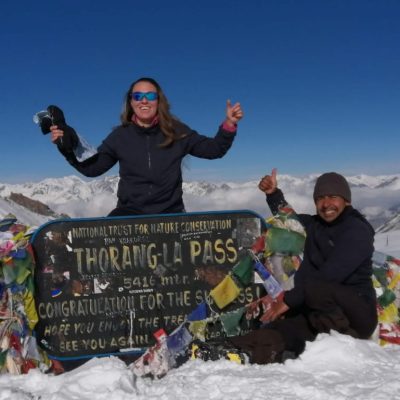
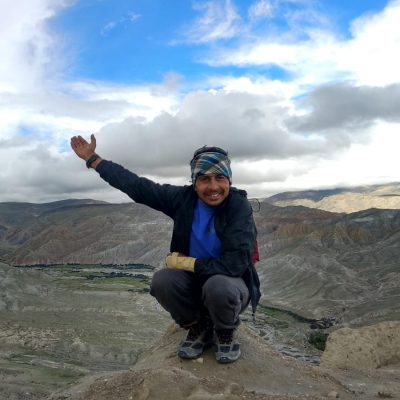
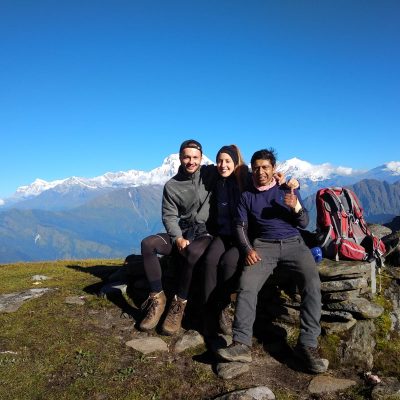
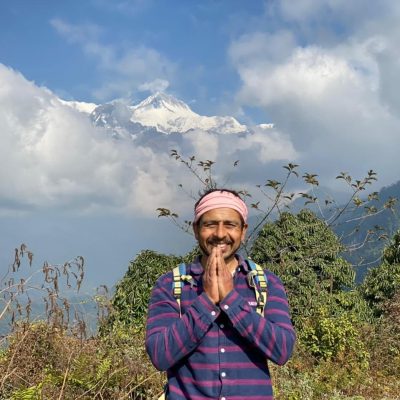
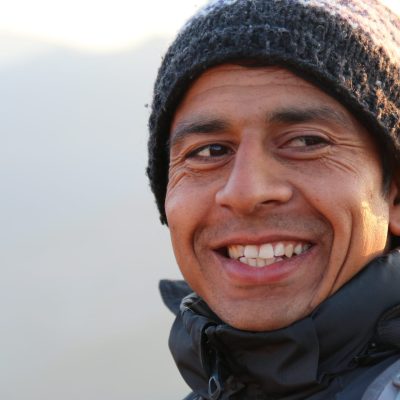
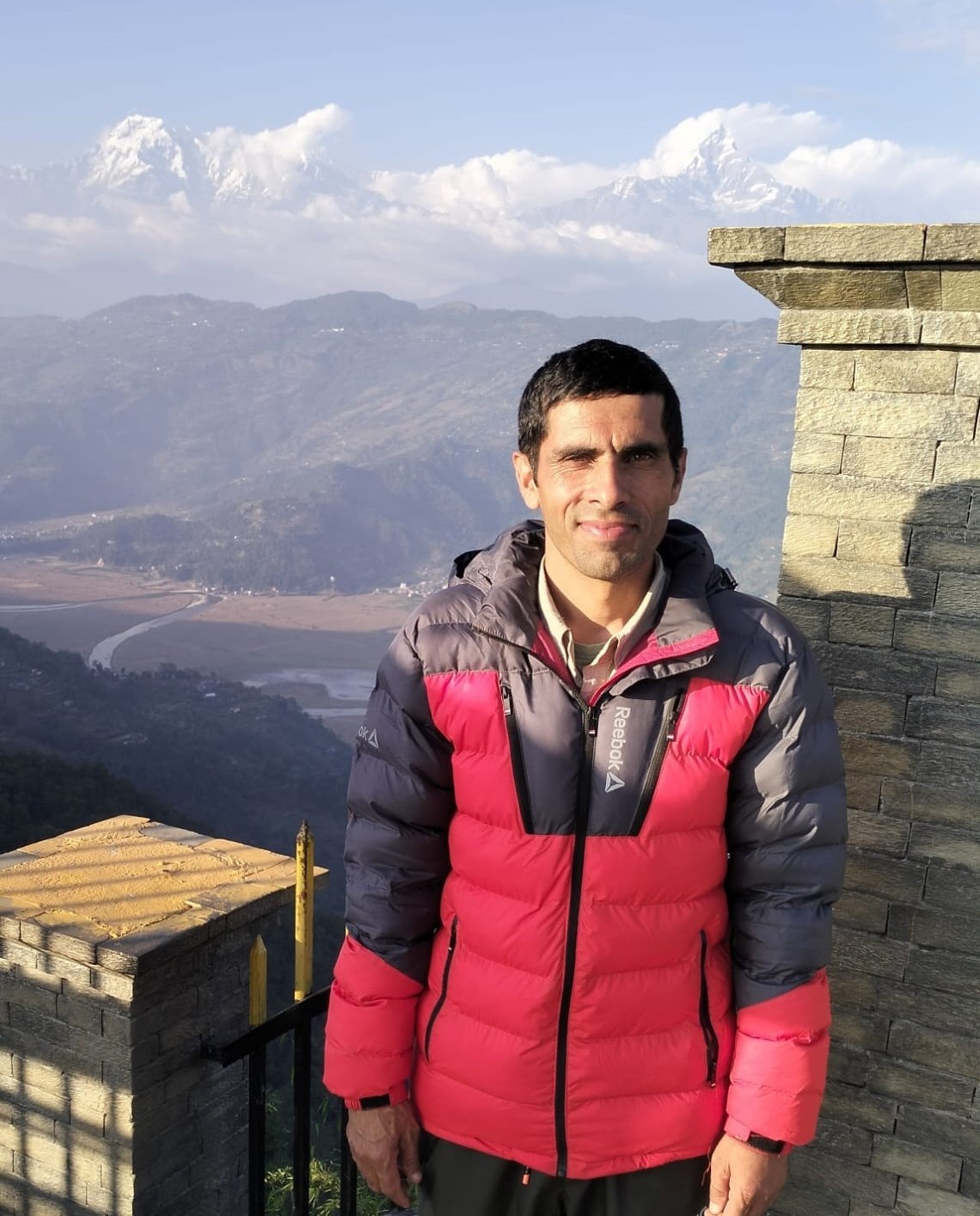
Hem Raj Bastola

Hem Raj Bastola is a permanent inhabitant of Pokhara-22, a rural area in the outskirts of Pokhara. He has been working as a tour and trekking guide since 2010. Formerly he has worked as a guest service agent in a hotel in Pokara. He started his career as a Cave guide, ticket salesman at Gupteshwor Mahadev Cave in Pokhara. So most of his working experience is related to tourism and hospitality industry. Beside his guiding profession, he enjoys reading and writing poetry. His poets have been published in different forums and medias. When he is not Guiding , he is a full time farmer; raising cows, goats and farming with his wife and two children.
Having done all the treks in Annapurna region, upper Mustang and Manaslu area over many times, he is our expert in the area. He is extremely patient, empathetic and joyful person is what each our guests say !
Shiva Prasad Acharya

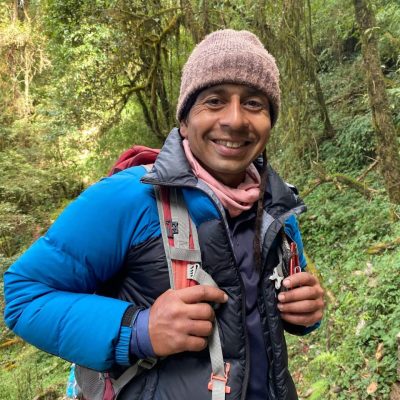
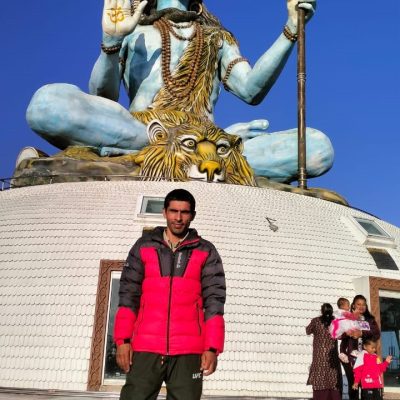
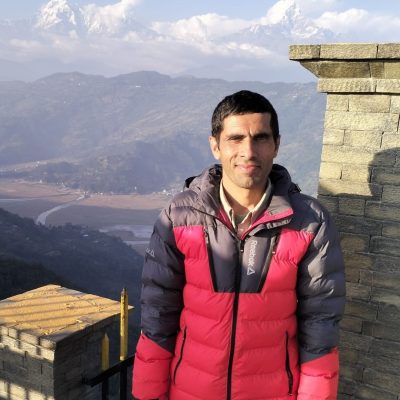
Shiva Prasad Acharya leads a fulfilling life by intertwining his passions for nature, adventure, and family. Transitioning from the health sector to becoming a trekking guide reflects his pursuit of a profession allowing immersion in natural beauty while sharing that passion with others.
His commitment to nature extends beyond his profession to his personal life, evident in his dedication to farming and animal husbandry. Tending vegetables, paddy fields, and raising buffaloes likely offers him fulfillment and a profound connection to the land. He resides in Kasipira, near Pokhara, with his wife and two sons.
Shiva Prasad extensively travels to regions like Upper Mustang, Annapurna, Everest, Langtang, and Manaslu, gaining insights into local cultures, traditions, and natural beauty. His strong passion for sharing Nepal’s heritage highlights his desire to promote local culture and raise awareness. His invaluable traits—flexibility, knowledge, and patience—would undoubtedly enrich the experiences of travelers alongside him.
His proficiency in English, French, and Hindi widens his accessibility, enabling him to connect with travelers from diverse backgrounds worldwide.
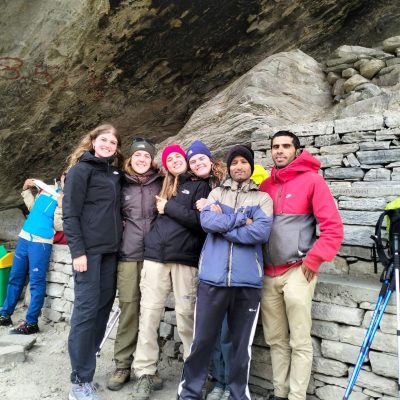
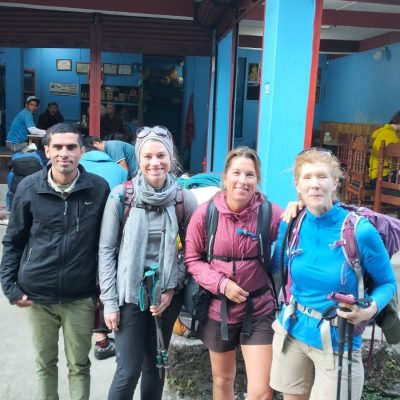

Kumar Parajuli

In his early days, Kumar had to walk for hours to reach his school, passing through small villages, hills, and rivers with beautiful views of snow-capped mountains along the way. This sparked his curiosity about the rest of the country and its culture, leading him to develop a strong interest in learning about new places and meeting new people.
After he completed high school, he started his career as a trekking guide due to his passion for nature, culture, and adventure. Over the course of time, he has received extensive training in mountain safety, trekking, and cultural guiding. Kumar has led several groups on treks to popular regions like Annapurna, Everest, and Langtang, showcasing his expertise as a trekking guide. Furthermore, he is equally well-versed in the cultural attractions of Nepal, serving as a cultural guide as well.
Joining Wind Horse Tours as a Nepal partner was a significant milestone in his career. Kumar believes that working as a guide not only allows him to explore the beauty of Nepal but also provides ample opportunities to immerse himself in the diverse cultures of the country. In his leisure time, he enjoys hanging out with friends and continuing his explorations. He is excited about the prospect of traveling and discovering new places beyond Nepal in the future.
Trip Photos
FAQs
- What is the Everest Base Camp Trek with Gokyo via Cho La Pass?
The Everest Base Camp Trek with Gokyo via Cho La Pass is an extended and more adventurous variation of the classic Everest Base Camp route. Rather than simply following the standard trail to base camp and returning the same way, this itinerary forms a spectacular loop that combines two iconic regions of the Khumbu: the Everest Base Camp trail and the serene Gokyo Valley.
One of the major highlights of this trek is crossing the Cho La Pass (5,420 m), a challenging yet rewarding section that links the two valleys. Along the journey, you will experience an incredible diversity of landscapes—lush forests, traditional Sherpa villages, vast glaciers, the famous turquoise Gokyo Lakes, along with some of the best panoramic views in the Himalayas, including Everest, Lhotse, Makalu, and Cho Oyu.
- What is the duration and overview of this trek?
This trek spans 16 days, combining the classic Everest Base Camp trail with a high-altitude detour into Gokyo Valley via Cho La Pass (5,420 m).
It includes acclimatization days at Namche Bazaar and Dingboche, a sunrise ascent of Kala Patthar (5,545 m), followed by trekking through the lesser-traveled Gokyo region, across the Ngozumpa Glacier, and returning via Phortse and Namche before flying out of Lukla.
- How challenging is this itinerary?
This itinerary is moderately challenging to strenuous, primarily due to the Cho La Pass crossing at high altitude and the steep ascent to Kala Patthar.
It requires solid physical fitness and mental readiness for remote terrain and sustained elevation gains. - What fitness level is required for this Trek?
This trek demands a high level of physical fitness. Trekkers should be able to hike 6–8 hours daily over varied terrain, often at elevations above 4,000 meters. Strong cardiovascular endurance, leg strength, and stamina are essential. Prior multi-day trekking experience—especially at high altitude is highly recommended.
- What is the highest point reached on this trek?
The highest point is typically Kala Patthar (5,545 m), offering the best close-up views of Mount Everest. The Cho La Pass (5,420 m) is the second-highest point and one of the most physically challenging sections of the trek. These elevations require careful altitude management and gradual ascent.
- Which seasons are best for trekking this route?
The ideal trekking windows are: Spring (March–May) and Autumn (late September–December). During these periods, weather is generally stable, skies are clear, and the Cho La Pass is more reliably crossable.
Early September or late winter treks are possible but come with more unpredictable conditions.
- Can beginners complete this trek?
Yes, with thorough preparation. Many first-time trekkers complete this route successfully.
Your itinerary includes acclimatization rest days and manageable daily hiking segments, with guides helping to manage pace and altitude adjustment.
- What is a typical daily trekking routine?
A standard trekking day follows a consistent and comfortable rhythm:
- Begining the trek after breakfast at around 7:00 am
- Trekking for about 3–4 hours before lunch
- After lunch 2-3 hours of trekking to the next destination
- Evenings are relaxed, spent dining, socializing, or preparing for the next day.
- Is acclimatization included in the itinerary?
Yes, acclimatization is a key part of the itinerary. Dedicated rest days are typically included in places like Namche Bazaar and Dingboche.
These days often include short hikes to higher elevations followed by a return to sleep lower—helping the body adjust to altitude and reducing the risk of altitude sickness.
- Is it possible to book this trek privately?
This trip is available for private independent travelers, allowing you to set your travel dates and customize the itinerary—such as adding rest days or extensions.
You can also form your own group and travel according to your preferred schedule.
- What type of accommodation is provided?
In Kathmandu, we usually arrange comfortable tourist standard boutique hotels and well-rated heritage properties (3-4* category). While during the trek comfortable tea house lodges with basic facilities. Facilities become more basic as altitude increases, but they are generally sufficient and welcoming.
- What are tea houses like?
Tea houses are locally run mountain lodges that provide simple rooms and home-cooked meals. They are the primary form of accommodation in the Everest region and offer a chance to experience local hospitality.
- Are rooms heated?
No rooms are not heated. Heating is available only in the dining area during evenings, typically via a wood or yak-dung stove. Warm sleeping gear is essential.
- What meals are included?
Only breakfast in Kathmandu with the choice of eating at the restaurant of your preference, while all meals (breakfast, lunch, dinner) along with some tea and coffee during the trek.
- What kind of food is available?
A variety of local and international dishes are offered, including:
- Dal bhat (rice, lentils, vegetables)
- Noodles, pasta, fried rice, and potatoes
- Eggs, soups, pancakes, bread, tea, and coffee
- Food options become simpler at higher altitudes.
- Is safe drinking water available?
Yes, but it is usually not included in the package. You can purchase bottled or boiled drinking water along the way, the cost gets more expensive as you climb higher. We recommend you to use water purification tablets and reusable bottles for sustainability.
- What permits are required?
You will require two permits: Sagarmatha National Park entry permit & the Pasang Lhamu Municipal permit
- Is there mobile network coverage?
Mobile coverage is available in lower regions such as Lukla, Phakding or Namche Bazaar but becomes weak or nonexistent at higher elevations.
- Is Wi-Fi available during the trek?
Wi‑Fi is available at many tea houses (for a small fee), and Everest Link data packages can provide internet access. However, reliability diminishes at higher altitudes.
- Can I charge my devices?
Yes, charging facilities are available but usually come at an extra cost. Availability may be limited in remote areas, so carrying a power bank is recommended.
- How serious is altitude sickness on this trek?
Altitude sickness is a major concern due to high elevations. Proper acclimatization, hydration, and gradual ascent are essential to minimizing risks.
- What safety support is provided?
Support typically includes:
- Experienced, licensed trekking guides
- First aid kits and basic medical supplies
- Ongoing health monitoring
- Emergency evacuation coordination if required
- What happens in case of an emergency?
In the event of serious illness or injury:
- The guide evaluates the situation
- Emergency evacuation (often by helicopter) is arranged as per your insurance coverage
- What level of fitness is required?
You should be capable of:
- Walking 6–8 hours per day
- Handling steep, uneven terrain
- Maintaining endurance at high altitude
Training should include cardio, strength, and hiking practice.
- What should travelers pack and prepare for?
Prepare for very cold nights, at high elevations, temperatures can drop to –10 °C or lower. Essential gear includes: Thermal base and mid‑layers, waterproof outer shell and down jacket, sleeping bag, sturdy trekking boots with microspikes (recommended for Cho La Pass), gloves, trekking poles, and a daypack.
To reduce luggage weight, you can also rent high‑altitude gear in Kathmandu or Lukla. - Is travel insurance mandatory?
Yes, travel insurance is mandatory and must include coverage for evacuation up to at least 5,600 m.
In the event of altitude sickness or injury, a helicopter rescue could cost up to USD 6,000 without coverage.
- What additional costs should I expect during the trek?
Additional expenses includes, drinking water (boiled/bottled), hot showers, snacks, beverages, Wifi and charging,
- How much should I carry for extras?
Plan on to carry USD 15-20 per day per person in local currency depending on your spending habit.
- How do I book the trek?
Booking is completed by:
- Submitting a reservation request
- Paying a deposit to confirm your spot
- Paying the remaining balance before arrival or trek departure
- How much does this trek cost?
The cost depends on factors such as the type of accommodation and group size. Typically, the package ranges from USD 1,600 to USD 2,100 per person, depending on the number of participants in the group. This package usually includes:
- Accommodation in Kathmandu (3–4 star category hotel)
- All necessary trekking permits
- Accommodation during the trek in basic tea house lodge
- Three meals per day along with some tea/coffee during the trek
- Domestic flights (Kathmandu–Lukla–Kathmandu)
- Guide and porter services
Additional personal expenses such as drinks, snacks, hot showers, charging devices, and travel insurance are typically not included.
- Do you accept cash payment on arrival?
Yes, the remaining balance can be paid in cash upon arrival in Kathmandu. We accept major currencies including USD, GBP, EUR, AUD, etc.
Overview
Trip Type
Trekking
Activities Included
Accommodation
Local village tea house/lodges during the trek.
Meals
Only breakfast in Kathmandu and full board during the trek
Route
Kathmandu-Lukla-Phakding-Namche-Tengboche-Dingboche-Lobuche-Gorakshep-Dzongla-Thangnak-Gokyo-Dole-Namche-Lukla-Kathmandu
 Max Group Size
Private Group
Best Seasons
Spring (March - May) and Fall (Sept -Nov)
Best Months
March, April, May, October, November
Good Months
September
Lean Months
June, July, August
Not Recommended Months
January, February, December
Max Group Size
Private Group
Best Seasons
Spring (March - May) and Fall (Sept -Nov)
Best Months
March, April, May, October, November
Good Months
September
Lean Months
June, July, August
Not Recommended Months
January, February, December Route Map