

 +1 612 869 4949

Langtang Gosainkunda Trek
Journey into Alpine Beauty and Spiritual Tradition
-

Duration
13 Days -
 Trekking
 -
Moderate

 Overview
 Costs
Costs Included
 Itinerary
 Tour Leader
 Trip Photos
Langtang Gosainkunda Trek: Where Majestic Peaks Meet Sacred Lakes
The Langtang Gosainkunda Trek takes you through breathtaking landscapes in Nepal’s Langtang region, where majestic mountains, lush forests, ancient cultures, and sacred lakes create a tapestry of timeless beauty. The Langtang Gosainkunda Trek offers immersive experiences in alpine meadows, yak herder camps, Buddhist monasteries, and dramatic Himalayan panoramas.
The Langtang Gosainkunda trek traverses Langtang National Park, where lush rhododendron and oak forests give way to subalpine and alpine zones, supporting a rich biodiversity that includes endangered species such as red pandas, Himalayan black bears, snow leopards, musk deer, Himalayan tahr, and over 200 bird species.
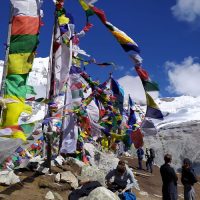
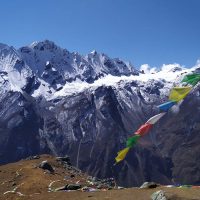
Winding through traditional Tamang and Sherpa villages, the trail brings vibrant Tibetan-Buddhist culture to life through mani walls, prayer flags, chortens, and centuries-old monasteries, with spectacular view of the himalayas all along the way.
Your journey begins with a scenic drive north from Kathmandu to Syabrubesi, a gateway village nestled at the edge of Langtang National Park amid pine and fir forests—a serene launchpad for the trekking adventure.
From Syabrubesi, the trail meanders to Sherpagoan via Khanjim, before descending to Rimche and rejoining the main path at Bamboo. Alongside the Langtang River, the lush forest opens into sweeping alpine meadows dotted with yak pastures. The route culminates at Kyanjin Gompa, a charming monastic enclave surrounded by soaring peaks.
Summit Highlights
- Kyanjin Ri (4,773 m): Popularly known as the “Kalapathar of Langtang,” Kyanjin Ri rewards trekkers with panoramic Himalayan vistas.
- Tserko Ri Ascent (4,950 m): A challenging ascent to Tserko Ri offers a breathtaking 360° sweep of snow-covered ridges, glaciated valleys, and Himalayan grandeur.
Return journey via Gosainkunda: A Spiritual Detour
Retrace your steps through Thangsyap, Ghoda Tabela, Lama Hotel and then branch off at Rimche towards Bamboo and Pairo. From Pairo, ascend to Thulo Syabru and climb to Lauribina La Pass (4,610 m), rewarded with sweeping mountain vistas and vibrant alpine blooms.
The trail then leads to Gosainkunda, a sacred high-altitude lake nestled amid silent peaks and spruce forests. Legend says Lord Shiva created it. Crystal-clear waters and spiritual lore make this an iconic pilgrimage destination—especially during Janai Purnima, when thousands gather to bathe in the icy waters, affirming Gosainkunda’s enduring cultural and religious importance.
Langtang Gosainkunda trek Highlights
- UNESCO Heritage Sites: Explore iconic World Heritage Sites like Kathmandu & Patan Durbar Squares, Swayambhunath, Boudhanath, Pashupatinath, and before setting off
- Scenic mountain drive: Enjoy a winding, picturesque journey from Kathmandu to Syabrubesi, setting the stage for your trek.
- Off-the-beaten-path trekking: Walk less-crowded trails across remote terrain, immersing yourself deeply in nature.
- Diverse Terrain: From verdant forests and remote villages to high altitude passes and sacred lakes.
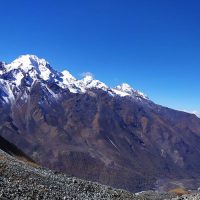
- Stunning Himalayan Views: Towering peaks such as Langtang Lirung, Ganesh Himal, Dorje Lakpa, and Tserko Ri dominate the skyline.
- Cultural Immersion: Meet Tamang and Sherpa communities, explore traditional villages, and learn age-old customs.
- Spiritual Essence: Discover Gosainkunda, a holy lake revered by Hindus and Buddhists, and witness the vibrant Janai Purnima pilgrimage.
- Holy Gosainkunda Lake: Visit the sacred alpine lake, believed to have been formed by Lord Shiva and renowned for its spiritual significance.
Who is this trek for?
This trek offers a moderate challenge, ideal for beginners with a solid fitness base and for experienced hikers seeking new heights and cultural insight. Uneven terrain and altitude demand preparation, but established trails and comfortable lodgings ensure a secure and rewarding experience.
Langtang Gosainkunda Trek Outline Itinerary
Day 1: Arrival in Kathmandu
Day 2: In Kathmandu (Sightseeing and preparation)
Day 3: Drive from Kathmandu to Khanjim via Syabrubesi-Trek to Sherpa goan
Day 4: Trek from Sherpagaon to Thangshyap
Day 5: Trek from Thangshyap to Kyanjin Gompa
Day 6: Kyanjin Gompa Exproration day
Day 7: Trek from Kyanjin to Lama Hotel
Day 8: Trek from Lama Hotel to Thulo Syabru
Day 9: Trek from Thulo Syabru to Sing Gompa
Day 10: Trek from Sing Gompa to Gosainkunda
Day 11: Trek from Gosainkunda to Dhunche
Day 12: Drive from Dhunche to Kathmandu
Day 13: Departure
Overview
Trip Type
Trekking
 Activities Included
 Accommodation
3-4* category hotels in Kathmandu and local village tea house during the trek
Accommodation
3-4* category hotels in Kathmandu and local village tea house during the trek
 Meal
Only breakfast in Kathmandu, all meals during the trek along with tea/coffee.
Meal
Only breakfast in Kathmandu, all meals during the trek along with tea/coffee.
 Best Seasons
Best during spring and autumn
Best Seasons
Best during spring and autumn
 Route
Kathmandu-Sherpagaon-Thangshyap-Kyanjin Gompa-Thangshyap-Bamboo-Thulo Syabru-Sing Gompa-Gosainkunda-Dhunche-Kathmandu
Route
Kathmandu-Sherpagaon-Thangshyap-Kyanjin Gompa-Thangshyap-Bamboo-Thulo Syabru-Sing Gompa-Gosainkunda-Dhunche-Kathmandu
 Best Months
March, April, May, October, November
Best Months
March, April, May, October, November  Good Months
February, September
Good Months
February, September  Lean Months
January, June, July, August, December
Lean Months
January, June, July, August, December Detailed Itinerary
Expand AllArrival in Kathmandu
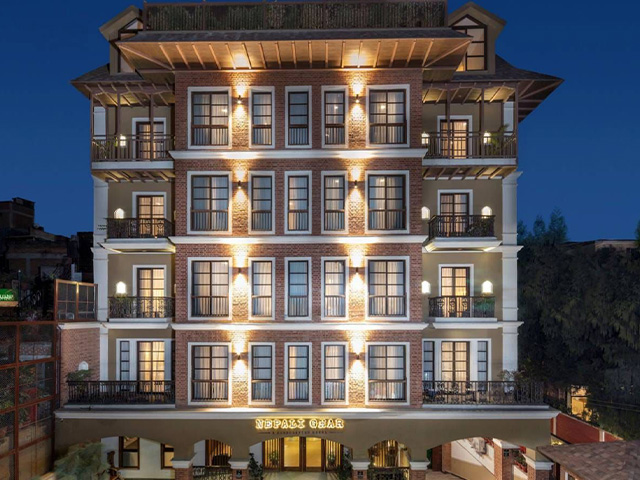
Upon your arrival at Kathmandu airport, a Wind Horse representative will meet and greet you, and transfer you to your hotel. No activities are planned for this day, so you will have the rest of the day at your leisure until the evening.
Later in the evening, your trip guide will meet you and present you with a brief orientation about the trek. After the briefing, you will enjoy dinner at a traditional Nepalese restaurant with a cultural performance. Overnight in Kathmandu.

 Altitude:
1350m
Altitude:
1350m
Kathmandu Sightseeing
Kathmandu Durbar Square is one of the three Durbar (palace) squares in Kathmandu valley. Kathmandu Durbar Square is rich with its intricate wood carving and its history. Also known as the “Musuem of Temples” there are over 50 temples in the square. You will explore the area around the former palace of the kings of Nepal, viewing various temples and monuments.
Following the visit, you will drive to Boudanath Stupa. Boudanath Stupa is one of the largest Buddhist stupa in Nepal and also a World Heritage Site. Boudanath signifies peace and tranquility, and is a Centre of religious and spiritual significance. You will see thousands of pilgrims circumambulating the stupa, you will circumambulate with pilgrims and visit the surrounding monasteries.
Afterward, you will proceed to Pashupatinath Temple. The Pashupatinath temple is situated on the banks of the Bagmati river and is one of the most revered Hindu temple in Nepal. The main temple complex is not accessible to non-Hindus, but you can explore around the periphery of the temple complex which is quite impressive. Overnight in Kathmandu.
 Altitude:
1350m
Altitude:
1350m
 Duration:
5-6hrs
Duration:
5-6hrs
Drive from Kathmandu to Khangjim via Syabrubesi - Trek to Sherpagoan
Begin your journey early from Kathmandu, heading north on a winding mountain road. You’ll pass through towns such as Trishuli Bazaar and Dhunche before arriving at Syabrubesi—the traditional gateway to the Langtang Valley.
After a short break in Syabrubesi, continue along a rough, sometimes bumpy, dirt road that follows the Trishuli River northward. Eventually, you’ll leave the main highway and begin ascending through pine forests, reaching the road end at Khangjim.
From Khangjim, the trek to Sherpa goan begins. First, you’ll climb steadily to a ridge, followed by a gentle descent into this charming settlement, where you’ll spend the night. Overnight in Sherpa goan.
 Altitude:
2600m
Duration:
7-8hrs drive/1hr trek
Altitude:
2600m
Duration:
7-8hrs drive/1hr trek
 Tea House
Trek from Sherpagaon to Thangshyap
Today you begin your trek with a descent over a narrow undulating trail around the hillside that goes towards Rimche, where you will join the main Langtang Valley Trek trail coming up from Bamboo. From Rimche the ascent is mostly gradual with a few steeper section past thick forest along the Langtang river towards Lama Hotel.
From Lama Hotel, the trail climbs up and then descends towards riverside hotel. The hike goes along the Langtang river through beautiful forest until you arrive at an iron bridge over the Langtang river. After crossing over the suspension bridge, it is a short ascent past beautiful forest to the picturesque pasture of Ghoda Tabela, where you will come across grazing yaks against the stunning backdrop of the Himalayas.
Continuing on along the ascending path, you will eventually arrive at Thangsyap, a delightful village nestled amidst the mountains. Overnight in Thangshyap.
Altitude:
3190m
Duration:
5-6hrs, Approx. 11kms
Tea House
Trek from Thangshyap to Kyanjin Gompa
From Thangsyap, the trek unfolds through a picturesque landscape. The hike is fairly a gentle uphill climb and then a flat walk up a open valley, you will notice the vegetation changes from dense forest to scattered bushes with the imposing mountains on each side. You will get the good views of the langtang ranges.
After passing the Chyamki and Gumba Danda, you will come across an expansive landside area that carried away most of the Langtang village during the 2015 Nepal earthquake. After crossing the landslide area you will come across a number of Mani walls and finally arrive at Langtang village.
Leaving Langtang behind, it is short steep climb until the school and beyond, and then a gradual ascent until the tea village of Mundu and Sindum. After Mundu the trail goes across the hillside past thorny bushes, huge rocks and pastures. After about 3hrs, you will come across some water run prayer wheels and two chortens set on on a small hillock. You will come across two paths, both leads to Kyanjin Gompa. The left one goes past the local hydro electric station over stone steps and arrive at a suspension bridge.
After crossing over the suspension bridge, a short steep climb will bring you to the outskirts of the village. With the view of the Kyanjin village painted in different colors. Kyanjin Gompa is a beautiful village with view of majestic peaks, such as Ganchenpo, Langtang Lirung, Langshisa, Dorje Lhakpa, Yala Peak, and others, offering a breathtaking panorama of the Himalayan landscape. Overnight in Kyanjin Gompa.
Altitude:
3850m at Kyanjin Gompa
Duration:
5-6hrs
Tea House
In Kyanjin Gompa-Exploration day
Today is designated as an exploration day in Kyanjin Gompa. You have the option to explore either Kyanjin Ri or Tserko Ri. If you choose to hike to Tserko Ri, be prepared for a challenging day. You will start early in the morning, before dawn. From Kyanjin Gompa, you will ascend over 1100 meters to reach the viewpoint of Tserko Ri, which takes about 5-7 hours round trip.
Initially, the trail begins with a short flat section that goes beneath Kyanjin Ri down to a stream. You will cross over the stream and then climb a switchback trail onto a hill leading to the ridge. After this point, it is a steep climb past yak herders’ camps over rocky terrain. The hike can be quite challenging due to the steep uphill climb, but the reward at the top makes the effort worthwhile.
The summit of Tserko Ri provides exceptional 360-degree views of the surrounding mountains, including Langtang Lirung, Langtang II, Yala Peak, Gangchenpo, and the entire Langtang Valley. After enjoying the natural beauty and tranquility from the summit, you will descend back to Kyanjin Gompa. Overnight in Kyanjin Gompa.
Altitude:
4950m at Tserko Ri
Duration:
6-7hrs
Tea House
Trek from Kyanjin Gompa to Lama Hotel
This morning if you wish you have the option to hike to the viewpoint of Kyanjin Ri before making the return journey. The trail begins at the northern edge of the village, it is a steep uphill zigzagg climb up to the lower view point and then to the upper view point, it takes 3-4 hrs round trip. This vantage point provides panoramic views of the entire Langtang Valley, the Langtang glacial lake, and the surrounding snowy peaks.
After enjoying the views, you will return back to Kyanjin Gompa for breakfast. After breakfast, you will retrace back the same route you took earlier past the villages of Sindum, Mundu, Langtang, Chyamki, Thangshyap, Ghoda Tabela and finally to Lama Hotel where you will stay for the night. Overnight in Lama Hotel.
Altitude:
2480m
Duration:
5-6hrs
Tea House
Trek from Lama Hotel to Thulo Syabru
From Lama Hotel, the trail winds through forests and past villages, once again offering you an opportunity to enjoy yourself in the natural beauty along the way. At Rimche, instead of taking the route towards Sherpagaon, you will take a different route towards the tea house village of Bamboo and Pairo.
As you continue from Pairo, you will arrive at a juncture with a sign post, you will take to the left instead of taking the right towards Domen. From the juncture it is a steep gradual climb until you arrive at a tea shop. Beyond this the trail is mostly flat walk over a gently undulating trail and then you will descend steeply downhill and cross over a suspension bridge. After crossing the bridge the trail descends briefly and then ascends steeply until you arrive at the village of Thulo Syabru. Overnight in Thulo Syabru.
Altitude:
2220m
Duration:
6-7hrs
Tea house
Trek from Thulo Syabru to Sing Gompa
Leaving Thulo Syabru the trail turns to the right, you will ascend steeply uphill through forests of oak, hemlock, and rhododendron across pasture lands to the ridge at Phoprang danda in about 3 hours . And from here, the trail goes across a narrow hilltop to Sing Gompa, with its picturesque setting and impressive views. Overnight in Sing Gompa.
Altitude:
3330m
Duration:
5-6hrs
Tea House
Trek from Sing Gompa to Gosainkunda
The trail ascends gently up on a desolated mountain trail towards Cholangpati, with good views of the west Himalchuli, Langtang Himal, Manaslu range, Ganesh Himal range, and other peaks. From Cholangpati, the trail gently climbs up until you arrive at Lauribina Pass.
After a short break at Lauribina Pass, you will continue until you reach a small ridge, from there you will have the first views of the holy lakes. There are about a dozen lakes in the Gosaikunda basin: Saraswatikunda, Bhairavkunda, and Gosainkunda are the prominent ones. Thousands of Hindu pilgrims visit this site during the Janai Purnima festival in August. Overnight in Gosainkunda.
Altitude:
4380m
Duration:
5-6hrs
Tea House
Trek from Gosainkunda to Dhunche
After breakfast, you will retrace your steps to Dhunche. The trail ascends until the ridge and descends to Sing Gompa across the Lauribana Pass. From Sing Gompa, you will take a different route past Deurali and descend down to Dhunche Bazaar. The hike is mostly downhill through forest of pine, oak, and rhododendron. Overnight in Dhunche Bazaar.
Here onwards you also have the option to continue on towards Sundarijal or Helambu as per the below itineraries:
Langtang Gosainkunda Sundarijal Trek
Day 11. Trek to Tharepati
Day 12. Trek to Kutumsang
Day 13. Trek to Chisapani
Day 14. Trek to Sundarijal-Drive to Kathmandu
Langtang Gosainkunda Helambu Trek
Day 11. Trek to Ghopte
Day 12. Trek to Melamchigaon
Day 13. Trek to Tarkeyghyang
Day 14. Trek to Shermathang
Day 15. Trek to Melamchi Bazaar-Drive to Kathmandu
Altitude:
2030m
Duration:
7-8hrs
Tea House
Drive from Dhunche to Kathmandu
From Dhunche, you will retrace your drive back to Kathmandu in a private vehicle. On arrival in Kathmandu you will check into your designated hotel and the rest of the afternoon is free. Overnight in Kathmandu.
Altitude:
1350m
Duration:
6-7hrs
Departure
Transfer to the airport for your departure flight.
Cost Information
Included
- All transfers by private vehicle.
- Sightseeing with entrance fee accompanied by a local guide as per itinerary.
- Transfer from Kathmandu-Sherpagaon-Dhunche-Kathmandu in a private jeep.
- Accommodation in the above listed or similar hotels in Kathmandu and in tea house lodges during the trek.
- Only breakfast during the stay in Kathmandu.
- One welcome/farewell dinner in Kathmandu.
- All meals including hot drinks during the trek.
- English-speaking guide along with a porter(one porter for every two pax) during the trek.
- Guide, porter, and trekking staff insurance.
- All necessary paperwork and permit (TIMS)
- All Government taxes and service charges.
Not included
- Nepal entry visa.
- International flight to and from Kathmandu.
- Lunch and dinner or any other meal not specified above.
- Personal Travel Medical Insurance.
- Personal expenses include a bar, beverages, tips and gratuities, laundry, telephone, battery recharge, etc.
- Hot showers during the trek.
- Any extra cost incurred due to unforeseen circumstances or early return from the trek.
- All other personal expenses that are not listed in the included section.
Guides
Hemraj is very experienced trip guide who has travelled across this area for over 5 years. He is also humble and kind to other person. He will be the best fit for you.
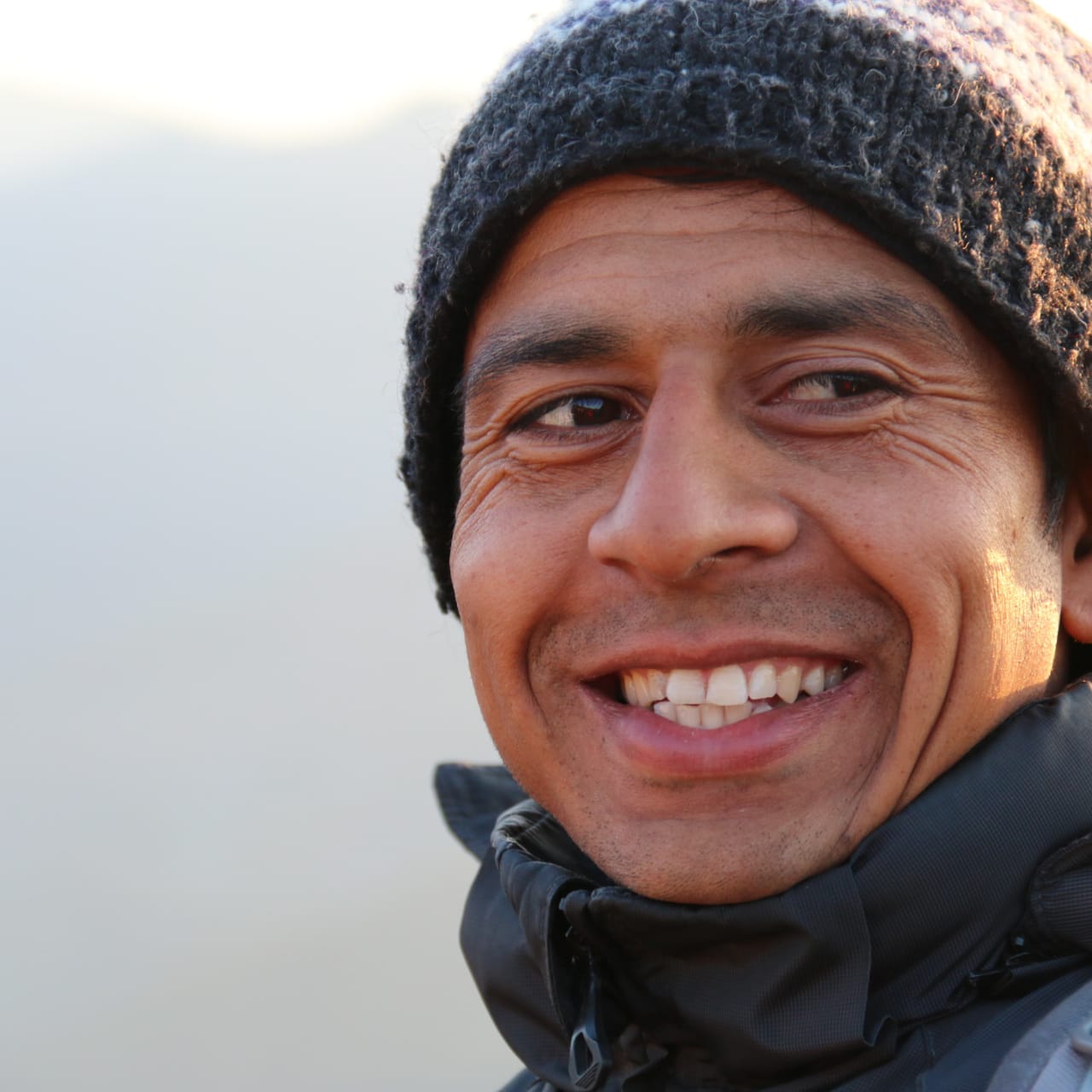
Hem Raj Bastola

Hem Raj Bastola is a permanent inhabitant of Pokhara-22, a rural area in the outskirts of Pokhara. He has been working as a tour and trekking guide since 2010. Formerly he has worked as a guest service agent in a hotel in Pokara. He started his career as a Cave guide, ticket salesman at Gupteshwor Mahadev Cave in Pokhara. So most of his working experience is related to tourism and hospitality industry. Beside his guiding profession, he enjoys reading and writing poetry. His poets have been published in different forums and medias. When he is not Guiding , he is a full time farmer; raising cows, goats and farming with his wife and two children.
Having done all the treks in Annapurna region, upper Mustang and Manaslu area over many times, he is our expert in the area. He is extremely patient, empathetic and joyful person is what each our guests say !
Trip Photos
FAQs
- Where is the Langtang Valley located?
Langtang Valley is situated within Langtang National Park in the Rasuwa District, about 80 km north of Kathmandu. Nestled just south of the Nepal–Tibet border, it offers dramatic Himalayan vistas, glacier views, and access to sacred sites like Gosainkunda Lake
- What makes the Langtang Gosainkunda Trek unique?
The Langtang Gosainkunda Trek is a beautiful and culturally rich Himalayan journey in Nepal that combines two iconic regions: the Langtang Valley and the sacred alpine lakes of Gosainkunda. This trek offers a unique blend of:
- Stunning mountain landscapes
- Lush forests of rhododendron, bamboo, and pine
- Traditional Tamang and Tibetan-influenced villages
- High-altitude sacred lakes with deep religious significance
- How difficult is this trek?
This trek is rated moderate to challenging, the trek entails 5–7 hours of hiking per day with sustained climbs—especially over Lauribina La Pass and optional ascents like Kyanjin Ri or Tserko Ri. Individuals with average fitness can complete it comfortably.
- What is the maximum altitude of the Langtang Gosainkunda Trek?
The highest point of the trek is Tserko Ri (4985 m) and Laurebina Pass (4,610 m).
At this altitude:- Oxygen levels are significantly lower
- Weather conditions can change rapidly
- Snow and strong winds are common
- How many days does the Langtang Gosainkunda Trek take?
The trek typically takes 12–16 days, depending on:
- Your starting and ending points
- Acclimatization schedule
- Side trips (Tserko Ri)
Shorter or longer itineraries can be customized based on your pace and preferences.
- When is the best time to do this trek?
The best to trek in the Langtang region are:
Spring (March–May)
- Clear mountain views
- Blooming rhododendron forests
- Mild temperatures
Autumn (September–November)
- Stable weather
- Excellent visibility
- Crisp air and ideal trekking conditions
Winter trek (Dec-Feb) is possible but cold and snowy, especially at higher elevations, but the trails remain accessible and quiet. While the monsoon season brings heavy rain and landslides and trekking is not recommended.
- Do I need a guide and porter for this trek?
Yes. As per recent regulations in Nepal, foreign trekkers are required to hire a licensed guide. Besides a guide provides:
- Navigation and route planning
- Safety and emergency support
- Cultural insights and local interaction
While porters are optional but recommended.
- Can I trek without permits?
No. Permits are mandatory and checked at multiple points along the route. Trekking without them may result in fines or denial of entry.
- What type accommodation and food’s available?
Accommodations are usually in teahouses/lodges—basic but cozy, with twin-sharing rooms with shared toilets. Meals generally include Nepali dishes like dal bhat (lentil soup with rice), as well as noodles, soups, fried, potatoes, eggs, and other international options.
- Is drinking water available along the route?
You can buy bottled or boiled water (prices increase with altitude) at tea houses along the route. We recommend you use a reusable bottle with purification tablets or a filter (cost effective).
- Is there mobile network coverage?
Yes, mobile networks such as Ncell and Nepal Telecom (NTC) provide coverage in most of the villages along the trail. However, signals can be weak or unavailable in some remote areas.
- Is WiFi available during the trek?
Many teahouses offer Wi-Fi services for a small fee. However, connections can be slow and unreliable, particularly at higher altitudes.
- How much does WiFi cost?
WiFi typically costs around NPR 300–500 per device during your stay, depending on location and altitude.
- What is the best way to stay connected?
The best way to stay connected is to purchase a local SIM card (NTC or NCELL). Both network works fine at the lower region, but NTC has better coverage in higher region, though connectivity may be slow or unavailable sometimes.
- Is altitude sickness a concern?
Yes, altitude sickness is a major concern above 3,000 m, particularly near Laurebina Pass and Gosainkunda.
- How can I prevent altitude sickness?
The best way to prevent altitude sickness is:
- Ascend gradually
- Stay well hydrated
- Take acclimatization days
- Avoid alcohol and smoking
- Listen to your body and guide
- Is travel insurance required?
Comprehensive travel insurance that covers high-altitude trekking, medical emergencies, and evacuation is strongly recommended. This ensures peace of mind in case of unforeseen circumstances.
- Are there medical facilities on the trek?
Basic health posts are available in lower villages. Advanced medical care is limited and serious cases require evacuation to Kathmandu.
- What is the average cost of the trek?
This trek typically costs USD 1000–1,300 per person, depending on duration and level of service.
- How much extra cash should I carry?
We suggest you carry around USD 15–20 per day in Nepali Rupees for personal expenses such as drinks, snacks, Wi-Fi, hot showers, and device charging.
Overview
Trip Type
Trekking
Activities Included
Accommodation
3-4* category hotels in Kathmandu and local village tea house during the trek
Meals
Only breakfast in Kathmandu, all meals during the trek along with tea/coffee.
Route
Kathmandu-Sherpagaon-Thangshyap-Kyanjin Gompa-Thangshyap-Bamboo-Thulo Syabru-Sing Gompa-Gosainkunda-Dhunche-Kathmandu
 Max Group Size
2-5
Best Seasons
Best during spring and autumn
Best Months
March, April, May, October, November
Good Months
February, September
Lean Months
January, June, July, August, December
Max Group Size
2-5
Best Seasons
Best during spring and autumn
Best Months
March, April, May, October, November
Good Months
February, September
Lean Months
January, June, July, August, December