
Explore the Everest Region: Discover Trekking Routes, Travel Options, Best Seasons, and Cultural Highlights
Whether you are seeking a classic Himalayan trekking experience, a more challenging high-altitude adventure, or a comfortable journey enriched by local culture, the Everest Region has something to offer.
Key Highlights Everest Region Trekking
- Majestic Peaks: The Everest Region is dominated by Mount Everest, the world’s highest mountain, and surrounded by other legendary Himalayan peaks, including Lhotse, Nuptse, Ama Dablam, and Cho Oyu. From dramatic mountain panoramas to sunrise views over snow-covered summits, the Khumbu offers some of the most spectacular scenery in the Himalayas.
- Sherpa Culture and Buddhist Heritage: The Khumbu is the heartland of the Sherpa people, whose traditions, hospitality, and mountaineering heritage are closely connected to the region’s identity. Explore traditional villages such as Namche Bazaar, Khumjung, and Pangboche, and visit historic Buddhist monasteries, including Tengboche Monastery.Along the trails, you can discover prayer wheels, mani walls, colorful prayer flags, and centuries-old Buddhist traditions that add a meaningful cultural dimension to the trekking experience.
- Sagarmatha National Park: A UNESCO World Heritage Site, the Park protects a remarkable range of Himalayan ecosystems, from rhododendron and juniper forests to alpine meadows, glaciers, and high-altitude wilderness. And supports wildlife such as Himalayan tahr, musk deer, and the elusive snow leopard.
Popular Everest Trekking Routes
- Everest Base Camp (EBC) Trek: The classic Everest Base Camp Trek typically takes around 12–14 days, depending on the itinerary and acclimatization schedule. The journey usually begins with a flight to Lukla, followed by a trek through Phakding, Namche Bazaar, Tengboche, and Dingboche before reaching Everest Base Camp via Gorak Shep.
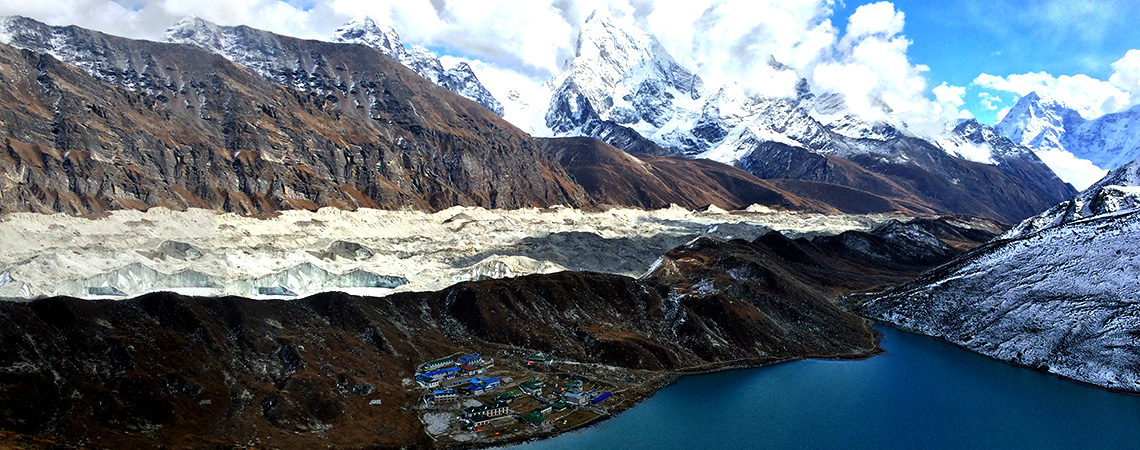
- Gokyo Lakes Trek: The Gokyo Lakes Trek is an excellent alternative to the classic Everest Base Camp route. The trail leads through beautiful Sherpa settlements and glacial landscapes to the striking turquoise lakes of Gokyo.An ascent of Gokyo Ri rewards trekkers with sweeping views of Everest, Lhotse, Makalu, Cho Oyu, and the surrounding peaks. This route is ideal for travelers seeking spectacular mountain scenery and a quieter trekking experience.
- Everest Three High Passes Trek: Designed for experienced and physically fit trekkers, the Three High Passes Trek is one of the most demanding and rewarding adventures in the Khumbu.The route crosses Kongma La, Cho La, and Renjo La, linking the Everest Base Camp area with the Gokyo Valley and offering remote trails, dramatic glaciers, and spectacular high-altitude panoramas.
- Everest Base Camp and Gokyo Lakes via Cho La Pass: This challenging combined itinerary connects the Everest Base Camp trail with the beautiful Gokyo Valley via Cho La Pass (5,420 m)Along the way, trekkers can visit Everest Base Camp, hike to Kala Patthar and Gokyo Ri (5,357 m), and explore the turquoise Gokyo Lakes. It is an excellent choice for adventurous travelers seeking both iconic Everest views and the quieter beauty of the Gokyo region.
Accommodations
Most treks in the Everest Region use local teahouses and trekking lodges, offering a range of accommodation from simple mountain guesthouses to comfortable premium lodges.
Standard teahouses generally provide basic rooms, shared bathroom facilities, and meals served in communal dining areas. Higher-end lodges offer more spacious rooms, attached bathrooms, improved dining facilities, and additional comforts.
Accommodation becomes increasingly basic at higher elevations, where weather, remoteness, and limited infrastructure affect available facilities. Premium lodge options are limited and unavailable beyond Dingboche.
How to get to the Everest Region?
By Air: Flight to Lukla
By Road: Overland via Salleri, Thamdanda, & Surke
Traveling overland is an alternative to flying to Lukla and can be more economical, particularly for groups. However, it usually involves a longer journey and additional trekking days.
A private or shared 4WD journey from Kathmandu to Salleri or Phaplu generally takes around 8–10 hours or longer, depending on road conditions, traffic, and weather. After an overnight stop, travelers may continue toward the trailheads accessible by road, with onward transport depending on the current condition of the roads.
Some itineraries use routes toward Thamdanda, Paiya, or Surke to join the established Everest trekking trails. Road access can be rough and unpredictable, so the exact route should be confirmed before departure.
By Helicopter: Scenic Transfers & time saving option
Helicopter transfers offer a faster and more exclusive way to access parts of the Everest Region. Depending on weather, operational restrictions, and the specific itinerary, flights may connect Kathmandu or Lukla with selected destinations in the Khumbu.
Helicopter services can also be incorporated into trekking itineraries, allowing travelers to shorten certain sections of the journey or enjoy aerial views of the Himalayan landscape.
This option is best suited for travelers with limited time, private groups, and those seeking a more flexible or premium trekking experience.
Best Seasons
- Spring (March to May): Spring brings milder daytime temperatures at lower elevations, blooming rhododendrons along forest trails, and generally favorable trekking conditions. It is a popular season for Everest Base Camp and other high-altitude routes, although afternoon clouds and changing weather are possible.
- Autumn (September to November): Autumn is one of the most popular trekking seasons, particularly October and November. The post-monsoon atmosphere often provides clear mountain views and generally stable conditions, although temperatures drop as winter approaches.
- Winter (December to February): Winter brings freezing temperatures, heavy snowfall, and potentially difficult conditions on high mountain passes. However, clear skies and quieter trails can make winter trekking rewarding for well-prepared travelers. Flexible itineraries, appropriate cold-weather equipment, and careful route planning are essential.
Permit Required for Trekking Everest Region
Khumbu Pasang Lhamu Rural Municipality Entry Permit: Required for trekkers entering the municipality under its regulations.
Acclimatization:
Many Everest trekking routes reach elevations above 5,000 meters, where reduced oxygen availability increases the risk of altitude-related illness. Therefore proper acclimatization is essential for both comfort and safety.
A well-designed itinerary with gradual ascent and appropriate acclimatization days, particularly around Namche Bazaar and Dingboche helps in acclimating. These stops allow trekkers to gain altitude progressively and explore nearby trails before continuing higher.
Ready to Explore the Everest Region?
Whether you dream of standing at Everest Base Camp, gazing across the turquoise Gokyo Lakes, crossing the Three High Passes, or discovering the cultural heritage of the Sherpa people, the Everest Region promises an unforgettable Himalayan adventure.
With its variety of trekking routes, accommodation options, and travel arrangements, the Khumbu can be explored in many different ways, from classic teahouse treks to challenging high-altitude expeditions and more comfortable, tailor-made journeys.
Let Wind Horse Tours help you plan your Everest adventure. Our team can help you choose the right trekking route, design an appropriate acclimatization schedule, arrange transportation and permits, and tailor your itinerary to your available time, interests, and preferred level of comfort.