Windhorse Tours
Travel to Bhutan, Tibet, Nepal & India with experts
Company
About Wind Horse Tours
Our Team
Meet Wind Horse
What our Guests Say
Why choose Wind Horse Tours?
Disclaimer
Contact
Destinations
Bhutan
India
Nepal
Tibet
Sikkim & Darjeeling
Assam & North East
Travel Center
Reservation
News & Updates
Hotels
Attractions, Places & Sights
Read our Blogs !
Customize
FAQ/Support
Contact
Company
About Wind Horse Tours
Our Team
Meet Wind Horse
What our Guests Say
Why choose Wind Horse Tours?
Disclaimer
Contact
Destinations
Bhutan
India
Nepal
Tibet
Sikkim & Darjeeling
Assam & North East
Travel Center
Reservation
News & Updates
Hotels
Attractions, Places & Sights
Read our Blogs !
Customize
FAQ/Support
Contact
Blogs
Home
Blogs
Himalayas: Myth and Realities
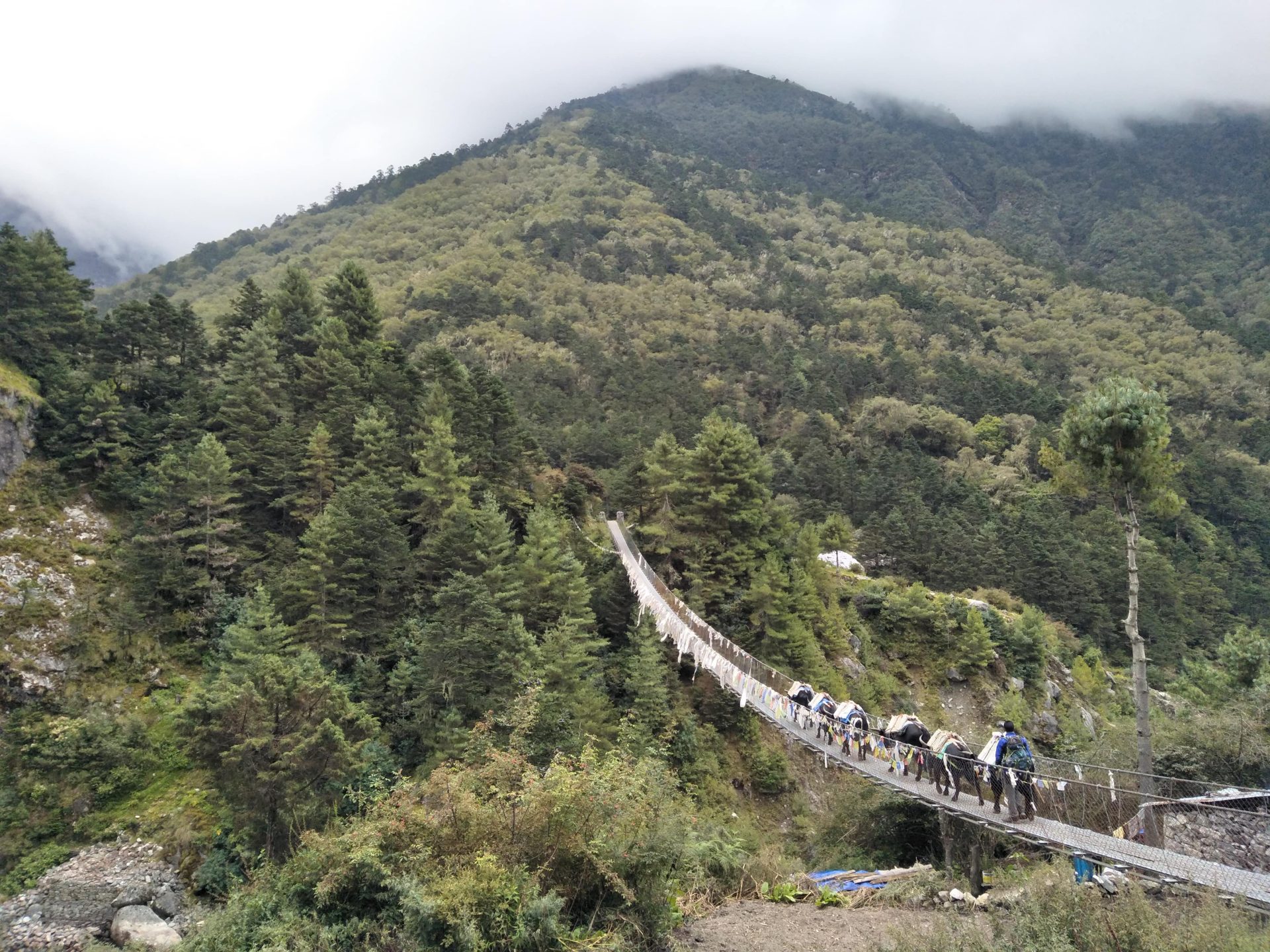
How to get to the Everest Base Camp?
12 May 2024
Heera Lama
Himalayas: Myth and Realities
All you need to know about Everest Base Camp Trek Cost
05 March 2024
Ugen Tshering
Himalayas: Myth and Realities
How long does it take to trek to the Everest base camp?
05 March 2024
Ugen Tshering
Nepal
Spring is coming soon
21 January 2024
Heera Lama
Nepal
Journey of a milkman
16 January 2024
Heera Lama
Nepal
Waxing moon
09 January 2024
Heera Lama
Nepal
Hello everyone!
09 January 2024
Heera Lama
Bhutan
During annapurna circuit trek
09 January 2024
Heera Lama
Nepal
Hello! Everyone from the Himalayas.
03 June 2023
Heera Lama
Travel Journals (Multi Countries)
A Tryst With Sikkim
25 October 2017
Anand Thapa
India
Sandkhaphu Trek – Rendezvous with the Superlative.
15 November 2016
Anand Thapa
Nepal
Checklist for clothing and relevant info for Everest Sherpa Cultural Trek
20 September 2016
Laxman Bhattarai
Bhutan
Snowman Trek Join-In (Seats Available)
11 April 2016
Laxman Bhattarai
Nepal
17 Days in Everest region: Memory of a lifetime
24 November 2015
gwt admin
Nepal
Nepal – Trying to find its feet again aftermath of Earthquake
30 July 2015
Anand Thapa
Wind Horse & Team
Being the traveller ourselves first reloaded (Assam Trip).
14 July 2015
Anand Thapa
Bhutan
Nepal: Nature’s furies and undying spirit to stand tall.
29 April 2015
Anand Thapa
Bhutan
Low Carbon Footprint Product – Bhutan Horse Riding & Ranch.
09 March 2015
Anand Thapa
Bhutan
Druk Air (Flight) updates & Bhutan News & Updates
06 December 2014
Anand Thapa
Bhutan
GUIDELINES FOR TOURIST VISA ON ARRIVAL ENABLED BY ETA FOR INDIA.
05 December 2014
Anand Thapa
Bhutan
Clothing & Gears Guide for Cultural Tours in Bhutan
05 December 2014
Anand Thapa
Bhutan
Training and Preparation for Cultural Tour in Bhutan
02 December 2014
Anand Thapa
Bhutan
Visa Policy of India
27 November 2014
Anand Thapa
Bhutan
Haa & Juniper Ridge trek.
17 September 2014
Anand Thapa
Bhutan
Check List for Clothing & Equipment for Sikkim Trek
16 September 2014
Anand Thapa
India
Checklist for Clothing & Equipment/Gears for Sandakhphu Trek (Darjeeling)
15 September 2014
Anand Thapa
Bhutan
Check list for Clothing & Equipment/Gears for Snowman Trek (Bhutan)
13 September 2014
Anand Thapa
Bhutan
Merak & Sakten Trek Yeti Trail (Group Journey) Oct 21 to Nov 07, 2014
02 September 2014
Anand Thapa
Bhutan
The Tango Murals-Michelangelos of Asia
29 August 2014
Anand Thapa
Bhutan
Tashi Tagye: the eight auspicious signs.
23 August 2014
Anand Thapa
Bhutan
The National Flower of Bhutan – Blue Poppy
07 August 2014
Anand Thapa
Bhutan
The Airport Trap (Bangkok, Thailand)
31 July 2014
Anand Thapa
Bhutan
Happiness isn’t just a state of mind; it’s a place on earth BY BRYAN FERNANDE
30 July 2014
Anand Thapa
Bhutan
It’s all about Haa
22 July 2014
Anand Thapa
Bhutan
Small Group Journeys of Wind Horse Tours & Treks
04 July 2014
Anand Thapa
Bhutan
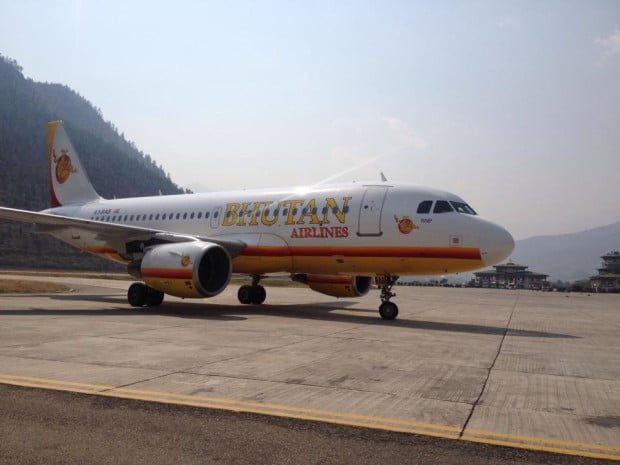
Another feather in the cap for Bhutan Airlines
02 June 2014
Anand Thapa
1
2
Next
View
0 Trip(s) on shortlist


 Heera Lama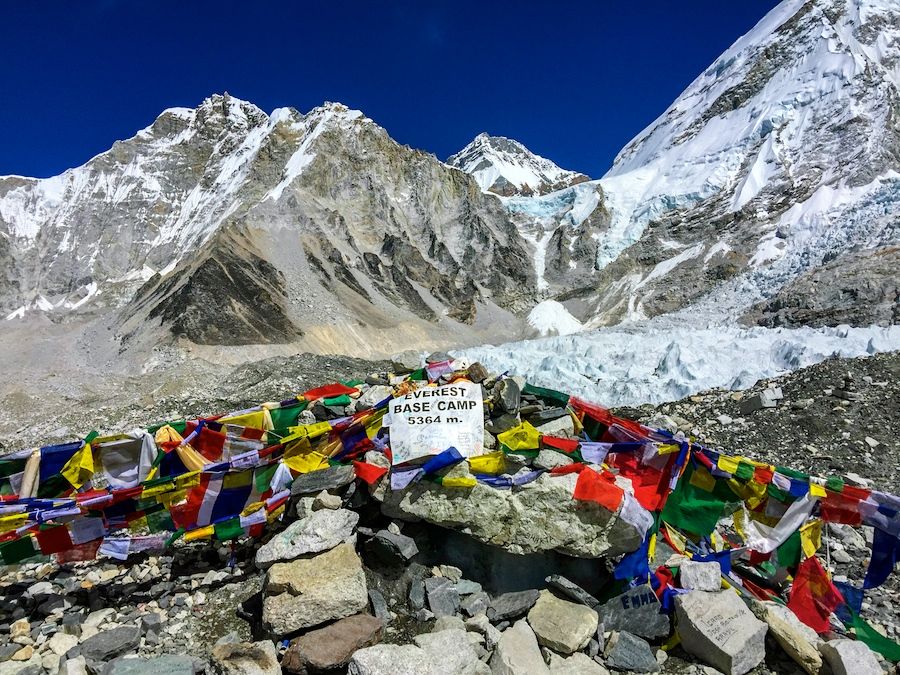
 Ugen Tshering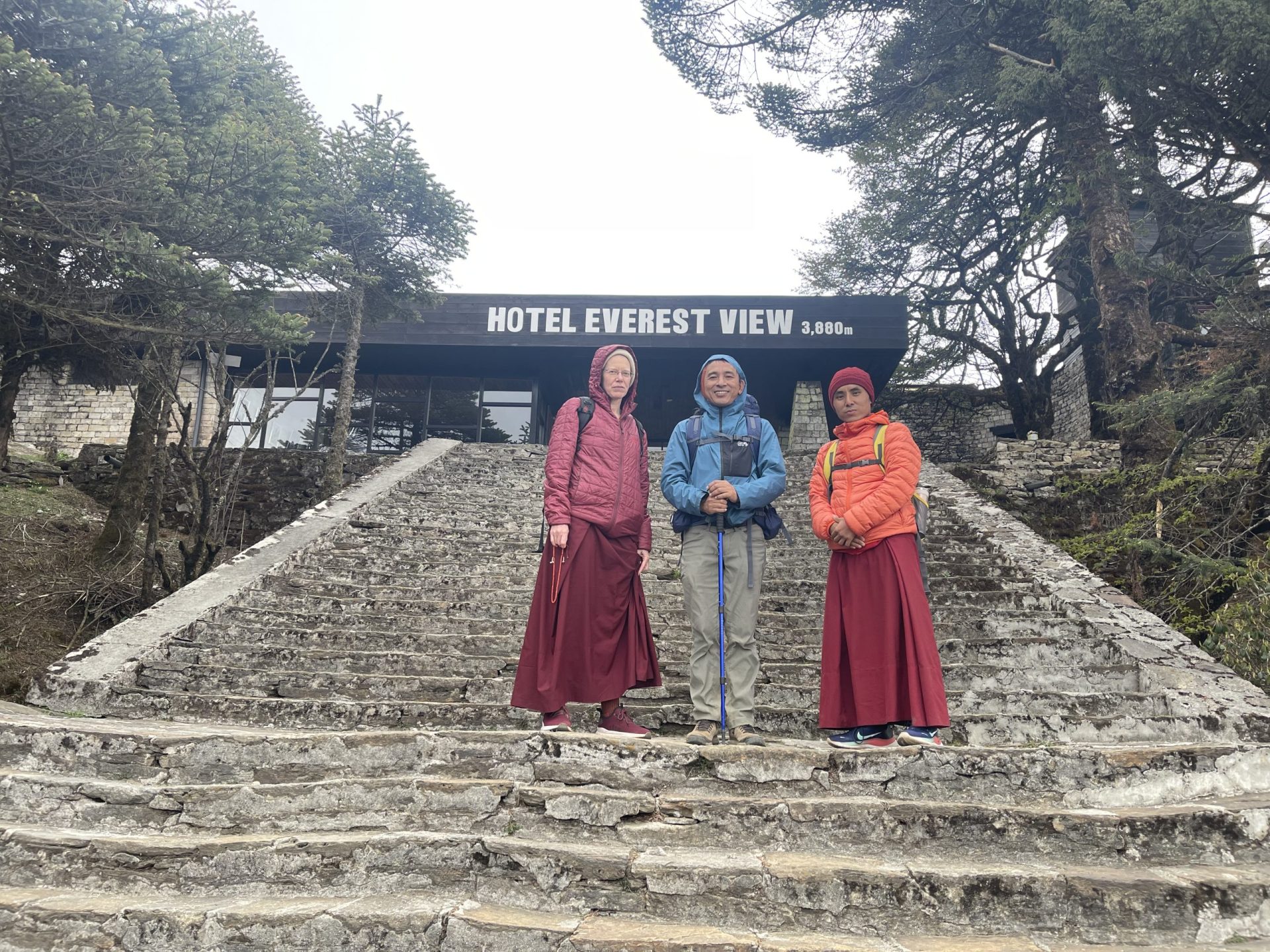

 Anand Thapa
  Laxman Bhattarai
 gwt admin