

 +1 612 869 4949

Everest Sherpa Cultural Trek
Traverse lesser-known Kumbhu trails and Sherpa villages
-

Duration
13 Days -
 Trekking
 -
 Walking Tours
 -
 Culture Tours
 -
 Village Tours
 -
Easy

 Overview
 Costs
Costs Included
 Itinerary
 Trip Review
 Trip Photos
Everest Sherpa Cultural Trek: A journey into the Himalayas and the heart of Sherpa culture
The Everest Sherpa Cultural Trek is an unforgettable journey that partly traces Everest’s majestic backdrop while fully immersing you in the vibrant Sherpa culture. This trek winds through heartwarming Sherpa villages, Buddhist monasteries, and varied Himalayan landscapes—offering a rich blend of local heritage and natural beauty, all without the extreme endurance demanded by higher-altitude routes.
This Everest Sherpa Cultural Trek offers a unique opportunity to experience the essence of the Sherpa way of life while enjoying the natural beauty of the region. Exploring this cultural facet through a relatively easy trek would allow you to immerse yourself in the Sherpa life, traditions, and ethos.
The trail takes you through the heart of Sherpa land, home to the indigenous Sherpa people, renowned for their unparalleled resilience, bravery, and profound connection to the majestic Himalayas. The Sherpas, with their intimate knowledge of the mountains and their legendary role in guiding expeditions to Everest, have been an integral part of Himalayan exploration for generations.
The Everest Sherpa Cultural Trek is a moderate trek suitable for those who want to explore Sherpa culture, tradition, and lifestyle along with enjoying fabulous views of the Himalayas. As the maximum altitude gained is 3985m at Pangboche, this trek does not require a high level of fitness or previous trekking experience, making it accessible to a wide range of people.
If you’re drawn to cultural depth, spectacular mountain scenery, and a manageable pace, this Everest Sherpa Cultural Trek is ideal. However, if you’re ready for more physically demanding challenges, consider treks like the Everest Base Camp, Three High Passes, or Gokyo Lakes—each offering greater altitude, remote wilderness, and a heightened sense of adventure.
Everest Sherpa Cultural Trek Highlights
- Kathmandu UNESCO Sites: Begin your journey with a guided tour of three UNESCO World Heritage Sites in Kathmandu—Kathmandu Durbar Square, Swayambhunath (the Monkey Temple), and Boudhanath Stupa.
- Lukla Scenic Flight: Enjoy a breathtaking flight from Kathmandu to Lukla, soaring above dramatic Himalayan terrain into the heart of the Khumbu region.
- Sagarmatha National Park & Sherpa Villages: Trek through the UNESCO-listed Sagarmatha National Park, passing through traditional villages like Phakding, Namche Bazaar, Thame, Khumjung, and Pangboche, each offering sweeping mountain vistas.
- Sherpa Cultural Immersion: Experience daily life in Sherpa villages such as Lukla, Namche Bazaar, Tengboche, Khumjung, and Pangboche—gaining insights into their customs, beliefs, and mountain-based livelihoods.
- Scenic Himalayan Vistas: Marvel at uninterrupted views of Everest, Lhotse, Ama Dablam, and Thamserku from iconic viewpoints including Namche Bazaar, Tengboche, Pangboche, and the Everest View Hotel.
- Buddhist Monasteries & Culture: Explore revered spiritual landmarks like Tengboche Monastery—host to the Mani Rimdu festival—and Khumjung Monastery, known for housing the legendary “Yeti scalp.” Discover other chortens, mani walls, and prayer wheels along the way.
- Sherpa Heritage Sites: Visit the Sir Edmund Hillary School and the Sherpa Culture Museum in Namche Bazaar to learn about the region’s mountaineering history, traditional architecture, and local heritage.
- Accessible Moderate Trek: With a maximum elevation of approximately 3,985 m at Pangboche, this Everest Sherpa Cultural Trek is rated moderate and is ideal for trekkers of average fitness, even without prior high-altitude experience.
- Flora & Fauna: Walk through enchanting forests of rhododendron, fir, and pine, and look out for Himalayan wildlife such as tahr, musk deer, and colorful native birds.
Everest Sherpa Cultural Trek Outline Itinerary
Day 1: Arrival in Kathmandu
Day 2: In Kathmandu
Day 3: Fly from Kathmandu to Lukla-Trek to Phakding
Day 4: Trek from Phakding to Namche Bazaar
Day 5: Trek from Namche Bazaar to Thame
Day 6: Trek from Thame to Kumjung
Day 7: Trek from Khumjung to Phortse
Day 8: Trek from Phortse to Pangboche
Day 9: Trek from Pangboche to Namche
Day 10: Trek from Namche to Lukla
Day 11: Fly from Lukla to Kathmandu
Day 12: Free day in Kathmandu
Day 13: Departure
Overview
Trip Type
Trekking
 Activities Included
 Accommodation
3-4* category hotels in Kathmandu and local village lodge/tea house during the trek
Accommodation
3-4* category hotels in Kathmandu and local village lodge/tea house during the trek
 Meal
Only breakfast in Kathmandu while all meals are included during the trek
Meal
Only breakfast in Kathmandu while all meals are included during the trek
 Best Seasons
September to November, March to May
Best Seasons
September to November, March to May
 Route
Kathmandu-Lukla-Namche Bazar- Thame-Khumjung-Phortse-Pangboche-Namche-Lukla-Kathmandu
Route
Kathmandu-Lukla-Namche Bazar- Thame-Khumjung-Phortse-Pangboche-Namche-Lukla-Kathmandu
 Best Months
March, April, May, October, November
Best Months
March, April, May, October, November  Good Months
February, September
Good Months
February, September  Lean Months
June, July, August
Lean Months
June, July, August  Not Recommended Months
January, December
Not Recommended Months
January, December 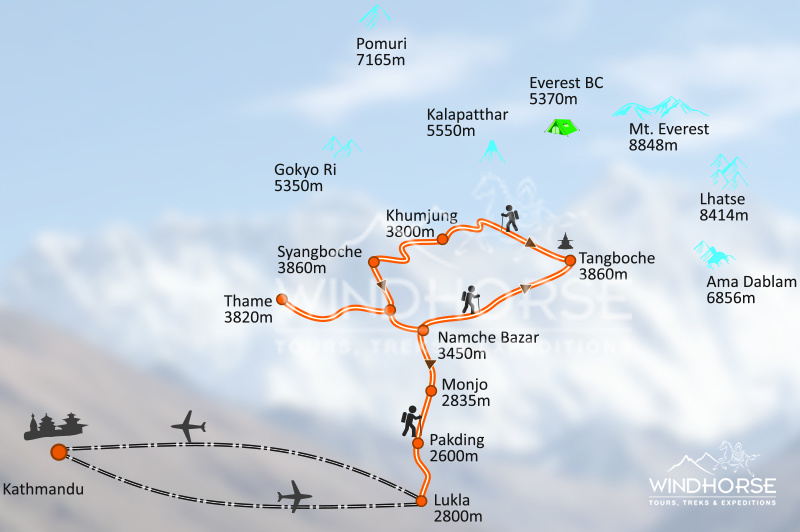
Detailed Itinerary
Expand AllArrival in Kathmandu
Upon your arrival at Kathmandu airport, a Wind Horse representative will meet you and transfer you to the hotel. The rest of the day is at your leisure until the evening. Later in the evening, there will be a briefing followed by dinner, along with a cultural performance, at a traditional Nepalese restaurant. Overnight in Kathmandu

 Altitude:
1350m
Altitude:
1350m
In Kathmandu
Today, you will visit three UNESCO World Heritage Sites in the Kathmandu Valley: Kathmandu Durbar Square, Boudhanath Stupa, and Pashupatinath Temple.
Kathmandu Durbar Square is one of the three Durbar (palace) squares in Kathmandu valley. Kathmandu Durbar Square is rich with its intricate wood carving and its history. Also known as the “Musuem of Temples” there are over 50 temples in the square. You will explore the area around the former palace of the kings of Nepal, viewing various temples and monuments.
Following the visit, you will drive to Boudanath Stupa. Boudanath Stupa is one of the largest Buddhist stupa in Nepal and also a World Heritage Site. Boudanath signifies peace and tranquility, and is a Centre of religious and spiritual significance. You will see thousands of pilgrims circumambulating the stupa, you will circumambulate with pilgrims and visit the surrounding monasteries.
Afterward, you will proceed to Pashupatinath Temple. The Pashupatinath temple is situated on the banks of the Bagmati river and is one of the most revered Hindu temple in Nepal. The main temple complex is not accessible to non-Hindus, but you can explore around the periphery of the temple complex which is quite large and impressive. Overnight in Kathmandu.

 Duration:
5-6hrs
Duration:
5-6hrs
Fly from Kathmandu to Lukla & Trek to Phakding
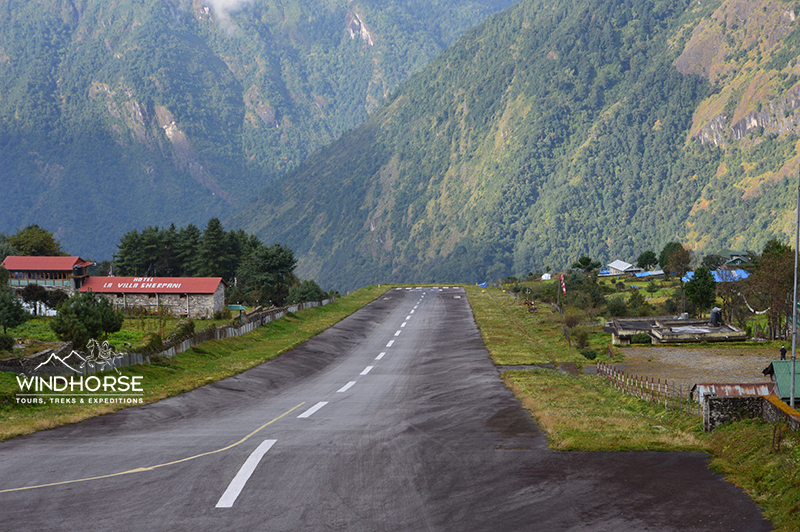
The mountain flight into Lukla is spectacular, and the landing is an exciting experience. One end of the runway is 60 meters higher than the other. The flight is typically on a small Dornier or Twin Otter aircraft, with duration of around 25–30 minutes.
Upon arrival at Lukla (2860m), you will meet your porters before commencing the trek towards Phakding. You will begin your Everest Sherpa Cultural Trek from Lukla. You will descend gradually for about 2 hours to Thado Koshi, and then you will make your first ascent, gradually uphill all the way to Phakding (2610m). It takes about 2 hours from here to reach Phakding. Overnight in Phakding.
Please be advised that during the high season (March, April, May, October, and November), flights to Lukla are routed through Ramechhap (Manthali) airport, approximately a 4-5 hours’ drive away from Kathmandu. To accommodate this, you must start early (several hours before dawn around 2 am).
 Altitude:
2610m
Duration:
3-4hrs, Approx. 8kms
Altitude:
2610m
Duration:
3-4hrs, Approx. 8kms
 Village Lodge/Tea House
Trek from Phakding to Namche Bazaar
Following the Dudh Koshi River, the trail traverses through Sherpa settlements such as Bengkar and Chumao, and then enters into the Sagarmatha National Park at Monjo. You will than cross over the Hillary suspension bridge, and continue with a steep uphill climb to Chautara, where you get the first glimpse of Everest through the trees.
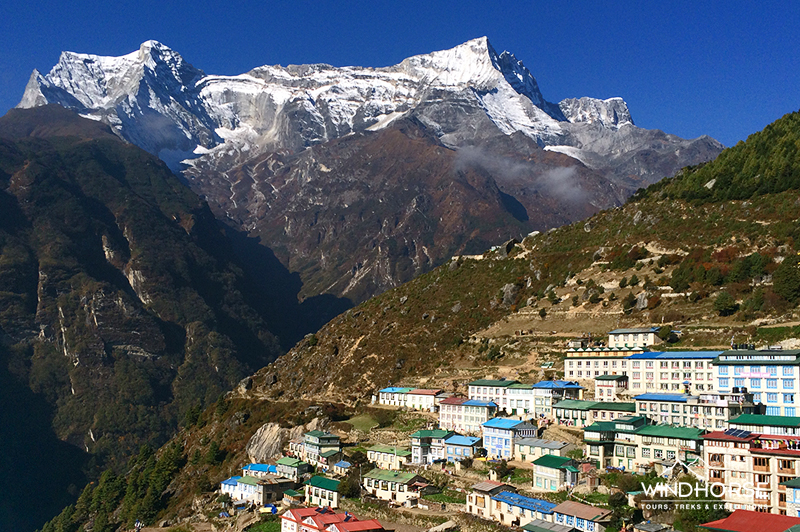
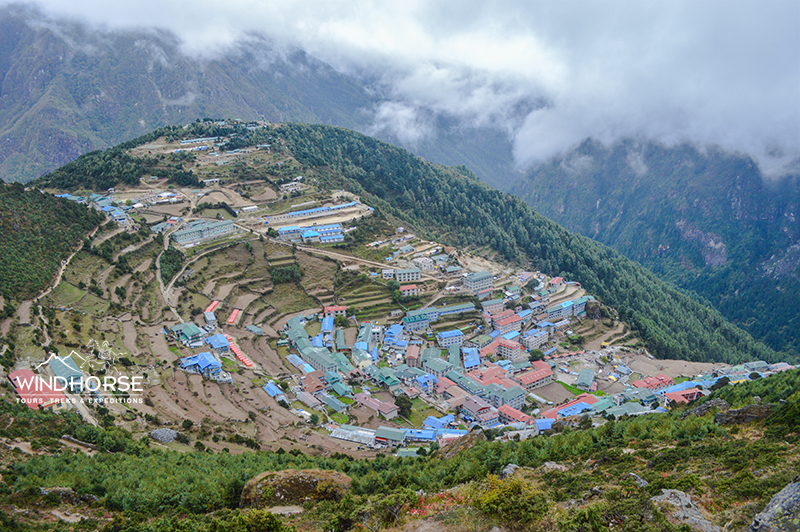
You will continue the ascent until you reach the vibrant Namche Bazaar (3440m), the pulsating heart of the Sherpa community, offering accommodations, cafes, and stores vending souvenirs and trekking essentials. Namche Bazaar serves as an ideal location to procure any forgotten items and acclimatize to the altitude for the remainder of the day. Overnight in Namche Bazaar.
Altitude:
3440m
Duration:
5-6hrs, Approx. 11kms
Tea House
Trek from Namche Bazaar to Thame
Leaving the classic EBC route, you will continue on a less travelled path to Thame. The trail ascends through a stunning landscape, with Kongde Ri to the left and Khumbi La to the right. The trail then descends to a junction, gradually rising towards the delightful villages of Phurte, Thamo, and Samde.
Following the trail, you’ll then descend towards a bridge spanning a narrow fissure, where the vibrant wall paintings of Guru Padmasambhava grace the surroundings amid the roar of rushing waters. Crossing over the bridge, you will arrive at the Khumbu Hydro electricity power plant. Hereafter it is a steep climb lasting about an hour before reaching the scenic village of Thame.
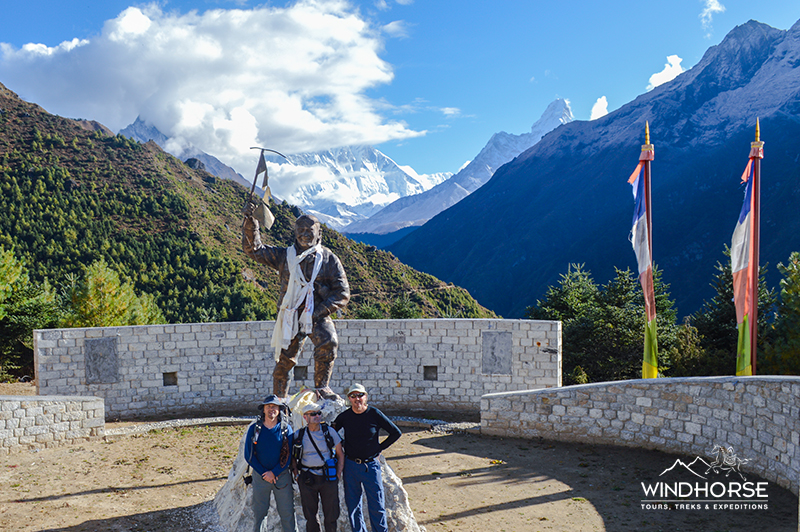
Situated at a significant crossroads, Thame has a rich history as a crucial point along the ancient trade route connecting Tibet via the Nagpala Pass. Thame is also home to some distinguished mountaineers including Appa Sherpa, who holds the record of summiting the Everest for 21 times, and it is also the childhood home of Tenzing Norgay Sherpa.
You can take the opportunity to explore the village , visit the ancient Thame monastery, interact with the locals, and immerse yourself in the rich cultural heritage of the region. Overnight in Thame.
Altitude:
3800m
Duration:
5-6hrs
Tea House
Trek from Thame to Khumjung
After breakfast, you will retrace your steps toward Khumjung. The trek begins with a descent to the Bhote Koshi River, you will cross over and hike past the villages of Samde and Thamo, eventually reaching Phurte.
From Phurte, the trail gradually ascends until you reach a junction. Here, the trail splits, with one path leading to Namche and the other to Khunde and Khumjung. You will take the left trail that passes by the Syangboche airstrip. The hike continues with a gradual uphill climb until you reach Khumjung village.
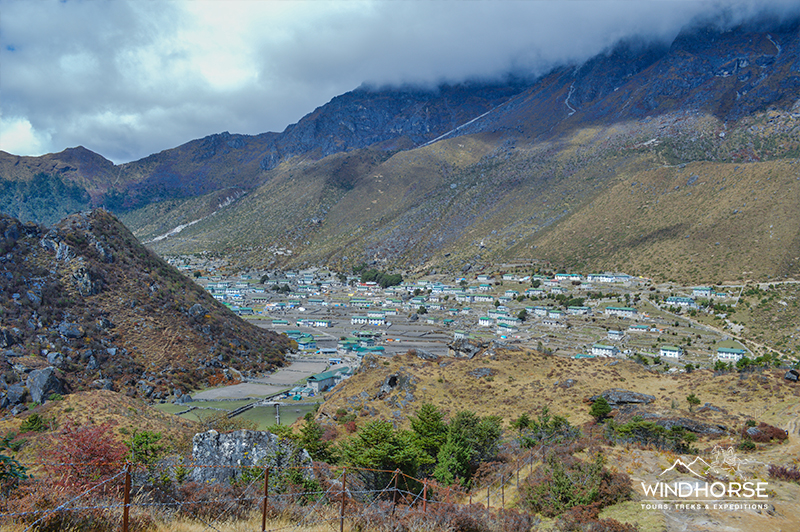
Khumjung is a large, traditional Sherpa village nestled at the foothills of Mt. Khumbila. The village is known for its stone houses, beautiful landscapes, and the famous Khumjung Monastery, which is said to contain the legendary Yeti scalp.
In the afternoon, you will explore the village, visit the Khumjung Monastery, and see the historic Khumjung Hillary School, founded by Sir Edmund Hillary. Overnight in Khumjung.
Altitude:
3790m
Duration:
5hrs
Tea House
Trek from Khumjung to Phortse
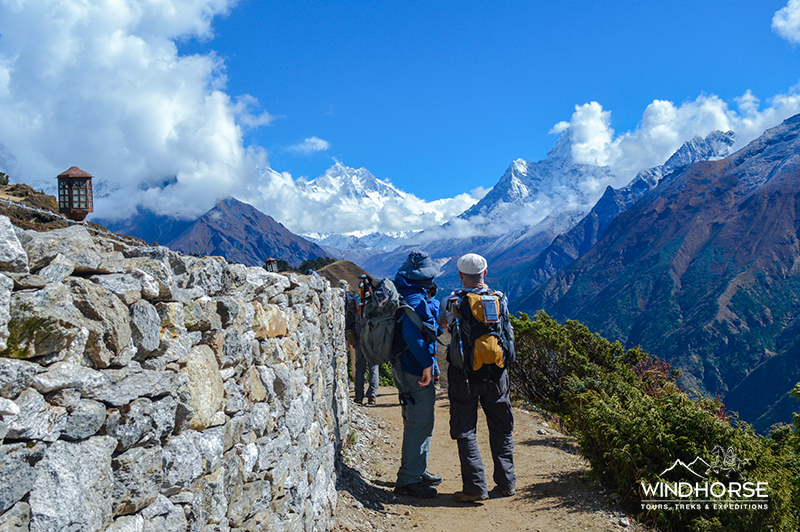
You will commence your trek with a descent with great views of Mt. Everest, Nuptse, Lhotse and Ama Dablam toward phortse. Along the way you might also get to witness some wild life such as the Himalayan Tahr, Musk Deer, and Pheasant monal.
The trail gradually goes down past Kyangjuma, and eventually reaches Sanasa. From Sanasa it is a steep uphill climb to Mong La pass with spectacular views of Ama Dablam and Kumbila. You will then descend to Phortse Tenga, cross over the Dudh Koshi river, climb up through rhododendron forest, and finally arrive at Phortse.
Phortse is a unique Sherpa settlement off the trail from the main EBC route. Phortse offers a unique opportunity to immerse you in the local culture and hospitality of the Sherpa community. Overnight in Phortse
Altitude:
3850m
Duration:
4-5hrs
Tea House
Trek from Phortse to Pangboche
After breakfast at Phortse, you will begin your hike towards Pangboche. Today will be a short day considering other days. Leaving Phortse, you will climb along the upper ridge above the Imja Khola with the beautiful view of the Tengboche Monastery, the valley below, and the mountains around.
You will gradually make your way toward Pangboche. It is an easy hike, offering views of the Tengboche Monastery just across the valley. Pangboche village is one of the oldest permanent settlements in the Khumbu region. It provides a unique opportunity to immerse you in the rich cultural heritage of the Sherpa people. Overnight in Pangboche.
Altitude:
3995m
Duration:
4-5hrs
Village Lodge/Tea House
Trek Pangboche to Namche (via Tengboche)
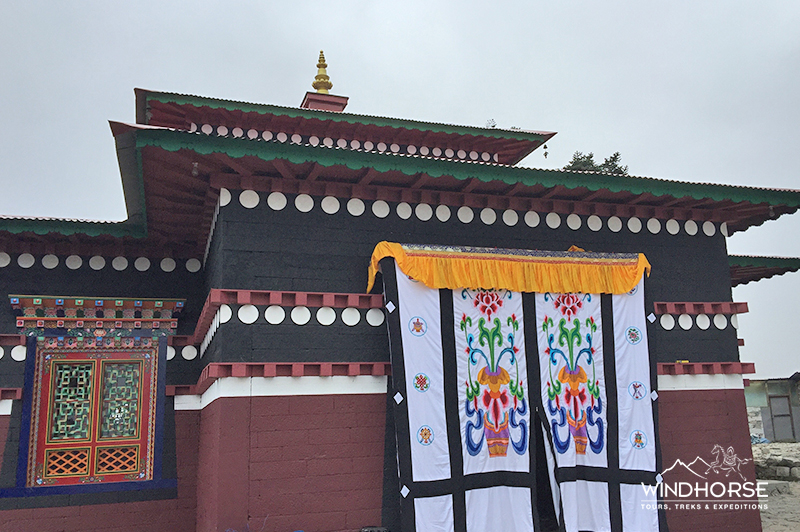
Today, you will begin your journey back towards Namche Bazaar, it is a steep uphill trek through rhododendron forests, passing Deboche on your way to Tengboche. Tengboche is renowned for being the largest and most prominent monastery in the Everest region. After exploring the Tengboche monastery, you will descend towards Phunki Thenga.
From Tengboche, you’ll descend to the Dudh Koshi River, crossing it at Phunki Thenga, and then gradually ascend to Sanasa. From Sanasa, you’ll take the lower route, passing through Khumjung village, and continue past the Everest View Hotel and the Syangboche airstrip, eventually arriving at Namche Bazaar. Overnight in Namche Bazaar.
Altitude:
3440m
Duration:
5-6hrs
Tea House
Trek from Namche to Lukla
On the final day of your Everest Sherpa Cultural trek, you’ll descend back down to the Dudh Koshi River, retracing your steps through the picturesque landscapes. The journey will take you across numerous suspension bridges, past the villages of Jorsale, Monjo, Bengkar, and Phakding.
The final stretch from Ghat to Lukla presents a challenging, steep climb of approximately 3 kilometers. On arrival at Lukla, you will have the sense of accomplishment of this incredible journey. Overnight in Lukla.
Altitude:
2860m
Duration:
13kms/4-5hrs
Tea House
Fly to Kathmandu
Early morning, we will fly back to Kathmandu. The rest of the afternoon is free for you to choose to rest, relax, pursue your interest, or explore the vibrant city further. Overnight in Kathmandu.
Altitude:
1350m
Duration:
30min
Free day in Kathmandu
Today has been set as a contingency day, in case the flight from Lukla gets canceled due to the unpredictable mountain weather, which is unfortunately quite frequent. In the event if everything goes as planned, you may spend this day as you please. You might wish to go souvenir shopping or, if you prefer, you can request a sightseeing tour of the Kathmandu Valley. Overnight in Kathmandu.
Departure
Transfer to the airport for your departure flight.
Cost Information
Included
- All airport & hotel transfers by private vehicle.
- 4 nights accommodation in 3-4* category hotels in Kathmandu.
- 8 nights’ accommodation in a tea house during the trek with an attached bathroom where possible.
- Only breakfast during the stay in Kathmandu.
- Three standard meals (breakfast/lunch/dinner) and some tea coffee.
- One welcome dinner with a cultural performance in Kathmandu.
- 1 full day guided city tour in Kathmandu.
- English-speaking licensed trekking guide along with a porter (1 porter for every two trekkers).
- Round trip airfare between Kathmandu/Manthali-Lukla.
- First aid kit, duffel bag, & trekking map.
- Trekking staff accommodation, wages, meals, trekking gears, and insurance.
- All necessary paperwork and permits for the trek (TIMS/National Park Fee/Rural Municipal Fee).
- All government tax and service charges.
Not included
- Nepal Visa.
- International airfare.
- Meals other than listed (lunch and dinner in Kathmandu).
- Personal expenses (laundry, telephone, bar, beverages).
- Bottled/boiled water, battery recharge, Wi-Fi and hot showers during the trek.
- Tips and gratuities to Guide, Porter and driver.
- Travel medical insurance covering rescue and emergency evacuation.
- Personal trekking gears and equipment’s.
- Trip cancellation cost due to your health, weather condition, political situation, and any other unforeseen events.
- Any other expenses other than the listed above.
Traveller Review
Dianne (San Francisco, United States)
March 26-April 18,2017Trip Photos
FAQs
- What is the Everest Sherpa Cultural Trek?
The Everest Sherpa Cultural Trek is a moderate, culturally immersive trekking experience in Nepal’s Khumbu region, combining Himalayan scenery with deep insights into Sherpa lifestyle, traditions, and Buddhist heritage. It focuses more on culture and villages rather than extreme altitude trekking.
- How is this trek different from Everest Base Camp trek?
Compared to the classic Everest Base Camp Trek, Everest Sherpa Cultural Trek offers a more relaxed and culturally focused experience:
- Lower maximum altitude (3,985 m)
- Less physically demanding and safer
- Greater focus on villages, monasteries, and local life
- Less crowded and more peaceful trails
- Reduced risk of altitude sickness
- What is the maximum altitude reached in this trek?
The highest point in this Everest Sherpa Cultural Trek is Pangboche (3,985 meters), making it safer with lower risk of altitude sickness compared to higher treks.
- How strenuous is the trek? What fitness level is needed?
This trek is rated moderate, with daily hikes of about 4–6 hours over uneven mountain trails, reaching altitudes around 3,900 m. No technical climbing skills are required, but prior trekking experience, good cardiovascular fitness, and mental stamina are strongly recommended.
- What cultural experiences are included?
This trek immerses you in authentic Sherpa cultural heritage with:
- Visits to traditional Sherpa villages such as Namche Bazaar, Thame, Khumjung, Pangboche, and Tengboche, each offering unique insights into Sherpa life, architecture, and traditional craftsmanship.
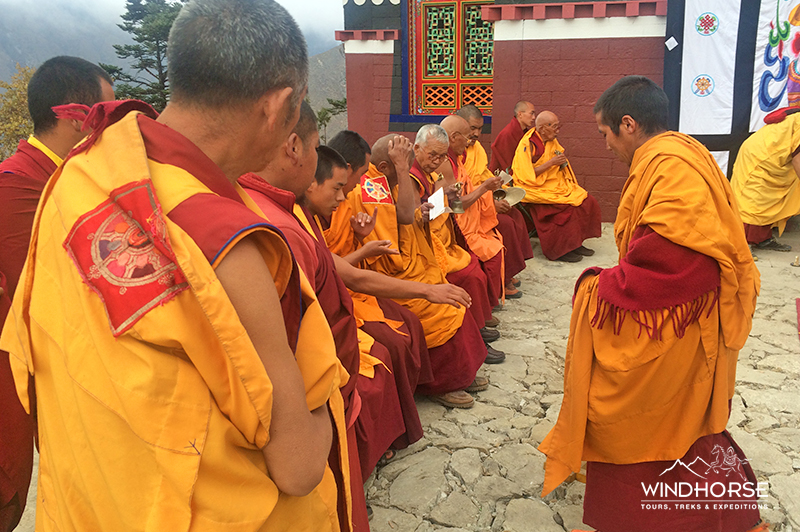
- Exploration of key monasteries, including Tengboche Monastery, the largest Buddhist monastery in the Khumbu region. Perched at 3,867 m, it serves as a vital spiritual and cultural center for Sherpas, here you may witness prayer rituals, teachings, and monastic life in action.
- Experience Mani Rimdu, a vibrant festival celebrated at Tengboche (Thame and Chiwang monastery) if you travel in Autumn (October–November).
- Stop at Khumjung Monastery, famed for the legendary “yeti scalp”, a ceremonial artifact once claimed to be from a mythical creature but later identified, likely originating from a Himalayan serow—adding an intriguing element of folklore and local legend to the experience
- Opportunities to learn about Sherpa customs, Tibetan-influenced Buddhist practices, traditional attire, local language, and community life in the Khumbu.
- When is the best time to do this Everest Sherpa Cultural Trek?
The ideal trekking months are spring (March–May) and autumn (September–November), when skies are clear, weather is stable, mountain views are exceptional, and cultural events like Mani Rimdu (in autumn) often coincide with trekking itineraries.
While winter (December–February) and monsoon (June–August) treks are possible, they pose significant challenges: monsoon brings rain, flight delays, and winter brings extreme cold, limited services, and snow-blocked routes, making it less favorable.
- Who is this Everest Sherpa Cultural Trek suitable for?
This trek is ideal for:
- Cultural travelers
- Older trekkers wanting lower altitude
- Families or first-time Himalayan trekkers
- Can I customize or extend this Everest Sherpa Cultural Trek?
Yes, Wind Horse Tours is flexible and happy to tailor your itinerary. You can add extra days, such as for additional acclimatization or side excursions or adjust the schedule depending on your interests and fitness level.
- Can I see Mount Everest on this trek?
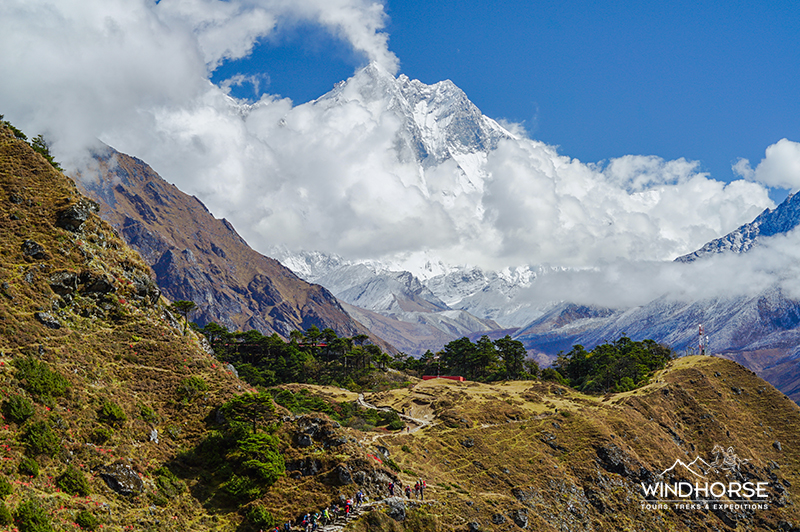
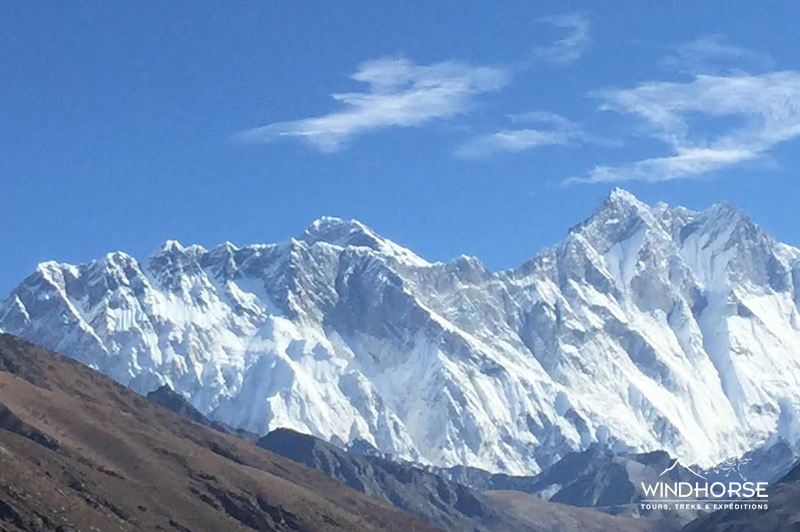
Yes, Mount Everest can be seen from several viewpoints along the trek, particularly from Namche Bazaar and Tengboche. On clear days, you’ll also enjoy views of other iconic Himalayan peaks such as Lhotse, Ama Dablam, and Thamserku. The best visibility is usually in the early morning or after clear weather.
- What permits are required for the Everest Sherpa Cultural Trek?
To undertake this trek, the following permits are required:
- Sagarmatha National Park Entry Permit
- Khumbu Pasang Lhamu Rural Municipality Permit
These permits are mandatory and will be checked at various points along the trail.
- What type of accommodation is provided in Kathmandu?
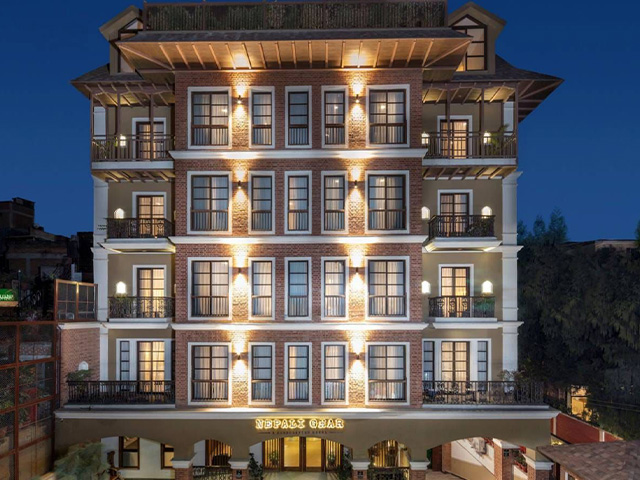
In Kathmandu, we arrange comfortable tourist-standard boutique hotels or well-rated heritage properties (typically 3–4 star category).
Upgrades to premium or luxury hotels can be arranged upon request, subject to availability and additional cost.
- What are teahouses like along the trail?
Accommodation during the trek is primarily in teahouse lodges—small, family-run guesthouses along the trail. These lodges offer:
- Basic twin-sharing rooms with beds, pillows, and blankets
- Simple dining areas with a central stove (heated in the evenings)
- Shared bathroom facilities (in most cases)
Rooms are generally unheated, so warm sleeping gear is recommended, especially at higher elevations.
- Are private rooms available?
Yes, twin-sharing rooms are standard. Private rooms may be available at an additional cost, but they should be requested in advance and are subject to availability—especially during peak trekking seasons.
- What meals are included?
The package includes:
- Daily breakfast while in Kathmandu
- All meals during the trek (breakfast, lunch, and dinner) along with some tea & coffee
Meals are freshly prepared at the teahouses along the route.
- What kind of food is served during the trek?
Teahouses offer a variety of nutritious and filling meals, including both Nepali and Western options such as:
- Dal Bhat (rice, lentil soup, vegetables, and pickles)
- Noodles, pasta, and fried rice
- Potatoes, eggs, and seasonal vegetables
- Bread, pancakes, porridge, and chapati
- Soups, tea, coffee, and hot drinks
- Is there mobile network coverage on the trek?
Yes, mobile network coverage is available in lower regions such as Lukla, Namche Bazaar, and Khumjung. However, signal strength becomes weaker and less reliable as you ascend to higher altitudes.
- Is WiFi available during the trek?
Yes, most teahouses provide WiFi services through paid networks like Everest Link. However:
- Internet speed is generally slow
- Connectivity may be inconsistent or unavailable in remote areas
It’s best not to rely heavily on internet access during the trek.
- Is altitude sickness a risk on this trek?
Yes, there is a risk of Acute Mountain Sickness (AMS), even though the trek is considered moderate in altitude. To minimize risk:
- Follow a gradual ascent with proper acclimatization
- Stay well-hydrated
- Avoid alcohol and overexertion
- Inform your guide immediately if symptoms arise
- Is travel insurance required for this trek?
Yes, travel insurance is mandatory and must cover:
- Emergency evacuation (including helicopter rescue)
- Medical expenses
- Trekking activities at high altitude
- What extra costs should I budget for?
We recommend budgeting approximately USD 15–20 per person per day for personal expenses such as:
- Bottled or boiled drinking water
- Snacks and beverages
- Hot showers and charging devices
- WiFi access
ATM access is available only up to Namche Bazaar, so carry enough Nepalese Rupees for the entire trek.
- What payment methods are accepted?
We accept the following payment methods:
- Bank transfer
- Credit card (subject to service surcharge)
- Cash (USD or NPR) upon arrival in Kathmandu
- Are tips mandatory?
Tips are not mandatory but are customary and greatly appreciated by guides and porters. Tipping is an important part of trekking culture in Nepal and reflects your satisfaction with their service.
Overview
Trip Type
Trekking
Activities Included
Accommodation
3-4* category hotels in Kathmandu and local village lodge/tea house during the trek
Meals
Only breakfast in Kathmandu while all meals are included during the trek
Route
Kathmandu-Lukla-Namche Bazar- Thame-Khumjung-Phortse-Pangboche-Namche-Lukla-Kathmandu
 Max Group Size
2-8
Best Seasons
September to November, March to May
Best Months
March, April, May, October, November
Good Months
February, September
Lean Months
June, July, August
Not Recommended Months
January, December
Max Group Size
2-8
Best Seasons
September to November, March to May
Best Months
March, April, May, October, November
Good Months
February, September
Lean Months
June, July, August
Not Recommended Months
January, December Route Map
I was fortunate enough to book a last-minute trip to Nepal through Wind Horse for March/April 2017. I had confidence in them because I had a wonderful experience with them in Bhutan. Ugen and his team are really great at putting custom trips together. I was interested in wildlife and trekking, and seeing the Himalayas, and every day was simply amazing!!!
Three days in Chitwan National Park watching rhinos, elephants, crocodiles, and an amazing array of birds. The hotel was beautiful and right on the river, and you could even see rhinos from the deck every day! Then off to a 5-day trek in the Annapurna region. I had never really done trekking before, and my guide, Hem Raj Bastola, was really helpful and kind. I learned so much about the region and stayed in fun trekker lodges with gorgeous views. The hiking was so diverse…with jungles, sweeping vistas, monkeys, and to top it off, sunrise with clear views of the Himalaya from Poon Hill!
Then it was off to the Everest region for a 10 day trek. My guide, Lhakpa Sherpa, was simply and amazing person and I felt very lucky to spend time with him and explore this spectacular region. I loved every town, every day, every minute of this part of the trip. Seeing Everest for the first time, and all the peaks around it and in this region was one of the highlights of my life, made so much more so by the amazing open and big hearted people of this region.
I also got to see beautiful and important sites in Kathmandu and Bhaktapur thanks to Mahendra, my guide in Kathmandu and overall contact in Nepal. No matter where I was in the country, Mahendra was keeping track and making sure everything was going well. I really appreciate his outstanding efforts to provide an excellent and varied experience for me. I went on this trip solo, but I never felt alone.
I highly recommend Wind Horse Tours and am looking forward to my next adventure with them!!