

 +1 612 869 4949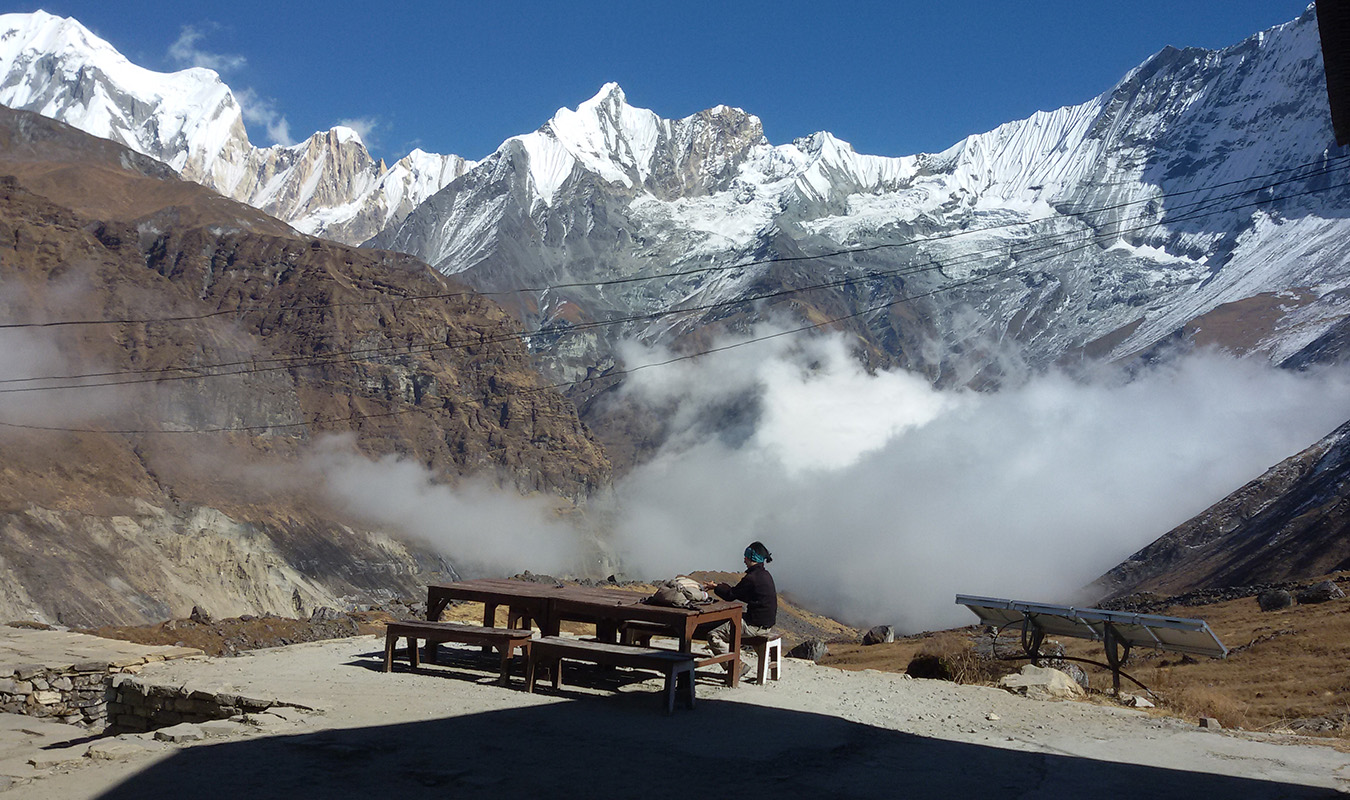

Annapurna Base Camp Trek
A Journey through the pristine Annapurna Sanctuary
-

Duration
11 Days -
 Trekking
 -
Moderate

 Overview
 Costs
Costs Included
 Itinerary
 Tour Leader
 Trip Photos
Annapurna Base Camp Trek: A Journey through the heart of the Himalayas
Nepal’s Himalayas offer some of the most iconic trekking experiences on Earth—featuring legendary peaks like Mount Everest and the Annapurna Range. Among these adventures, the Annapurna Base Camp Trek and the Annapurna Panorama (Poon Hill) Trek truly stand out, celebrated for their accessibility, dramatic landscapes, and rich cultural immersion.
The Annapurna region delivers an extraordinary trekking experience, welcoming adventurers of all skill levels to immerse themselves in the majestic Himalayas. As you journey here, panoramic vistas of iconic snow‑capped peaks—including Machhapuchhre (Fishtail), Annapurna I, Annapurna III, Annapurna South, Dhaulagiri, Manaslu, and Gandharva Chuli—unfold before your eyes.
Venturing into the heart of Annapurna, this trek masterfully balances breathtaking natural scenery with deep cultural immersion. You’ll trek through lush rhododendron and oak forests, pause at cascading waterfalls, and cross terraced farmlands that showcase the region’s rural heritage, pass traditional Gurung and Magar village, that offer authentic encounters.
As you ascend, the landscape transforms dramatically—from densely forested foothills to serene alpine meadows and, finally, rugged high‑altitude terrain. In the Annapurna Sanctuary near Base Camp (4,130 m), you’ll find yourself enveloped in a glacial amphitheater surrounded by towering mountain giants—a truly immersive Himalayan environment
Embark on a life changing journey through the heart of Nepal’s Annapurna region. The Annapurna Base Camp (ABC) Trek offers one of the most spectacular trekking experiences on the planet. Over 7–12 days, you’ll traverse picturesque villages, dense rhododendron forests, bamboo glades, and rocky alpine terrain—culminating in a breathtaking arrival at Annapurna Sanctuary, 4,130 m above sea level
Why Choose the Annapurna Region?
- Majestic Mountain Vistas: Trekking here means walking amid towering giants: Annapurna I, Annapurna South, Machhapuchhre (Fishtail), Dhaulagiri, Manaslu, and Ganesh Himal. These snow-capped peaks open up before you at every turn, leaving you spellbound.
- Rich Cultural Encounters: Your path winds through Gurung and Magar villages, where terraced farms, stone houses, and age-old traditions create authentic Himalayan experiences.
- Varied Landscapes & Biodiversity: From rhododendron-filled forests and bamboo groves to alpine meadows and high glacial valleys (Annapurna Sanctuary), the trek navigates diverse ecosystems, with opportunities to spot musk deer, red panda, Himalayan Tahr, and more
Annapurna Base Camp Trek Highlights
- Tranquil Himalayan Sanctuary: The ABC lies in a remote glacial basin, encircled by soaring peaks—a sacred sanctuary that feels otherworldly and deeply tranquil
- Journey Through Diverse Biozones: Trek through lush rhododendron and oak forests, bamboo groves, alpine meadows, and finally into the high-altitude sanctuary.
- Majestic Mountain Vistas: Experience sweeping views of iconic peaks—Machhapuchhre (Fishtail), Annapurna I, III, South, Dhaulagiri, Manaslu, and Gandharva Chuli—offered at every turn of the trail
- Panoramic Summit Views: Stand eye-to-eye with the Annapurna massif— Annapurna I (8,091 m), Machhapuchhre, Hiunchuli, and more—within a breathtaking natural bowl
- Cultural & Spiritual Depth: Village visits, teahouse stays, monasteries, prayer flags, and local rituals enrich every step
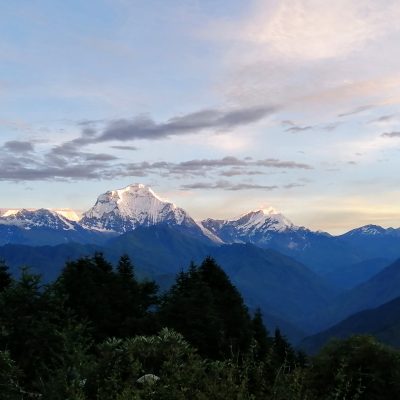
- Magical Sunrise Moments: One of the trek’s epic moments arrives in the early dawn: golden sunlight sweeping across high Himalayan giants, bathing them in luminous color—a scene that transforms you in its presence
The Annapurna Base Camp trek encapsulates the essence of Himalayan trekking: stunning natural beauty, profound cultural experiences, manageable challenges, and moments of personal triumph. Choosing this trek with a knowledgeable guide—ensures an adventure that’s both accessible and deeply rewarding. It’s more than a hike; it’s a journey through Nepal’s soul.
Annapurna Base Camp Trek Outline Itinerary
Day 1: Arrival in Kathmandu
Day 2: In Kathmandu
Day 3: Fly from Kathmandu to Pokhara
Day 4: Drive from Pokhara to Samrung-Trek to Chhomrong
Day 5: Trek from Chhomrong to Dovan
Day 6: Trek from Dovan to Deurali
Day 7: Trek from Deurali to ABC via MBC
Day 8: Trek from ABC to Bamboo
Day 9: Trek from Bamboo to Samrung & drive to Pokhara
Day 10: Fly from Pokhara to Kathmandu
Day 11: Departure
Overview
Trip Type
Trekking
 Activities Included
 Accommodation
3-4* type hotels in the cities and local village trekkers lodge/tea house while on the trek
Accommodation
3-4* type hotels in the cities and local village trekkers lodge/tea house while on the trek
 Meal
only breakfast in the cities and full board in the mountains.
Meal
only breakfast in the cities and full board in the mountains.
 Best Seasons
Autumn (September-November) Spring (March-May)
Best Seasons
Autumn (September-November) Spring (March-May)
 Route
Kathmandu- Pokhara-Chomrong-Dovan-Deurali-Annapurna Base Camp- Bamboo-Jhinu Danda-Pokhara- Kathmandu.
Route
Kathmandu- Pokhara-Chomrong-Dovan-Deurali-Annapurna Base Camp- Bamboo-Jhinu Danda-Pokhara- Kathmandu.
 Best Months
March, April, May, October, November
Best Months
March, April, May, October, November  Good Months
February, September
Good Months
February, September  Lean Months
June, July, August
Lean Months
June, July, August  Not Recommended Months
January, December
Not Recommended Months
January, December 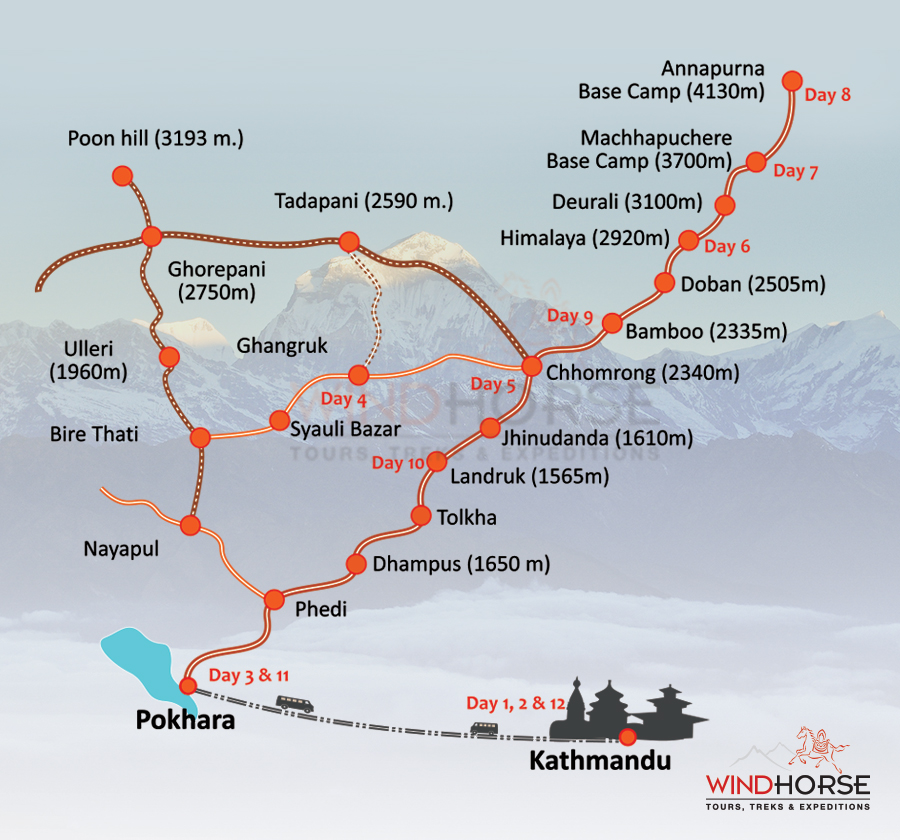
Detailed Itinerary
Expand AllArrival in Kathmandu
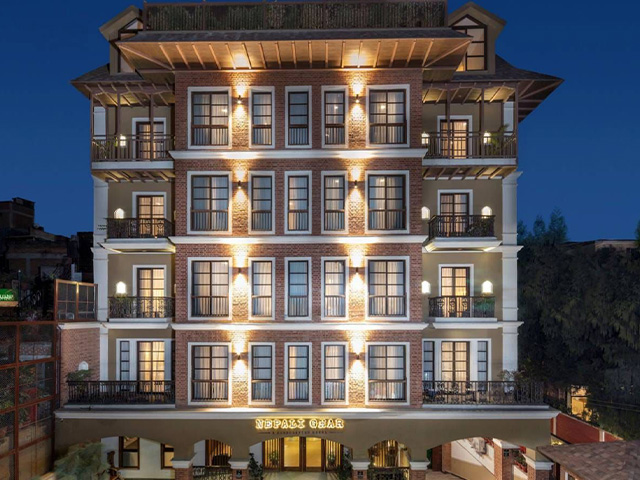
Upon your arrival at Kathmandu airport, a Wind Horse representative will meet and greet you, and transfer you to your hotel. No activities are planned for this day, so you will have the rest of the day at your leisure until the evening.
Later in the evening, your trip guide will meet you and present you with a brief orientation about the trek. After the briefing, you will enjoy dinner at a traditional Nepalese restaurant with a cultural performance. Overnight in Kathmandu.

 Altitude:
1350m
Altitude:
1350m
In Kathmandu
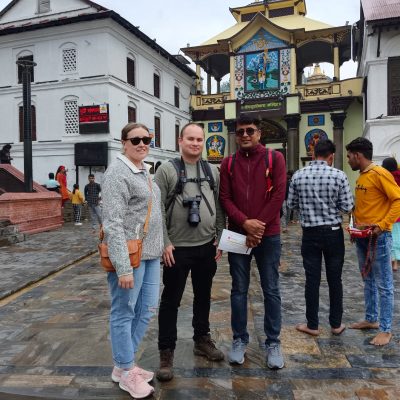
Today, you will visit three UNESCO World Heritage Sites in the Kathmandu Valley: Kathmandu Durbar Square, Boudhanath Stupa, and Pashupatinath Temple.
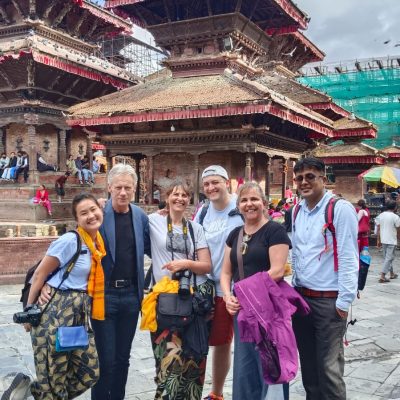
Kathmandu Durbar Square is one of the three Durbar (palace) squares in Kathmandu valley. Kathmandu Durbar Square is rich with its intricate wood carving and its history. Also known as the “Musuem of Temples” there are over 50 temples in the square. You will explore the area around the former palace of the kings of Nepal, viewing various temples and monuments.
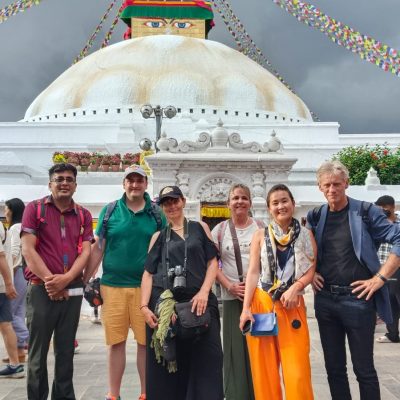
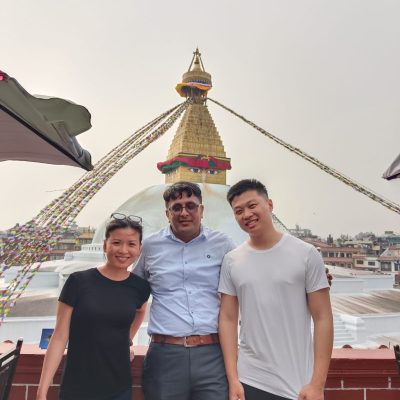
Following the visit, you will drive to Boudanath Stupa. Boudanath Stupa is one of the largest Buddhist stupa in Nepal and also a World Heritage Site. Boudanath signifies peace and tranquility, and is a Centre of religious and spiritual significance. You will see thousands of pilgrims circumambulating the stupa, you will circumambulate with pilgrims and visit the surrounding monasteries.
Afterward, you will proceed to Pashupatinath Temple. The Pashupatinath temple is situated on the banks of the Bagmati river and is one of the most revered Hindu temple in Nepal. The main temple complex is not accessible to non-Hindus, but you can explore around the periphery of the temple complex which is quite large and impressive. Overnight in Kathmandu.

 Duration:
Sightseeing 5-6hrs
Duration:
Sightseeing 5-6hrs
Fly from Kathmandu to Pokhara
This morning, you will drive to the domestic airport and take a flight to Pokhara. Our guide and vehicle will receive you at Pokhara airport and transfer you to your hotel in the Lakeside area. Upon reaching the hotel, you can rest and relax until lunch. After lunch, you will take a boat ride in the Phewa lake and visit the Tal Barahi temple.
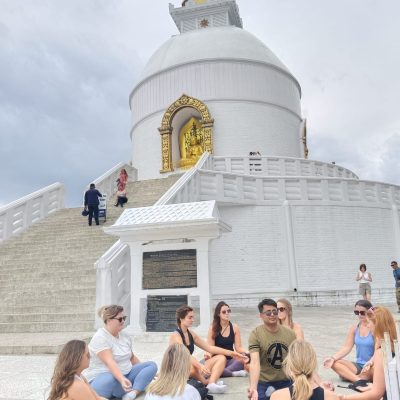
If you are interested in a short hike, you can crossover to the other side and take a hike to the World Peace Pagoda. Situated on a hilltop, the World Peace Pagoda provides a panoramic view of the the mountains around, Phewa lake and and the Pokhara valley. Overnight in Pokhara.
Altitude:
822m
Drive from Pokhara to Samrung & begin trek to Chhomrong
Your journey starts with a drive from Pokhara to Samrung village. The trek begins from Samrung village, heading towards Chhomrong. Starting from Samrung, the trail initially involves a gradual downhill hike until the suspension bridge. From there, the path continues towards Jhinu Danda over a relatively flat terrain with moderate sections of downhill and uphill hike.
From Jhinu Danda, it is a gradual uphill trek for approximately two to three hours to Chhomrong. This segment takes you through picturesque villages, stunning waterfalls, and across suspension bridges.
Situated at an altitude of around 2,170 meters, Chhomrong offers stunning views of Annapurna South and Machapuchare. The village has a range of teahouses and lodges where trekkers can rest and enjoy the hospitality of the locals. Overnight in Chhomrong.
 Altitude:
2170m
Duration:
3hrs drive/2-3hrs trek
Altitude:
2170m
Duration:
3hrs drive/2-3hrs trek
 Tea House
Trek from Chhomrong to Dovan
Beginning with a steep descent over a series of stone steps to Chhomrong Khola. You will cross over a suspension, and then the trail is a gradual uphill hike followed by a steep ascent to Sinuwa. From Sinuwa, the trail traverses through bamboo forest, meandering alongside the Modi Khola past the beautiful forest of Kuldighar and than it is an easy descent to Bamboo.
Bamboo is a popular stopover along this route, you will continue further through forests of bamboo along the Modi Khola, the trail undulates through the dense vegetation with occasional view of the surrounding landscape. The trail gradually descends through forests of rhododendron and oak past a small clearing as you approach the village of Dovan.
Overnight in Dovan.
Altitude:
2510m
Duration:
5-6hrs, Approx. 10kms
Tea House
Trek from Dovan to Deurali
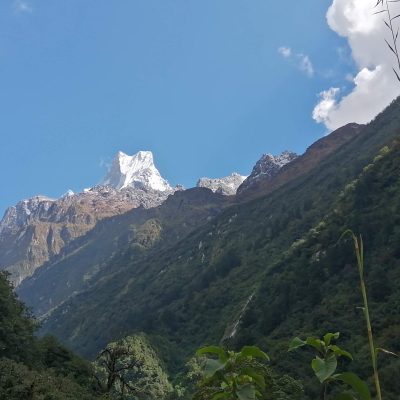
The journey to Deurali starts with a gentle climb through a bamboo glade. As you ascend, you’ll observe a noticeable transformation in the scenery. The dense vegetation gives way to shorter bushes and shrubs. The gradual transition from lush greenery to a more barren landscape offers breathtaking vistas of the Machhapuchhre, serving as a stunning backdrop against the sky as you approach Himalaya.
From Himalaya hotel, it is a steep ascend through much drier landscape over a small gorge along the Modi Khola valley, passing by Hinku Cave. Hereafter, the trail descends to the river below before finally ascending to Deurali. The vegetation becomes more sparse aloowing the beautiful view of the valley, and the spectacular views of the surrounding mountains. Overnight in Deurali.
Altitude:
3220m
Duration:
4-5hrs, Approx. 8kms
Trek from Deurali to Annapurna Base Camp
Today’s journey begins with a gentle incline that progressively steepens while traversing the mountainside towards the Machhapuchre Base Camp. Breathtaking panoramas of the neighboring peaks unfold, showcasing the grandeur of Machhapuchhre, Mt. Hiunchuli, Annapurna South, Annapurna I, Annapurna III, Gandharvachuli, and Gangapurna as you approach the Machhapuchhre Base Camp (3700m).
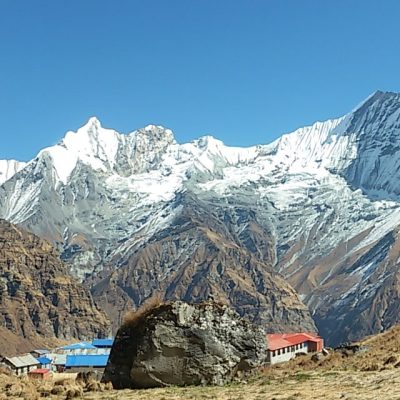
Leaving the Machhapuchre Base Camp, you will turn left and continue on for approximately two or more hours along a rocky trail will eventually reach the Annapurna Base Camp. This final leg of the journey rewards you with a breathtaking panorama of the Annapurna massif and its peaks.
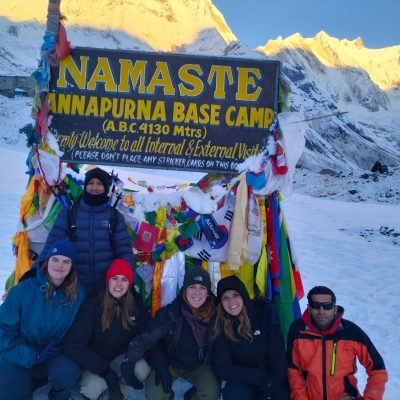
The stunning view serves as a testament to the natural beauty and grandeur of the region, making this trek worthwhile for those who reach this point. Nestled at an altitude of approximately 4,130 meters, Annapurna Base Camp is surrounded by towering peaks and offers a unique perspective of the amphitheater-like landscape formed by these majestic mountains. Overnight in Annapurna Base Camp.
Altitude:
3700m at MBC/4130m at ABC
Duration:
6-7hrs, Approx. 9kms
Tea House
Trek from ABC to Bamboo
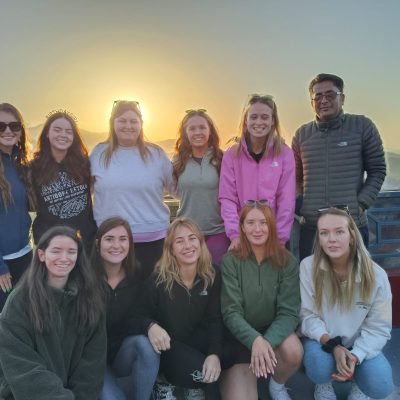
Today is an important day, you will wake up early to observe the sunrise view over the Annapurna ranges. It offers one of the best view in the world, the sun changing the color over the Machhapuchre, Mt. Hiunchuli, Annapurna South, Annapurna I, Annapurna III, Gandharvachuli is out of this world.
The return journey retraces the same path that you took earlier. From Annapurna Base Camp, you will descend past Machhapuchre Base Camp, Deurali, Himalaya, Dovan, and arrive at Bamboo. This segment of the trek primarily involves downhill terrain and should not be much difficult. The trail provides distinct perspectives of the scenery and mountain vistas compared to the upward journey. Overnight in Bamboo.
Altitude:
2320m
Duration:
6-7hrs, Approx. 13kms
Tea House
Trek from Bamboo to Samrung & drive to Pokhara
Today’s hike begins with a steep uphill climb that gradually transforms into a more leisurely flat walk until arriving at Sinuwa. The path descends through stone stairs until reaching the Chhomrong Khola. Crossing over the Chhomrong Khola it is a steep ascent towards Chhomrong,
From Chhomrong, the trail gradually descends, leading over narrow stone stairs to Jhinu Danda. Here, you can unwind and revitalize yourself at the natural hot springs before resuming your trek towards Samrung.
From Jhinu Danda, you will descend down the stone stairs until you arrive at a suspension bridge. This is one of the longest and the tallest suspension bridge in this region. After crossing the suspension bridge, you will arrive at Samrung, where you will meet your vehicle and drive to Pokhara. Overnight in Pokhara.
Duration:
3-4hrs trek/3hrs drive
Fly to Kathmandu
Following breakfast, our vehicle will transfer you to the Pokhara airport for your departure flight to Kathmandu. Upon arriving in Kathmandu, our vehicle will transfer you to your designated hotel. The rest of the day is yours to spend at leisure, allowing you to relax and explore at your own pace. Overnight in Kathmandu.
Altitude:
1350m
Departure
Transfer to the Kathmandu International Airport as per your flight schedule.
Cost Information
Included
- All transfers by private vehicle.
- 3 nights accommodation in Kathmandu in 3-4* category hotels.
- 2 nights accommodation in Pokhara in 3-4* category hotels.
- 5 nights’ accommodation in tea house lodge during the trek.
- Only breakfast during the stay in Kathmandu and Pokhara.
- Breakfast, lunch, and dinner along with coffee/tea during the trek.
- One welcome or farewell dinner with a cultural performance in Kathmandu.
- 1 full day guided city tour in Kathmandu.
- English-speaking licensed trekking guide along with a porter (1 porter for every two trekkers).
- Round trip airfare between Kathmandu-Pokhara.
- First aid kit, duffel bag, and trekking map.
- Trekking staff accommodation, wages, meals, trekking gears, and insurance.
- All necessary paperwork and permits for the trek (ACAP/TIMS card).
- All government tax and service charges.
Not included
- Nepal Visa.
- International airfare.
- Meals other than listed (lunch and dinner) in Kathmandu and Pokhara.
- Personal expenses (laundry, telephone, bar, beverages).
- Bottled/boiled water, battery recharge and Wi-Fi and hot showers during the trek.
- Tips and gratuities to Guide, Porter and driver.
- Travel medical insurance covering rescue and emergency evacuation.
- Personal trekking gears and equipment’s.
- Trip cancellation cost due to your health, weather condition, political situation, and any other unforeseen events.
- Any other expenses other than the listed above.
Guides
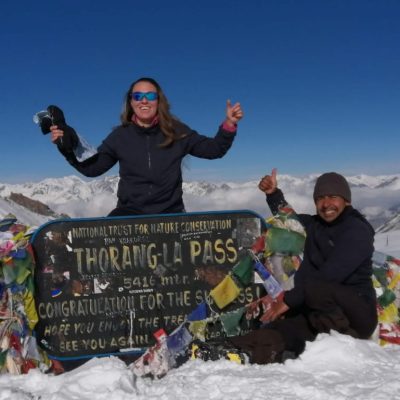
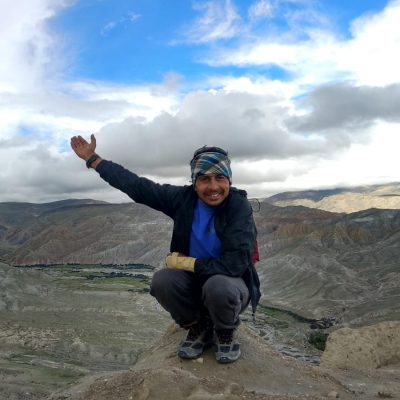
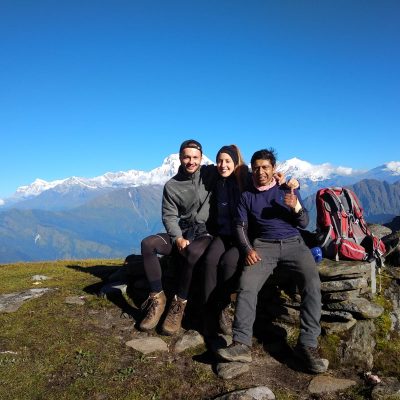
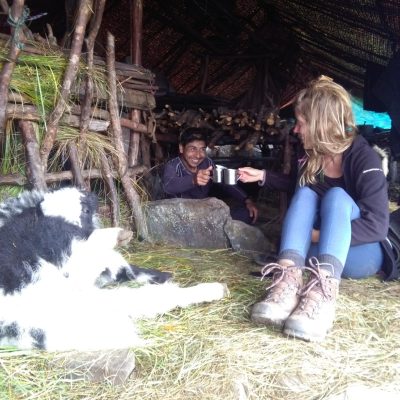
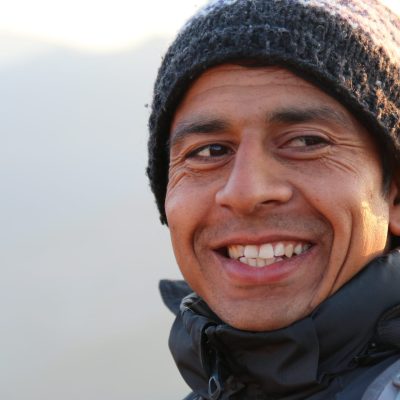
Hem Raj Bastola

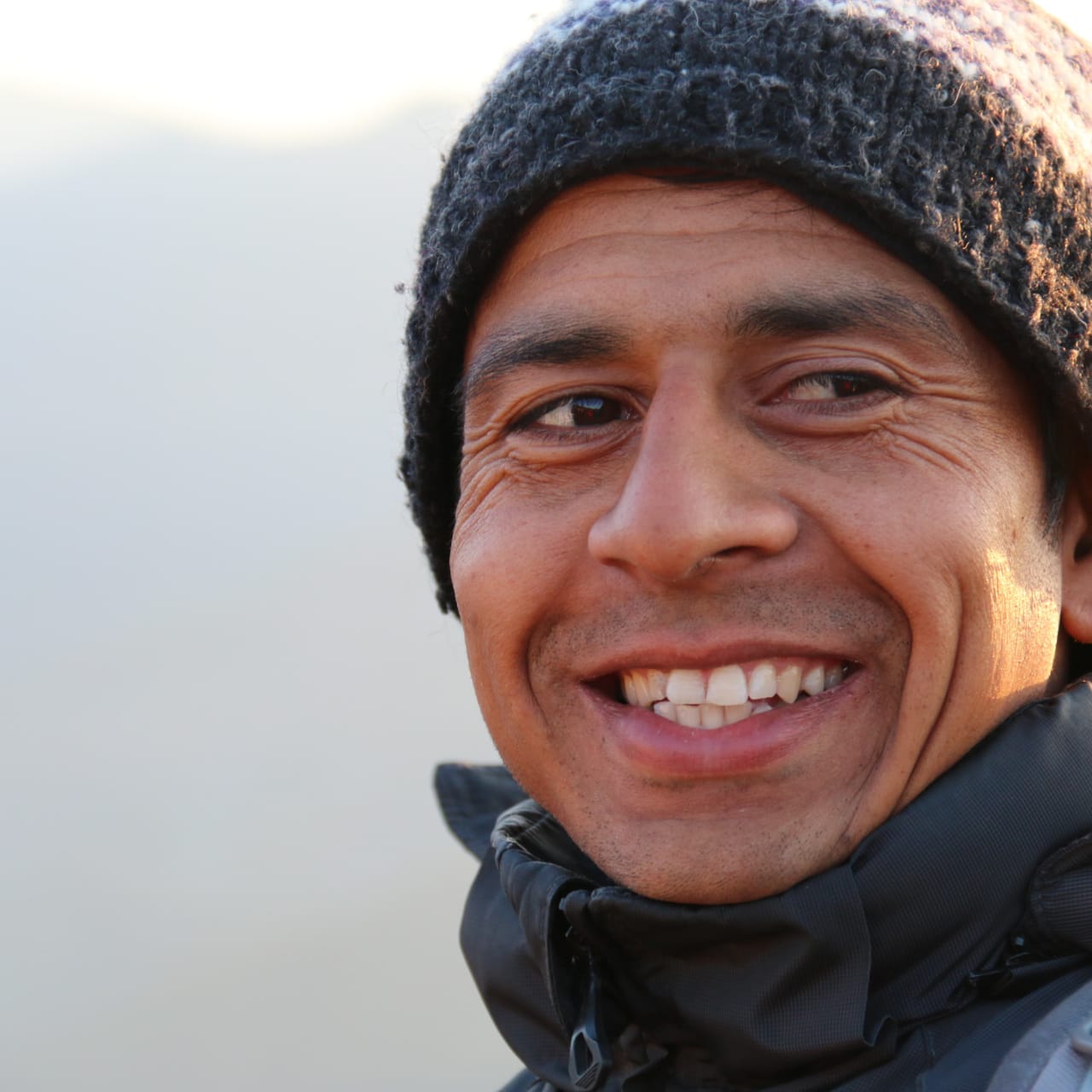
Hem Raj Bastola is a permanent inhabitant of Pokhara-22, a rural area in the outskirts of Pokhara. He has been working as a tour and trekking guide since 2010. Formerly he has worked as a guest service agent in a hotel in Pokara. He started his career as a Cave guide, ticket salesman at Gupteshwor Mahadev Cave in Pokhara. So most of his working experience is related to tourism and hospitality industry. Beside his guiding profession, he enjoys reading and writing poetry. His poets have been published in different forums and medias. When he is not Guiding , he is a full time farmer; raising cows, goats and farming with his wife and two children.
Having done all the treks in Annapurna region, upper Mustang and Manaslu area over many times, he is our expert in the area. He is extremely patient, empathetic and joyful person is what each our guests say !
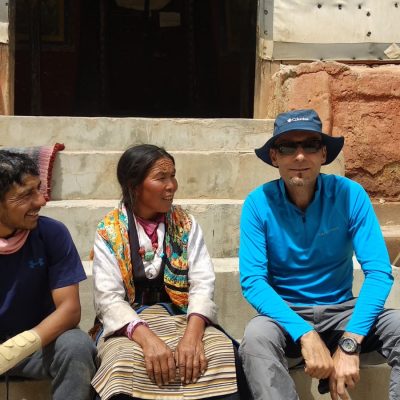
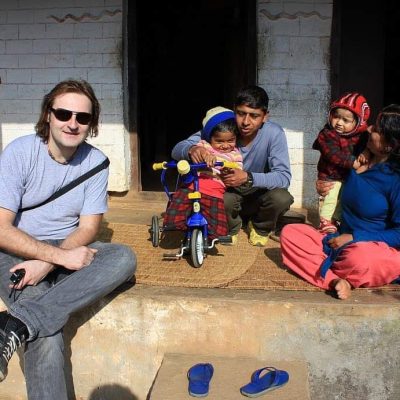
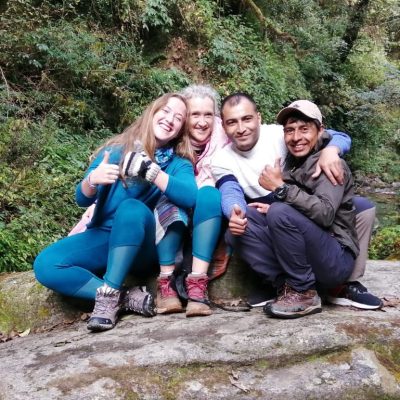
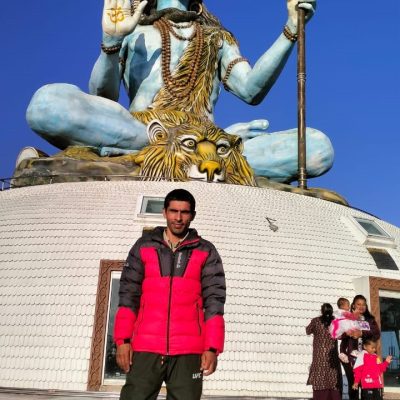
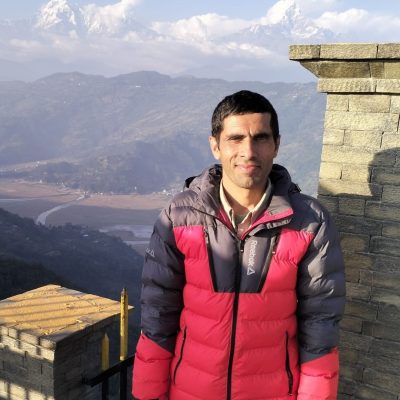
Shiva Prasad Acharya

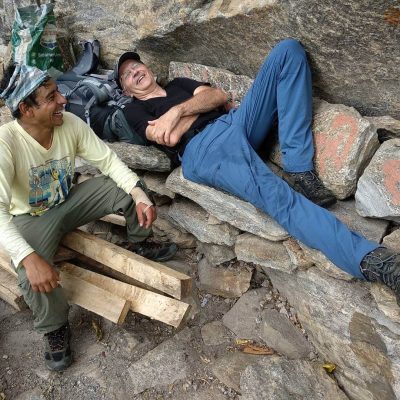
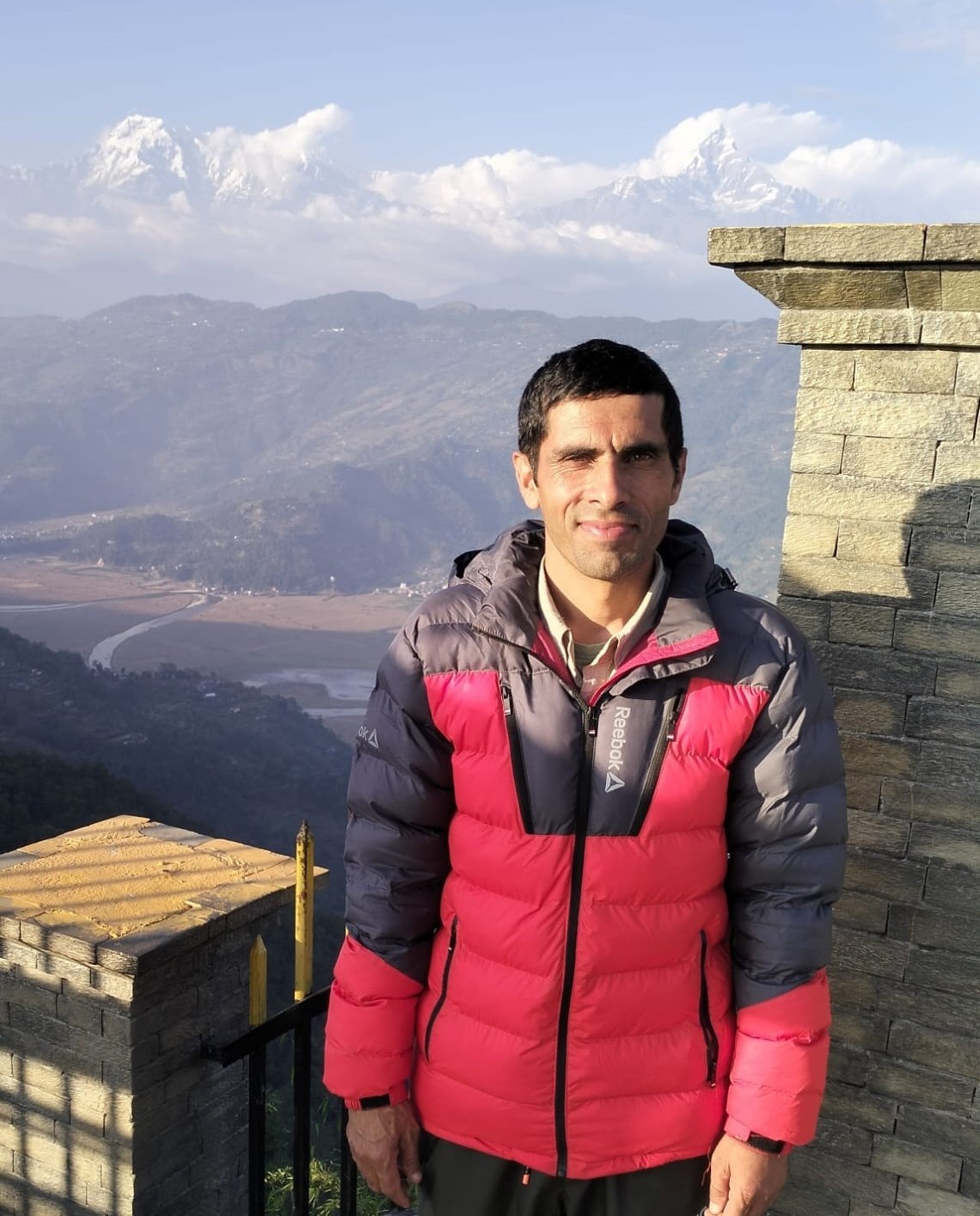
Shiva Prasad Acharya leads a fulfilling life by intertwining his passions for nature, adventure, and family. Transitioning from the health sector to becoming a trekking guide reflects his pursuit of a profession allowing immersion in natural beauty while sharing that passion with others.
His commitment to nature extends beyond his profession to his personal life, evident in his dedication to farming and animal husbandry. Tending vegetables, paddy fields, and raising buffaloes likely offers him fulfillment and a profound connection to the land. He resides in Kasipira, near Pokhara, with his wife and two sons.
Shiva Prasad extensively travels to regions like Upper Mustang, Annapurna, Everest, Langtang, and Manaslu, gaining insights into local cultures, traditions, and natural beauty. His strong passion for sharing Nepal’s heritage highlights his desire to promote local culture and raise awareness. His invaluable traits—flexibility, knowledge, and patience—would undoubtedly enrich the experiences of travelers alongside him.
His proficiency in English, French, and Hindi widens his accessibility, enabling him to connect with travelers from diverse backgrounds worldwide.

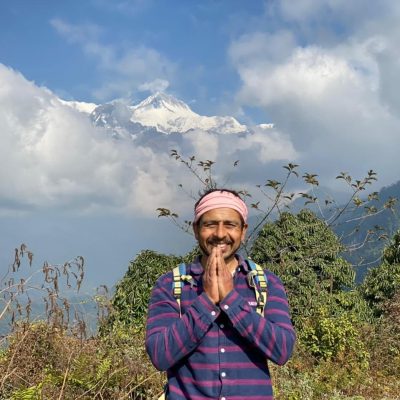
Kumar Parajuli

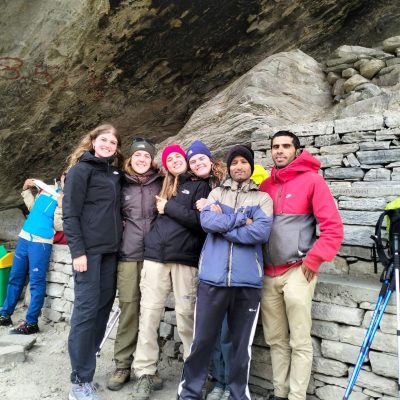
In his early days, Kumar had to walk for hours to reach his school, passing through small villages, hills, and rivers with beautiful views of snow-capped mountains along the way. This sparked his curiosity about the rest of the country and its culture, leading him to develop a strong interest in learning about new places and meeting new people.
After he completed high school, he started his career as a trekking guide due to his passion for nature, culture, and adventure. Over the course of time, he has received extensive training in mountain safety, trekking, and cultural guiding. Kumar has led several groups on treks to popular regions like Annapurna, Everest, and Langtang, showcasing his expertise as a trekking guide. Furthermore, he is equally well-versed in the cultural attractions of Nepal, serving as a cultural guide as well.
Joining Wind Horse Tours as a Nepal partner was a significant milestone in his career. Kumar believes that working as a guide not only allows him to explore the beauty of Nepal but also provides ample opportunities to immerse himself in the diverse cultures of the country. In his leisure time, he enjoys hanging out with friends and continuing his explorations. He is excited about the prospect of traveling and discovering new places beyond Nepal in the future.
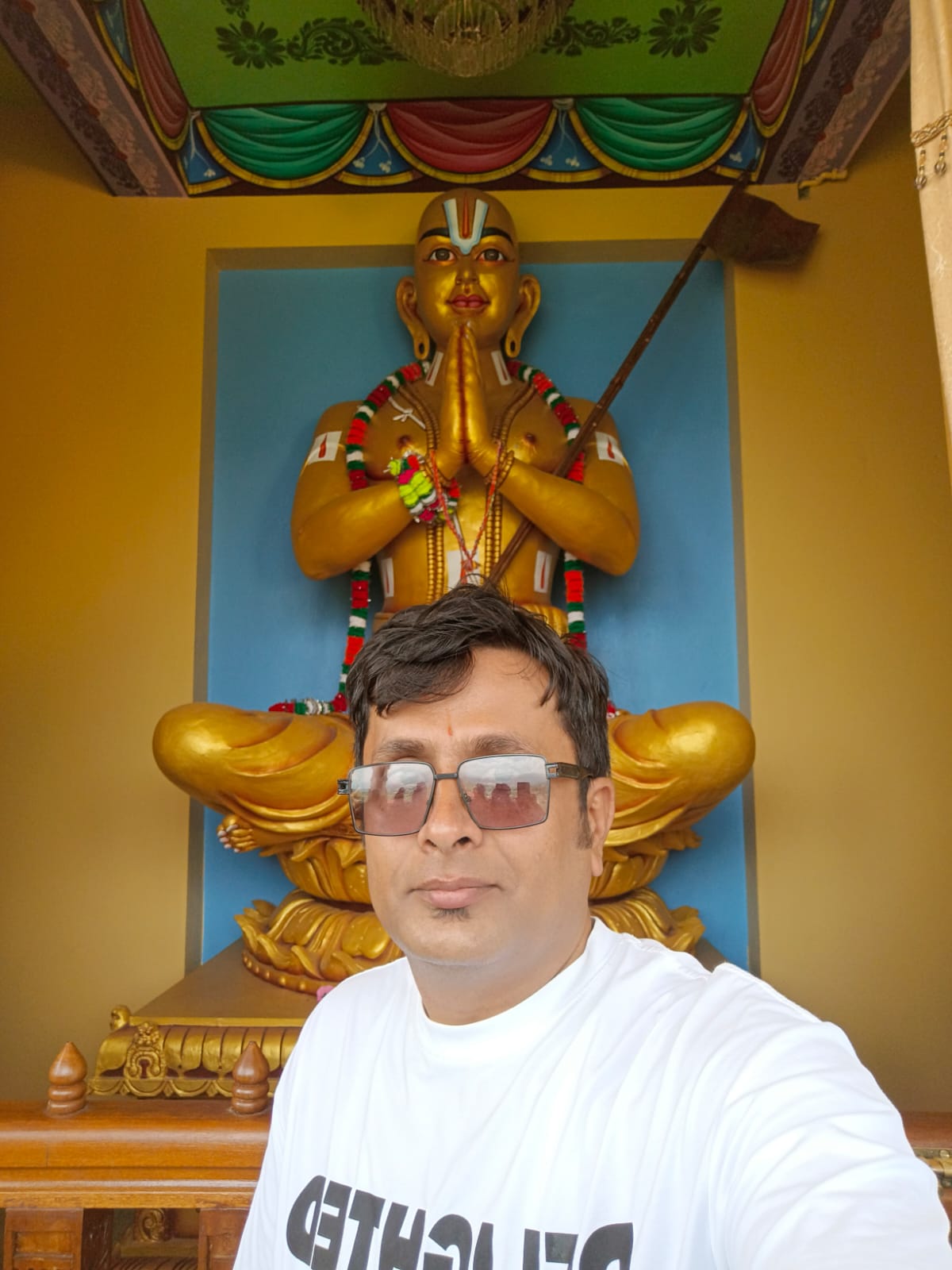
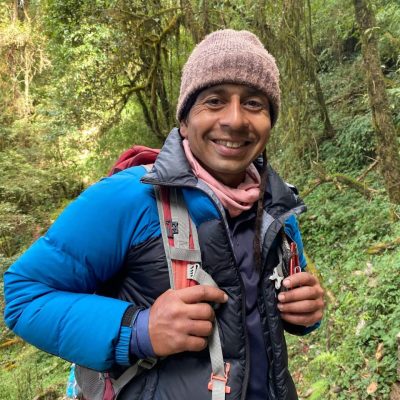
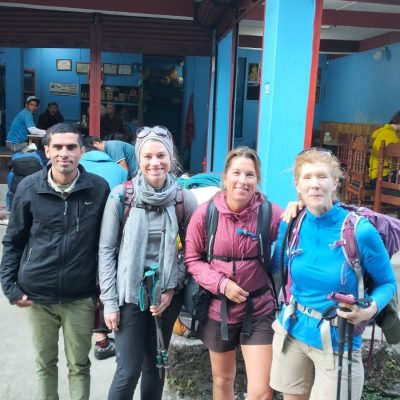
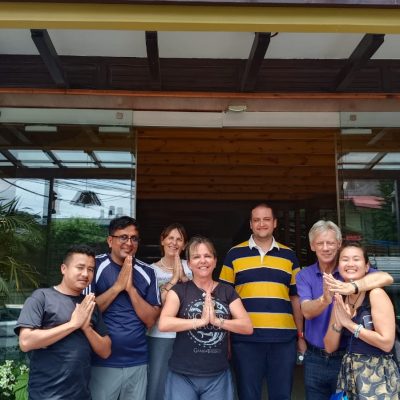
Dipesh Sapkota

Dipesh Sapkota hails from the eastern part of Nepal. After completing his master’s degree in Kathmandu, he decided to pursue a career in the travel business as a tour guide and has since been working as a freelance tour guide for a number of Kathmandu-based tour operators. His vast knowledge of Nepal’s culture, history, and society makes him an ideal individual for anyone wanting to explore the nation’s heritage.
He is passionate about sharing his knowledge and experience in order to assist the clients in gaining an enriching experience of Nepal. So far, he has led some of our cultural tours and has become a part of Wind Horse Holidays. He constantly strives to ensure his clients’ comfort and satisfaction during their tours. His dedication to his job is commendable.
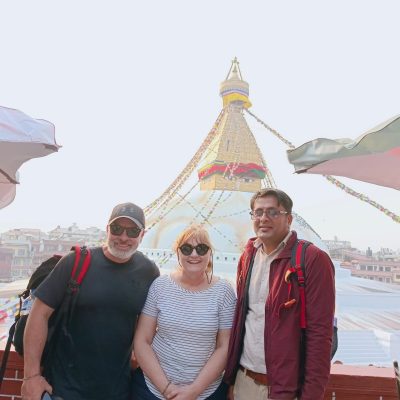
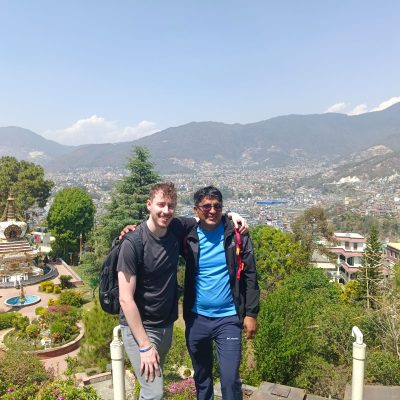

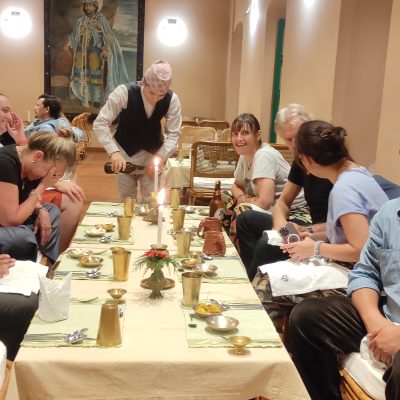
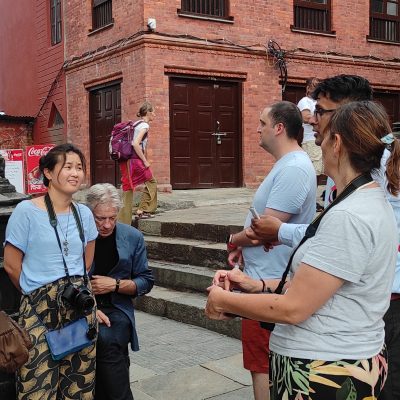
Trip Photos
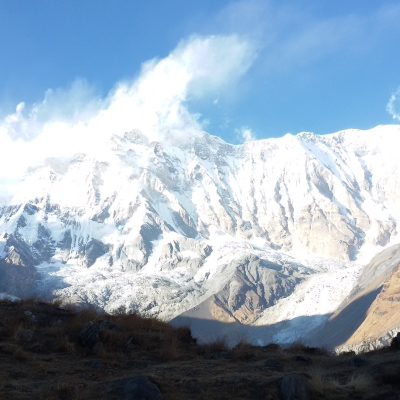
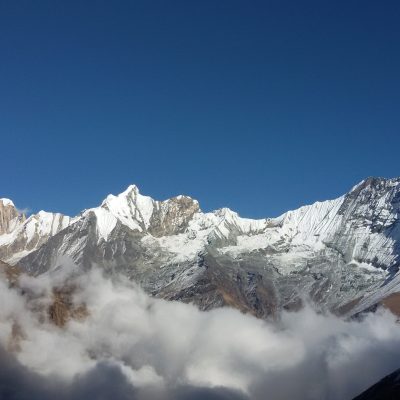
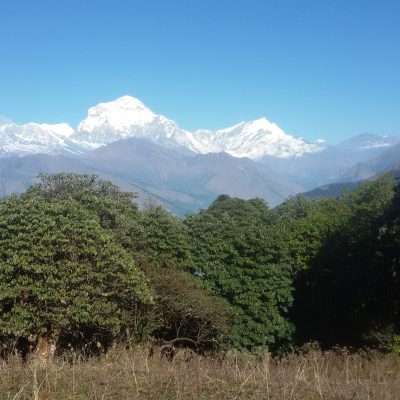
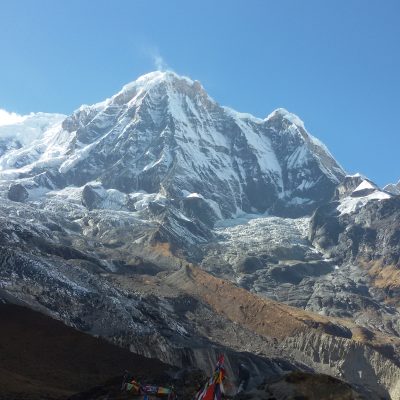
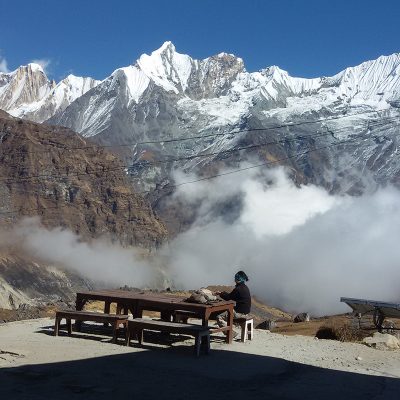
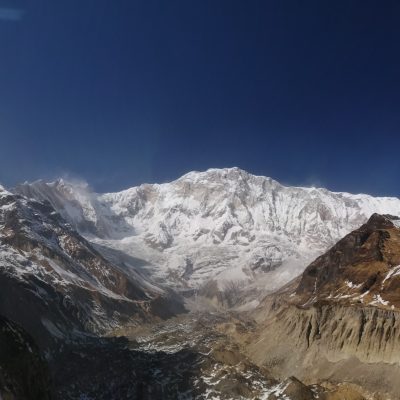
FAQs
- What is the Annapurna Base Camp trek?
The Annapurna Base Camp (ABC) trek is a popular Himalayan trekking route in Nepal that takes you to 4,130 inside the Annapurna Sanctuary, surrounded by peaks like Annapurna I, Hiunchuli, and Machhapuchhre. It combines mountain views, local culture, and diverse landscapes.
- How difficult is the Annapurna Base Camp trek?
The ABC trek is considered moderate in difficulty, suitable for beginners with good fitness. It involves daily walking of 4–7 hours on well-defined trails without technical climbing.
- How many days does the ABC trek take?
The trek usually takes 7 to 12 days, depending on your itinerary, pace, and acclimatization schedule.
- What is the maximum altitude reached during the trek?
The highest point reached during the trek is 4130 meters at the Annapurna Base Camp.
- What Is the Best Time to Trek to Annapurna Base Camp?
The two optimal trekking seasons are spring and autumn:
Spring (March–May)
- Blooming rhododendron forests
- Moderate temperatures
- Slight haze but colorful landscapes
Autumn (September–November)
- Crystal-clear mountain views
- Stable weather
- Mild temperature
Winter (Dec–Feb)
- Quiet trails, snow at higher altitudes
- Colder but still doable
- How do I reach the trail head?
The trek usually begins with a drive or flight from Kathmandu to Pokhara. And from Pokhara you can drive to Jhinu Danda or Samrung the starting point of the trek.
- What permits are required for the ABC trek?
For the Annapurna Base Camp trek, you will require the Annapurna Conservation Area Permit, which is included in our trekking package and will be arranged for you before the trek starts.
- Is this trek suitable for beginners?
Yes—Annapurna Base Camp (ABC) is considered a moderate trek and is well-suited for beginners who have a good fitness level and prepare adequately. The trail is well-marked, with plentiful teahouses and no need for technical climbing skills.
- How do I prepare for the trek?
Regular cardiovascular exercise and strength training, hiking with a loaded backpack and familiarizing you with altitude sickness symptoms helps to prepare for the trek.
- Do I need a guide for the ABC trek?
Yes, as per the new regulation hiring a licensed guide is mandatory for foreign trekkers in Nepal. Hiring a guide is both a legal requirement and a practical choice for navigation and safety in the remote mountain regions.
- What type of accommodation is available along the trail?
Accommodation consists mainly of tea house lodges along the trail. These teahouses offer basic but comfortable amenities, rooms are usually with two beds on sharing basis with shared bathrooms.
- What food is available during the trek?
Teahouses along the route offer a mix of Nepali and Western meals. Popular dishes include:
- Dal Bhat (rice, lentil soup, and vegetables)
- Noodles and pasta
- Fried rice
- Potatoes and eggs
- Bread, pancakes, and porridge
- Soups and fresh vegetables
- You can also find drinks and snacks such as tea, coffee, hot chocolate, lemon drinks, chocolate bars, and soft drinks.
- Are vegetarian and vegan options available?
Yes, vegetarian meals are widely available and often safer at higher altitudes.
- Are hot showers available on the trek?
Yes, it is available in lower areas but they are limited at higher altitude and usually comes with an extra cost.
- Is there mobile network coverage?
Yes, mobile signal is available in lower regions but becomes weak or unavailable as you go higher.
- Is WiFi available on the ABC trek?
WiFi is available in many teahouses but becomes slower and more expensive at higher elevations.
- Can I charge my devices during the trek?
Yes. Most lodges provide facilities to charge phones, and other electronic devices with an extra cost. In some remote locations, charging may be limited or powered by solar energy.
- Is altitude sickness a risk on the ABC trek?
While the risk is lower than higher-altitude treks, altitude sickness can still occur. Symptoms include headaches, nausea, and dizziness. To minimize risk:
- Walk slowly and ascend gradually
- Stay hydrated
- Avoid alcohol
- Take rest days if needed
If symptoms persist, descend immediately and seek medical attention.
- Is travel insurance necessary for ABC?
Absolutely. You should have comprehensive travel insurance that covers high-altitude trekking, medical emergencies, rescue and evacuations.
- Is the Annapurna Base Camp trek safe?
Yes, it is considered safe with well marked trails, frequent village’s, and with established trekking infrastructure. However proper planning, a guide, and awareness of weather and altitude conditions is still required.
- What is included in the ABC trek package?
Most packages include:
- Accommodation & Meals during trek
- Guide and porter service
- Required permits
- Ground transportation
- What extra costs should I expect during the trek?
Extra costs usually include:
- WiFi and charging
- Hot showers
- Drinking water
- Snacks and drinks
- Tips for guides and porters
- How much additional cash should I carry during the trek?
Plan on carrying USD 15–20 per person per day for extras like bottled water, snacks, hot showers. There are no ATM’s available along the route, so exchange sufficient cash in local currency to last for the entire trek.
- How much does the Annapurna Base Camp trek cost?
Typically, our ABC trek package ranges from USD 1,200 to USD 1,500 per person, depending on the number of participants in the group. This package usually includes:
- Accommodation in Kathmandu & Pokhara (3–4 star category hotel) with breakfast
- Private Transportation
- Trekking permits
- Accommodation during the trek in basic tea house lodge
- Three meals per day along with some tea/coffee during the trek
- Domestic flights (Kathmandu–Pokhara–Kathmandu)
- Guide and porter services
- Are tips expected by guides & porters?
Yes. Tipping is customary in Nepal’s trekking industry and is considered a gesture of appreciation for the hard work of guides and porters who support the trek.
Overview
Trip Type
Trekking
Activities Included
Accommodation
3-4* type hotels in the cities and local village trekkers lodge/tea house while on the trek
Meals
only breakfast in the cities and full board in the mountains.
Route
Kathmandu- Pokhara-Chomrong-Dovan-Deurali-Annapurna Base Camp- Bamboo-Jhinu Danda-Pokhara- Kathmandu.
 Max Group Size
1-8
Best Seasons
Autumn (September-November) Spring (March-May)
Best Months
March, April, May, October, November
Good Months
February, September
Lean Months
June, July, August
Not Recommended Months
January, December
Max Group Size
1-8
Best Seasons
Autumn (September-November) Spring (March-May)
Best Months
March, April, May, October, November
Good Months
February, September
Lean Months
June, July, August
Not Recommended Months
January, December Route Map