

 +1 612 869 4949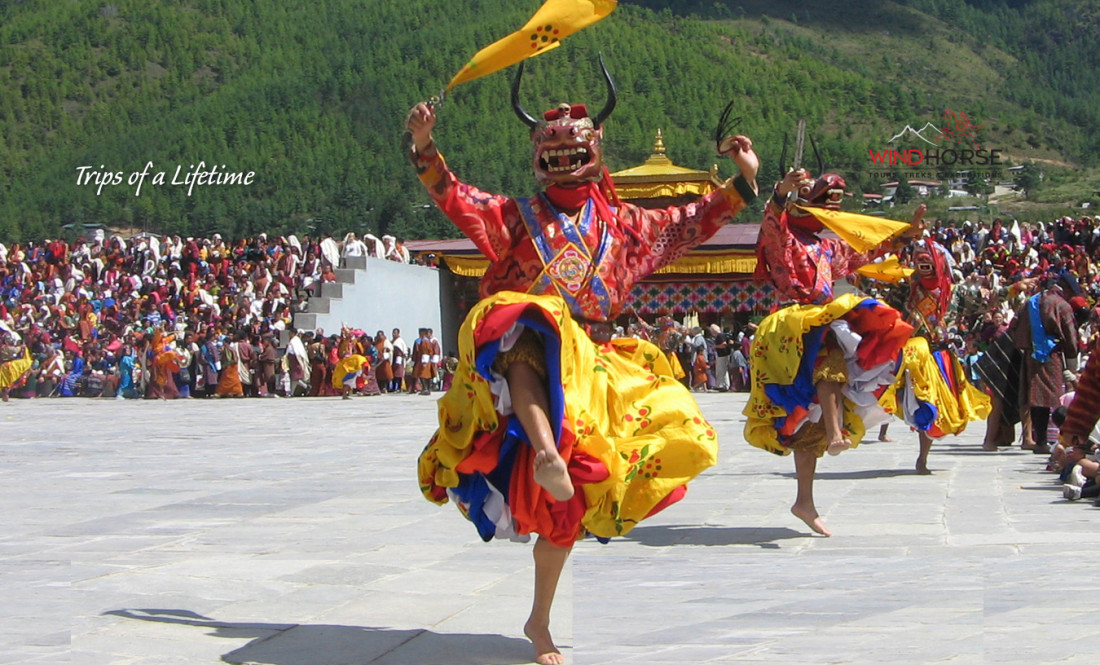

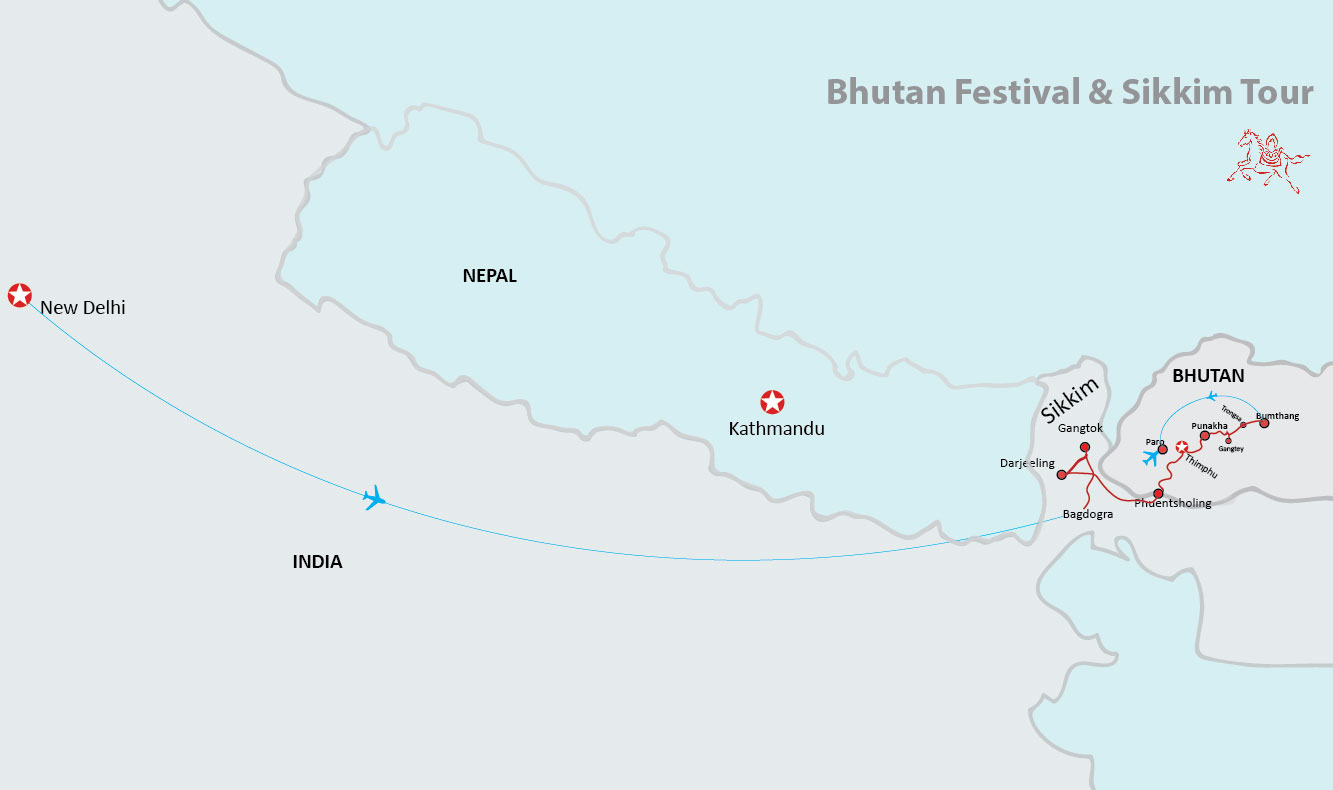
Bhutan Festival & Sikkim Tour
Sikkim Darjeeling Tour with Festival in Bhutan
-

Duration
17 Days -
 Culture Tours
 -
 Festival Tours
 -
Easy

 Overview
 Costs
Costs Included
 Itinerary
 Trip Review
 Tour Leader
 Trip Photos
Bhutan Festival and Sikkim tour is a journey of Geographical and cultural contrasts, as you travel from a rich mixture of ecosystems ranging from sub-tropical to the high mountain ranges, and across unique culture and traditions. Join us on this life-changing journey that begins in the Indian state of Sikkim, where you’ll explore mountain monasteries, sip tea beneath the Himalayan peaks at the Raj-era hill hotel in Darjeeling, then cross the vast plains of Dooars to the magical Kingdom of Bhutan.
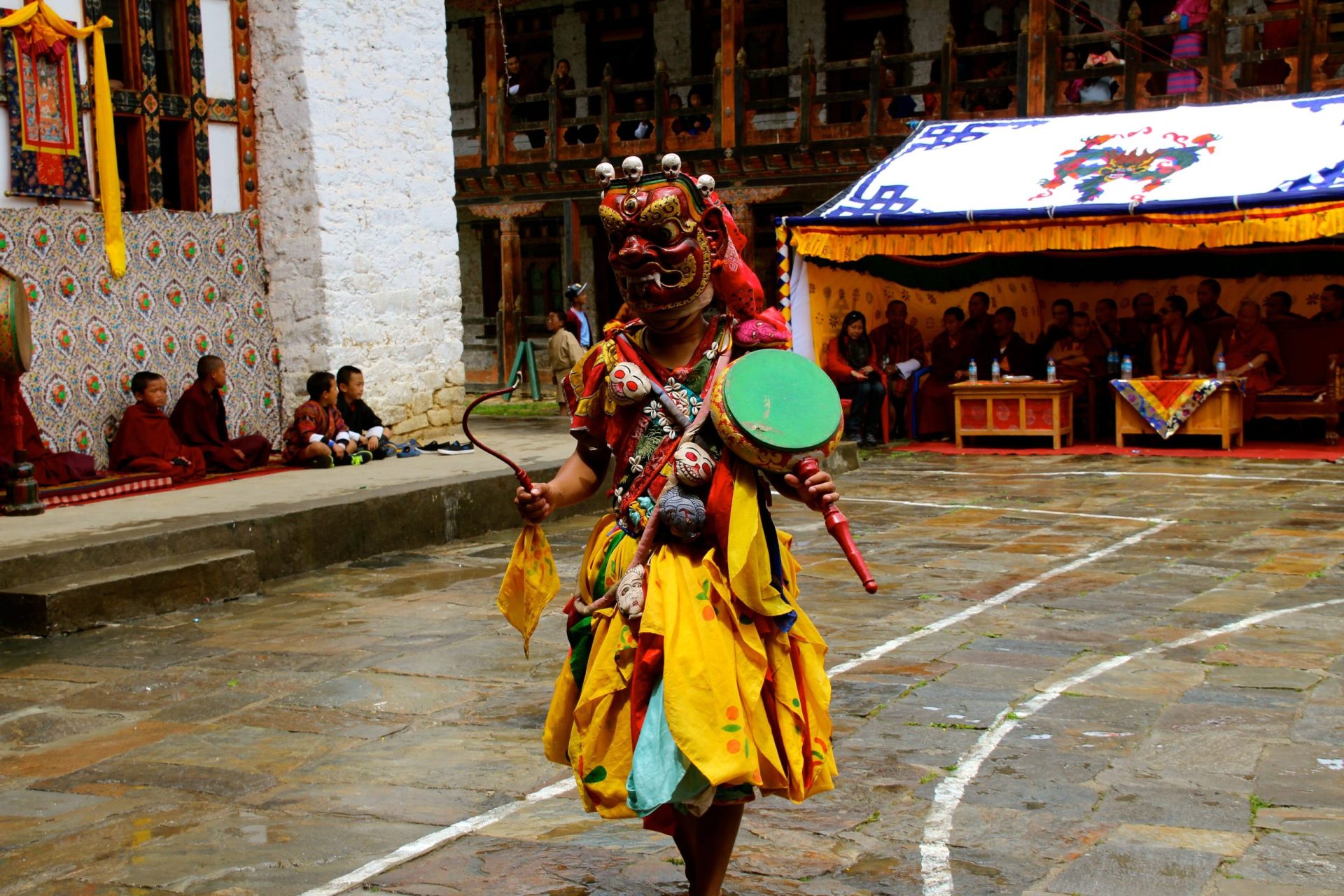
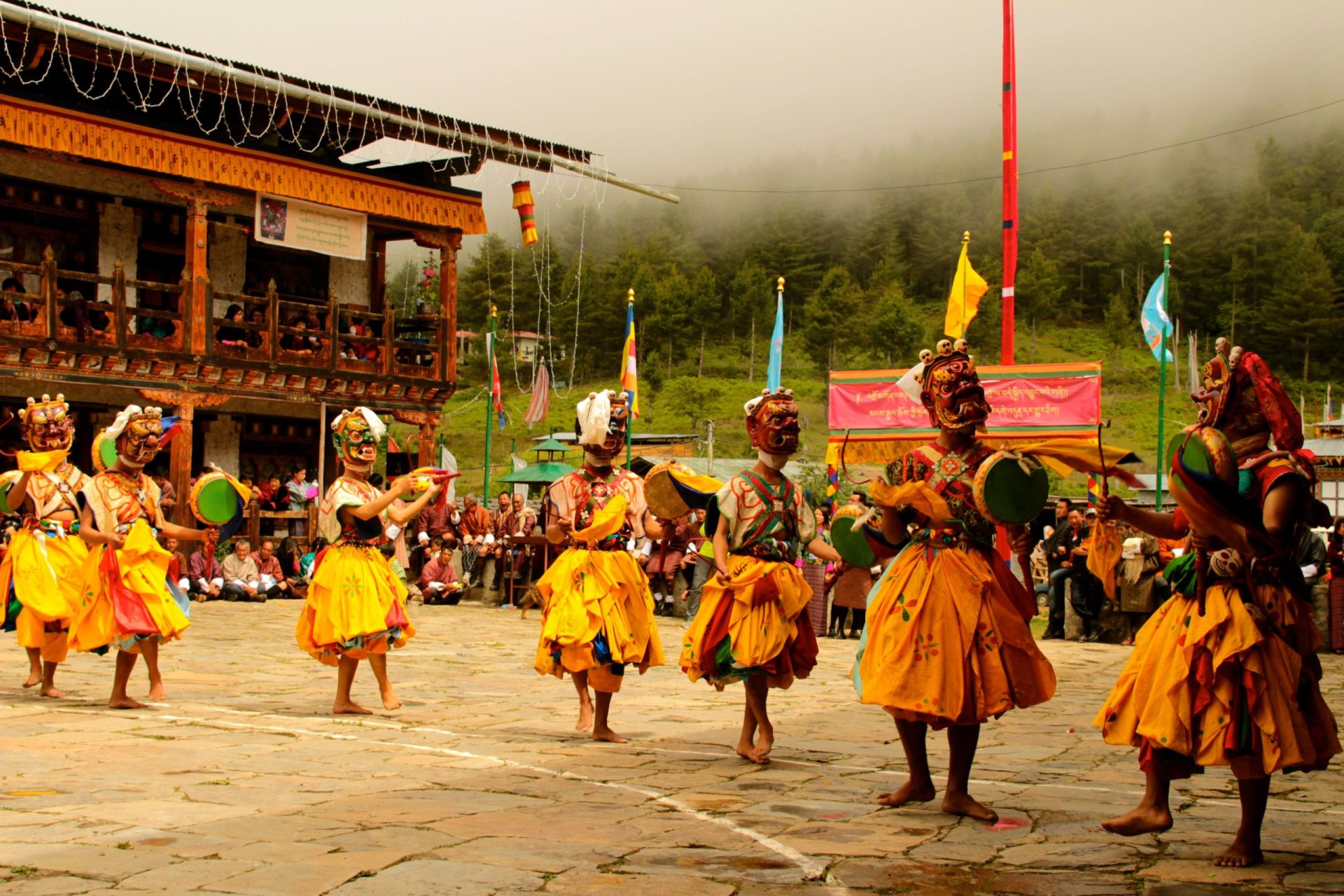
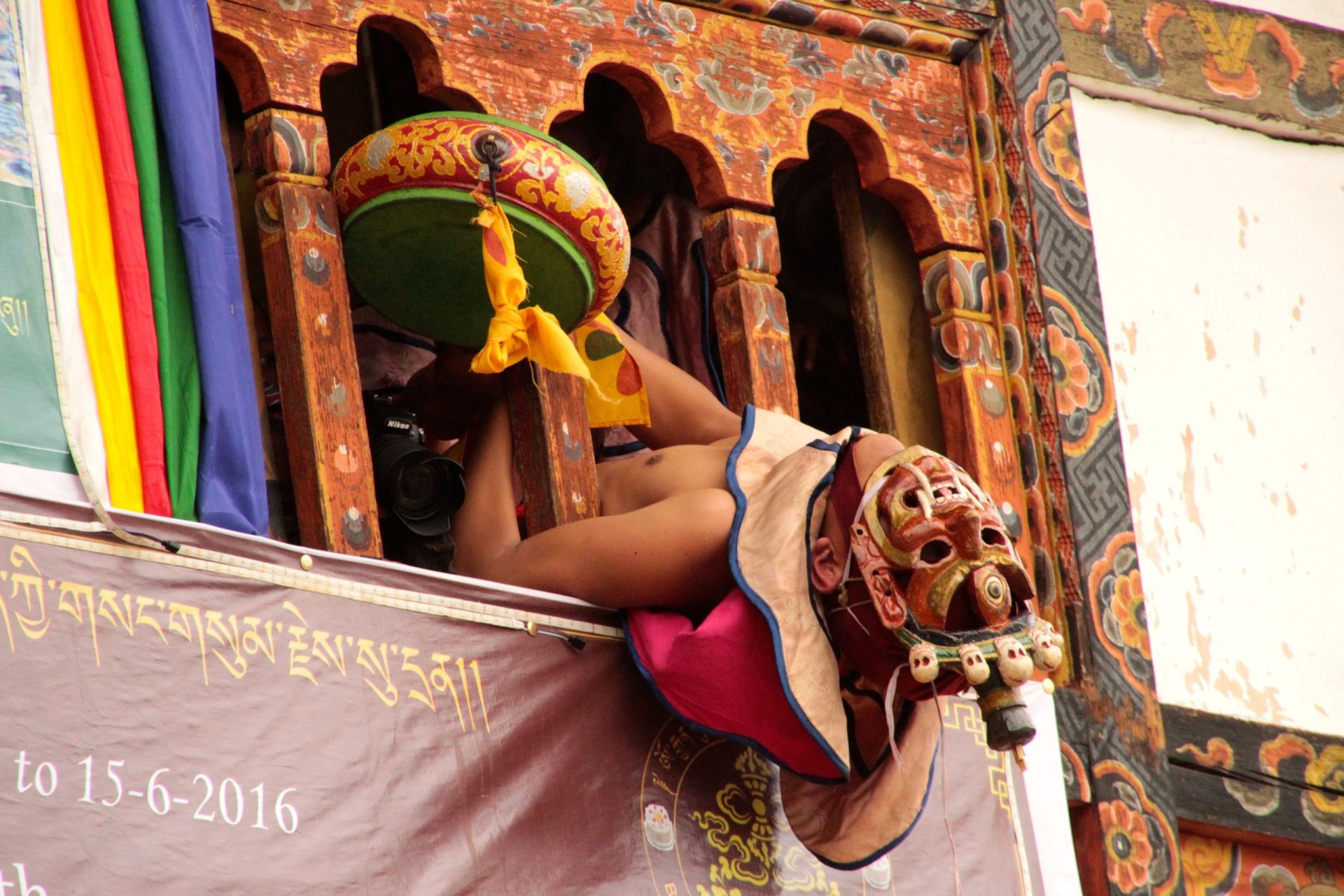
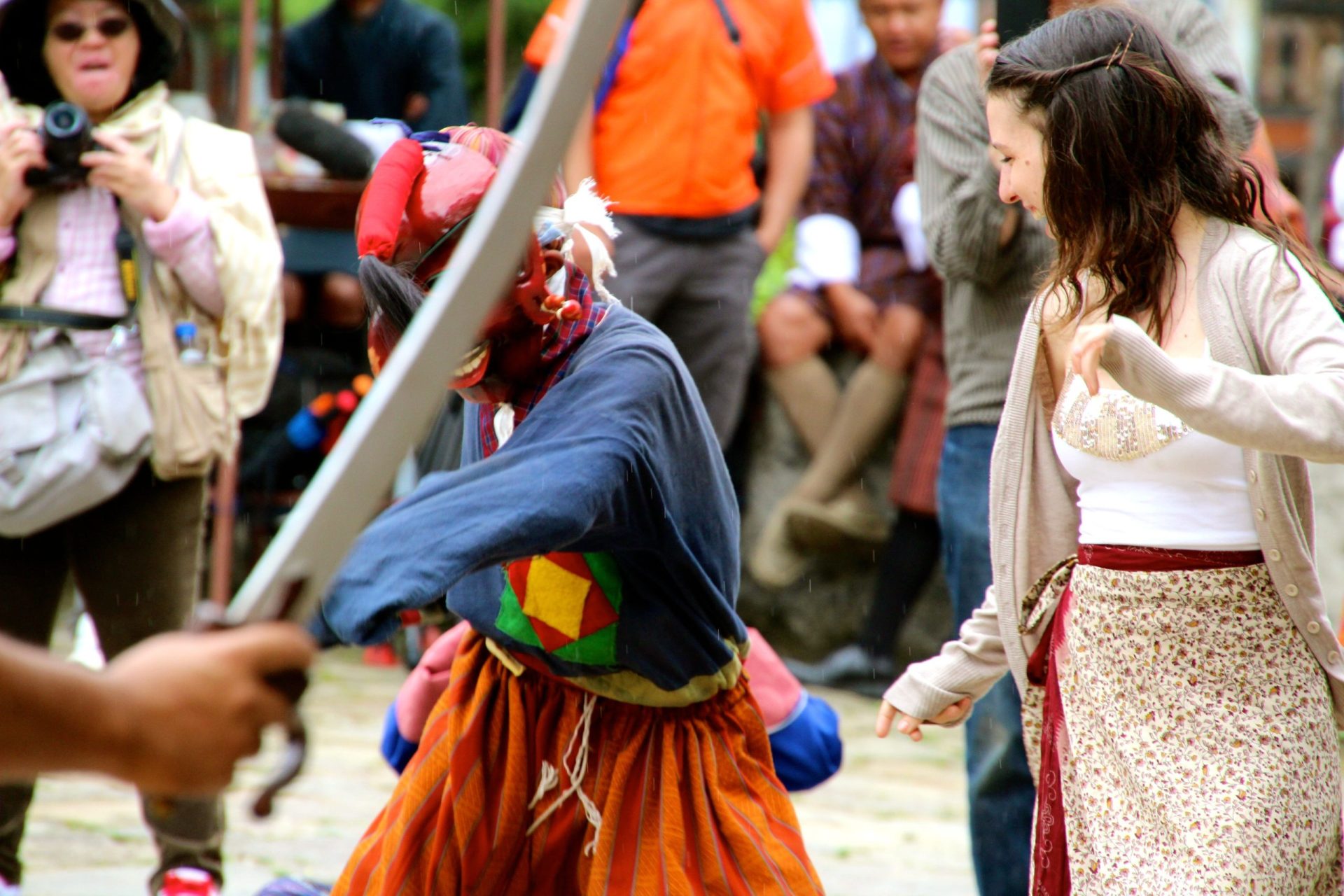
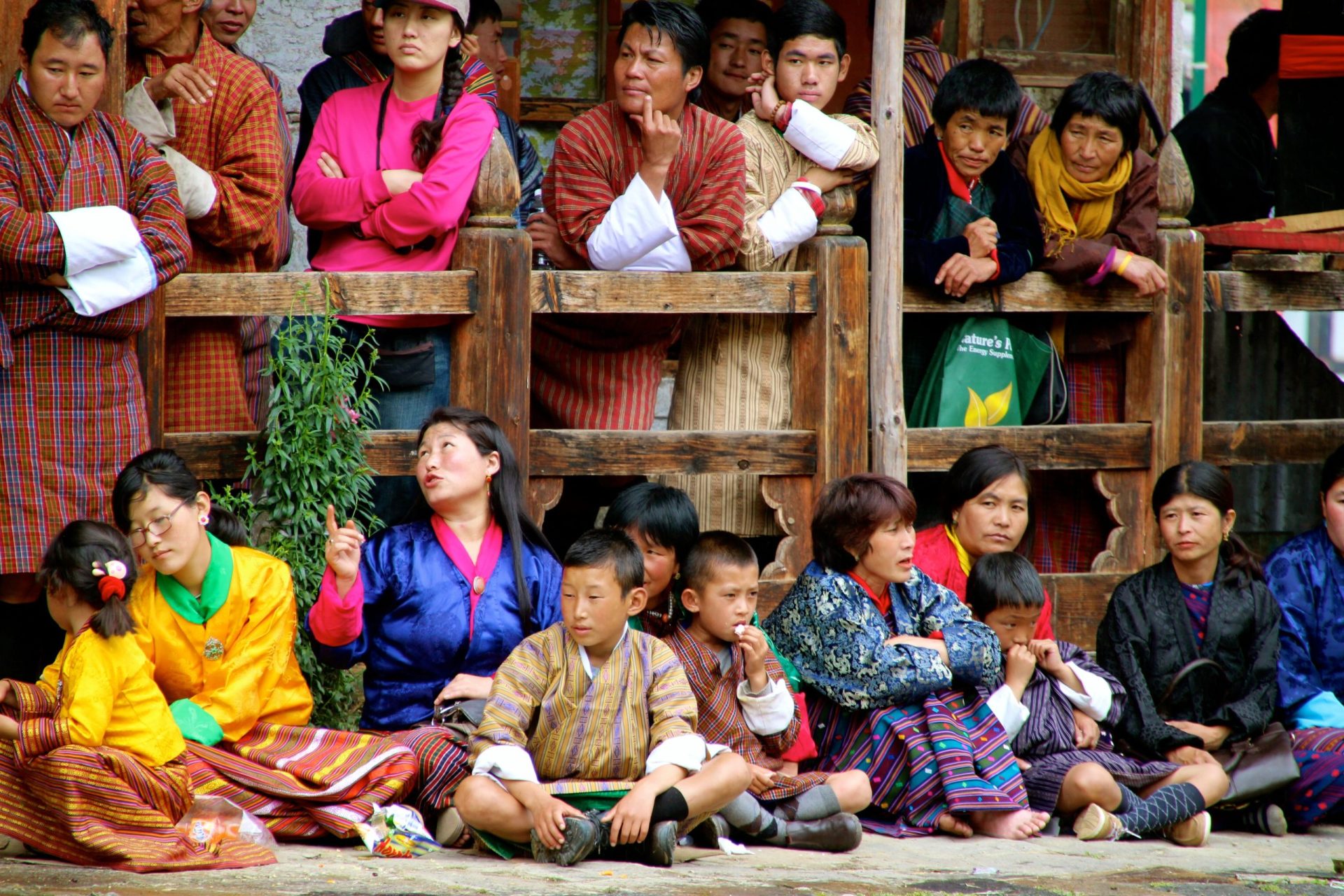
Amid verdant valleys dotted with historic fortresses and shrines, delve into Bhutan’s rich culture, discovering how happiness is woven into the fabric of everyday life. As you travel into the heart of the Kingdom’s Bumthang district, meet with monks, nuns, farmers, children, and artisans. Explore villages, historic monuments, and sacred sights. On this trip, we also join in the celebration of one or more than one Tsechu, an extremely colorful local festival where the local community comes together to witness religious mask dances, receive blessings and socialize.
Wind Horse has been operating this tour for the last 10 years with a small modification each year. In the past, we used to start the tour in Bhutan, but this year, we are starting the tour from Sikkim. We have also have added a flight from Bumthang to Paro, to cope with changing road conditions.
Outline Itinerary
Day 1: Arrive in Delhi
Day 2 & 3: Gangtok, Sikkim
Day 4 & 5: In Darjeeling
Day 6: Phuentsholing, Bhutan
Day 7 & 8: Thimphu, the capital of Bhutan
Day 9 & 10: In Punakha /Wangdue valley
Day 11: Gangtey, Phobjikha valley
Day 12 & 13: In Bumthang
Day 14, 15 & 16: In Paro valley and hike to Taktsang
Day 17: Departure
- Famous hill stations of Sikkim and Darjeeling
- Tea plantations
- Absorb diverse Buddhist traditions
- A journey between India and Bhutan to appreciate the natural and cultural diversities
- Wander in bazaars, villages, and towns
- Meet monks, nuns, farmers, and children and interact with them
- Join in the celebration of a colorful festival or two
- Try out local foods
- Hike to famous Tiger’s Nest Monastery
- Enjoy spectacular views of snow-capped Himalayas from several locations on this trip
Overview
Trip Type
Culture Tours
 Activities Included
 Accommodation
3-4 star hotels, boutique lodges and best available lodges
Accommodation
3-4 star hotels, boutique lodges and best available lodges
 Meal
All meals (except in Delhi, where only breakfast is included)
Meal
All meals (except in Delhi, where only breakfast is included)
 Best Seasons
We align this group departure with prominent festivals that fall during Spring and Fall. As for private trip this can be taken throughout the year.
Best Seasons
We align this group departure with prominent festivals that fall during Spring and Fall. As for private trip this can be taken throughout the year.
 Route
Delhi, Bagdogra, Gangtok, Darjeeling, Phuntsholing, Thimphu, Punakha, Gangtey, Bumthang and Paro
Route
Delhi, Bagdogra, Gangtok, Darjeeling, Phuntsholing, Thimphu, Punakha, Gangtey, Bumthang and Paro Best Months
January, March, April, May
Best Months
January, March, April, May  Good Months
April, May, July
Good Months
April, May, July  Lean Months
April, May, June
Lean Months
April, May, June  Not Recommended Months
April, December
Not Recommended Months
April, December - Famous hill stations of Sikkim and Darjeeling
- Tea plantations
- Absorb diverse Buddhist traditions
- A journey between India and Bhutan to appreciate the natural and cultural diversities
- Wander in bazaars, villages, and towns
- Meet monks, nuns, farmers, and children and interact with them
- Join in the celebration of a colorful festival or two
- Try out local foods
- Hike to famous Tiger’s Nest Monastery
- Enjoy spectacular views of snow-capped Himalayas from several locations on this trip
Cost Information
During the tour, all your foods are included in the package (Lunch, Breakfast, and Dinner with hot drinks), the foods will be served as per the package program and besides that, any personal and Barber bills would be extra.
Included
- All transfers
- Sightseeing with entrance fees
- English speaking local tour guides
- Accommodations in listed hotels or similar (3 & 4 star type mix, with good location, local character, and good, if not best reviews)
- All meals throughout the trip (except in Delhi, where only breakfast is included).
- Bottled water in the vehicle (during the day)
- Bhutan Visa and all required permits.
- Bhutan’s daily tourists’ fees
- Flight Delhi to Bagdogra
- Flight Bumthang-Paro
Not included
- Indian Visa.
- Flight into Delhi
- Flight out of Paro
- Medical Insurance
- Bar/Beverages, Laundry, Gifts, Gratuities and other personal expenses not listed in included section
Detailed Itinerary
Expand AllArrive in Delhi
Meet and transfer to the hotel in Aero city. Free to pursue your own interests.

 Altitude:
225m
Altitude:
225m
 Duration:
2 Hrs drive from Airport to Hotel
Duration:
2 Hrs drive from Airport to Hotel
Gangtok, Sikkim
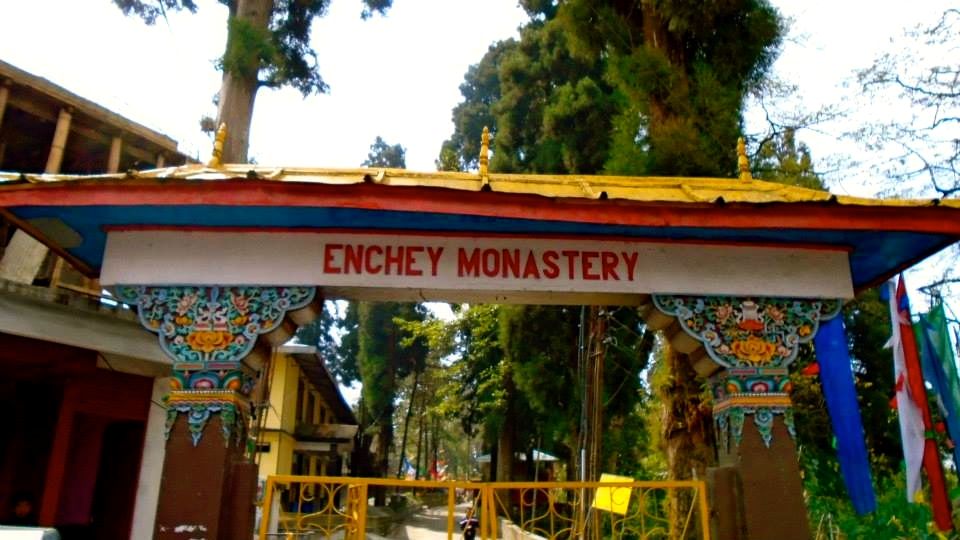
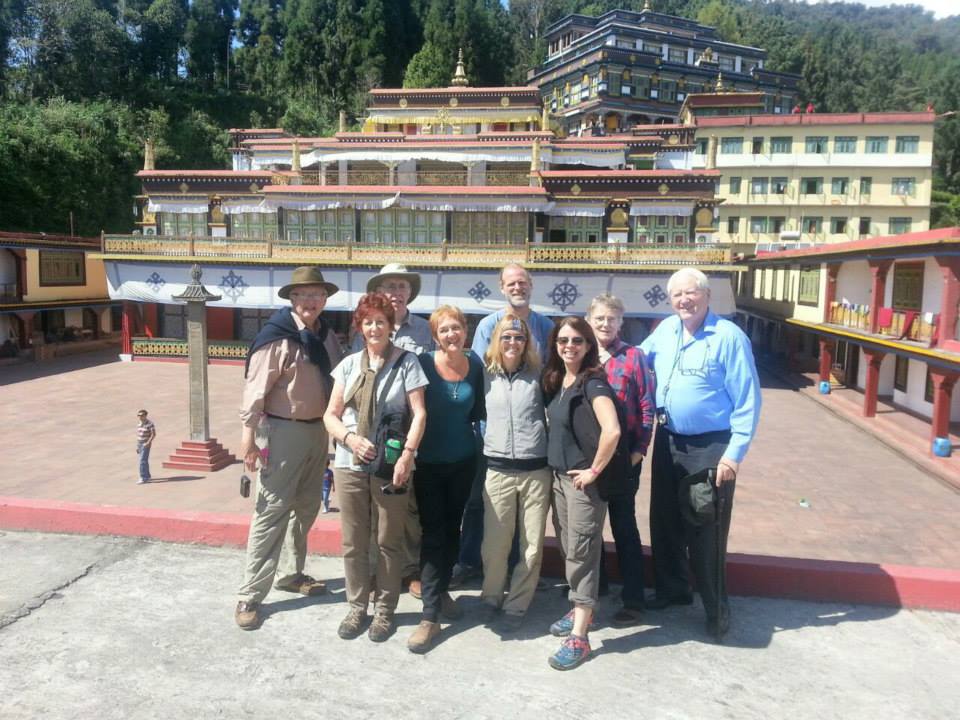
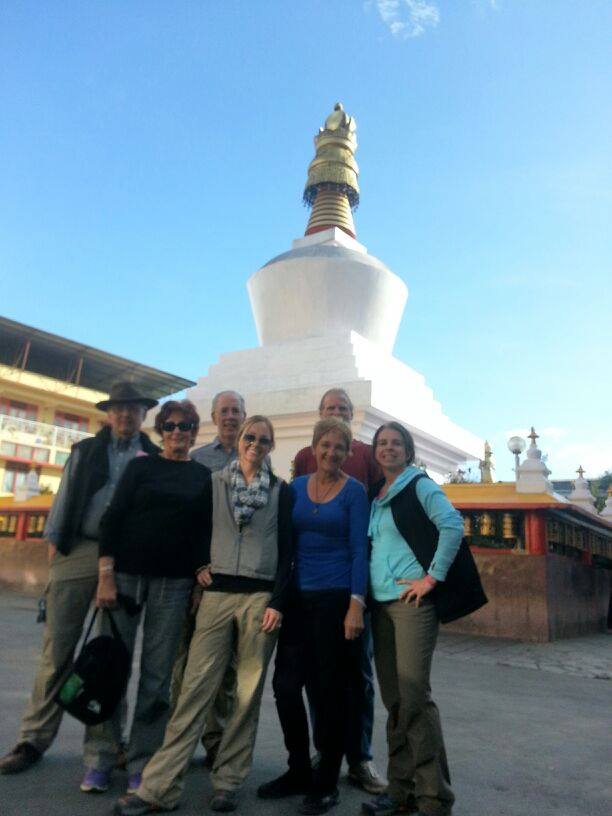
Meet the group during breakfast. Transfer to the airport in time for the morning flight to Bagdogra airport, near Siliguri. Meet our local guide and drive to Gangtok, where you spend two nights. Visit monasteries, viewpoints, Flower Exhibits, the local market, and other attractions (some places will be covered on foot). Overnights in a hotel.

 Altitude:
1,650m
Altitude:
1,650m
In Darjeeling
Explore the queen of the hills, spread over the ridges, surrounded by emerald-green tea plantations and towered over by majestic Khangchendzonga. Spend two nights in a comfortable Raj-era hotel.
Altitude:
2,045m
Phuentsholing, Bhutan
En-route to Phuentsholing, we have an opportunity to meet the natives of Dooars working in Tea Estates. Immigration formalities and enter the Bhutanese frontier town.
Altitude:
293m
Thimphu, the capital of Bhutan
Journey up the hills, through changing vegetation, past villages and waterfalls to the bucolic capital of Bhutan.
Altitude:
2,307m
In Punakha /Wangdue valley
Cross the spectacular Dochula pass with the panorama of Bhutanese peaks and descend into a semi-tropical valley, covered by terraced rice-fields.
Altitude:
1,200m
Gangtey, Phobjikha valley
Climb up to the alpine setting of Phobjikha valley (2900m), the highest night halt on your journey. For some departures, we visit Gangtey and stay in Trongsa.
Altitude:
2900m
 3 star hotel
In Bumthang
Visit Trongsa Dzong, perhaps the most spectacularly sited Dzong (fortress cum monastery) in Bhutan. Then cross into Bumthang, the spiritual and cultural heartland of the Kingdom. Spend two nights in the valley of buckwheat fields, apple orchards, and chalet-like houses, surrounded by pine-forested hills.
Altitude:
3,650m
3 star hotel
In Paro valley and hike to Taktsang
This 20-min scenic flight whisks you to Paro, avoiding the long winding road back. You have one and a half-day to explore serene Paro valley and a day dedicated to hiking to the iconic Taktsang (tigers nest) monastery.
Altitude:
1,000m
Departure
Transfer to the airport in time for your departure flight. You could return to Delhi or go to Kathmandu, Kolkata, Bangkok, and some days even to Singapore.
Group Travel Dates
Traveller Review

Dr Lorenz Cueni (, USA)
April 3 -19,2017Dear Anand – Thank you so much for your email. I was planning on writing and giving my thoughts, but you prompted me to get started.
Firstly, I would like to thank everyone for their help in such a splendid trip. We thoroughly enjoyed every moment.For the sake of simplicity and time, I will condense my comments instead of in a paragraph form. ORGANIZATION
Excellent. Over the course of the past year, my questions were always answered promptly and professionally.
GUIDES.
Excellent. Very attentive and wanting to please.
DRIVERS
Excellent. I still admire the way they navigated the mountain turns!
ACCOMMODATION.
Excellent. One exception being Hotel Y.T. Punakha. Not because there was anything bad, but it totally lacked any kind of charm. The ladies at this hotel were particularly lovely.
FOOD
Generally good. It was basically hit and miss, but this did not bother us.
COMMENTS
I thought the itinerary was very good, but if I planned such a trip again I would do it as follows.
Darjeeling 2 nights.
Kalimpong 2 nights (Would love to have stayed here longer).
Phuentsholing 1 night.
Thimphu 2 nights.
Panakha 2 nights (My favorite area)
Paro 2 nights.
I would not include Sikkim. The roads in Bhutan gave us more than enough mountain driving for such a brief visit.
Thank you again and let me know if I have missed anything!
Best
TID – 8553, Guide (Bhutan) – Penjor Lhendup, Guide (Sikkim& Darj) – Nima Dhondup Bhutia
Avril (Mill Valley, USA)
April 05 - 16, 2015
TID 781 (Oct 03 – 19, 2014)
My partner and I recently participated in the Windhorse Tour to Bhutan, Sikkim and Darjeeling. We had a marvelous time. We were both extremely impressed with the knowledge and enthusiasm of our Bhutanese Guide, Sonam. And our bus driver, Arun, did an amazing job keeping us all safe amidst the traffic on the curving mountain roads. Our guide in Sikkim and Darjeeling was excellent as well. Plus, the Windhorse office staff was efficient and did all they could to make the appropriate arrangements for the trip in a timely fashion. I am so pleased that we chose a tour group that is not only run by Bhutanese but also has a strong track record and an office presence in the United States. We had an excellent experience not only in Bhutan, but also in Sikkim and Darjeeling. I strongly encourage you to book your tour through Windhorse.
Peter
Peter Wright (, Santa Barbara ,California USA)
Oct 03 - 19, 2014Bhutan Festival & Sikkim -Extension tour in Nepal (27th Oct- 12th Nov 2014) TID
My wife and I would like to thank Wind Horse for organizing an awesome trip through Nepal, Bhutan, n Sikkim and Darjeeling. (Bhutan Festival – 24.10 – 11.11). We found this tour operator through internet and Wind horse reacted immediately to our enquires and provided excellent service from the first contact till the end of the trip We spent two days in Kathmandu, with a very professional guide and driver, before entering Bhutan. Here we met Nim, our guide, and Tashi, our driver and three fabulous ladies which were the other tourists making our small group. Nim a charming young person, was very knowledgeable and absolutely competent. Tashi is an excellent driver, and we felt safe in his hands. Both of them were very professional, most of the time exceeding the expectations; a pleasure to be with. At the Sikkim border, a problem arose with our passports. Though we were not allowed to enter this State, Louis, our new guide within India, promptly found a solution : he continued the tour to Sikkim with the other component of our group and, he organized an alternative program for us.
Wind horse provided us with a new guide , Sonam and driver, Sundar , at no extra cost! After two days, we rejoined the group and finished out trip in Darjeeling as per schedule. Also in this part of the journey, the guides and driver were excellent. The whole trip was absolutely superb, a good combination of site visiting, easy trekking and days of driving .We enjoyed any single day and we really recommend Windhorse.!
Isabella & Bernard J (, Belgium)
Oct 27 -Nov 12, 2014Bhutan Festival Sikkim Tour TID 781 Oct. 03 – 19, 2014.
My partner and I recently participated in the Wind horse Tour to Bhutan, Sikkim and Darjeeling. We had a marvelous time. We were both extremely impressed with the knowledge and enthusiasm of our Bhutanese Guide, Sonam. And our bus driver, Arun, did an amazing job keeping us all safe amidst the traffic on the curving mountain roads. Our guide in Sikkim and Darjeeling was excellent as well. Plus, the Wind horse office staff was efficient and did all they could to make the appropriate arrangements for the trip in a timely fashion. I am so pleased that we chose a tour group that is not only run by Bhutanese but also has a strong track record and an office presence in the United States. We had an excellent experience not only in Bhutan, but also in Sikkim and Darjeeling. I strongly encourage you to book your tour through Wind horse.
Peter W (, Sonora Drive, Santa Barbara, California )
Oct. 03 - 19, 2014.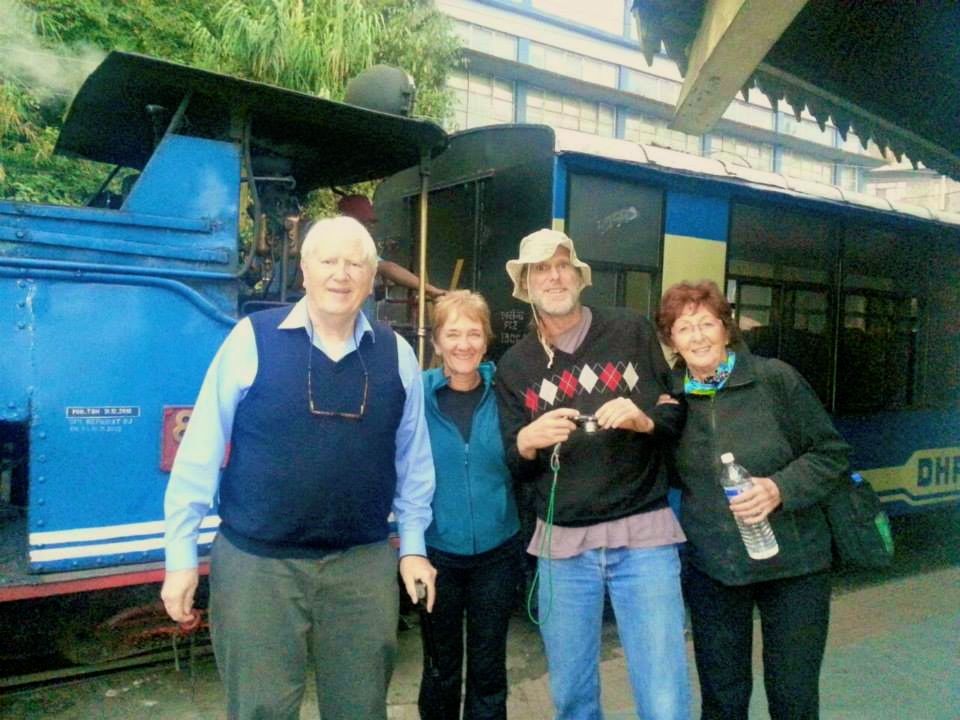
Bhutan Festival & Sikkim Tour ( 3 to 14 Oct, 2014) TID 781
Dear Wind Horse and future Wind Horse travelers,
I would like to start off by saying thank you for providing such an amazing trip!
Touring Bhutan and India with Wind Horse was actually my first experience out of the country. I was provided with an abundance of information from the company, from helpful packing tips to how to obtain our Indian and Bhutan visas. Any questions that my travel partner or I had were answered in a very quick manner, which was greatly appreciated.
Michele H (, Sonoma. Ft. Myers Florida,USA )
3 to 14 Oct, 2014TID 781 Bhutan Festival & Sikkim Tour (3 to 14 Oct,2014)
Dear Anand:
Thanks for your email looking for comments about my trip recently to Bhutan.
It was a thoroughly enjoyable trip and made doubly so by Sonam’s (Pelden) professional ability to guide us. He paid attention to all members and I was amazed at his knowledge of Buddhism and the life of the Bhutanese. Despite the road conditions as well I had great confidence in Arun’s ability to get us safely through any potential dangerous situations.
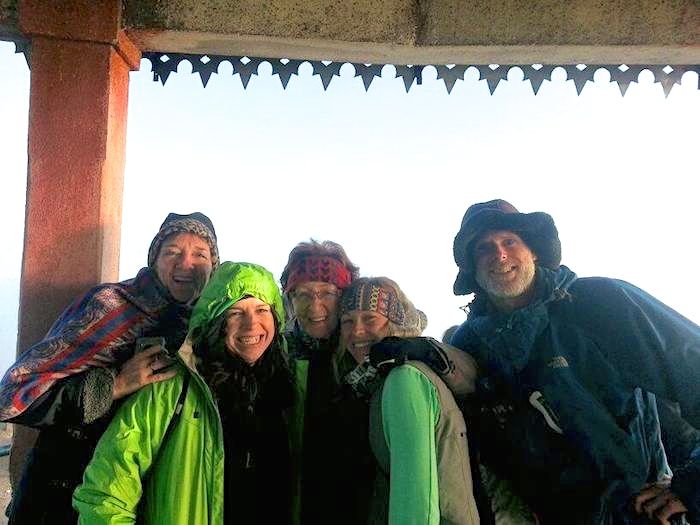
Some feedback:
At some point in the tour I, and the other members, felt overwhelmed with visiting monasteries so our request to visit a farmhouse was arranged by Sonam the next day. Speaking for myself, I certainly felt it was a good addition to the tour. While I am travelling I do enjoy visiting local people so often a school or a hospital is on my agenda. Perhaps that could be considered in the future.
As a vegetarian, I was certainly able to find sufficient on the buffet table, although perhaps it was very carbohydrate-laden with rice, potatoes and noodles together. As a rule, western tourists would eat only one of those at a sitting.
In addition, our guide in Sikkim and West Bengal, Nima, was equally knowledgeable and professional in his care of the group. He was able to help me connect with a Darjeeling hospital through his niece so that I could visit the newborns and their mums.
I chose Wind Horse, partly on the recommendation of friends who had previously taken one of your tours, but price was certainly a factor. However, I certainly didn’t feel that, because yours were cheaper than other companies, I received inferior service. So, thanks to all concerned at Wind Horse and I wish you success in the future.
Regards,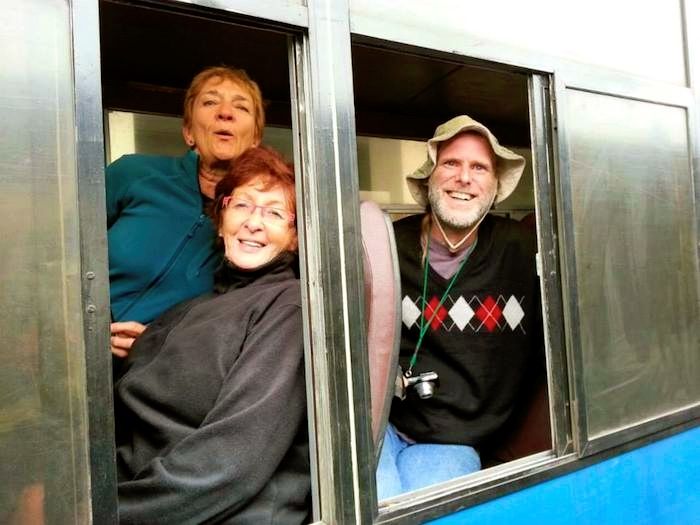
Rosemary J (, crescent Vernon,CANADA )
3 to 14 Oct,2014TID 693 From 10.04.14 to 24.04.14
Dear Anand!
We are very sorry for our delay for writing comments and feedback.
Time now is a bit more relaxed, summer holidays already started and for the next 2 month sometimes even you are not on holidays you think somehow you are. You try to call someone or send an email and you get the response that the person you wanted is on holidays for 2 or 3 weeks.
First of all thank you to Windhorse travel and all persons involved for the perfect planning, realization and finish of your trip.
We could it make us simple and easy with our comments and just say, it was wonderful, excellent and we can recommend you in all conscience.
But that would be too easy.
So we will start with our comments:
Booking procedure: best score
I sometimes was a bit nasty with my questions and all were answered in the best way, thank you J
Welcome in Paro: best score – what a surprise to meet with the people we exchanged so many emails
Treasures of the Thunder Dragon: very interesting book and a wonderful memory of Bhutan
Invitation to the evening event: we enjoyed it a lot to meet all of you and had a really nice chat with the Australian couple. Good food, nice drinks and wonderful mask dances
Tenzingling Hotel:
Good hotel, nice and big room. One problem is the heater, which has not the power to warm up the room. We were happy with our sleeping bags, without I would have killed you J.
The Studiosus group also complained about the cold rooms.
Why not to mention that it could be a good decision to bring a sleeping bag in case you are a person who is bit chilled through.
The food was excellent, we enjoyed it very much.
Festival: If you have a thermo cushion with you, you would feel comfortable. There were a lot of tourists equipped with cushions. So why not to mention it in the tour program.
Tiger Nest: Bhutan is a country where environment protection has a high value. So why there are no dustbins on the way to the Tiger Nest or if you find one, it is awfully cramped and no one takes care to empty them. Not a very pleasant impression.
Hotels in general: We were very satisfied with all the hotels we have had.
Tour guides and drivers: Excellent, reliable, handsome, good drivers, skilled tour guides.
Kalimpong: We were there on a Sunday and most of the shops were closed and also the orchid garden, which was in the tour program. Would be nice to mention, that shops are closed on Sundays and try to check if this kind of gardens are open.
Photos: As promised, we will send the one or other not common photo. But Franz is still in working process and not finished with brush them up with PhotoShop.
Well, I hope I have done a good job in commenting and hope to hear from you.
Please say hello to Jambay.
Best regards from Vienna
Mrs Gabriel K (, Vienna, Austria )
April 10 -24, 2014Bhutan Festival & Sikkim Tour TID 598 (Mar. 22-Apr. 07, 13)
Ugen/Jambey.Hello
Have returned home from the above trip which was enjoyed immensely. It was also nice to have met you after so many emails back and forth over the last few months! I enjoyed the trip very much indeed; it was a great experience to spend time in your wonderful country.
Penjor was a delightful guide who was very efficient and unassuming. I liked him very much indeed! I did find that he struggled a bit with his English and consequently did not always offer the information that he would have done otherwise. For example he could have described in more detail the education system, or the houses or more about the upcoming election or customs such as marriages and how you welcome people into their homes. A suggestion would be to help overcome this could be an organized visit to a school or perhaps to have visited a house or farm during which we could have then asked pertinent questions which I’m sure he could have answered. I ‘m sure his character is typically Bhutanese in that he doesn’t need to fill every moment with information as probably we do in the west, but I think there are ways around this. He is such a lovely man who was very caring especially when Marj was not well and certainly was one of the best guides that I have met. There was a traffic jam for over 3 hours when a lorry got stuck and somehow he managed to get us through before all the other cars and lorries (a little embarrassing as we did not deserve preferential treatment ) but we were very grateful non the less! I was very sad to say goodbye to him.Dorje the driver was superb! The whole trip could have been spoiled if he had not been such a brilliant driver. He took great care and consideration to the whole group and just got on with his job. He cared about the bus and kept it immaculate and after a hard day was immediately up the ladder to get our bags down. Absolutely fantastic!
Nima ‘s English was very good indeed but he didn’t have the caring quality that Penjor had. He was prone to disappear as soon as he could, on the occasion below and in Darjeeling when we were waiting for the train in Darjeeling for 2& half hours when he was waiting in Ghum for us. There were other occasions as well. There was an incident at Gantok after a very long day when Marj and I were given our room keys saying that there was only one room with twin beds which were to go to Greg and his daughter and in so many words said we would have to put up with it. I didn’t make a fuss as often there are two beds together which would have been fine. Our bags were taken up and we realized that it was most unsatisfactory so we went back to the reception to ask if they had another room. They said they hadn’t but we rather suspected that they had. We were even shown to a store room where we could have had a ‘put you up bed ‘ transferred to our room! We asked him to get in touch with Nema who proved to be difficult and it took three quarters of an hour before he was found. We were very cross by this time and it was only because of our persistence we were ‘ upgraded ‘ to the room next door to ours! Nema could have got this organized in a few minutes but he wasn’t there. In addition the man on reception was not very pleasant saying that we would have to pay for the upgrade and kept saying he hadn’t got anything else. The rooms were very poor and the towels and linen were disgusting and looked although they had been used to wipe the floor. The rest of the staff were trying very hard and were pleasant but didn’t know what they were doing. (Lack of training!) I think that if it is possible to get a better hotel in Gantock then it would be appreciated by your guests. All the other hotels were fine. The most important thing is that they are comfortable and clean. (We did like the Mayfair!) but we were very happy with the more simple ones.The two drivers of the cars in Sikkim and Darjeeling were also very good and again we felt quite safe on very difficult roads!
I would certainly recommend others to ‘Wind horse’ and hope that you go from strength to strength.
My very best wishes and thanks
Sue Glassford
Sue Glassford (, United Kingdom )
Mar. 22-Apr. 07, 13Bhutan Festival & Sikkim Tour:TID 598 (Mar 22-Apr 07 2013)
Dear Ugen,Jim and I have traveled to 106 countries. The Bhutan Festival & Sikkim tour we booked through you was fantastic and ranks as one of our favorites. It was truly a journey of discovery.The small group size (9 pax) was manageable and made for a more personal experience.We were pleasantly surprised with the quality and abundance of food along with the choice of accommodations. All were more than we had expected.Penjor, our Bhutan guide, was one of the most considerate, caring guides we have ever met. He handled everything so smoothly and efficiently from personally seeing that we were settled in our rooms, calling ahead from the bus about our meals, to freeing us from a road jam in the mountains. He went above and beyond what was expected. He is a gem!!Nema, our India guide, was a great disappointment. He was very aloof and cold. Although he traveled in our vehicle every day, he never talked to anyone unless someone asked him a question.Moreover he was at times very impatient and rude. For example, because he walked very fast, he had a habit of explaining things before all the members of our group caught up to him. When I asked him to repeat what he had said, he snappishly said “Well, you weren’t listening were you?” I was very offended and told him I couldn’t possibly have heard him since he began talking before our half of the group had even gotten close to him.Additionally, he always appeared in a hurry to leave the group at the door of each hotel and never stayed to make sure that we were all checked in. In fact, the two English ladies on our tour had a problem with their room at one stop and no one could locate Nema. Even the hotel desk could not reach him and had to call the India office to get a message to him to return to the hotel and help correct their room situation.And unlike Penjor, Nema never called the hotels during the day to make sure the correct number of single and double rooms were available. Neither did he call ahead to check on lunches, which resulted in our showing up at one location to find that no meal had been prepared for us. This resulted in a long delay before we could eat while the restaurant began cooking for us. This is inexcusable.
Except for Nema, the tour of India was was wonderful. And the Mayfair Hotel was a luxurious way to end the tour!!
Thank you again for the opportunity to experience your beautiful country and the pageantry of the Paro Festival!
All the best,
Jim & Carol (, United States Of America )
Mar 22-Apr 07 2013Bhutan Festival & Sikkim Tour TID 598 (Mar. 22-Apr. 07, 13)
Ugen, Jambay:It was a pleasure meeting you too. I enjoyed the trip immensely, and would have no hesitation in recommending Wind horse in the future. I found the guides to be satisfactory, and the drivers to be wonderful. My only recommendation for improvement would be to explore alternate hotel options in Gangtok. The hotel there was badly in need of new linens – all bed sheets and towels were terribly stained, giving the impression that the hotel was not clean, even though the room appeared otherwise clean. Also, the hot water was feeble at best, and the staff was very poorly trained.
Otherwise, I have no complaints, and wish you continued success.
Best wishes, Laura
Laura M Lucier (, USA)
Mar 22-Apr 07, 13TID 630 Bhutan Festivals & Sikkim (Jambay Lhakhang)
Hi Ugen
Just wanted to give you some feedback now that we are back home. We were on the festival tour Oct. 16. We really liked Bhutan, the sights and the people, but unfortunately we were not really satisfied with our guide. Namgyol was very knowledgeable about Buddhist sights, but unfortunately he provided little or no information about the culture, social and educational information, etc. although we kept asking him those types of questions. He was very concerned about our comfort when we checked into hotels. Therefore we learned very little about the country which took away from our trip.
I am providing you with this feedback as we feel you are a very good tour operator and would want to know this.
Judith S (, Tucson, Arizona, USA )
Oct 16 - Nov 01,2013TID 598 Bhutan Festival & Sikkim Tour (March 22nd to April 7th 2013)
Dear Ugen,
Jim and I have traveled to 106 countries. The Bhutan Festival & Sikkim tour we booked through you was fantastic and ranks as one of our favorites. It was truly a journey of discovery.
The small group size (9 pax) was manageable and made for a more personal experience.
We were pleasantly surprised with the quality and abundance of food along with the choice of accommodations. All were more than we had expected.
Penjor, our Bhutan guide, was one of the most considerate, caring guides we have ever met. He handled everything so smoothly and efficiently from personally seeing that we were settled in our rooms, calling ahead from the bus about our meals, to freeing us from a road jam in the mountains. He went above and beyond what was expected. He is a gem!!
Nema, our India guide, was a great disappointment. He was very aloof and cold. Although he traveled in our vehicle every day, he never talked to anyone unless someone asked him a question.
Moreover he was at times very impatient and rude. For example, because he walked very fast, he had a habit of explaining things before all the members of our group caught up to him. When I asked him to repeat what he had said, he snappishly said “Well, you weren’t listening were you?”
I was very offended and told him I couldn’t possibly have heard him since he began talking before our half of the group had even gotten close to him.
Additionally, he always appeared in a hurry to leave the group at the door of each hotel and never stayed to make sure that we were all checked in. In fact, the two English ladies on our tour had a problem with their room at one stop and no one could locate Nema. Even the hotel desk could not reach him and had to call the India office to get a message to him to return to the hotel and help correct their room situation.
And unlike Penjor, Nema never called the hotels during the day to make sure the correct number of single and double rooms were available. Neither did he call ahead to check on lunches, which resulted in our showing up at one location to find that no meal had been prepared for us. This resulted in a long delay before we could eat while the restaurant began cooking for us. This is inexcusable.
Except for Nema, the tour of India was was wonderful. And the Mayfair Hotel was a luxurious way to end the tour!!
Thank you again for the opportunity to experience your beautiful country and the pageantry of the Paro Festival!
All the best,
Carol and J (, USA)
March 22 -April 7 2013TID598 Bhutan Festival & Sikkim Tour (March 22nd to April 7th 2013)
Ugen:
Bhutan, Sikkim and Darjeeling Tour. As my daughter Laura expressed in her earlier e-mail we were very satisfied with both the tour, our guides and our drivers.Bhutan is a beautiful country and I would certainly consider another visit with other family members.I highly recommend Wind Horse tours to my friends and colleagues. It was a pleasure to meet you personally and I wish you every success with your future ventures.
Best wishes,
Greg
Gregory L (, Texas, USA )
March 22 -April 7, 2013Bhutan is a country to be seen now, not in ten years. And Windhorse has a wonderful itinerary to explore Bhutan. Judith G – Bhutan Festival & Sikkim Tour Sept-Oct 2012
Judith Glasserr (, Chapel Hill, North Carolina,USA)
Oct 12,2012Bhutan Festival & Sikkim Nov.7,2011- Nov. 23,2011
Dear Ugen, Jambay and team,
I prefer to give a personal comment (the links were indicated as perhaps insecure).
My husband and I were very pleased with the tour. We think the guide, Robin Gurung, was very knowledgeable and went out of his way to help our friend to get around which was not always easy. The driver, Mr. Dorje, as well is an excellent driver and was very helpful.
The planned itinerary was rather full. In retrospect we would have preferred some extra time to wander around or just relax and watch. If I would do the trip again, I’d rather skip the Sikkim/India part and that way gain more time to concentrate on Bhutan. Some days turned out rather tedious because they were spent being driven for hours. Overall our expectations were more than met: We enjoyed the country and its people and were very well treated by your team. We will retain a lasting and good memory. We would certainly come back to you for future trips. The guide and driver for Sikkim and Darjeeling, Sonam and Lakhba, were impeccable too. But, as said, we found the part in Bhutan was altogether most impressive.
Thanks a lot for organizing the tour so well and for having us assisted in every way.
The Pauls
Ute P. (, Feldafing, Germany )
Nov 7 - 23,2011Bhutan Festival & Sikkim Tour Sept 28-0ct 14, 2011
Hi Ugen,We are still digesting our trip – we had a great time and will write you a favorable review. The trip was very well organized and we liked the guides as well as the hotels.
Kathrina & Douglas M, Atlanta, GA, USA
Kathrina & Douglas M, (, Atlanta, GA, USA. )
Sept 28-Oct 14, 2011Dear Amit,
We were very happy with the Complete Bhutan tour. A good guide can make such a difference in one’s enjoyment of a tour and Sonam was wonderful. He’s very open and friendly and we learned a lot about Bhutan from him, not only about the places we visited, but also the food and customs and religion. Gudu was an excellent driver and also a pleasant traveling companion. We were very fortunate to have good weather almost the whole time. We found the Bhutanese to be friendly, particularly the children. We were happy with the accommodations; we were prepared for a different standard in the eastern part of the country, so that was okay, too. The least interesting part of the trip is the drive from Trashigang to Samdrup Jonghar, but that should change when the road work is completed.
Bhutan is a beautiful country made more so by the art, architecture and customs of its people. We have many great pictures to ensure we wont forget our visit. We highly recommend this tour. (In fact, we met a Canadian couple in Lachung and gave them the Windhorse website and phone number since they were interested in Bhutan).
Our visit to Sikkim was not so successful, but weather is unpredictable. I think March is not the best time to tour there. Our guide, Naresh, was excellent – amazingly, he was our guide in Darjeeling for 2 days in 2006 and he and I remembered each other right away. Driving the terrible roads is less tedious when you have good weather and great views of the mountains, which we never did. It was especially disappointing to drive all the way to Lachung and then be prevented from reaching the Yumthang Valley by snow at the pass! However, we did see some beautiful monasteries and we could appreciate the lower parts of the mountains with rivers, waterfalls and terraced fields. The accommodations were always good, as was the food. Our drivers (mostly Santosh, but also our driver for northern Sikkim) did a great job navigating the difficult roads. We would like to take this tour again some day, but definitely would come in October or November!
Finally, we really appreciated your efforts on our behalf when our flights were canceled in Guwahati. We also have to praise the Jet Airways people there, who were amazingly helpful, from taking us to a guesthouse the first day, getting our train tickets the second day, and then driving us from the airport into town. You all made a bad situation so much better than it would have been if we’d been left on our own.
We want to thank all of you at Windhorse for an enjoyable and memorable vacation.
Lindsay & John (, USA)
March10,2009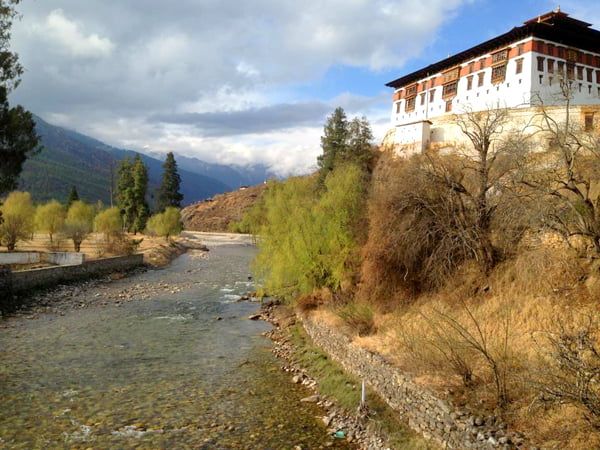
Bhutan Festival & Sikkim Tour:TID 598 (Start Mar 22-Apr 07 2013)
Like the Canadian person before me, after a month of being back home, I too am suffering from Bhutan withdrawals.Before our trip, we checked out many of the travel operators in Bhutan. We chose WindHorse Tours for their quick response.We were shown a grand tour of Bhutan by our guide Penjor and our driver Dorji.Loved everyday we spent there. Perhaps a day of wondering around (free day) would have been excellent, as we were on the go every day.
I did manage to sneak a morning or two to just soak the ambience on my own.I cannot praise enough the care that our guide Penjor took with us. Always concerned about our wellbeing and always there until the late hours of the night, making sure we were happy with the accommodation and that our dinner had been good. I can still remember him running around checking that the food was up to standard.Our driver Dorji was also magnificent. Everyday the bus looked like it was brand new. Nice and clean. He was always available for us if we needed to get the things we had forgotten to take with us from the bus. He was also a fantastic driver. I would trust him anytime with my life.Thank you WildHorse for a wonderful experience of Bhutan. I am very much thinking of returning very soon. And thanks again to Penjor and Dorji, they also made our trip that much more wonderful.
Julian acuna (, Canada)
March22-April 07,2013Fleming & Zabala Tour of Sikkim & Bhutan 26 Mar till 08 April 2009
Ugen, Just wanted to let you know that Teresa and I had a wonderful trip to Darjeeling, Sikikim and Bhutan. I am glad that my thought about leaving Bhutan to the end of the trip, was a good one. Bhutan was definitely the highlight of our trip.The drivers and tour guides were very good and accommodating to our wishes and needs. I suppose that you have heard about the night we slept in the car.Because of the rockslide on the road to Thimpu, we decided to take a chance and try to get to Bhutan on another road. It was something that we decided to do and we have no regrets about that. Matter of fact, it allowed us to visit a very beautiful monastery where our guide used to be a young monk. We also were lucky to come across a very nice festival in a small town, where we were the only tourists. We were surrounded by children who wanted to speak english with us. And the dancers were very good with wonderful costumes. Also the road was less busy and made traveling a bit easier. So I am very happy that both the driver and guide took a chance with us and rearranged the tour making the Best of an unfortunate accident.
Thank you for arranging a great trip and we are grateful for the wonderful experience of seeing a beautyful country and meeting interesting people. -Gail Fleming
G Fleming (, Jacksonville, Oregon.USA)
March26 - April 08,2009TID 163: Bhutan Festival & Sikkim 17 days – Nov 7-23,2008
Dear Ugen, Beth and Joe have returned from their trip and everything was wonderful. They had a marvelous time. It was a pleasure to work with you and i look forward to working with you again. Thank you for everything.
Rita E. – Huntington Hay Travel, 32 East Man St. Ovon, CT 06001
Beth & Charles Joseph F (, West Hartford, Connecticut , USA)
Nov 07-23,2008Guides
These guide have years of experience and are very good at their job. They are friendly and can entertain you throughout the whole journey.
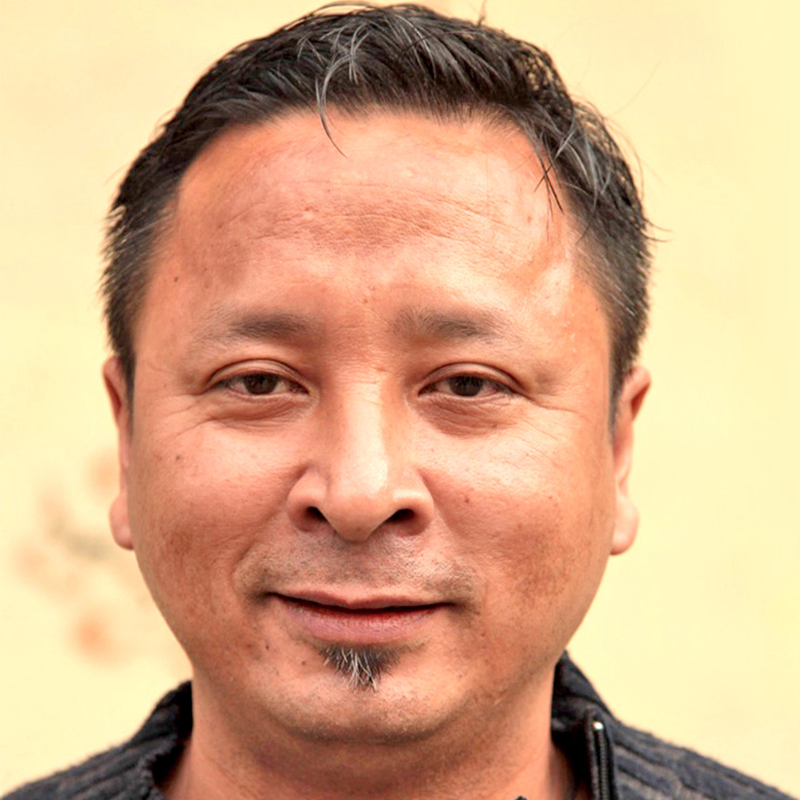
Anand Thapa

Anand Thapa who hail from Jaigoan – one horse town that border with south west commercial hub, Phuentsholing, Bhutan. He had his schooling in Bhutan. Later he went to Darjeeling to pursue further education. With the lush green tea garden, colonial churches and looming Mt Kanchenjunga captured his imagination, this is how travelling struck him deep.
After his studies, he went to Kathmandu and to different cities in India, making a living doing odds jobs. Finally, he joined Wind Horse tours overlooking the affairs of guests relations, marketing in 2013. Meeting and interaction with guests from different walk of life have fuelled his passion to a new height and claims to be a huge influence as a learning experience.
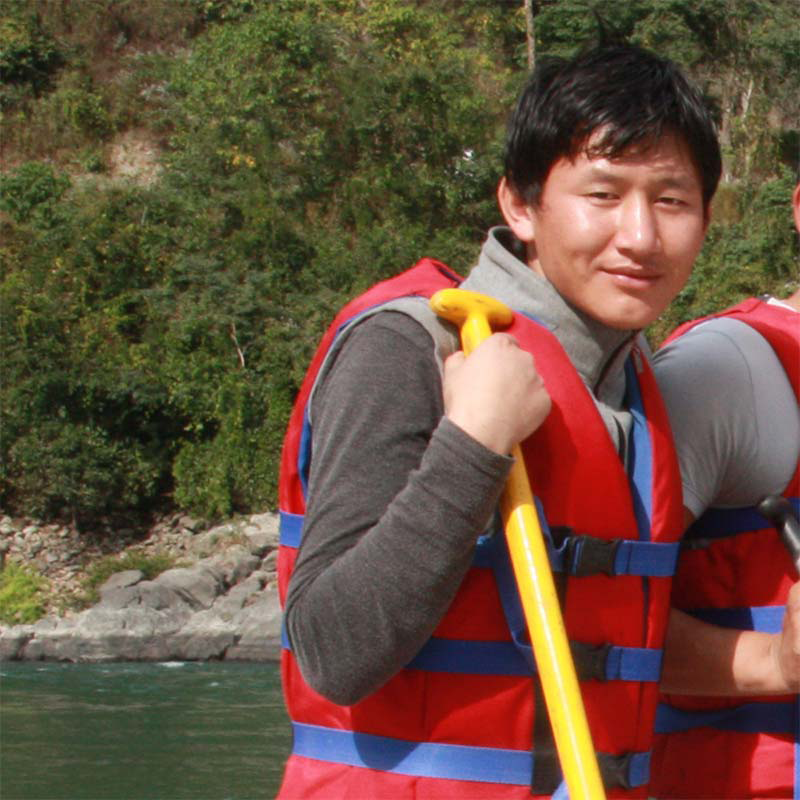
Kezang Norbu

Kezang is a graduate from Gedu Business School college in Bhutan, but he was always interested in the Buddhist Philosophy, which made him alter his ambition to being a tour Guide.
He is super polite and Buddhist to the core, because his parents and their parents were all affliliated to a monastery as a Lama etc. He comes from Dramtse region, between Mongaer and Trashigang.
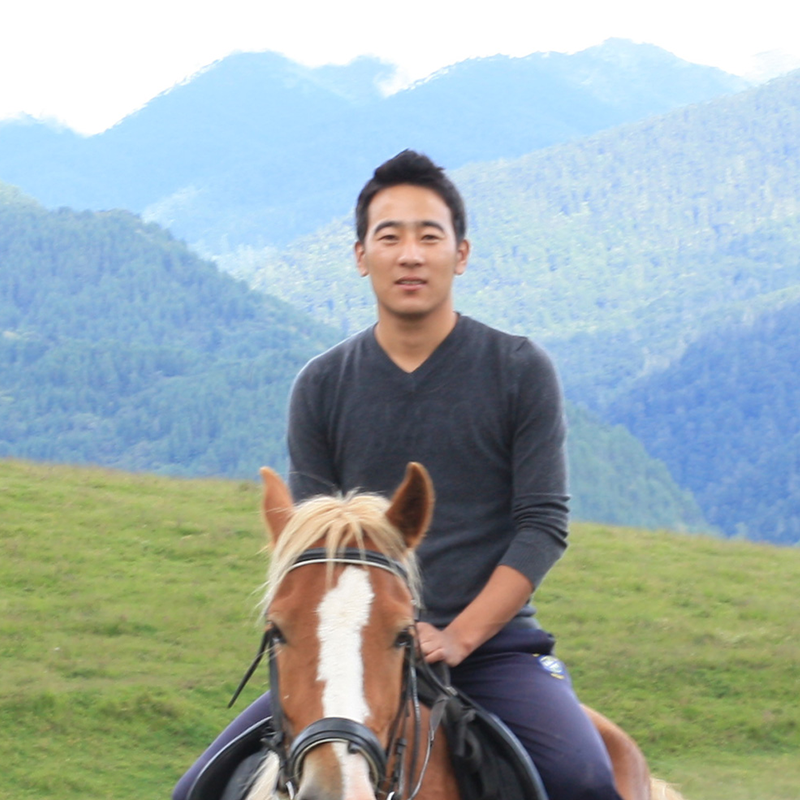
Namgay

Guide – Culture, Trek & Nature
Growth in Tourism in Bhutan has also its share of impact on young minds. With tourists freely moving around, the curiosities to know them, talk to them holds ground firmly on young minds . Namgay is one among many youth whose imagination was captured by razzmatazz of tourism.
He has his career goal cut out, he could have easily opted for some comfortable desk jobs, after passing out in flying colours from prestigious St Joseph college Darjeeling in 2010 but he chose to pursue his dream, he loved to be in field, among the guests, so it was only matter of time to enroll for guiding course.
His first foray into job was in 2013 at Wind Horse Tours and still he is going great guns. Feed Backs from guests that he led are great testimonial to his dedication.
He prodigiously read books that open up new frontiers and interaction with guests coupled with sound command of English takes his outlook towards learning and experiences altogether to different height.
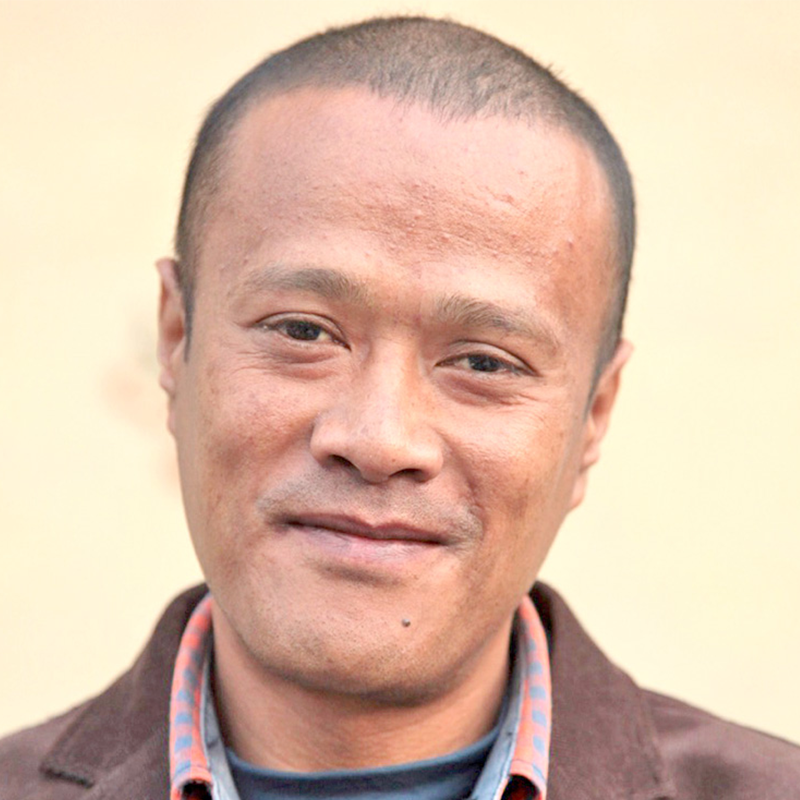
Pankaj Pradhan

Pankaj Pradhan hails from Kuersong in India but his upbringing was in Thimphu. He has seen from close quarter the growing stature of tourism in Bhutan. While kid, he says that he could see a a handful of tourist in Thimphu during festival, but now it has grown substantially . Schooling was natural to him as his mother was a teacher.
He did his school in Thimphu. After trying few hand in business, he finally settled for his inner call – to be in travel trade. He joined Wind Horse Tours in 2011 in sale and support office in Phuentsholing. His works profile speaks versatility as he lend support in marketing, sales, promotion and formulation of new products.
Trip Photos


GEAR INFORMATION
The following lists are the essential trekking gear that is recommended for trekking in Nepal and all listed gears can also be bought easily in Kathmandu, Kathmandu has a number of shops selling the necessary clothes and gear for trekkers.
- A few pairs of Thermal tops
- Fleece jacket/pullover
- Windcheater – waterproof shell jacket one pair
- Down jacket -( It will be provided by the company if you do not have your own)
- Comfortable Fleece/wool trousers
- Trekking pants- at least 2 pairs
- Mittens/woolen gloves
- Warm Hiking socks
- Trekking sue with spare laces
- Pair of flip flop
- Under wears & Swimming costume
- Hiking Cotton trousers/t-shirts
- Sun hat/scarf
- Sunglasses
- Sleeping bag -( It will be provided by the company if you do not have your own)
- Trekking poles (Not 100%)
- Day bag above 40 L
- 1 set- Headlamp
- Small lock for the day backpack
- Reusable water bottles- 2 letters
- Water purification tablets/ electric light
- Wash towel
- Toiletries (wet tissue, quick-drying towel, toilet paper, moisturizers, lip balms, sunscreens, sanitary pads, hand sanitizer, nail clipper, small mirror, toothpaste & brush, etc.)
- Rain poncho
- Basic personal first aid kit
Additional Information
Bhutan Festival and Sikkim tour is a journey of Geographical and cultural contrasts, as you travel from a rich mixture of ecosystems ranging from sub-tropical to the high mountain ranges, and across unique culture and traditions. Join us on this life-changing journey that begins in the Indian state of Sikkim, where you’ll explore mountain monasteries, sip tea beneath the Himalayan peaks at the Raj-era hill hotel in Darjeeling, then cross the vast plains of Dooars to the magical Kingdom of Bhutan.
Amid verdant valleys dotted with historic fortresses and shrines, delve into Bhutan’s rich culture, discovering how happiness is woven into the fabric of everyday life. As you travel into the heart of the Kingdom’s Bumthang district, meet with monks, nuns, farmers, children, and artisans. Explore villages, historic monuments, and sacred sights. On this trip, we also join in the celebration of one or more than one Tsechu, an extremely colorful local festival where the local community comes together to witness religious mask dances, receive blessings and socialize.
Wind Horse has been operating this tour for the last 10 years with a small modification each year. In the past, we used to start the tour in Bhutan, but this year, we are starting the tour from Sikkim. We have also have added a flight from Bumthang to Paro, to cope with changing road conditions.
Outline Itinerary
Day 1: Arrive in Delhi
Day 2 & 3: Gangtok, Sikkim
Day 4 & 5: In Darjeeling
Day 6: Phuentsholing, Bhutan
Day 7 & 8: Thimphu, the capital of Bhutan
Day 9 & 10: In Punakha /Wangdue valley
Day 11: Gangtey, Phobjikha valley
Day 12 & 13: In Bumthang
Day 14, 15 & 16: In Paro valley and hike to Taktsang
Day 17: Departure
Overview
Trip Type
Culture Tours
Activities Included
Accommodation
3-4 star hotels, boutique lodges and best available lodges
Meals
All meals (except in Delhi, where only breakfast is included)
Route
Delhi, Bagdogra, Gangtok, Darjeeling, Phuntsholing, Thimphu, Punakha, Gangtey, Bumthang and Paro Max Group Size
Max. 9
Best Seasons
We align this group departure with prominent festivals that fall during Spring and Fall. As for private trip this can be taken throughout the year.
Best Months
January, March, April, May
Good Months
April, May, July
Lean Months
April, May, June
Not Recommended Months
April, December
Max Group Size
Max. 9
Best Seasons
We align this group departure with prominent festivals that fall during Spring and Fall. As for private trip this can be taken throughout the year.
Best Months
January, March, April, May
Good Months
April, May, July
Lean Months
April, May, June
Not Recommended Months
April, December Route Map
Quick Inquiry
You might also like...

Bhutan Culture History trip commemorates the spirit of Bhutan, the magnificence of its old ways, where you go back...


Bhutan Festival Tour with Culture Bhutan Festival Tour is a 8 nights/ nine-day leisurely-paced tour that takes on at...


The Druk Path Trek is a classic high-altitude route in Bhutan, following part of the ancient Trans Bhutan Trail...


Hello Anand,
I’m writing at the end of a very busy week at my hospital; let’s see how far I get before my energy and memory are failing.
I’d like to break the trip into 2 segments: Bhutan and Sikkim/Darjeeling.
I liked Bhutan. The country has a fascinating history based on it’s religion. This is shown very clearly in every corner we visited. Yet, there is also a strong movement forward, in a diligently controlled way, for which the king probably deserves most credit. The trip showed this in an intelligent way, not the least through our excellent guide who embodied both worlds, the old and the new one. The People’s devotion to the religion and tradition of their country was an “eye opener” for me. People were kind and generous to us foreigners, forgiving our ignorance of customs and history.The only aspect I didn’t cherish was the long drive over the mountain passes on treacherous roads. Yet, we survived and our sense of comradery with the driver became stronger. I guess this can’t be changed until we all fly on the back of a tigress (or in a helicopter). Just PLEASE keep the countryside clean,tell tourists and natives alike to treat it with utter respect.
I was less enthusiastic about Sikkim and Darjeeling. First, we spent essentially three days (out of five) on the road. I understand that the distances are enormous, that the means of transportation are limited. Still, it was “torture”. The noise and stench of the Darjeeling train was unbearable for me and I had difficulty coping with the trash in every corner. Also, why spend a long morning to see a sunrise (mostly getting up the mountain and back)?
This raises the question whether an alternative (e.g. flying to an other site) or “scrapping” these places altogether would be better. For example, I would have preferred to visit Agra and theTaj Mahal instead of a tea plantation or a distant view of some Himalayan mountains in a haze. I have seen many mountains, having lived in Switzerland for the first 28 years . Seeing some Himalayan Giants close up, even some hiking there would have been much more exciting than looking for monkeys at the roadside. Visiting the Tibetan colony in Darjeeling was interesting, though; particularly as our guide was the son of a refugee and gave us some intimate looks at the colony’s history and continued coherence.
The experience was unforgettable, both the good and the “not so good”. It gave me a glimpse into the life and culture of another people, far away from my “westernized” world.
I hope that these comments are valuable for the Windhorse People. Your comments will be valuable for me as well.
Best wishes and kind regards,
Lorenz