

 +1 612 869 4949

Langtang Valley Trek
A short and easy trek to the Langtang region
-

Duration
9 Days -
 Trekking
 -
Moderate

 Overview
 Costs
Costs Included
 Itinerary
 Tour Leader
 Trip Photos
Langtang Valley Trek – A Scenic Himalayan Journey Near Kathmandu
The Langtang Valley Trek is one of Nepal’s most rewarding short treks—offering breathtaking mountain scenery, rich cultural experiences, and diverse natural landscapes, all within easy reach of Kathmandu. With its accessibility and moderate terrain, it’s a perfect option for trekkers looking for an authentic Himalayan adventure without venturing too far off the grid.
Why Trek the Langtang Valley?
- Close to Kathmandu: Just a day’s drive from the capital, this trek is ideal for those with limited time or looking to avoid domestic flights.
- Scenic Variety: Walk through dense forests of rhododendron and bamboo, cross high pastures, and enjoy panoramic views of Langtang Lirung, Ganesh Himal, and other snow-capped peaks.
- Gradual Trails: The route ascends gradually, allowing for better acclimatization and reducing the risk of altitude-related issues.
- Rich Culture & Local Life: The trail meanders through charming villages inhabited by Tamang and Sherpa communities, including farmers and highland yak herders, offering a glimpse into their traditional way of life.
- Langtang National Park: Home to rare Himalayan wildlife, including red pandas, musk deer, and vibrant birdlife.
- Less Crowded Trails: Compared to Everest and Annapurna, Langtang offers a quieter, more peaceful trekking experience.
- A Staff Favorite at Wind Horse
The Langtang Valley Trek is a favorite among our team at Wind Horse Tours—not just for its natural beauty and cultural charm, but also for its ease of access. Because it’s so close to our base of operations, our staff trek here often and stay up to date with trail conditions, lodge quality, and seasonal changes. When you book this trek with us, you benefit from first-hand knowledge and the latest insights. - Rebuilding and Resilience
Following the 2015 earthquake, Langtang Valley has seen incredible efforts to rebuild and welcome trekkers back. Choosing this trek helps support local communities and contributes directly to their continued recovery and sustainable development.
Langtang Valley Trek itinerary
Day 1: Arrival in Kathmandu
Day 2: Drive from Kathmandu to Khangjim-Trek to Sherpa goan(2-3hrs)
Day 3: Trek from Sherpa gaon to Thangshyap (4- 5hrs)
Day 4: Trek from Thangshyap -Langtang-Kyanjin Gompa (4hrs)
Day 5: In Kyanjin Gompa- Exploration day (Option Tserko ri ridge)
Day 6: Trek from Kyanjin Gompa to Thangshyap (3- 4hrs)
Day 7: Trek from Thangshyap to Bamboo 3- 4hrs (option to walk longer and stay in Syabrubesi hotel)
Day 8: Trek from Bamboo to Domen (Syabrubesi) -Drive to Kathmandu
Day 9: Departure
To avoid the steep ascent from Domen (Syabru Besi) to Lama Hotel, this itinerary begins in Sherpa goan, offering a more gradual and scenic approach.
Overview
Trip Type
Trekking
 Activities Included
 Accommodation
Local village lodges/tea houses during the trek
Accommodation
Local village lodges/tea houses during the trek
 Meal
All meals are included during the trek
Meal
All meals are included during the trek
 Best Seasons
Best Season-Spring and Autumn, but can be done all year round except during the Monsoon
Best Seasons
Best Season-Spring and Autumn, but can be done all year round except during the Monsoon
 Route
Kathmandu-Syabrubesi-Sherpagoan-Thangsyap-Kyanjin Gompa-Thangsyap-Bamboo-Domen-Kathmandu
Route
Kathmandu-Syabrubesi-Sherpagoan-Thangsyap-Kyanjin Gompa-Thangsyap-Bamboo-Domen-Kathmandu
 Best Months
March, April, May, October, November
Best Months
March, April, May, October, November  Good Months
February, September
Good Months
February, September  Lean Months
January, June, July, August, December
Lean Months
January, June, July, August, December Detailed Itinerary
Expand AllArrival in Kathmandu
Upon your arrival at Kathmandu airport, a Wind Horse representative will meet you and transfer you to the hotel. Your trek guide will provide a short briefing on the trek, and the remainder of the day is free for you to relax. Overnight n Kathmandu.
Included: Transfer with representative, a hotel accommodation in Kathmandu with breakfast and briefing.
 Altitude:
1350 m
Altitude:
1350 m
Drive from Kathmandu to Khangjim (via Syabrubesi) -Trek to Sherpa goan
Begin your journey early from Kathmandu, heading north on a winding mountain road. You’ll pass through towns such as Trishuli Bazaar and Dhunche before arriving at Syabrubesi—the traditional gateway to the Langtang Valley.
After a short break in Syabrubesi, continue along a rough, sometimes bumpy, dirt road that follows the Trishuli River northward. Eventually, you’ll leave the main highway and begin ascending through pine forests, reaching the road end at Khangjim.
From Khangjim, the trek to Sherpa goan begins. First, you’ll climb steadily to a ridge, followed by a gentle descent into this charming settlement, where you’ll spend the night. Overnight in Sherpa goan.


 Altitude:
2600m
Altitude:
2600m
 Duration:
7-8 hrs drive/Trek 1 hour approx.
Duration:
7-8 hrs drive/Trek 1 hour approx.
 Tea House
Trek from Sherpagaon to Thangsyap
Begin your trek with a scenic descent along a narrow, undulating trail that contours the hillside toward Rimche, where you’ll join the main Langtang Valley Trek route coming up from Bamboo. From Rimche, the trail ascends gradually—though with a few steeper sections—through dense forest alongside the Langtang River as you make your way to Lama Hotel.
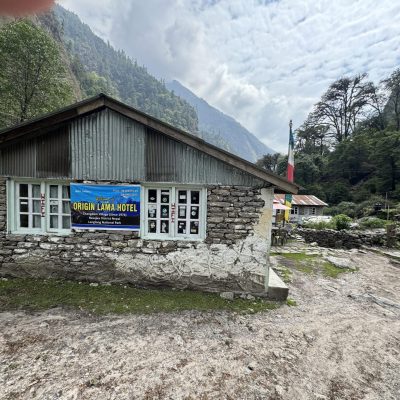
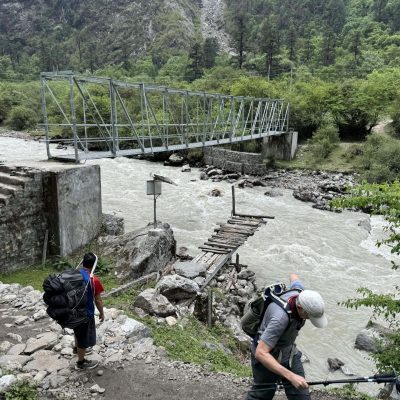
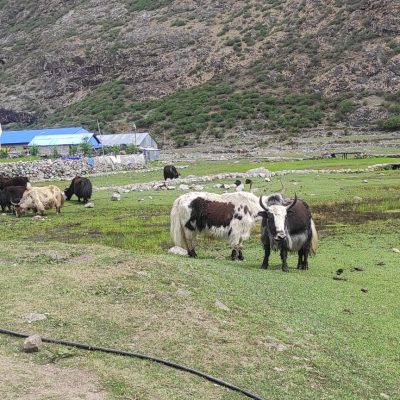
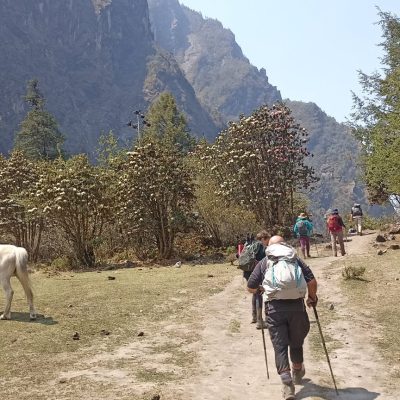
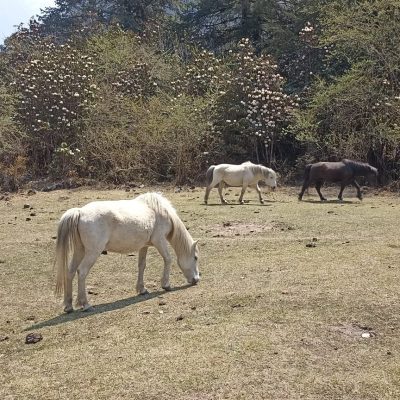
From Lama Hotel, the trail climbs steadily before descending briefly to the riverside. You’ll follow a beautiful forested path along the river until you reach a sturdy iron suspension bridge. After crossing it, a short uphill stretch leads you through lush woodland to the open pastureland of Ghoda Tabela—a scenic spot where yaks graze beneath dramatic Himalayan peaks.
The trail continues on a gentle ascent through alpine terrain, eventually bringing you to Thangsyap, a charming village nestled in the mountains. Overnight in Thangsyap.
Altitude:
3190m
Duration:
4-5hrs, Approx. 11kms
Tea House
Trek from Thangshyap to Kyanjin Gompa
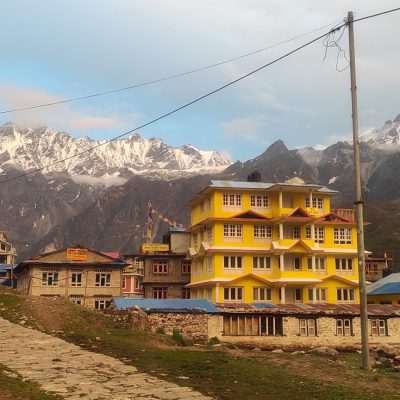
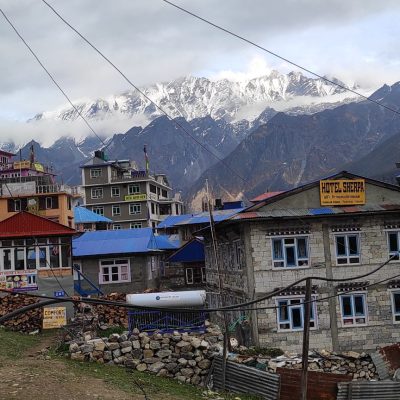
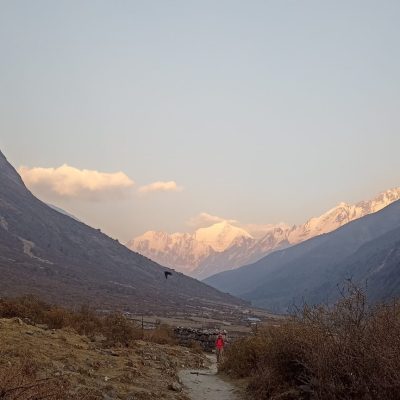
From Thangsyap, the trail gently climbs through a scenic open valley. As you ascend, the dense forest gives way to scattered shrubs, with sweeping views of the Langtang range and towering peaks flanking either side.
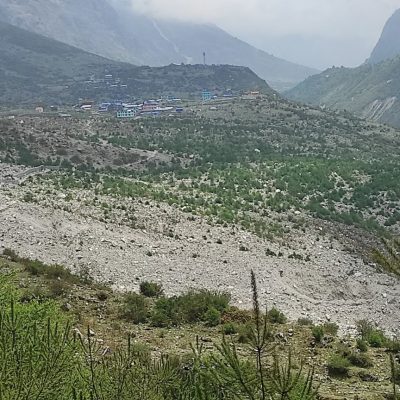
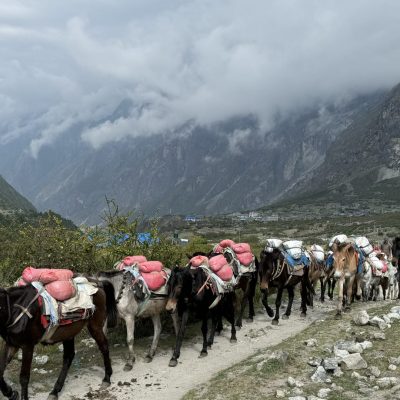
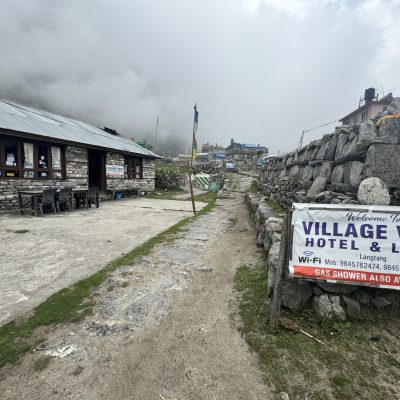
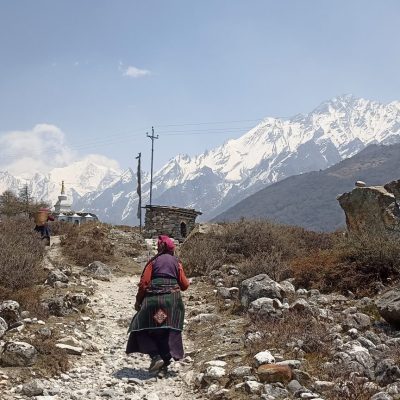
Passing Chyamki and Gumba Danda, you’ll reach a vast landslide area—the site of the old Langtang village, tragically destroyed in the 2015 earthquake. Beyond the landslide, a series of Mani walls leads you to the new Langtang village.
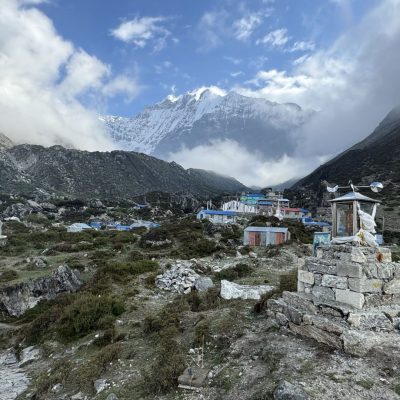
Leaving Langtang, a short steep climb brings you past the village school, followed by a gradual ascent through Mundu and Sindum. The trail then winds across open hillsides dotted with thorny bushes, boulders, and yak pastures. After about 3 hours, you’ll reach a spiritual gateway marked by water-powered prayer wheels and two chortens perched on a hill.
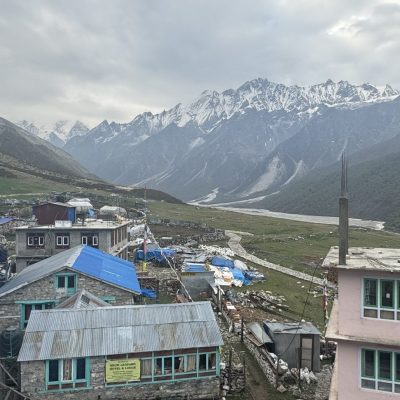
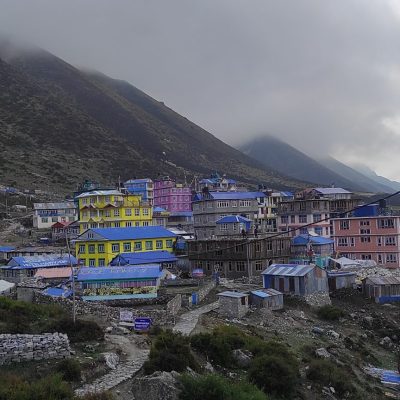
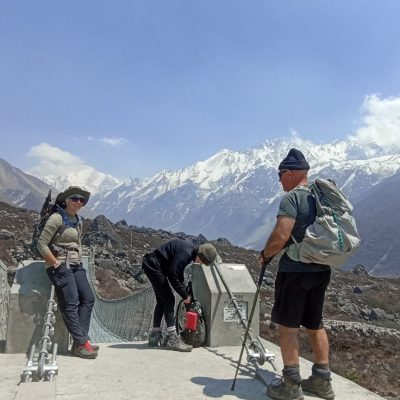
Here, the trail splits—both paths lead to Kyanjin Gompa, but the left fork passes a small hydroelectric station and crosses a suspension bridge. A final short climb brings you to the edge of Kyanjin village, its colorful rooftops set against a dramatic alpine backdrop.
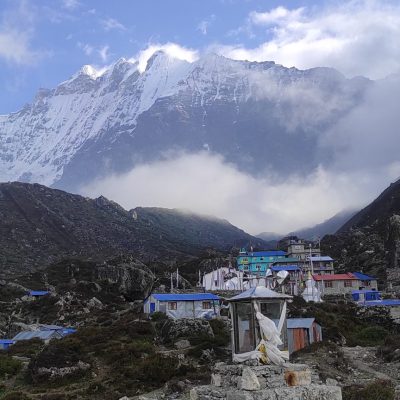
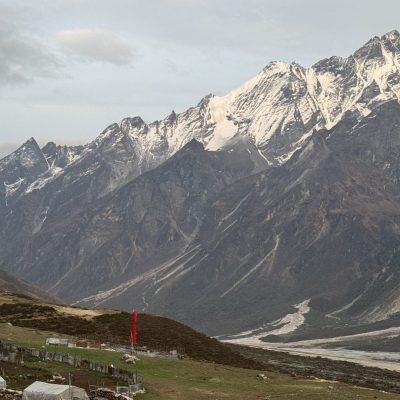
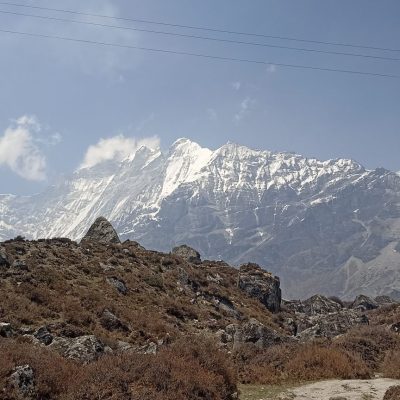
Kyanjin Gompa offers breathtaking views of majestic peaks such as Langtang Lirung, Ganchenpo, Dorje Lhakpa, Langshisa Ri, and Yala Peak. Overnight in Kyanjin Gompa.
Altitude:
3850 m
Duration:
4-5hrs, Approx. 11kms
Tea house
In Kyanjin Gompa-Exploration day
Today is a rest and exploration day in Kyanjin Gompa, with the option to hike either Kyanjin Ri or the more challenging Tserko Ri.
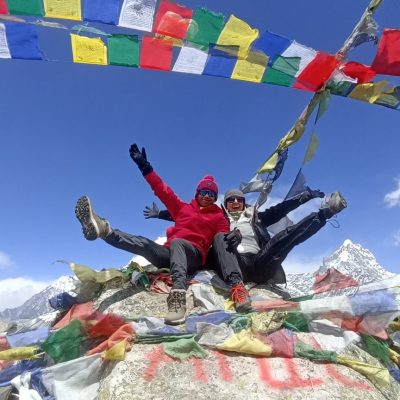
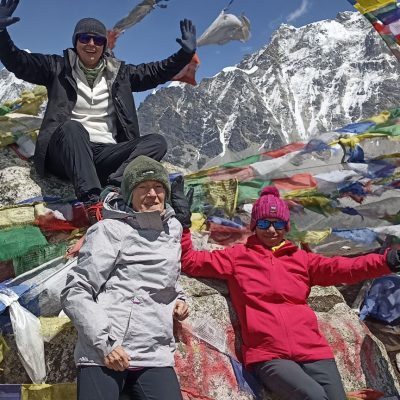
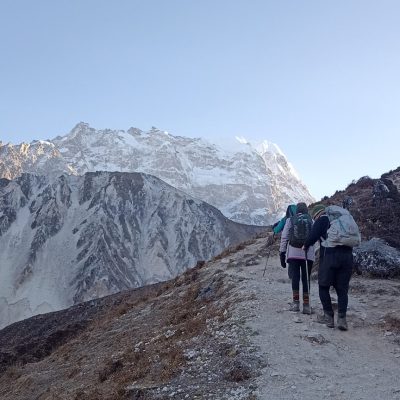
For those choosing Tserko Ri (4,984 m), an early pre-dawn start is required. The round-trip hike takes 5–7 hours, gaining over 1,100 meters in elevation. The trail begins with a gentle walk before crossing a stream and climbing steeply via switchbacks past yak herder camps and rocky slopes. Though demanding, the summit rewards you with breathtaking 360° views of Langtang Lirung, Yala Peak, Gangchenpo, and the Langtang Valley below.
For those hiking to Kyanjin Ri from Kyanjin Gompa, it is a rewarding half-day trek offering stunning views of Langtang Lirung, Dorje Lhakpa, and the Langtang Valley. The trail is steep but straightforward, taking about 2-3 hours round trip to reach the main viewpoint. For those seeking a higher vantage, the upper viewpoint adds another hour. Overnight in Kyanjin Gompa.
Tea House
Trek from Kyanjin Gompa to Thangshyap
If you hiked to Tserko Ri the previous day, you have the option to visit Kyanjin Ri this morning before beginning your return journey (2-3 hours).
Retrace your steps back through the scenic Langtang Valley, passing through Sindum, Mundu, Langtang, Gumba Danda, and Chyamki. The trail leads you downhill to Thangshyap, where you’ll spend the night, reflecting on your trek through this stunning landscape. Overnight in Thangshyap.
Altitude:
3190m
Duration:
4hrs
Tea House
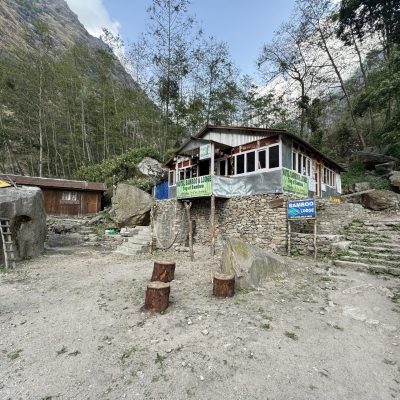
Trek from Thangshyap to Bamboo
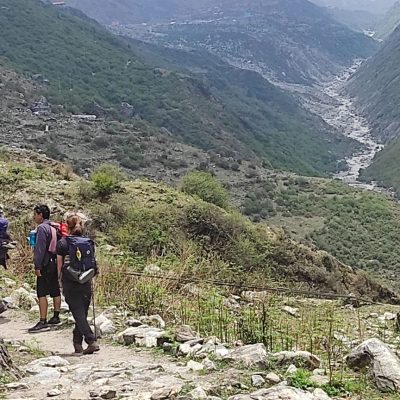
From Thangshyap, the trail meanders through forests and picturesque villages, allowing you to soak in the natural beauty once more. You’ll pass through Ghoda Tabela, Gumnachok, and Lama Hotel before reaching Rimche. At Rimche, we take an alternate route to the village of Bamboo. With most of the trail descending, the hike back to Bamboo is quicker than anticipated, offering a smooth and scenic journey.
From Bamboo, you can continue for another hour to reach the road head, where a short drive will bring you to Syabrubesi. Here, you’ll stay in a comfortable hotel, saving you the need to trek the following morning.
(4-5hrs trek to Bamboo & add another hour trek and 20 mins drive to hotel in the town of Syabrubesi)
Duration:
4-5 hrs
Tea House
Trek to Domen-Drive to Kathmandu
If you stayed in Bamboo the previous night, your final day begins with a short 1-hour trek through lush forest, with gentle ascents and descents past the village of Pairo, before arriving at Domen, the road head—marking the end of your Langtang Valley Trek.
From Domen, it’s just a 20-minute drive to Syabrubesi, where you’ll reconnect with your private 4×4 Jeep for the long and scenic journey back to Kathmandu.
Altitude:
1350m
Duration:
1-2hrs trek/6-7 hrs drive
Departure
Transfer to the airport for your departure flight.
Cost Information
The costs begins from US$775 to US$1410 per person as per group size.
Included
- 2 nights accommodation in 3-4* star hotel in Kathmandu.
- 6 nights’ accommodation in tea house lodge during the trek.
- Breakfast at the hotel in Kathmandu.
- Breakfast, lunch, and dinner during the trek.
- English-speaking licensed trekking guide along with a porter (1 porter for every two trekkers).
- Transfer from Kathmandu-Sherpagoan-Domen-Kathmandu in a private vehicle.
- Trekking staff accommodation, wages, meals, trekking gears, and insurance.
- All necessary paperwork and permits for the trek (LNP/TIMS).
- All government tax and service charges.
Not included
- Personal expenses.
- Bottled/boiled water, battery recharge and Wi-Fi and hot showers during the trek.
- Tips and gratuities to Guide, Porter and driver.
- Travel medical insurance covering rescue and emergency evacuation.
- Personal trekking gears and equipment’s.
- Trip cancellation cost due to your health, weather condition, political situation, and any other unforeseen events.
- Any other expenses other than the listed above.
Group Travel Dates
Traveller Review

Derek (Dubai, UAE)
27th April-4th May, 2024Guides

Kumar Parajuli

In his early days, Kumar had to walk for hours to reach his school, passing through small villages, hills, and rivers with beautiful views of snow-capped mountains along the way. This sparked his curiosity about the rest of the country and its culture, leading him to develop a strong interest in learning about new places and meeting new people.
After he completed high school, he started his career as a trekking guide due to his passion for nature, culture, and adventure. Over the course of time, he has received extensive training in mountain safety, trekking, and cultural guiding. Kumar has led several groups on treks to popular regions like Annapurna, Everest, and Langtang, showcasing his expertise as a trekking guide. Furthermore, he is equally well-versed in the cultural attractions of Nepal, serving as a cultural guide as well.
Joining Wind Horse Tours as a Nepal partner was a significant milestone in his career. Kumar believes that working as a guide not only allows him to explore the beauty of Nepal but also provides ample opportunities to immerse himself in the diverse cultures of the country. In his leisure time, he enjoys hanging out with friends and continuing his explorations. He is excited about the prospect of traveling and discovering new places beyond Nepal in the future.
Shiva Prasad Acharya

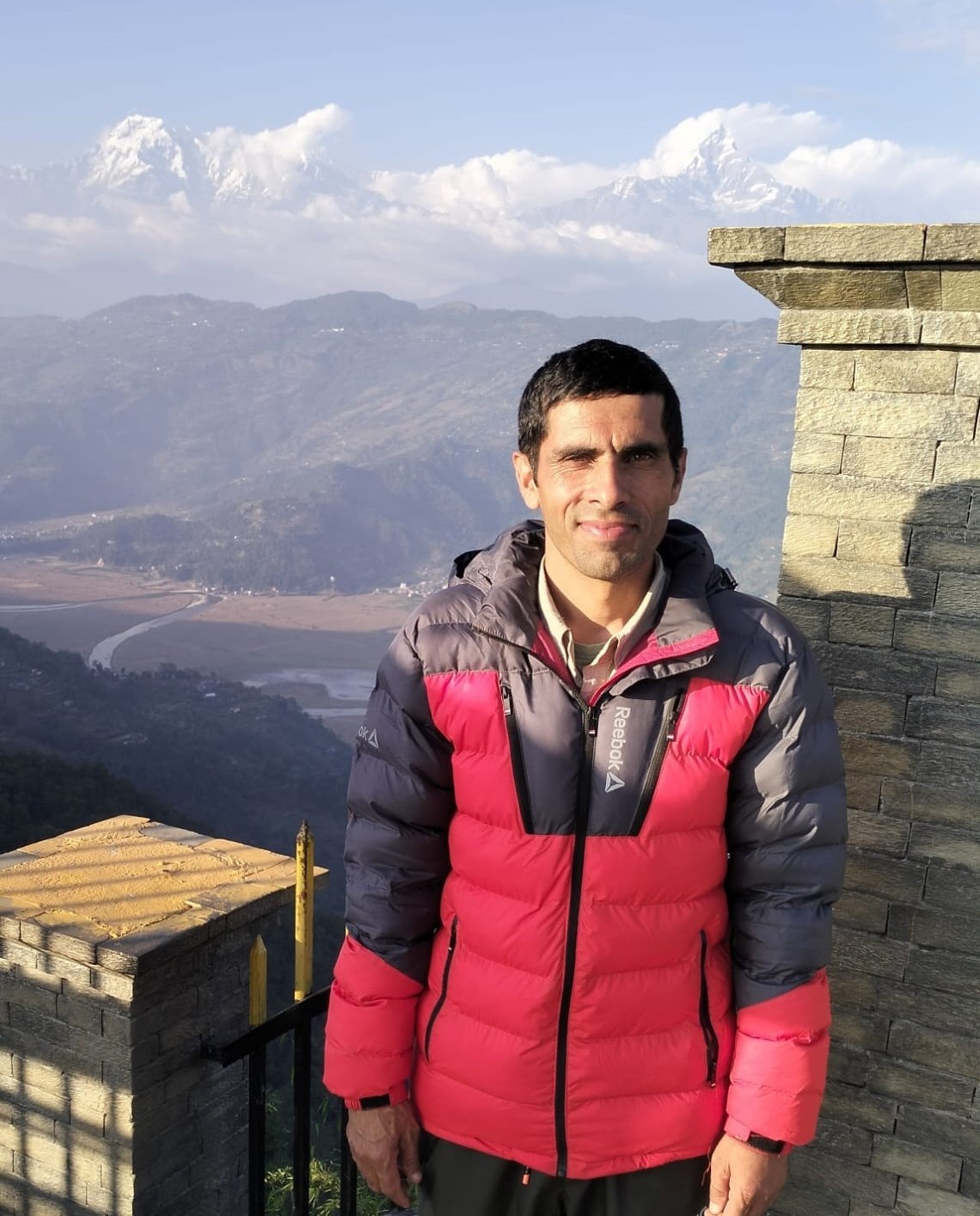
Shiva Prasad Acharya leads a fulfilling life by intertwining his passions for nature, adventure, and family. Transitioning from the health sector to becoming a trekking guide reflects his pursuit of a profession allowing immersion in natural beauty while sharing that passion with others.
His commitment to nature extends beyond his profession to his personal life, evident in his dedication to farming and animal husbandry. Tending vegetables, paddy fields, and raising buffaloes likely offers him fulfillment and a profound connection to the land. He resides in Kasipira, near Pokhara, with his wife and two sons.
Shiva Prasad extensively travels to regions like Upper Mustang, Annapurna, Everest, Langtang, and Manaslu, gaining insights into local cultures, traditions, and natural beauty. His strong passion for sharing Nepal’s heritage highlights his desire to promote local culture and raise awareness. His invaluable traits—flexibility, knowledge, and patience—would undoubtedly enrich the experiences of travelers alongside him.
His proficiency in English, French, and Hindi widens his accessibility, enabling him to connect with travelers from diverse backgrounds worldwide.
Trip Photos
FAQs
- What is the Langtang Valley Trek known for?
The Langtang Valley Trek is one of Nepal’s most beautiful and accessible Himalayan treks. It is known for its dramatic mountain landscapes, glaciers, alpine forests, and traditional Tamang villages influenced by Tibetan culture. You will enjoy stunning views of peaks such as Langtang Lirung (7,227 m), Yala Peak (5,500 m), Gangchenpo (6, 6378 m), and others as well as yak pastures, Buddhist monasteries, and the picturesque village of Kyanjin Gompa. The trek also passes through Langtang National Park, home to diverse wildlife including red pandas, Himalayan black bears, and musk deer.
- How difficult is the Langtang Valley Trek?
The Langtang Valley Trek is generally considered a moderate trek. It is suitable for trekkers with a reasonable level of fitness and some hiking experience. Daily walking typically lasts 5–7 hours, with gradual altitude gain. The trails are well-established but involve uphill and downhill sections. With proper pacing and acclimatization, most trekkers can complete the trek comfortably.
- What is the highest altitude reached on the Langtang Valley Trek?
The main destination of the trek is Kyanjin Gompa (3,870 m). However, many trekkers choose to take optional hikes to nearby viewpoints for better mountain views, so the highest altitude reached can vary.
- Tserko Ri (approx. 4,984 m): The most popular and highest viewpoint, offering stunning panoramic views of the Himalayas.
- Kyanjin Ri (4,300–4,700 m, depending on the viewpoint): Another excellent option, especially for sunrise and scenic mountain vistas.
- What permits are required for the Langtang Valley Trek, and can Wind Horse Tours assist in obtaining them?
You will need to acquire the Langtang National Park entry permit. Wind Horse Tours can facilitate the acquisition of these permits as part of their trekking package.
- When is the best time to undertake the Langtang Valley Trek?
The best time to trek in Langtang is during spring (March to May) and autumn (late September to November), when the weather is generally stable, the skies are clear, and the mountain views are at their finest.
Summer (June to mid-September) brings warmer temperatures and lush, green landscapes with blooming alpine flowers. While this is the monsoon season, prolonged rainfall is rare, and trekking is still possible with some preparation for wet conditions.
Winter (December to February) is colder, especially at higher elevations, but the trails remain accessible. Expect snow in some sections and fewer trekkers, making it a quieter time to experience the Langtang Valley.
- How do I reach the Langtang valley trek starting point?
The Langtang Valley Trek typically begins with a drive from Kathmandu to Syabrubesi, a mountain town that serves as the main trailhead. The journey takes approximately 6–8 hours, depending on road conditions, and offers scenic views of rivers, hills, and rural villages along the way.
You can travel by private vehicle or take a public bus to Syabrubesi. Upon arrival, you may choose to start trekking immediately or spend a night there and begin your trek the following day
- What are the trail conditions like?
The trail consists of:
- Forest paths
- Stone steps
- Occasional ascents and descents.
Which is generally well-maintained and much quieter than other trekking areas.
- What type of accommodation is available on the Langtang Valley Trek?
Accommodation is mainly in teahouses or mountain lodges run by local families. These typically provide basic amenities such as:
- Twin-sharing rooms with basic beds and blankets
- Shared bathrooms
- Warm dining areas with stoves
- Hot showers are available in upper Langtang region.
Facilities are simple but comfortable and suitable for trekking.
- What meals are included during the trek?
Most trekking packages include three meals per day (breakfast, lunch, and dinner) during the trekking portion of the trip. In Kathmandu, hotels typically include breakfast only, while other meals can be enjoyed at nearby restaurants.
- What type of food is available during the trek?
Teahouses offer a variety of meals including:
- Dal Bhat (rice, lentil soup, vegetables) – a popular and nutritious Nepali dish
- Fried rice, noodles, and pasta
- Tibetan bread and pancakes
- Soups and potatoes
- Eggs and simple Western-style meals
- Can I customize and extend my Langtang Valley Trek itinerary?
Yes, the Langtang Valley Trek is highly flexible and can easily be customized or extended based on your time, fitness level, and interests.
You may choose to extend your journey to explore nearby regions such as Gosaikunda Lake or the Helambu Valley.
- Gosaikunda Lake Extension: This route takes you to a sacred alpine lake situated at around 4,380 meters, and offers stunning high-altitude scenery along with cultural significance.
- Helambu Valley Extension: This option leads you through beautiful forests, terraced fields, and traditional villages, offering a more cultural experience with relatively lower altitudes compared to the main Langtang Valley.
These extensions not only add variety to your trek but also provide deeper insight into the natural beauty and local culture of the Langtang region.
- Is mobile network coverage available on the trail?
Yes, mobile networks such as Ncell and Nepal Telecom (NTC) provide coverage in most of the villages along the trail. However, signals can be weak or unavailable in some remote areas.
- Is Wi-Fi available during the Langtang trek?
Many teahouses offer Wi-Fi services for a small fee. However, connections can be slow and unreliable, particularly at higher altitudes.
- Can I charge my electronic devices during the trek?
Most lodges offer charging facilities for phones, cameras, and other devices. A small fee is usually charged, especially in lower villages where electricity is powered by solar energy.
- Is it mandatory to have a guide for the Langtang Valley Trek?
As of recent regulations, solo trekking in the Langtang Valley is prohibited. Trekkers are required to be accompanied by a licensed guide or be part of an organized group to ensure safety and support local employment.
- Are there any health precautions or altitude considerations I should be aware of?
Yes. Although the Langtang trek is moderate and does not reach extreme altitude, the maximum elevation is above 3,000 meters and may cause altitude sickness. To minimize risk, trekkers should:
- Walk at a steady pace
- Stay hydrated
- Allow time for acclimatization
- Be aware of symptoms like headaches or dizziness
- Is Travel Insurance necessary for this trek?
Comprehensive travel insurance that covers high-altitude trekking, medical emergencies, and evacuation is strongly recommended. This ensures peace of mind in case of unforeseen circumstances.
- Are there ATM's available along the trail?
No, ATM’s are not available along the trail except for the one in Kyanjin Gompa. It may also be out of service due to power cuts or connectivity issue. Therefore we recommend you to carry cash in Nepali rupees.
- How much cash should i carry during the trek?
We suggest you carry around USD 15–20 per day in Nepali Rupees for personal expenses such as drinks, snacks, Wi-Fi, hot showers, and device charging.
- What should I pack for the Langtang Valley Trek?
Packing smart is key for a comfortable and enjoyable trek. Here’s what you’ll need:
Bring layered clothing to adapt to changing temperatures—mornings and evenings can be cold, while daytime is usually pleasant. A lightweight sleeping bag is recommended for extra warmth and comfort, although tea houses provide blankets and bedding.
Other essentials include:
- Sturdy, broken-in trekking boots
- A daypack for your daily needs
- Water purification tablets (boiled or bottled water is available throughout the trek)
- Personal hygiene items and toiletries
- Trekking poles (optional but useful, especially on descents)
- Hats, gloves, and sun protection (sunscreen, sunglasses, lip balm)
- Warm socks and underlayers
Once your booking is confirmed, Wind Horse Tours will provide a detailed and comprehensive packing list tailored to the season and your specific itinerary.
- Are tips expected for guides and porters?
Yes. Tipping is customary in Nepal’s trekking industry and is considered a gesture of appreciation for the hard work of guides and porters who support the trek.
Overview
Trip Type
Trekking
Activities Included
Accommodation
Local village lodges/tea houses during the trek
Meals
All meals are included during the trek
Route
Kathmandu-Syabrubesi-Sherpagoan-Thangsyap-Kyanjin Gompa-Thangsyap-Bamboo-Domen-Kathmandu
 Max Group Size
2-5
Best Seasons
Best Season-Spring and Autumn, but can be done all year round except during the Monsoon
Best Months
March, April, May, October, November
Good Months
February, September
Lean Months
January, June, July, August, December
Max Group Size
2-5
Best Seasons
Best Season-Spring and Autumn, but can be done all year round except during the Monsoon
Best Months
March, April, May, October, November
Good Months
February, September
Lean Months
January, June, July, August, December
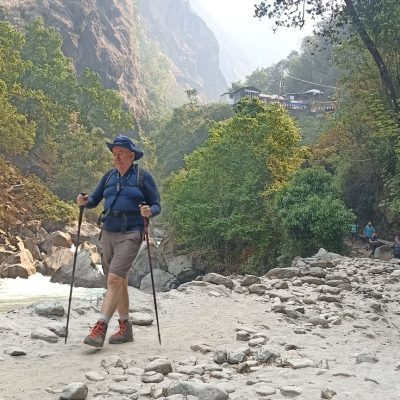
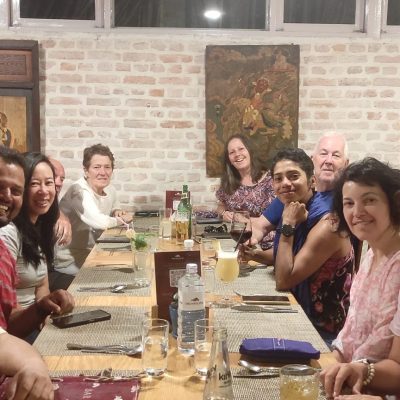
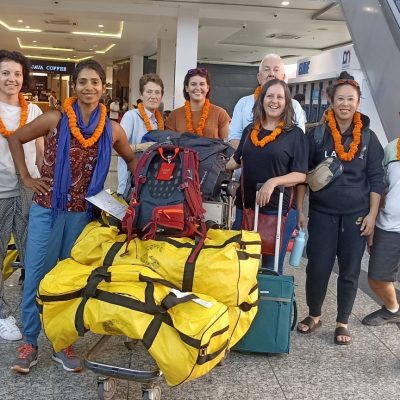
A group of 8 us, completed the Langtang Valley trek, towards the end of April 2024. The trip was arranged with Wind Horse Tours, and very well organized and planned by Heera Lama, in the Kathmandu office. We decided on doing the trek over 5 days, against the advice of Heera, who recommended 6. He was right! Our able guide was Kumar, who more than competent in looking after our needs. The only comment we had was it might have been better to have an assistant guide as well, to cope with the stragglers, on the longer sections. Me being one of them.
Although it’s a short trek, there is plenty of amazing scenery to take in, which was well explained by Kumar. At the turning point of the trek in Kyanjin Ri, you should visit the Dorje Bakery Café & Coffee Centre. They have a great selection of breads, cakes and pastries to savor, along with the lovely coffee they serve. The sign in the shop reads: The more you weigh, the harder you are to kidnap. Stay safe, eat cake!
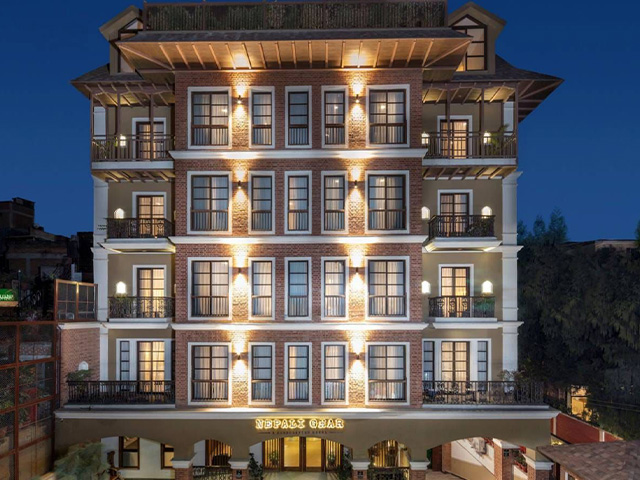
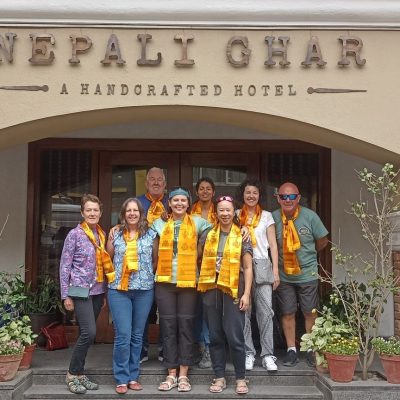
On the return leg we stayed at an excellent choice of accommodation, in Langtang Village, from Wind Horse. It is called Traveler’s Guest House. The kitchen and dining area are on the top floor giving great views of the surrounding countyside and mountains, as far as Tibet. The kitchen is spotless and incredibly well organized. One of the best I have stayed in. They also made a great choice of accommodation at the start and end, at the Nepali Ghar Hotel, in Thamel, in the heart of Kathmandu. The place has real character, and well positioned. All in all a very enjoyable and well organised and managed trek by Wind Horse Tours.