
TID 8575 India, Bhutan & Nepal Tour( Bhutan Portion) Dear Mr Kinga Dechen and Mr Rinzin Jamtsho, Bhutan is amazing. We were so far removed from our reality while we were there that I couldn't stop being excited for one minute of my stay. I have never been in such a nationally reverent and devout country, and am so grateful…

Introduction of India, Bhutan & Nepal
Discover India's mystical and historical legacy, Bhutan's quaint and tranquil charm, Nepal's history on its edifices.
India Bhutan Nepal tri-country journey starts with a tour of the renowned Golden Triangle: Delhi, Jaipur, and Agra, where we visit some of the sights of India, including the Taj Mahal. Fly northeast to Bagdogra and climb up the hills through tea gardens to Darjeeling. Take a joyous ride on the famous toy train with astounding views of the Kangchenjunga Himalayas.
Travel overland and cross the border into Bhutan, a kingdom of stunning natural beauty with its friendly, colorfully dressed people. Spend a week in Bhutan visiting ancient monasteries, villages, and farms, and meeting with locals.
A breathtaking flight over mountain vistas brings you to Kathmandu. In Kathmandu, admire the magnificent royal residences, cobbled streets, ancient squares, and buildings sprinkled with intricately hand-carved windows set against the majestic Himalayas. In the narrow lanes and alleys, you jostle with Nepalese people in a happy and lively atmosphere.
India Bhutan Nepal Outline Itinerary
Day 1: Arrive in Delhi
Day 2: In Delhi
Day 3: Drive to Agra
Day 4: Drive to Jaipur
Day 5: In Jaipur
Day 6: Return to Delhi
Day 7: Fly to Bagdogra- Drive to Gangtok(Sikkim)
Day 8: In Gangtok
Day 9: Drive to Phuntsholing (Bhutan)
Day 10: Drive to Thimphu
Day 11: In Thimphu
Day 12: Drive to Punakha
Day 13: In Punakha Dzong
Day 14: Drive to Paro
Day 15: Hike to Taktsang Monastery
Day 16: Fly to Kathmandu(Nepal)-Drive to Nagarkot
Day 17: Drive to Kathmandu
Day 18: In Kathmandu
Day 19: Departure
Activities: Culture Tours
Trip highlights
The most popular sights of India, Bhutan and Nepal
Day by day
The full day-by-day itinerary.
Upon arrival in Delhi, meet our representative and transfer to the hotel. You can arrive at any time, as there is no activity for today. The rest of the day is to relax and adjust to the time change.
Overnight in Delhi Meals Dinner
Full day sightseeing tour of New and Old Delhi. Visit the Lal Qila (Red Fort), Jama Masjid and Chandni Chowk market in Old Delhi. Later visit Humayun’s Tomb, Qutub Minar, India Gate and other attractions.
Overnight in Delhi Meals Breakfast · Dinner
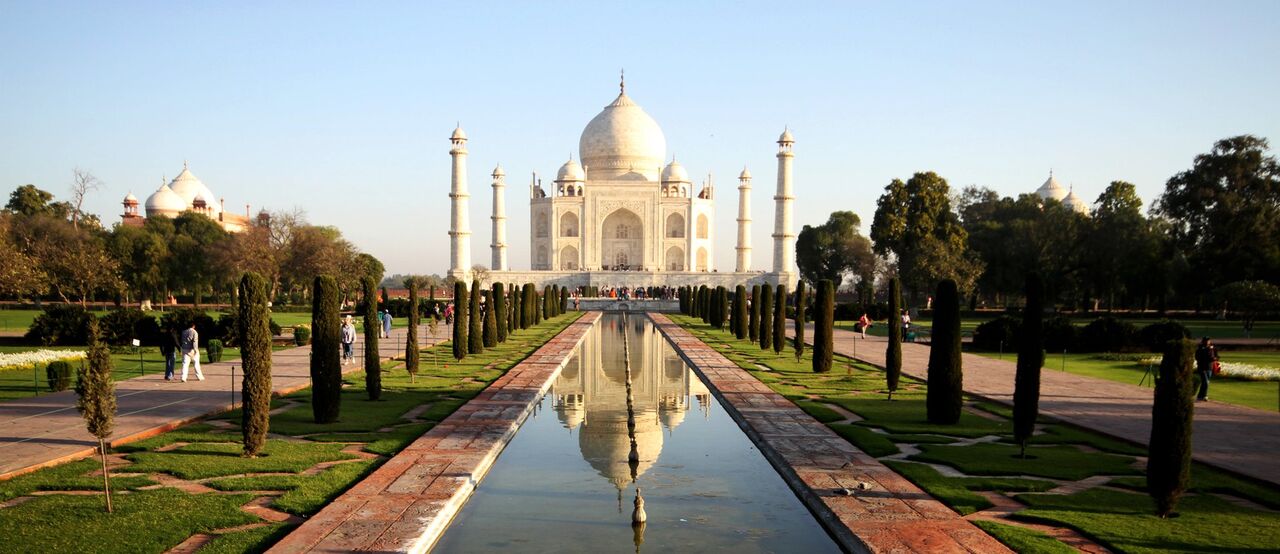
Drive to Agra, on the way visit Sikandra tomb. Upon arrival in Agra, visit Agra Fort and Taj Mahal at the sunset.
Overnight in Agra Meals Breakfast · Dinner
En-route to Jaipur, visit the ancient Mughal capital of Fatehpur Sikri. Evening in Jaipur is for stroll and walk into the old city.
Overnight in Jaipur Meals Breakfast · Dinner
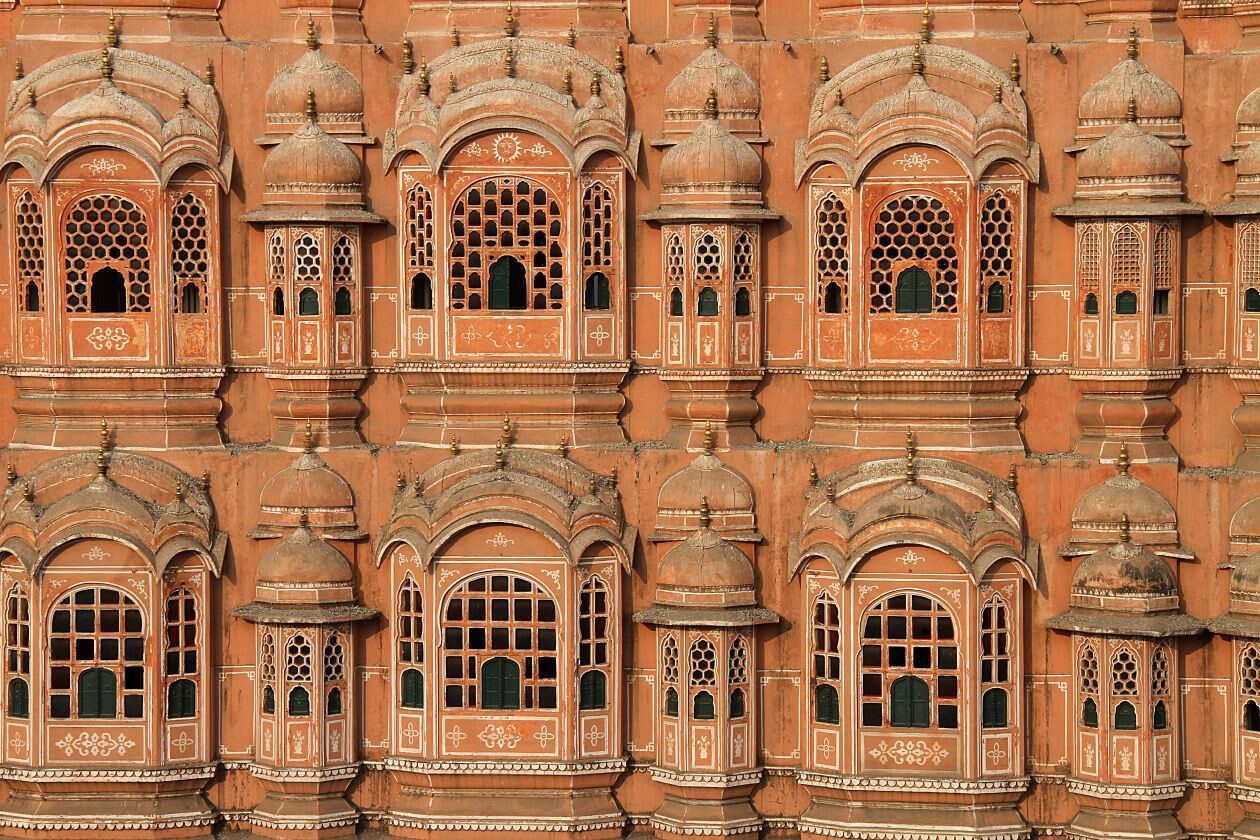
Start with the visit of Amer fort at the outskirts of Jaipur. Later visit City Palace, Jantar Mantar Observatory followed by Hawa Mahal and the walk through the colorful bazaars.
Overnight in Jaipur Meals Breakfast · Dinner
Drive back to Delhi and pursue your own interests in the evening.
Overnight in Delhi Meals Breakfast · Dinner
Transfer to the airport and fly to Bagdogra airport. Upon arrival, meet our guide and drive for about 4-5 hours to Gangtok, the capital of Sikkim, once an independent country. In the evening, stroll around MG Marg, a promenade or Avenue, where vehicles are not allowed.
Overnight in Gangtok Meals Breakfast · Dinner
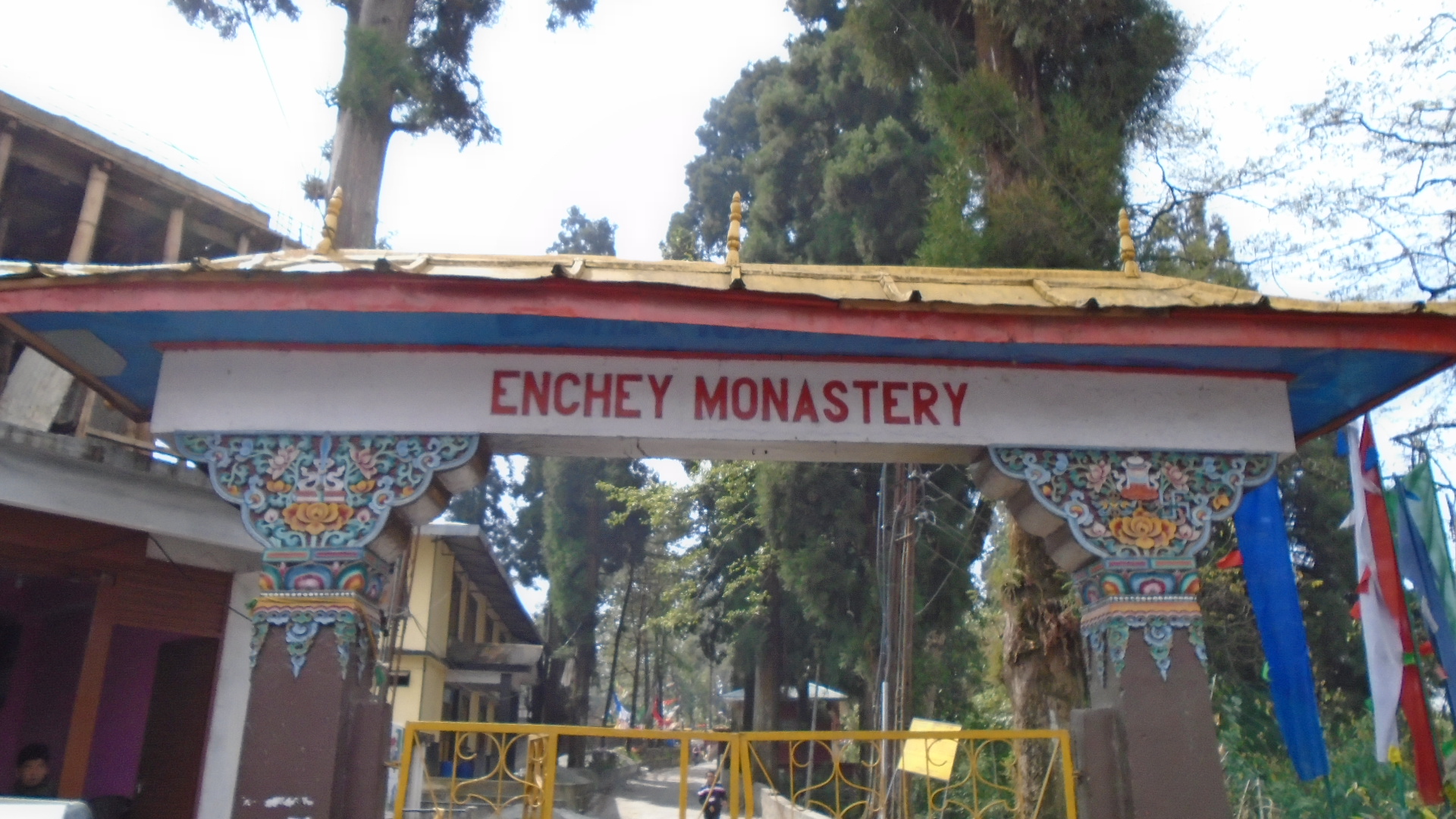
Full day tour of Gangtok, Sikkim, where we visit Enchey Gompa, Tashi viewpoint, Flower Expo, cottage industry, Institue of Tibetlogy, Dodrul Monastery and local farmer’s market.
Overnight in Gangtok Meals Breakfast · Dinner
Descend from the hills to the plains and cross Duars area with Tea Gardens of west Bengal into Phuentsholing at the foothills of Bhutan. Meet our Bhutanese Guide and stroll around the town.
Overnight in Phuentsholing Meals Breakfast · Dinner
Drive uphill to Thimphu after completing immigration formalities. En-route make a stop and visit Rinchending Monastery, other villages and towns along the way. Once in Thimphu, visit Tashicho Dzong and tour around the town.
Overnight in Thimphu Meals Breakfast · Lunch · Dinner
We have a full day in the capital to cover all the major landmarks and interesting attractions.
Overnight in Thimphu Meals Breakfast · Lunch · Dinner
After further sightseeing of Thimphu in the morning, then drive across Dochula Pass to Wangdiphodrang. Visit the town and fortress in Wangdue. Spend the night near Punakha.
Overnight in Punakha Meals Breakfast · Lunch · Dinner
In the morning drive and walk to Khamsum Chorten and visit local homes. Later visit Punakha Dzong and Chimi lhakhang temple. In the evening stroll around the new township of Punakha.
Overnight in Punakha Meals Breakfast · Lunch · Dinner
Drive back to Paro via Thimphu. At Paro, visit National Museum and Rinphung Dzong.
Overnight in Paro Meals Breakfast · Lunch · Dinner
Hike to Taktsang (optional) and visit ruins of Drugyal Dzong, Kichu temple and a typical farm house.
Overnight in Paro Meals Breakfast · Lunch · Dinner
Upon arrival, meet our Nepalese Guide and drive to Bhaktapur city to visit the Durbar Squares and temples. Continue to drive toward famous Nagarkot hill resort for panoramic views of the Himalayas.
Overnight in Nagarkot Meals Breakfast · Dinner
Drive back to Kathmandu. Visit Syambhunath and Kathmandu Durbur Square. Have dinner with a live entertainment at a local restaurant.
Overnight in Kathmandu Meals Breakfast · Dinner
In the morning, visit Boudanath, and the Pashupatinath temple. Later in the afternoon, visit the Patan city.
Overnight in Kathmandu Meals Breakfast · Dinner
Transfer to the airport for you departure flight.
Meals Breakfast
Included
- Accommodations of your choice.
- Breakfast and dinner in India and Nepal, while all meals are included with some evening tea in Bhutan.
- All private land transfers and transportation by good quality vehicle.
- Sightseeing with entrance fees.
- English speaking tour guide.
- Bhutan visa fees and all other tourist fees in Bhutan.
Not included
- All flights.
- India Visa and Nepal Visa.
- Anything not listed in the included section
Over the Thanksgiving holiday in 2012, my wife and I packed in a Nepal/Bhutan trip where we maximized our time to experience both countries. After contacting a number of travel agencies, we settled on Wind Horse (www.windhorsetours.com) based on testimonials and price. We were not disappointed. Everything that we wanted to do, given the limited time, was accomplished. This included photographing…
Petrie's India,Nepal & Bhutan Private Tour. TID -753 (Sep 13 - Oct 03, 2014) Dear Anand and team, Namaste! Thank you for your follow up message! My apologies for the delay in response. It would be my pleasure to provide feedback and any endorsements that would be useful to you in future planning and for promotional purposes in bringing on…
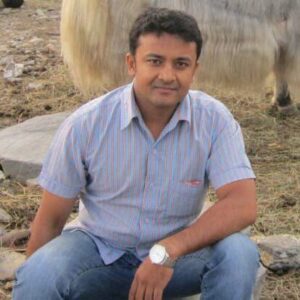
Gaurav Goyal
Gaurav Goyal remains stalwarts of Wind Horse Tours, India since its inception in 2005. Along with company he gained salience. His friend says " He aged once he started to work ". Like any other works, it was hardly a stroll in park at the start. In initial days, where…

Nima Dhondup Bhutia
Nima Dhondup Bhutia is the senior most guide for Darjeeling, Sikkim and Doars Tour. From past political turmoil to changing tourism scenario in the region, he has seen it all from close quarter. His career as guide started from 1980, and going great gun still. His experience along with amicable…
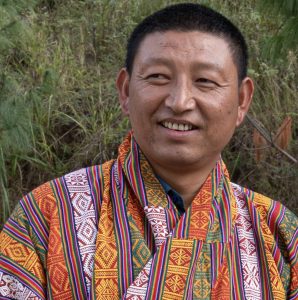
Yonten Phuntsho
Yonten Phuntsho is one of our senior most guide. And well versed on his business. Initially, he conceded an impression of a man of a few words but I was in for surprise with the knowledge of his job, great sense of humour and congenial personality- simply one cannot judge…
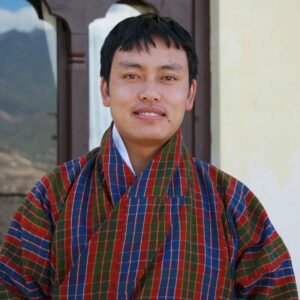
Sonam Pelden
Sonam Palden is smitten by games most notably national sports of Bhutan- Archery. While growing up in beautiful Ura valley in Bumthang, unlike other kid, he played with traditional traditional bows and arrows. He completed his class 12 from Punakha in 2003. Subsequently he pursued his passion for five years…
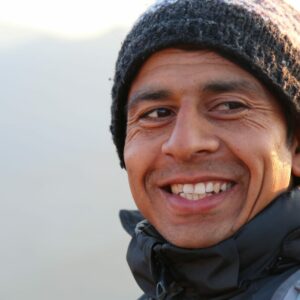
Hem Raj Bastola
Hem Raj Bastola is a permanent inhabitant of Pokhara-22, a rural area in the outskirts of Pokhara. He has been working as a tour and trekking guide since 2010. Formerly he has worked as a guest service agent in a hotel in Pokara. He started his career as a Cave…
What travelers most often ask us before a trip to Bhutan.
Are monument and park entrance fees included in my trip?
No. Since the 2023 policy update, the entry fees are not included and are in addition to the daily SDF (Sustainable Development Fee), you will need to pay for these tickets separately at each location, or your tour operator (like Wind Horse) can include them as a pre-paid “service” in your tour package.
Most Dzongs & Museums charge Nu. 500, with Takstang @1000/
For details on the latest entry fees to the monuments, parks, and attractions, visit Bhutan Entrance fees:
Yes, flights to Bhutan can be affected by weather conditions. Paro Airport is located in a narrow valley and requires visual flying conditions, meaning flights operate only during daylight hours and in suitable weather.
During the monsoon season (June–September), low clouds, rain, or reduced visibility may cause short delays or, in rare cases, cancellations. In winter, early-morning fog can sometimes delay departures. However, Bhutan’s airlines are highly experienced in operating in these conditions, without compromising the safety.
When disruptions occur, airlines usually reschedule flights for the next available weather window. We recommend allowing some buffer time at the start or end of your trip and having flexible onward travel plans.
Wind Horse closely monitors flight operations and assists guests with rebooking and logistics if weather-related changes arise.
Bhutan’s official currency is the Bhutanese Ngultrum (BTN), which is pegged 1:1 with the Indian Rupee, so the two currencies are equal in value. Indian Rupees are accepted in Bhutan.
Yes. Bhutan is considered one of the safest countries in the world for travelers, including solo travelers and solo women travelers. Crime rates are very low, violent crime is rare, and Bhutanese society places a strong emphasis on respect, community, and hospitality.
Solo women travelers generally feel comfortable traveling in Bhutan. Harassment is uncommon, and locals are welcoming and helpful.
When traveling on guided tours or treks, you are accompanied by licensed guides and drivers, which adds an extra layer of safety and support.
As with travel anywhere, we recommend using common sense—being aware of your surroundings, dressing modestly, and following local customs. With these basic precautions, Bhutan is a relaxed, secure, and rewarding destination for solo travel.
The most popular times to visit Bhutan are spring (March–May) and autumn (late September–November), offering the best combination of weather, scenery, and cultural experiences.
- Spring (March–May):
Ideal for nature lovers, with valleys alive with blooming rhododendrons and wildflowers. Temperatures are mild, making it a great season for sightseeing and moderate trekking. - Autumn (late September–November):
Known for the clearest Himalayan views, crisp air, and deep blue skies. This is also the peak season for major festivals (Tshechus) and high-altitude trekking. - Winter (December–February):
An off-peak season with cold nights and early mornings, but generally clear, sunny days and stable weather. Snowfall is mostly limited to high mountain passes. While not suitable for high-altitude treks, winter is ideal for cultural tours and walks in lower valleys and subtropical forests. As most towns and villages in the eastern Bhutan and southern Bhutan are located at lower elevation, winter is best time to visit them. - Summer (June–August):
Warm and pleasant, with occasional monsoon rains, mostly in the evenings or at night. The countryside is lush and green, crowds are fewer, and low-season rates are available.
Independent trekking is not permitted in Bhutan. All trekkers must be accompanied by a licensed Bhutanese guide and a support team, where camp and food arrangements in needed.
Some trekking areas require National Park permits and some even need military clearance and those are not issued without the local tour operator’s undertaking and the presence of guides on the trails.
No. Indian citizens with Indian passport or valid travel document such as Voter IDs do not require a visa to enter Bhutan. However, an Entry Permit is mandatory.